Creating a calm and peaceful classroom environment is essential for educators who aim to foster effective learning and emotional wellbeing among students. Here are 17 actionable tips and resources that teachers can utilize to establish and maintain a serene classroom atmosphere:
1. Start with Yourself: Teachers must embody the tranquility they wish to instill. Practice mindfulness and stress-management techniques to ensure you project a calm presence.
2. Classroom Layout: Arrange desks and seating to facilitate easy movement and reduce noise levels. Consider incorporating comfortable reading corners or designated quiet zones.
3. Soft Background Music: Playing gentle, instrumental music can set a peaceful tone in the classroom. Websites like Free Music Archive offer a selection of tracks suitable for this purpose.
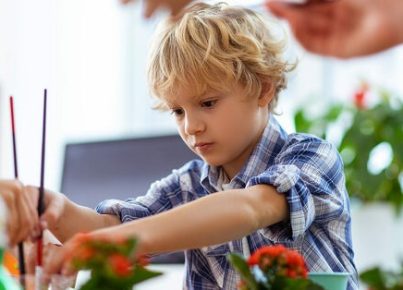
4. Nature Elements: Bring elements of nature into your classroom. Indoor plants, nature soundtracks, or visuals of natural landscapes can have a soothing effect.
5. Color Psychology: Use calming colors like blue or green for walls, decorations, or even on your digital presentations to evoke serenity.
6. Routine and Structure: Establish clear routines that students can predict. Consistency helps students feel secure and decreases anxiety.
7. Mindfulness Exercises: Introduce short mindfulness exercises such as deep breathing or guided imagery at the beginning of class or between transitions using apps like Headspace or Calm.
8. Positive Reinforcement: Encourage positive behavior by highlighting good conduct and achievements, which contributes to an uplifting atmosphere.
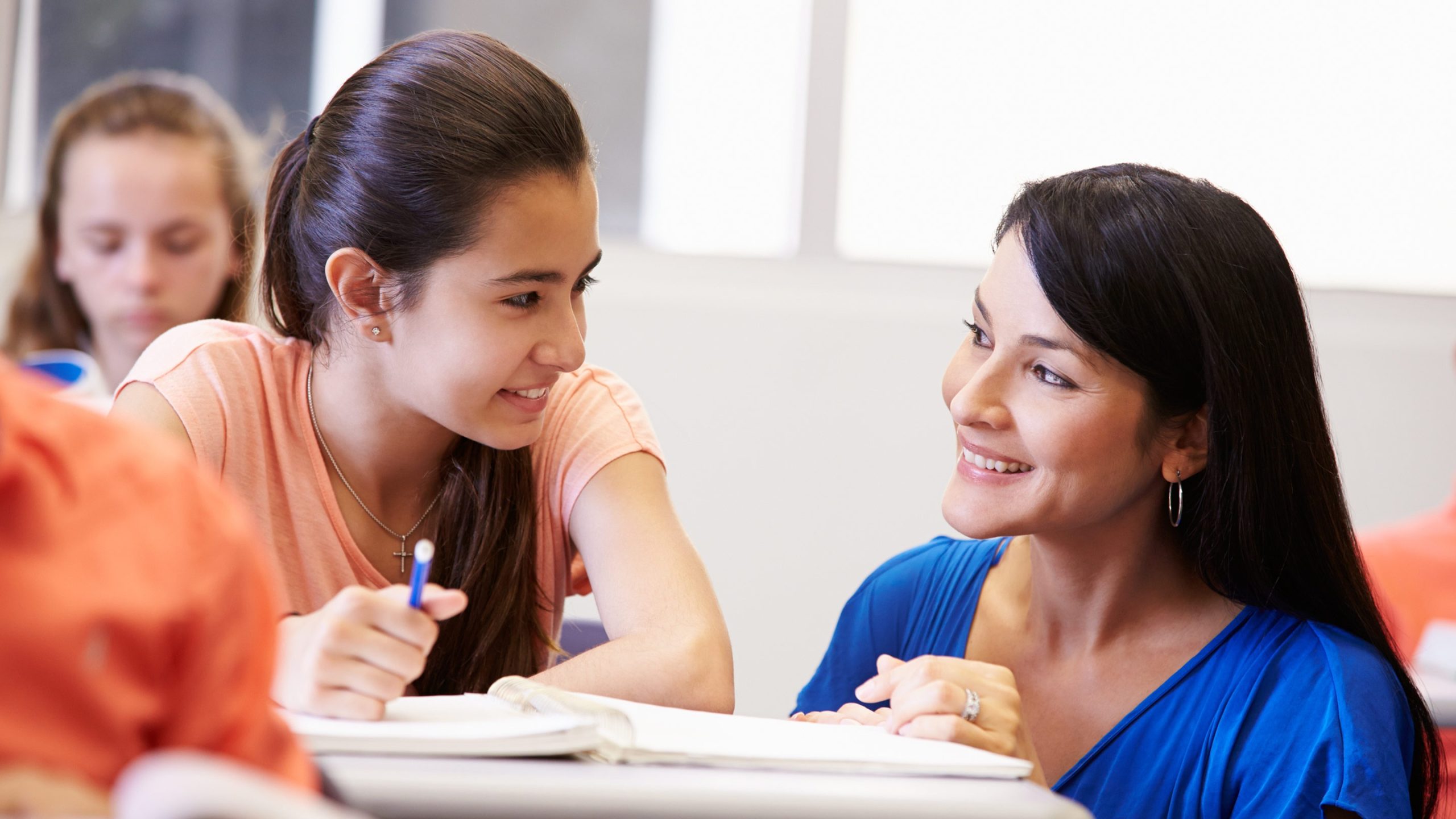
9. Clear Communication: Foster open lines of communication with your students so they feel heard and understood, thus reducing potential frustrations that can disrupt peace.
10. Emotional Check-Ins: Allocate time for students to share their emotions or concerns in a respectful space, which can be facilitated using tools like the “mood meter” from the Yale Center for Emotional Intelligence.
11. Conflict Resolution Strategies: Teach and apply conflict resolution skills proactively to manage disagreements peacefully before they escalate.
12. Flexible Seating Options: Offering choices such as standing desks, beanbags, or stability balls allows students to find their best learning posture, catering to diverse needs.
13. Quiet Time Reserves: Have scheduled periods where students engage in silent reading or individual work to cultivate quietude and focus within the class framework.
14. Sensory Tools: Employ sensory objects like stress balls or fidget tools to help students self-regulate their emotions quietly during class time.
15. Professional Development Resources: Engage with platforms like Edutopia or ASCD that provide insights and strategies on creating supportive learning environments.
16. Classroom Libraries: Create a library corner with books focused on emotional intelligence, meditation, or relaxation techniques available for student exploration.
17. Visual Cues: Put up posters with calm-inducing images or positive affirmations around the classroom as visual reminders of the classroom’s atmosphere goal.
Incorporating these tips into daily classroom management can substantially benefit both teachers and students by enhancing educational outcomes through a more harmonious learning environment.