

“`html
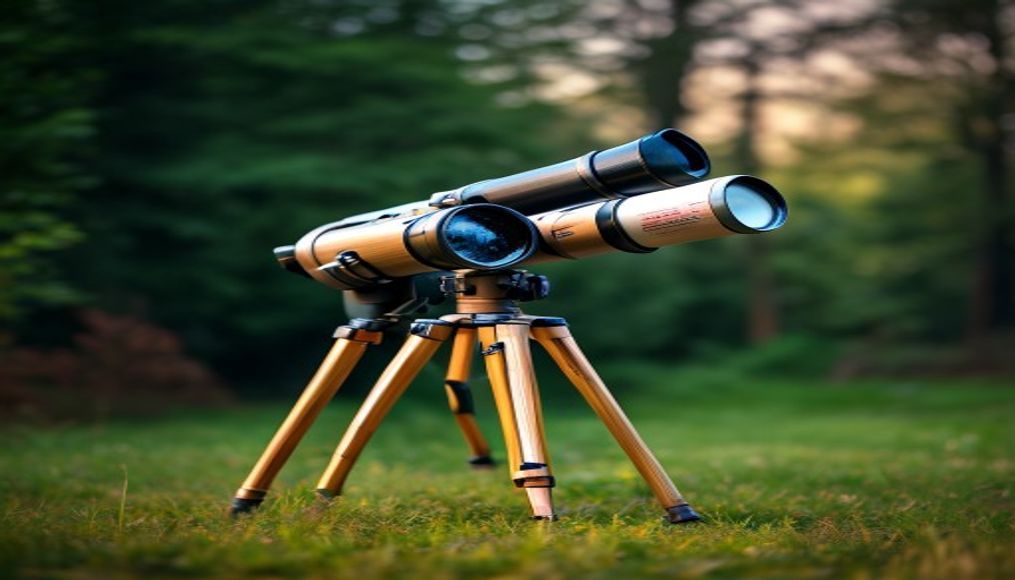
When it comes to inspiring a love for astronomy in children, the right telescope can make all the difference. Whether it’s gazing at the craters of the Moon, marveling at the rings of Saturn, or spotting the Andromeda Galaxy, a quality telescope can ignite a child’s curiosity about the universe. In this article, we’ll explore the best telescopes for kids that are perfect for budding astronomers, highlighting their features, pros and cons, and what makes them suitable for young stargazers.
1. Kids 50mm Telescope by Emarth: A Great Starter Telescope
The Emarth 50mm telescope is an excellent choice for beginners. Lightweight and easy to set up, this telescope is perfect for little hands. Its 50mm aperture allows for clear images of the Moon and some planets, making it an ideal gateway for kids to start their journey into astronomy.
This telescope comes with two interchangeable eyepieces (20mm and 6mm) that provide varying levels of magnification, allowing kids to explore different celestial objects. Additionally, the included smartphone adapter lets them capture images of their findings, turning stargazing into a fun, interactive experience. It’s a wonderful first telescope that combines usability with affordability.
2. Orion StarBlast 4.5 Astro Reflector Telescope: Portable and Powerful
The Orion StarBlast 4.5 is a compact and powerful telescope that delivers stunning views of the cosmos. With a 4.5-inch aperture, it collects more light than smaller telescopes, enabling users to view the finer details of celestial objects. This reflector telescope is particularly admired for its portability, making it easy to transport for backyard astronomy sessions or trips to darker skies.
What sets the StarBlast apart is its user-friendly design. The mount is stable, and the telescope is quick to set up, making it a favorite for kids eager to observe the night sky without much hassle. Parents appreciate its durability and the quality of the images, which can motivate children to learn more about astronomy.
3. Gskyer 70mm Telescope: A Perfect Blend of Ease and Quality
The Gskyer 70mm telescope is another excellent entry-level option. This telescope strikes a balance between simplicity and quality. Its 70mm aperture offers clear views of celestial bodies, and it comes with a full-height adjustable tripod that ensures stability.
What makes the Gskyer telescope appealing for kids is its straightforward operation. It includes a finder scope with a mounting bracket that aids in locating objects in the night sky. The telescope also comes with multiple eyepieces, allowing kids to explore various magnifications. Plus, the durable construction means it can withstand the rough handling typical of young users.
4. Levenhuk Skyline 70×700 Telescope: An Educational Tool
The Levenhuk Skyline 70×700 is designed to provide not only a great viewing experience but also to serve as an educational tool. With a 70mm aperture and high-quality optics, it delivers bright and clear images of celestial phenomena, making it suitable for both planetary and deep-sky observations. (See: Understanding telescopes and their types.)
This telescope is particularly user-friendly for kids, thanks to its easy-to-follow instructions and intuitive design. It includes two eyepieces and a Barlow lens to enhance viewing capabilities. The durable build ensures it can handle enthusiastic young astronomers, and its compact size makes it easy to store. As an added bonus, Levenhuk provides a detailed guide to astronomy, which can foster a deeper understanding of the night sky.
5. Celestron Kids 50TT Telescope: Affordable and Functional
The Celestron Kids 50TT Telescope is an affordable choice that doesn’t skimp on quality. With a 50mm aperture, it’s designed for portability and ease of use. Children can easily carry it and set it up in their backyard or at a campsite. The telescope is lightweight, making it perfect for educational outings or family camping trips.
Equipped with a red dot finder, the 50TT allows kids to locate stars and planets quickly. It also comes with three eyepieces, providing different magnifications to enhance their viewing experience. The sturdy mount is perfect for little hands, and the overall design is aimed at making stargazing a fun and engaging activity for kids.
6. Meade Instruments Infinity 70mm Telescope: Versatile and Educational
The Meade Instruments Infinity 70mm Telescope is designed to cater to a wide range of interest levels. With a 70mm aperture, it’s versatile enough to provide breathtaking views of planets, stars, and even some deep-sky objects. The Infinity 70mm is particularly noted for its ease of assembly and user-friendly design, making it an ideal option for children.
One of the standout features of this telescope is its included educational resources. Meade provides a star chart and a guide to help young astronomers learn about the night sky. With simple controls and a sturdy build, kids can focus on exploring the universe without getting bogged down by complicated setups. This telescope not only inspires curiosity but also promotes learning.
7. SkyWatcher Heritage 76 Telescope: Fun for the Whole Family
The SkyWatcher Heritage 76 is a tabletop reflector telescope that’s compact and easy to use. Its 76mm aperture is capable of capturing bright images of the Moon and planets, providing an enjoyable experience for kids and families alike. Being a tabletop design, it’s perfect for backyard sessions where space may be limited.
What makes the Heritage 76 stand out is its innovative design that encourages family interaction. With its simple setup, parents can join their kids in exploring the wonders of the universe. Additionally, the telescope comes with a variety of accessories, including a set of eyepieces and a 2x Barlow lens, which enhance the viewing experience and allow for diverse cosmic explorations.
8. National Geographic 70mm Telescope: A Stellar Choice for Young Explorers
National Geographic’s 70mm telescope is designed with young explorers in mind. This telescope provides a combination of good optics and user-friendly features. The 70mm aperture enables kids to see clear views of the planets and the Moon, sparking their interest in astronomy.
What makes this telescope especially appealing is its sturdy, child-friendly construction. It comes with a red dot finder and several eyepieces, allowing kids to experiment with different magnifications. Furthermore, National Geographic includes educational materials that help children understand what they are observing. This reinforces the learning experience and makes the telescope not just a tool for stargazing, but a gateway to knowledge. (See: NASA's resources on astronomy.)
Additional Considerations When Choosing a Telescope for Kids
When selecting a telescope for children, there are several important factors to consider beyond just price and brand. Here are some tips to ensure you choose the best telescope for kids:
- Ease of Use: Make sure the telescope is user-friendly. Children may become frustrated with complicated setups or difficult controls, so opt for models that are straightforward and intuitive.
- Durability: Look for telescopes made with sturdy materials that can withstand the rough handling of young users. A durable telescope will last longer and provide more opportunities for learning.
- Portability: A lightweight and portable telescope will allow kids to take their stargazing adventures on the go, whether it’s to the backyard, a park, or even on family camping trips.
- Educational Value: Choose telescopes that come with educational materials like star charts or guides. This can enrich the stargazing experience by providing context to what they observe.
FAQs About Telescopes for Kids
What age is appropriate for children to start using a telescope?
Children as young as 5 or 6 can start using simple telescopes with adult supervision. By age 8 or 9, many kids can handle more advanced models with minimal help.
Do I need a specific type of telescope for viewing planets?
While any telescope can provide views of planets, models with at least a 70mm aperture are recommended for clearer images of celestial bodies. Reflector telescopes often offer better light-gathering capabilities for planetary observation.
Can children use a telescope during the day?
Yes, although telescopes are primarily designed for night use, they can be used during the day to observe the Moon or even distant terrestrial objects. However, caution is needed to avoid looking directly at the sun, which can cause serious eye damage.
How do I teach my child about using a telescope?
Start by explaining the basic parts of the telescope and their functions. Use educational resources that come with the telescope, such as guides or star charts, to help them understand celestial objects. Encourage them to start with easy targets like the Moon before moving on to more challenging objects.
How can we make stargazing more fun for kids?
Incorporate storytelling about constellations and celestial myths, or organize themed nights where you look for specific objects like planets or meteor showers. Having a parent or guardian join the exploration can turn stargazing into a shared adventure, enhancing the experience for children.
Comparing Telescope Types: Refractors vs. Reflectors
When deciding on a telescope, you might come across two primary types: refractors and reflectors. Understanding the differences can help you choose the best telescope for kids based on what they want to observe.
Refractor telescopes use lenses to gather and focus light. They are known for providing bright, clear images, which makes them a great choice for observing planets and the Moon. They’re often easier to maintain than reflectors, as they don’t require regular collimation (alignment of mirrors). However, they can be more expensive for larger apertures. (See: Scientific insights on telescope technology.)
Reflector telescopes use mirrors to collect light. They’re usually more affordable for larger apertures, which means kids can see more details of celestial objects at a lower cost. However, they may require more maintenance to keep the mirrors aligned and clean. These telescopes are often preferred for deep-sky observations, such as galaxies and nebulae.
The Importance of Stargazing for Children
Stargazing isn’t just about looking at the night sky; it can play a crucial role in a child’s development. Engaging with astronomy can enhance a child’s curiosity and encourage scientific thinking. It allows them to ask questions, seek answers, and develop a deeper understanding of the universe.
Moreover, observing the stars can foster patience and perseverance. Waiting for the perfect moment to spot a shooting star or teaching them how to track the movement of celestial bodies can be invaluable life skills. Plus, it offers an opportunity for quality family bonding time under the stars, creating memories that last a lifetime.
Incorporating technology can also enhance their experience. Some modern telescopes are compatible with smartphone apps that provide educational content and real-time sky maps. This not only makes stargazing more interactive but can also instill a love for technology and innovation.
Conclusion
Choosing the right telescope can open up a world of wonder for children. The best telescopes for kids offer not only quality optics but are also designed with ease of use and educational value in mind. From the lightweight Emarth 50mm to the versatile National Geographic 70mm, there’s a telescope to fit every young astronomer’s needs. Investing in a good telescope can foster curiosity and inspire the next generation to explore the mysteries of the universe. So get ready to explore, and watch as your child’s interest in astronomy takes flight!
“`
Trending Now
Frequently Asked Questions
What is the best telescope for beginners?
The Kids 50mm Telescope by Emarth is highly recommended for beginners. Its lightweight design, easy setup, and 50mm aperture provide clear images of the Moon and some planets, making it an excellent starting point for young astronomers.
Are telescopes for kids worth it?
Yes, telescopes for kids can ignite a passion for astronomy and science. They provide an interactive way for children to explore the universe, enhancing their learning experience while fostering curiosity about celestial objects.
What features should I look for in a children's telescope?
When choosing a children's telescope, look for lightweight and portable designs, easy assembly, and appropriate aperture size for clear views. Additional features like interchangeable eyepieces and smartphone adapters can enhance the stargazing experience.
Can kids use a telescope on their own?
Many telescopes designed for kids, like the Orion StarBlast 4.5, are user-friendly and can be set up with minimal assistance. However, adult supervision is recommended, especially for younger children, to ensure safe and effective use.
What can children see with a beginner telescope?
With a beginner telescope, children can observe various celestial objects, including the craters of the Moon, the rings of Saturn, and some brighter planets. These experiences can significantly enhance their interest in astronomy and science.
Agree or disagree? Drop a comment and tell us what you think.






