

“`html
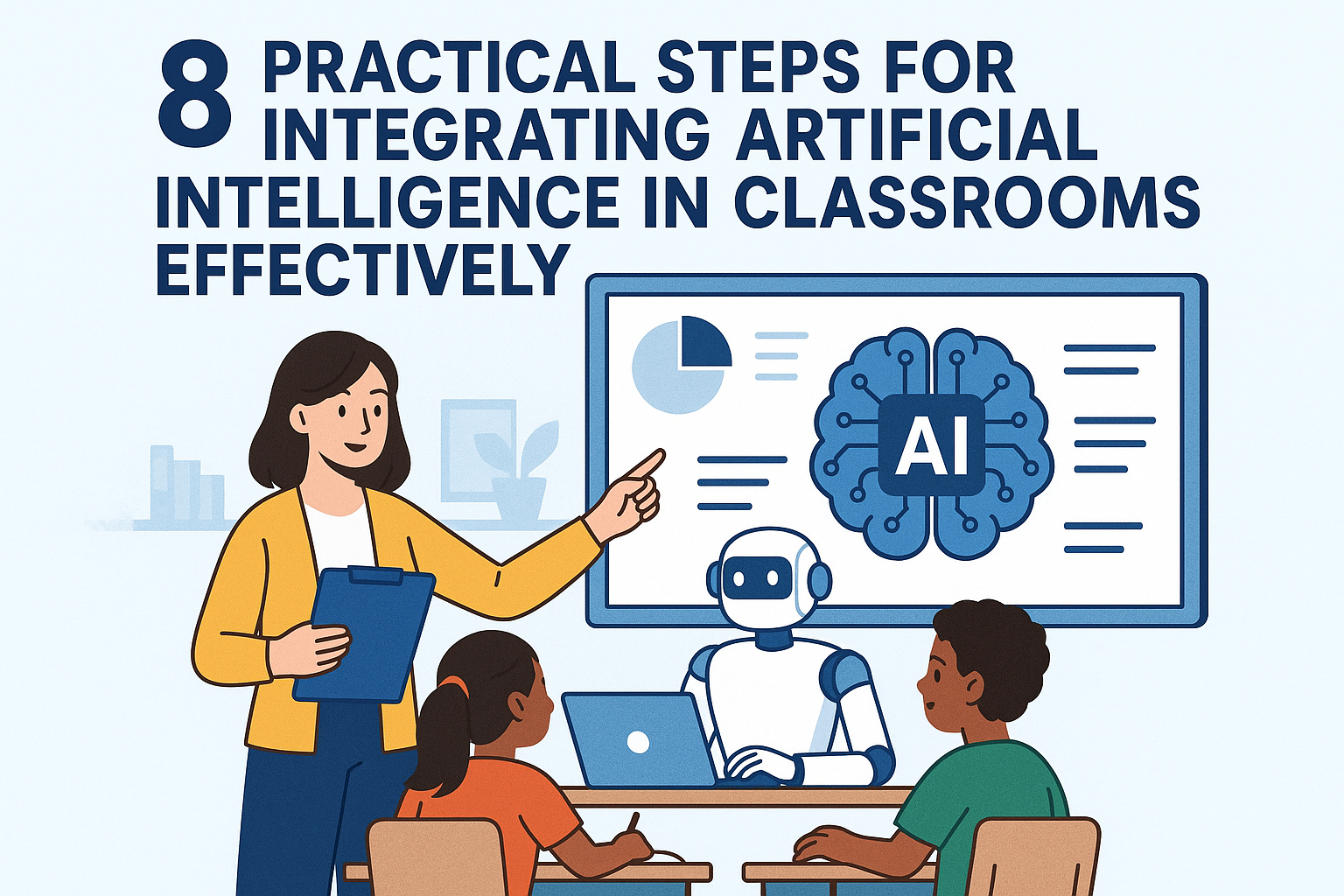
As classrooms around the globe evolve, the integration of technology has become essential. Among the most transformative innovations of our time is artificial intelligence (AI). Understanding how to integrate artificial intelligence in classrooms is key to enhancing learning experiences while preparing students for a technology-driven future. This guide will provide educators with a step-by-step approach to effectively implement AI tools in educational settings, addressing practical applications, potential challenges, and best practices.
1. Understanding AI in Education
Before diving into implementation, educators must grasp what AI in education entails. AI refers to the simulation of human intelligence in machines programmed to think and learn. In the context of education, AI can be utilized for personalized learning, automating administrative tasks, and providing analytical insights into student performance.
The potential of AI to enhance educational experiences is vast. For instance, AI-driven platforms can tailor learning materials to suit individual student needs, thus promoting greater engagement and comprehension. They can also assist teachers by automating grading and helping to identify areas where students may struggle, offering targeted intervention.
2. Identifying AI Tools for Your Classroom
Once you understand the fundamentals of AI, the next step is identifying suitable tools for your classroom. Numerous AI applications exist, ranging from intelligent tutoring systems like Knewton and DreamBox, which adapt to each student’s learning pace, to AI-powered administrative software like Gradescope, which simplifies grading processes.
When choosing tools, consider the specific needs of your classroom and your students. Are you looking for tools that enhance collaboration? Tools that monitor student engagement? Make a list of features that would be beneficial, then research available options. Remember, the goal is to enhance the learning experience, not overwhelm it with technology.
3. Training Educators and Students
Integration of AI tools will only be successful if both educators and students are adequately trained. Educators should undergo training sessions to familiarize themselves with the tools they will be using. This training can include workshops led by AI companies, online courses, or even collaboration with tech-savvy educators.
Equally important is training students. They should be made aware of how to use these AI tools effectively, understanding their purpose and benefits. By fostering a culture of technology acceptance, students will feel more comfortable utilizing AI to enhance their learning, rather than seeing it as a hindrance.
4. Incorporating AI into Lesson Plans
Now that you have the necessary tools and training, it’s time to incorporate AI into your lesson plans. Start small: choose one subject or unit where AI can be most beneficial. For example, math teachers can integrate AI tools that provide personalized problem sets based on student performance. This allows for differentiation within the classroom, catering to various learning paces.
Additionally, consider how AI can support collaborative projects. AI tools can help students work together on research assignments, offering real-time feedback and resources tailored to their joint efforts. This not only enhances their learning but also fosters teamwork and communication skills. (See: AI in education and its impact.)
5. Monitoring and Assessment
Implementing AI in classrooms requires ongoing monitoring and assessment to ensure its effectiveness. Teachers should regularly evaluate how AI tools are impacting student learning outcomes. Are students more engaged? Are their grades improving? Collecting data will help determine whether the AI tools are meeting the desired objectives.
Additionally, provide opportunities for students to give feedback on their experiences with AI tools. Their insights can be invaluable for making necessary adjustments, ensuring that the tools remain beneficial and user-friendly. This two-way feedback can also foster a sense of ownership among students over their learning process.
6. Addressing Ethical Considerations
As with any technological advancement, the integration of AI in classrooms presents ethical considerations that educators must address. Questions surrounding data privacy, equity in access, and the potential for bias in AI algorithms are crucial to discuss. It’s essential to ensure that all students have equal access to AI tools, regardless of socioeconomic status.
Moreover, educators should be transparent about how student data is used. Establishing clear guidelines for data privacy and usage will help build trust among students and parents. Engaging in discussions about these ethical implications encourages a thoughtful approach to AI adoption that prioritizes student welfare. There’s a fuller look at top AI tools in education.
7. Engaging Parents and the Community
Integrating AI in classrooms isn’t just an internal school matter; it’s essential to engage parents and the larger community in the process. Informing parents about the benefits and uses of AI tools can alleviate fears and misconceptions about technology in education. Host workshops or informational evenings where parents can learn about AI’s role in enhancing their children’s learning.
Additionally, community partnerships can enrich the integration process. Collaborating with local tech firms, educational organizations, and universities can provide resources and expertise that schools might lack. This collective approach ensures a well-rounded implementation of AI tools, ultimately benefiting students.
8. Staying Updated on AI Developments
The landscape of AI is continuously evolving. For educators, it’s vital to stay updated on the latest developments and best practices in AI integration. Following reputable educational technology blogs, participating in online forums, and attending conferences can help you stay informed.
Moreover, don’t hesitate to share your experiences and learnings with fellow educators. Collaborating and sharing insights can lead to innovative ideas that enhance the use of AI in classrooms. By fostering a community of practice, educators can collectively advance their understanding and implementation of AI tools, ensuring they serve their intended purpose.
9. Examples of Successful AI Integration in Classrooms
In recent years, several schools have successfully integrated AI into their curricula, showcasing its potential to revolutionize education. For example, the New Jersey Institute of Technology implemented an AI-driven platform that has significantly improved student engagement and performance in STEM subjects. According to their reports, students using the AI tool showed a 20% increase in test scores compared to those who did not use the tool.
Another instance comes from the Los Angeles Unified School District, where AI chatbots were introduced to assist students in navigating their academic resources. These chatbots provided instant answers to common questions, reducing the workload on teachers while ensuring that students had access to the information they needed. Surveys indicated that 85% of students felt more supported in their learning journeys because of this AI integration. (See: Research on AI in classrooms.)
10. Statistical Insights on AI in Education
Understanding the impact of AI in education is further facilitated by examining relevant statistics. According to a report by McKinsey & Company, 80% of teachers believe that AI will transform education within the next decade. Moreover, a study by Pew Research found that 56% of educators who have used AI tools noted significant improvements in student engagement and learning outcomes.
Furthermore, a joint study by EDUCAUSE and the New Media Consortium showed that institutions integrating AI technologies report an average of 30% time savings in administrative tasks, enabling educators to focus more on personalized instruction and student interactions.
11. Challenges of AI Integration
While the advantages of AI integration are compelling, educators should also be aware of the challenges. Resistance to change can be one of the biggest hurdles. Some educators may feel apprehensive about adopting new technologies, fearing they might replace traditional teaching methods. It’s important to address these concerns through professional development and showcasing how AI can complement, rather than replace, the educator’s role.
Another challenge is ensuring equitable access to technology. Not all students have the same level of access to devices or high-speed internet, which can create disparities in learning opportunities. Schools must develop strategies to bridge this digital divide, such as providing devices for students in need or offering subsidized internet access.
12. Frequently Asked Questions
What types of AI tools are available for classrooms?
There are various types of AI tools available for classrooms, including intelligent tutoring systems, AI-driven learning management systems, grading software, and collaborative platforms that utilize AI for feedback and resource allocation. Examples include IBM Watson Education and Google Classroom AI features.
How can AI personalize learning for students?
AI can personalize learning by analyzing students’ performance data and adapting educational content to meet their individual needs. For instance, AI systems can provide customized practice questions based on a student’s strengths and weaknesses, ensuring they receive support in areas where they struggle.
What are the ethical considerations of using AI in education?
Key ethical considerations include data privacy, ensuring unbiased algorithms, equity of access, and transparency regarding how student data is used. Educators must prioritize these aspects to build trust with students and parents while fostering a supportive learning environment.
How does AI impact the role of educators?
AI does not replace educators; rather, it enables them to enhance their teaching methods. AI tools can automate administrative tasks, allowing teachers to devote more time to personalized instruction and student engagement. This shifts the educator’s role to a facilitator of learning rather than just a source of information.
Can AI tools be used in special education?
Yes, AI tools can be particularly beneficial in special education by providing tailored resources and support for students with diverse learning needs. For instance, AI can adjust the complexity of assignments based on individual capabilities, ensuring all students can access and engage with the curriculum.
13. Future Trends of AI in Education
As we look to the future, the role of AI in education is expected to grow exponentially. Trends indicate that more schools will adopt AI-driven personalized learning environments, allowing for even greater customization than before. For instance, advancements in natural language processing may lead to AI systems that can engage in conversation with students, providing real-time tutoring and feedback.
Additionally, virtual and augmented reality applications powered by AI are expected to become more prevalent, enabling immersive learning experiences that can transport students to historical events, scientific environments, or even fictional worlds. The combination of these technologies with AI will change how students interact with content, making learning more engaging and interactive.
14. Building a Supportive Culture for AI
To successfully integrate AI in classrooms, creating a supportive culture is essential. This includes fostering an environment where both educators and students feel comfortable experimenting with new technologies. Schools can encourage this by promoting a growth mindset, emphasizing the importance of learning from failures and successes alike.
Professional development programs should also focus on continuous learning about AI and its applications in education. By creating a collaborative atmosphere among staff, teachers can share best practices and innovative teaching strategies that utilize AI, thereby enriching the learning experiences of their students.
Incorporating AI in education is not without its challenges, but the potential benefits far outweigh them. By understanding how to integrate artificial intelligence in classrooms, educators can transform learning experiences, making them more personalized and engaging for students. Embracing AI is not just the future of education; it’s the present, and educators must take proactive steps to navigate this new frontier.
“`
Trending Now
Frequently Asked Questions
What are the benefits of using artificial intelligence in classrooms?
Artificial intelligence in classrooms offers numerous benefits, including personalized learning experiences tailored to individual student needs, automation of administrative tasks like grading, and analytical insights into student performance. These advantages enhance student engagement and comprehension, preparing them for a technology-driven future.
How can educators effectively integrate AI tools in education?
Educators can effectively integrate AI tools by first understanding AI's role in education, identifying suitable AI applications for their classrooms, and considering the specific needs of their students. A step-by-step approach, focusing on practical applications and best practices, is crucial for successful implementation.
What are examples of AI tools for classrooms?
Examples of AI tools for classrooms include intelligent tutoring systems like Knewton and DreamBox, which adapt to each student's learning pace, and AI-powered administrative software like Gradescope, which simplifies grading processes. These tools enhance collaboration and monitor student engagement. essential tools for critical thinking offers useful background here.
What challenges might teachers face when integrating AI in classrooms?
Teachers may face challenges such as resistance to change, lack of training on AI tools, and concerns about data privacy and security. Addressing these challenges through proper training, open communication, and clear guidelines can facilitate smoother integration of AI in educational settings.
How does AI enhance personalized learning in education?
AI enhances personalized learning by analyzing individual student data to tailor educational materials and experiences to their unique learning styles and paces. This customization promotes greater engagement and comprehension, allowing students to progress at their own speed and receive targeted support where needed.
Have you experienced this yourself? We’d love to hear your story in the comments.



