
“`html
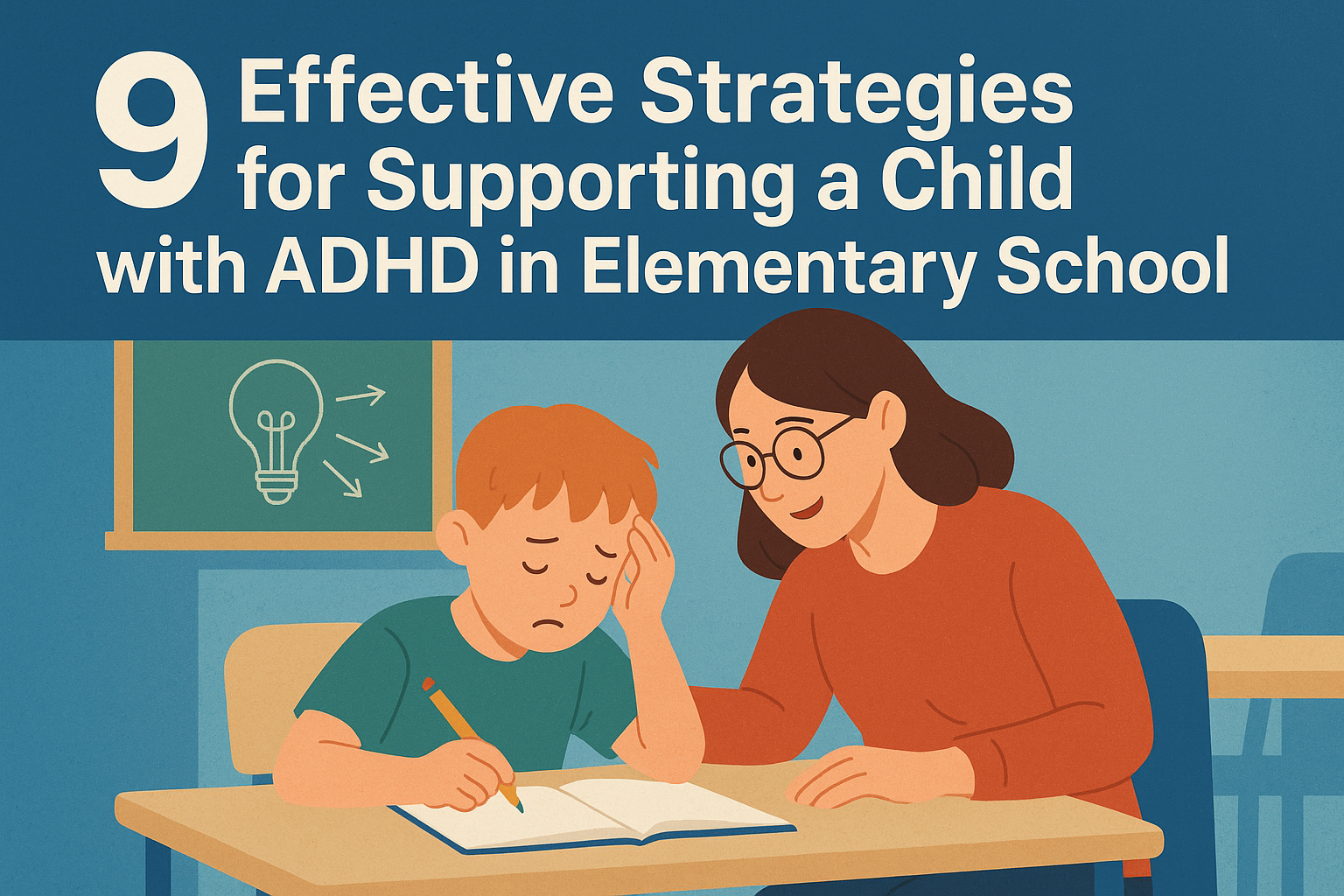
Supporting a child with ADHD in elementary school involves understanding their unique challenges and implementing strategies to create a supportive learning environment. Attention Deficit Hyperactivity Disorder (ADHD) affects millions of children worldwide, influencing their ability to focus, control impulses, and behave appropriately in social and academic situations. Educators play a critical role in helping these children thrive in their educational journey. Below, we explore nine effective strategies that can significantly enhance learning experiences for students with ADHD.
1. Foster a Structured Environment
A structured environment is vital for children with ADHD. Providing a clear, organized setting helps them know what to expect and when. Routine is particularly beneficial, as it minimizes uncertainty and allows children to focus on their tasks without the added stress of unpredictability. Teachers can implement a daily schedule that outlines the day’s activities, breaks, and transitions.
Additionally, visual schedules can be extremely beneficial. Use charts or checklists that children can refer to throughout the day. This approach not only reinforces a sense of stability but also builds independent problem-solving skills as children learn to manage their time effectively.
2. Utilize Positive Reinforcement
Positive reinforcement is a powerful tool when supporting a child with ADHD. Recognizing and rewarding desirable behaviors can motivate children to remain engaged and perform better academically. Rewards can be as simple as verbal praise, stickers, or privileges, such as extra recess time.
It’s important to set clear expectations and communicate them effectively. When children understand what behaviors will be rewarded, they are more likely to strive for those outcomes. Consistency is key—rewarding desired behavior regularly helps reinforce positive habits over time.
3. Implement Engaging Teaching Methods
Engaging teaching methods capture the attention of students with ADHD, helping them remain focused on the lesson. Techniques such as interactive lessons, hands-on activities, and multimedia presentations can make learning more appealing. For instance, incorporating games and movement into lessons can help break the monotony of traditional learning.
Moreover, utilizing tools like educational apps and interactive whiteboards can enhance engagement. Providing children with opportunities to participate actively in their learning process increases their motivation and retention of information.
4. Encourage Breaks and Physical Activity
Frequent breaks are essential for children with ADHD as they often struggle with maintaining attention for extended periods. Short, structured breaks allow children to recharge and return to their tasks with renewed focus. Teachers can implement brain breaks, where children engage in physical activity or relaxation exercises, to promote concentration.
Physical activity plays a crucial role in managing ADHD symptoms. Incorporating movement into the classroom—such as standing desks, fidget tools, or short exercise sessions—can significantly improve attention spans. When children have opportunities to move, they tend to exhibit better behavior and focus. (See: CDC ADHD guidelines for educators.)
5. Develop Individualized Education Plans
Creating an Individualized Education Plan (IEP) is essential for children with ADHD who may require specific accommodations to succeed academically. An IEP outlines tailored educational goals and the services required to achieve them. Collaborating with parents, special educators, and school psychologists ensures that the plan addresses the child’s unique needs.
Accommodations may include modified assignments, extended time on tests, or preferential seating in the classroom. Regularly reviewing and adjusting the IEP based on the child’s progress helps maintain an effective support system and promotes ongoing academic success.
6. Enhance Social Skills Development
Children with ADHD often encounter challenges in social interactions, which can lead to feelings of isolation or frustration. Teachers can play a pivotal role in enhancing social skills by facilitating group activities that promote collaboration and teamwork. This approach helps children practice communication and interpersonal skills in a structured environment.
Role-playing and social stories can also be effective methods for teaching social cues and appropriate responses to various situations. Providing feedback and guidance during these activities can further reinforce the development of essential social skills, helping children build confidence in their interactions with peers.
7. Communicate with Parents and Caregivers
Effective communication between teachers and parents or caregivers is vital for supporting a child with ADHD. Establishing partnerships allows for a consistent approach to managing behavior and academic performance both at school and home. Regular updates on the child’s progress, challenges, and any strategies being used can foster a collaborative environment.
Encouraging parents to share insights about their child’s strengths and preferences can also inform teaching practices. By working together, educators and families can create a holistic support system that addresses the child’s needs more effectively.
8. Provide Emotional Support and Understanding
Children with ADHD may experience a range of emotions, from frustration to anxiety, stemming from their struggles in the classroom. Providing emotional support is crucial in helping them navigate these feelings. Teachers should strive to create a safe and inclusive atmosphere where children feel comfortable expressing their emotions.
Additionally, teaching coping strategies—such as mindfulness techniques, deep breathing exercises, or journaling—can empower children to manage their emotions effectively. An understanding and empathetic approach from educators can help children feel valued, ultimately enhancing their self-esteem and academic performance.
9. Promote Self-Advocacy Skills
Encouraging self-advocacy is essential for children with ADHD to become proactive in their learning process. Teaching children to express their needs and seek help when necessary promotes independence and responsibility. This skill can be cultivated by involving them in discussions about their learning styles and preferences.
Additionally, providing opportunities to practice self-advocacy—such as seeking clarification on assignments or voicing concerns—can build confidence. By empowering children with ADHD to take charge of their educational journey, teachers position them for long-term success.
10. Understand ADHD: A Deeper Look
Understanding ADHD is fundamental for anyone involved in supporting a child with the disorder. ADHD is a neurodevelopmental disorder that affects 5-10% of children worldwide, according to the CDC. The symptoms typically manifest in three categories: inattention, hyperactivity, and impulsivity. Inattention may include difficulty sustaining attention, not following through on tasks, and being easily distracted. Hyperactivity often involves excessive movement, fidgeting, or talking. Impulsivity can lead to difficulties waiting for turns or interrupting others. (See: NIH information on ADHD.)
Research indicates that ADHD is often comorbid with other conditions such as learning disabilities, anxiety disorders, and depression. The complexities of ADHD can vary significantly from child to child, which highlights the importance of tailored approaches in educational settings.
11. Statistics and Facts about ADHD
Statistics reveal the prevalence and challenges of ADHD among children. Recent studies show that boys are diagnosed with ADHD more frequently than girls, with a ratio of approximately 2:1. However, it’s essential to recognize that ADHD can present differently in girls, often leading to underdiagnosis.
According to the American Psychiatric Association, 30-50% of children with ADHD continue to experience symptoms into adulthood, emphasizing the need for early intervention and ongoing support. Furthermore, children with untreated ADHD have a higher risk of academic underachievement, difficulties in social relationships, and behavioral problems.
12. Expert Perspectives on Supporting Children with ADHD
Experts agree that a multi-faceted approach is crucial in supporting children with ADHD. Dr. John Ratey, a renowned psychiatrist and ADHD expert, emphasizes the importance of integrating physical activity into learning. “Exercise is like taking a dose of Ritalin,” he states, highlighting how movement can positively impact focus and cognitive function.
Similarly, Dr. Russell Barkley, a clinical psychologist specializing in ADHD, advocates for a comprehensive model that includes behavioral interventions, parent training, and educational accommodations. His research underscores the necessity of involving parents in the educational process to ensure consistency and support across different environments.
13. Frequently Asked Questions (FAQ)
What are the signs of ADHD in children?
Common signs of ADHD include difficulty paying attention, trouble following instructions, excessive talking, difficulty waiting for turns, and losing items necessary for tasks. However, these symptoms can vary greatly among individuals.
How is ADHD diagnosed?
ADHD is diagnosed through a comprehensive evaluation that includes interviews with parents, teachers, and the child, as well as behavioral assessments. There is no single test for ADHD; rather, a thorough assessment allows clinicians to determine the presence of the disorder.
What are the treatment options for ADHD?
Treatment options may include behavioral therapy, medication, educational interventions, and lifestyle changes. The most effective approach often combines multiple strategies tailored to the child’s specific needs.
Can children outgrow ADHD?
While some children may experience a reduction in symptoms as they grow older, many continue to face challenges associated with ADHD into adulthood. Ongoing support and intervention can help manage symptoms effectively.
How can I help my child with ADHD at home?
At home, you can support your child by establishing routines, providing clear expectations, and creating a structured environment. Additionally, encouraging open communication about their feelings and challenges can foster a supportive atmosphere.
14. Collaboration with Specialists
Collaboration with specialists, such as occupational therapists, psychologists, and speech therapists, can provide additional support for children with ADHD. These professionals can assess specific areas of difficulty, such as fine motor skills, social interactions, or emotional regulation, and provide targeted interventions. For example, occupational therapists can assist in developing organizational skills and provide strategies for managing sensory processing challenges that may accompany ADHD.
Furthermore, engaging school counselors or psychologists can help children develop coping mechanisms for anxiety or low self-esteem often related to ADHD. Regular meetings with these specialists can foster a comprehensive understanding of the child’s needs, leading to better academic and social outcomes.
15. Real-Life Examples of Success
There are numerous stories of children with ADHD who have thrived in supportive environments. For instance, a boy named James struggled in school due to his impulsivity and difficulty focusing. With the help of an IEP that included accommodations like preferential seating and breaks, along with positive reinforcement strategies, James gradually improved his grades and social interactions. His teachers noted a dramatic change in his behavior when he was allowed to use tools like fidget spinners during lessons, which helped him channel his energy positively.
Another example is a girl named Emma, who faced challenges with organization and time management. Her teacher introduced her to visual aids, like colorful planners and graphic organizers, which made task management easier for her. With consistent support from both her home and school, Emma developed skills that enhanced her academic performance and boosted her confidence.
16. Conclusion
In conclusion, supporting a child with ADHD in elementary school requires a multifaceted approach that encompasses structure, positive reinforcement, engaging teaching methods, emotional support, and collaboration with families. By implementing these strategies, educators can create an inclusive and supportive environment that fosters academic success and personal growth for children with ADHD. Understanding the complexities of ADHD, utilizing expert insights, and maintaining effective communication with parents are essential components in this journey.
“`
Trending Now
Frequently Asked Questions
What are effective strategies for supporting a child with ADHD?
Effective strategies for supporting a child with ADHD include fostering a structured environment, utilizing positive reinforcement, and implementing engaging teaching methods. Creating clear routines and using visual schedules can help children manage their time, while recognizing and rewarding positive behaviors motivates them academically.
How can teachers create a structured environment for children with ADHD?
Teachers can create a structured environment by establishing clear daily schedules that outline activities, breaks, and transitions. Visual aids like charts and checklists can help children understand expectations, reducing uncertainty and allowing them to focus better on their tasks.
What role does positive reinforcement play in supporting children with ADHD?
Positive reinforcement plays a crucial role in supporting children with ADHD by encouraging desirable behaviors. Recognizing and rewarding achievements, whether through verbal praise or tangible rewards, motivates children to stay engaged and strive for academic success.
Why is routine important for children with ADHD?
Routine is important for children with ADHD because it minimizes uncertainty and helps them focus on their tasks. A structured day provides a sense of stability, allowing children to better manage their time and reduce stress associated with unpredictability.
What teaching methods are effective for children with ADHD?
Engaging teaching methods that include interactive activities, hands-on learning, and varied instructional approaches are effective for children with ADHD. These methods help maintain their interest and improve their focus, making learning more enjoyable and productive.
Have you experienced this yourself? We’d love to hear your story in the comments.