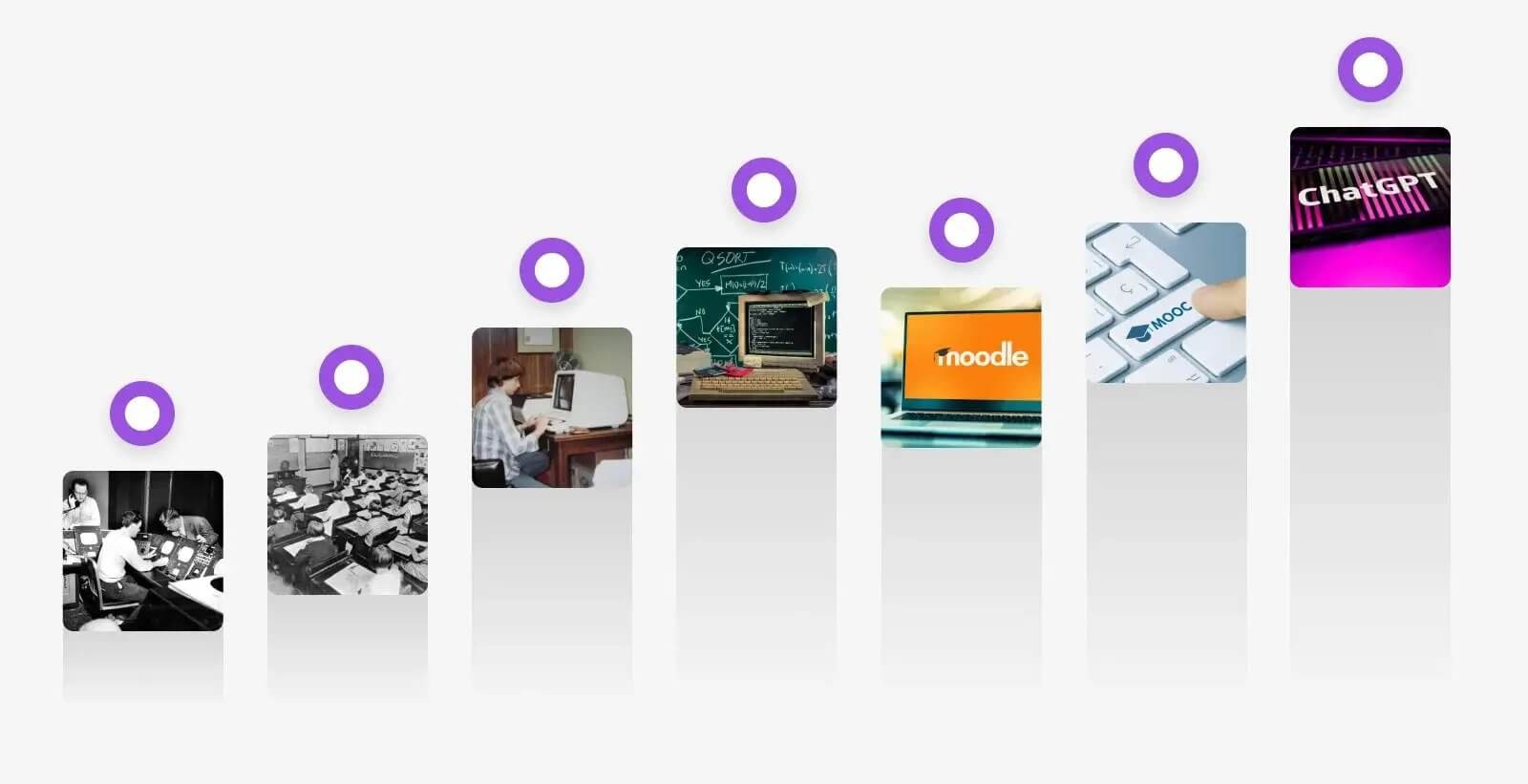

In 2025, literacy coaches are increasingly leveraging artificial intelligence to enhance their coaching strategies. AI-powered tools are being used to analyze student reading patterns, identify areas of struggle, and suggest personalized interventions. These tools can process vast amounts of data from e-books, online reading platforms, and digital assessments to provide coaches with actionable insights.
Literacy coaches are now able to use AI to create customized reading lists for students based on their interests and reading levels. Moreover, AI-driven chatbots are being employed to provide instant feedback and support to students outside of regular coaching sessions. This allows for continuous learning and engagement.
However, the integration of AI in literacy coaching also presents challenges. Coaches need to develop new skills to effectively interpret and apply AI-generated insights. There’s also an ongoing debate about maintaining the human touch in coaching while leveraging technological advancements.
Despite these challenges, the trend towards AI-assisted literacy coaching is expected to grow, with more sophisticated and user-friendly tools becoming available. This shift is likely to result in more efficient, data-driven, and personalized coaching strategies, ultimately benefiting students in their literacy journey.