
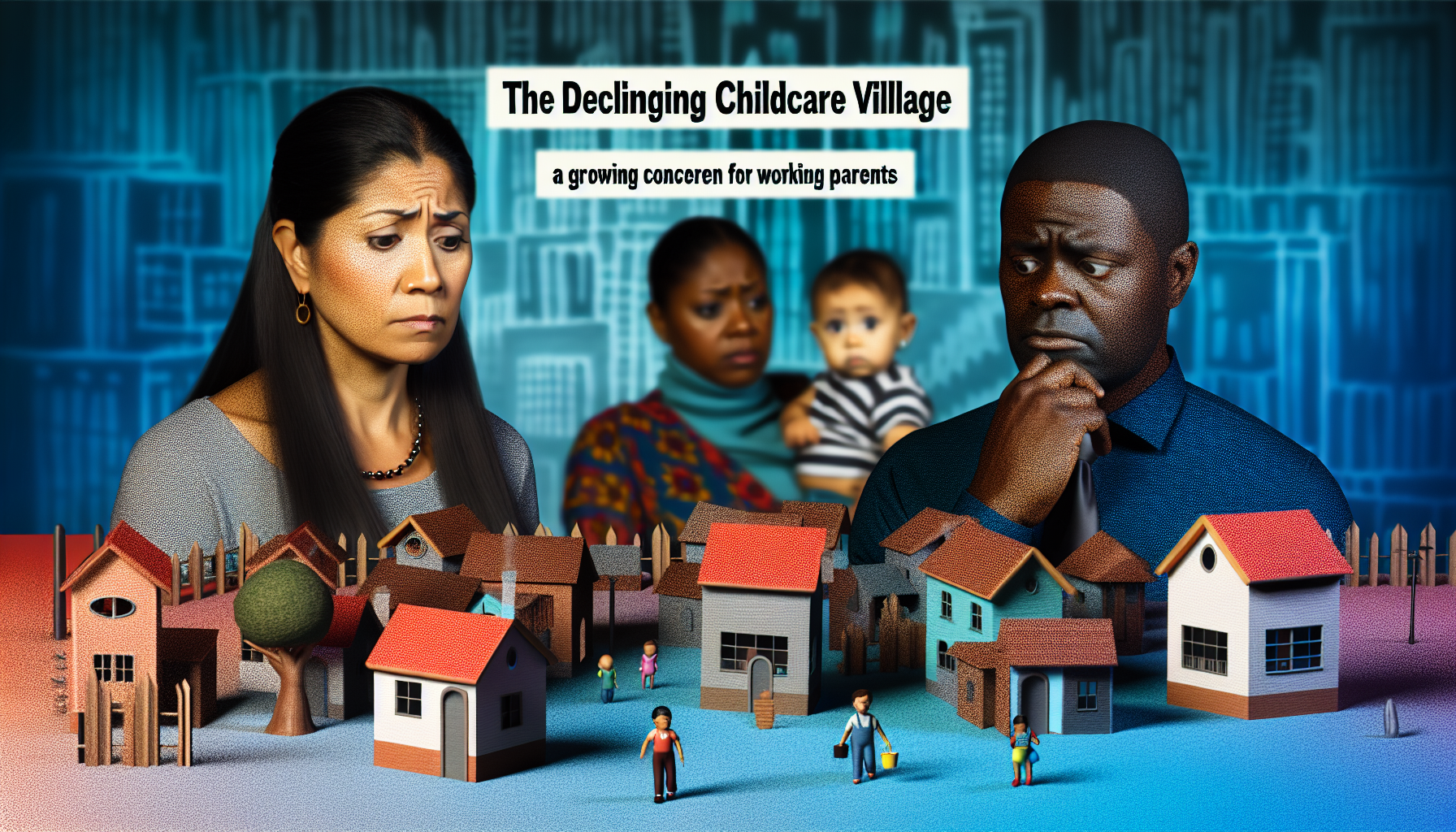

A recent study has surfaced alarming statistics that indicate a significant shift in the support systems available to working parents. According to the findings, a staggering 80% of working parents report that their childcare support network, often referred to as their “village,” is shrinking. This trend not only complicates the delicate balance between career and caregiving but also elevates stress levels among parents striving to meet their familial and professional obligations.
The Shrinking Village: What It Means for Parents
The concept of a “childcare village” traditionally encompasses a network of family members, friends, neighbors, and community resources that help parents manage childcare responsibilities. However, as the study shows, this support system is increasingly under strain. Factors contributing to this decline include geographic mobility, economic pressures, and changing family dynamics, which have left many parents feeling isolated in their caregiving roles.
The Impact of Isolation
This reduction in support networks can lead to heightened stress and burnout among parents. With fewer people available to lend a hand, working parents often find themselves juggling multiple roles without sufficient assistance. The emotional toll of this isolation can manifest in various ways, affecting both mental health and overall family dynamics.
Sandwich Generation: Balancing Multiple Responsibilities
Adding another layer to this challenge is the fact that approximately 25% of parents find themselves in the “sandwich generation”. These individuals are not only responsible for raising their children but also for providing unpaid care for aging relatives. This dual responsibility can exacerbate feelings of being overwhelmed, as they navigate the complexities of both childcare and eldercare.
Burnout Risks on the Rise
With the demands of parenting coupled with eldercare responsibilities, the risk of burnout is significantly heightened. Parents may experience fatigue, anxiety, and even depression as they struggle to meet the needs of both their children and elderly family members. The lack of a robust support system further compounds these challenges, making it crucial for parents to seek out resources and assistance wherever possible.
Employer Involvement: A Call for Change
In light of these challenges, the study reveals that 65% of parents express a desire for greater involvement from their employers. Many parents are advocating for workplace policies that prioritize family needs, including:
- On-site childcare facilities: Providing convenient access to childcare can alleviate some of the stress parents face.
- Backup care services: Employers can offer emergency childcare solutions for parents who face unexpected circumstances.
- Flexible work hours: Allowing parents to alter their work schedules can help them better manage their dual roles.
Stephen Kramer, CEO of Bright Horizons, underscores the necessity of redefining workforce support to cater to the needs of modern families. By implementing policies that acknowledge and support the realities of working parents, employers can play a pivotal role in easing the burdens they face.
The Role of Community in Supporting Parents
While employers have a significant role to play, community initiatives can also help bridge the gap left by a shrinking childcare village. Local governments and organizations can facilitate community-based solutions that provide:
- Parenting workshops: These can offer valuable resources on managing stress and building support networks.
- Family-friendly events: Community gatherings can foster connections among parents, helping them build their own support systems.
- Resource sharing platforms: Online forums or local groups can allow parents to exchange information about childcare options and support services.
By fostering community engagement, parents can begin to rebuild their villages, creating a more supportive environment for themselves and their children.
Conclusion: A Collective Responsibility
The findings of this study highlight a pressing issue that affects many families today. The shrinking childcare village is not merely a personal concern but a societal one that requires collective action. Parents, employers, and communities must work together to create environments that support the diverse needs of families.
As the landscape of work and family continues to evolve, it is imperative that we prioritize the well-being of working parents. By acknowledging the challenges they face and implementing supportive measures, we can help alleviate their burdens and foster a healthier, more balanced approach to parenting.






