
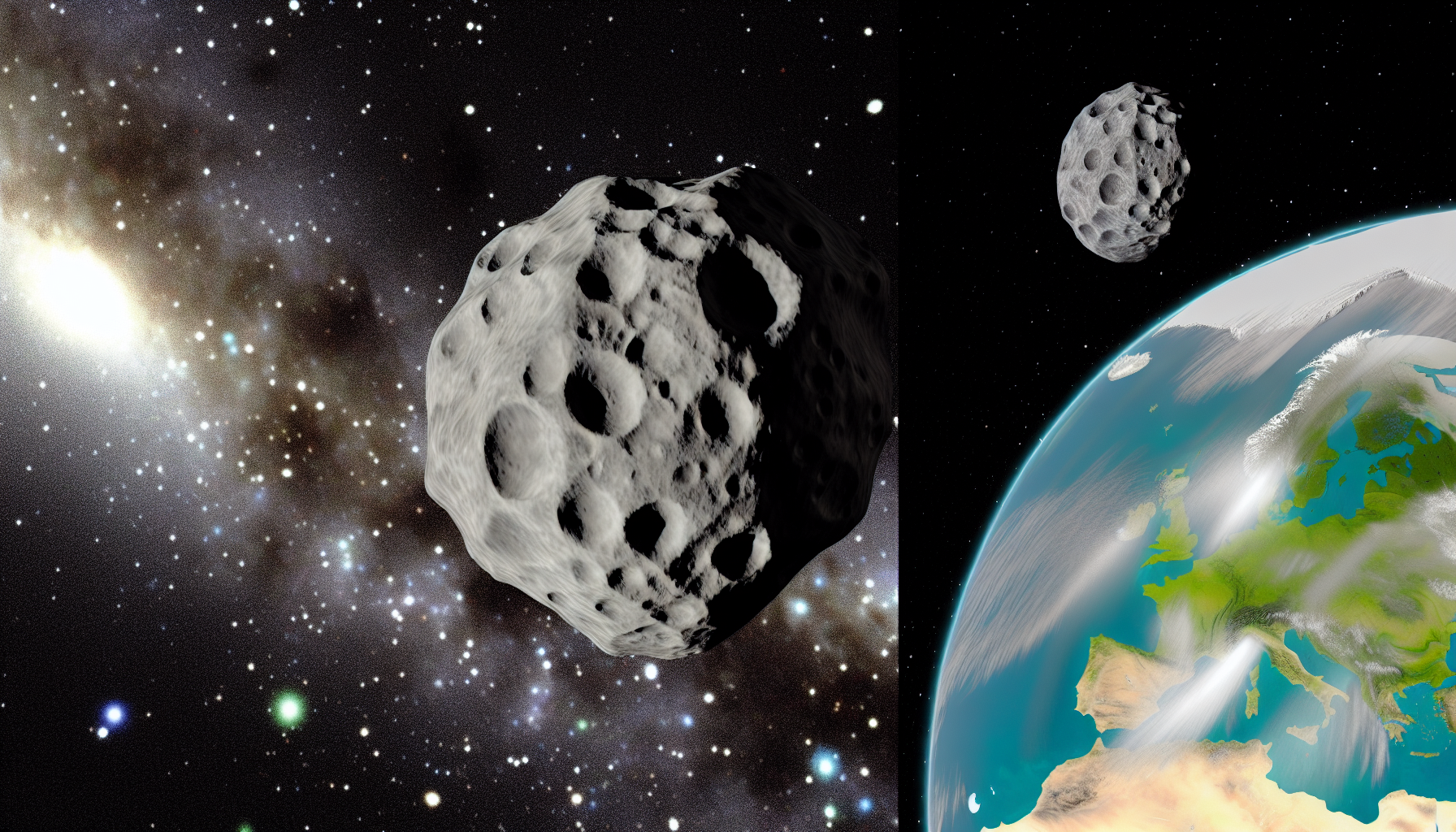

On March 18, 2026, Earth will experience a close encounter with an intriguing visitor from space: an asteroid designated 2026 FB. Measuring approximately 69 feet (21 meters) in diameter, this airplane-sized asteroid is set to make a flyby that, while not classified as potentially hazardous, will nonetheless pique the interest of astronomers and space enthusiasts alike.
NASA’s Tracking of Near-Earth Objects
The flyby of 2026 FB is part of NASA’s ongoing mission to monitor thousands of near-Earth objects (NEOs). These objects, which include asteroids and comets, are tracked meticulously to assess any potential threats they may pose to our planet. While many NEOs are harmless, NASA remains vigilant, ensuring that even those that are not classified as potentially hazardous are closely observed.
Characteristics of Asteroid 2026 FB
Asteroid 2026 FB is approximately the size of a small airplane, making it a relatively modest-sized space rock when compared to other asteroids that have made headlines in the past. Despite its size, the asteroid is significant enough to warrant attention, as it is part of a larger group of space rocks that fly past Earth regularly.
Safe Distance and Scientific Opportunities
According to NASA’s calculations, 2026 FB will pass at a safe distance from Earth, which eliminates any concerns regarding a potential impact. Asteroids of this size typically pass by our planet without causing any damage, primarily due to their safe distances and their modest dimensions. The closest approach of 2026 FB will provide scientists with a valuable opportunity to study the characteristics and behaviors of such asteroids, offering insights into their composition and the dynamics of their orbits.
The Importance of Monitoring Asteroids
Monitoring asteroids like 2026 FB is crucial not only for planetary defense but also for advancing our understanding of the solar system. By tracking the paths and behaviors of NEOs, scientists can gather data that helps to improve models of how these objects interact with Earth’s gravity and atmosphere. This research is vital in preparing for any future encounters with potentially hazardous asteroids.
Asteroids: A Window into the Solar System’s History
Asteroids are considered remnants from the early solar system, offering a glimpse into its formation and evolution. 2026 FB, like many other asteroids, holds clues to the materials that were present during the solar system’s infancy. By studying these objects, scientists can learn more about the processes that shaped our cosmic neighborhood.
Potential for Future Exploration
The close approach of 2026 FB may also stimulate interest in future exploration missions. NASA and other space agencies are increasingly looking at NEOs as potential targets for exploration, both for scientific study and for the possibility of extracting resources. The data collected during the flyby of 2026 FB could help inform future missions aimed at understanding similar asteroids.
Public Interest and Awareness
As the date of the flyby approaches, public interest in asteroid 2026 FB is expected to grow. Educational institutions, planetariums, and space enthusiasts will likely host discussions and events to raise awareness about this close encounter. It provides an excellent opportunity to educate the public about asteroids, their significance, and the importance of monitoring space objects.
How to Engage with the Event
- Participate in Educational Programs: Schools and universities may organize lectures and workshops focusing on asteroids and space exploration.
- Follow NASA Updates: Keep an eye on NASA’s official channels for the latest information regarding the flyby and any public events.
- Engage with Local Astronomy Clubs: Joining local clubs can provide hands-on experience and the chance to observe the night sky alongside experts.
Conclusion: The Future of NEO Monitoring
The flyby of asteroid 2026 FB serves as a reminder of the dynamic nature of our solar system and the importance of continued vigilance in monitoring near-Earth objects. While there is no threat posed by this particular asteroid, its passage provides a valuable opportunity for scientific discovery and public engagement. As we look to the future, the ongoing study of asteroids will enhance our understanding of space and our place within it.
As we prepare for this celestial event, the excitement surrounding 2026 FB underscores the importance of space exploration and the role that each of us can play in fostering a greater understanding of our universe.






