
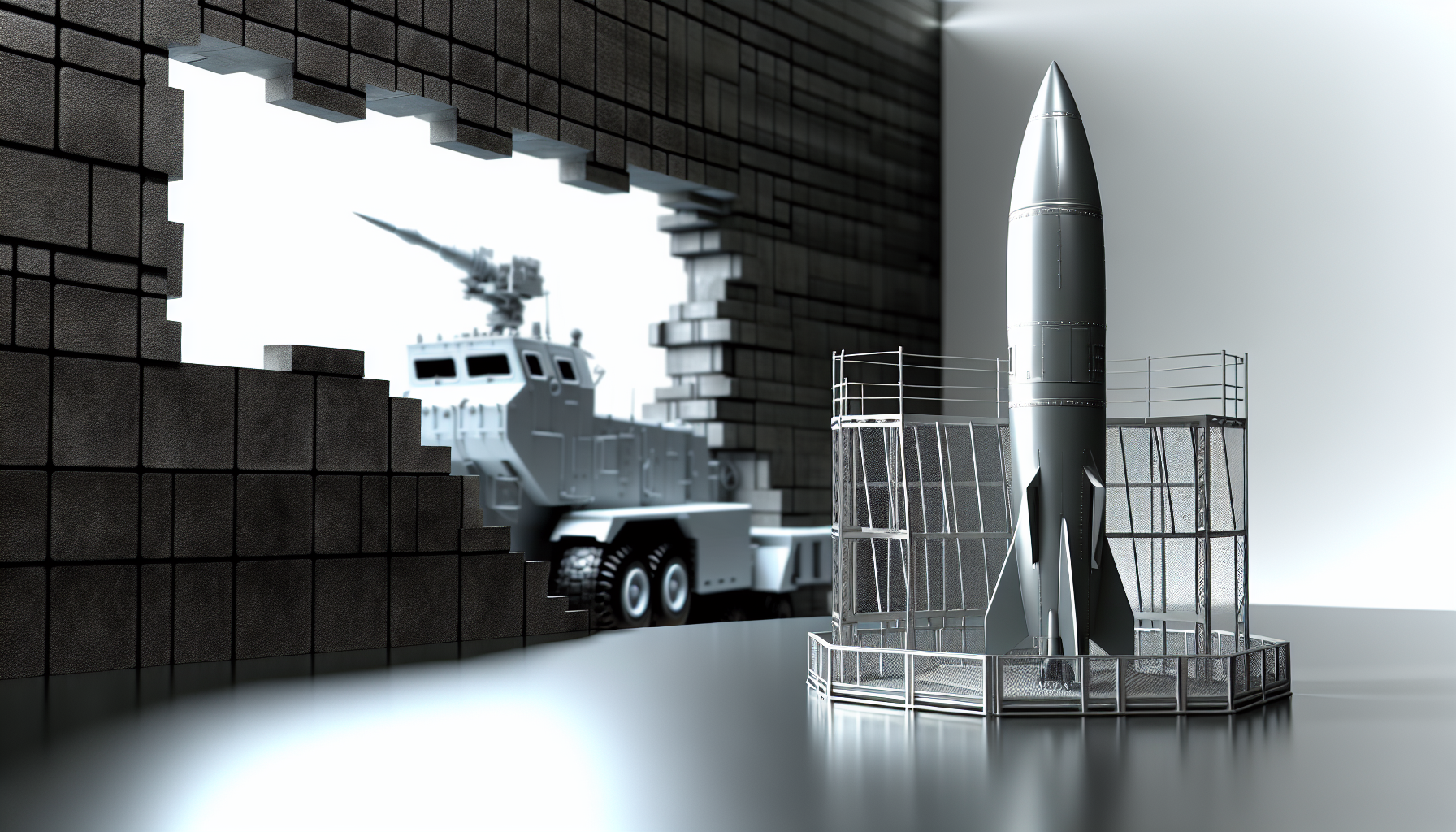

In a surprising turn of events, recent developments suggest that Iran may have tested its missile capabilities using technology from its Simorgh space-launch vehicle, potentially extending the range of its weaponry to alarming new distances. This situation has heightened concerns within the U.S. defense community, particularly regarding the security of strategic assets located on Diego Garcia, a key military base in the Indian Ocean.
Iran’s Long-Range Strike: A New Era of Threats
Reports indicate that Iran’s latest missile strike, allegedly targeting Diego Garcia, has raised eyebrows among defense analysts and officials, as it is believed to utilize technology that was initially developed for civilian space exploration. The concerns are particularly acute given that while Iran has officially stated its missile range capabilities to be around 2,000 kilometers, this recent strike suggests that the range could extend to approximately 4,000 kilometers.
The Technology Behind the Strike
The Simorgh vehicle, which is part of Iran’s space program, has been at the center of scrutiny for its dual-use capabilities. The technology used in launching satellites into space can also be adapted for military purposes, particularly in the development of long-range ballistic missiles. Analysts have pointed out that while the accuracy of the missiles may be reduced, the expanded range represents a significant strategic threat to U.S. interests in the region.
Strategic Implications for the U.S.
The implications of this development are profound. The United States has maintained a strong military presence in the Indian Ocean, with Diego Garcia serving as a crucial operational hub for both surveillance and strike capabilities. The potential for missiles to reach this base now places American military assets at risk, prompting a reassessment of defense strategies in the region.
Regional Security Concerns
As tensions continue to escalate between the U.S. and Iran, Washington and its allies, including London, are increasingly concerned about the evolving military landscape. The overlap between civilian space technology and military applications poses a unique challenge for international security. With Iran’s demonstrated capabilities, the notion that “no place is safe” could become a new reality in the geopolitical arena.
International Response and Reassessments
In light of these developments, both U.S. and allied defense forces are likely to reevaluate their military stances in the region. This could involve:
- Enhanced surveillance measures to monitor Iranian missile tests.
- Increased collaboration with regional partners to bolster defense capabilities.
- Potential deployment of additional military assets to counteract the emerging threats.
The significance of these reassessments cannot be overstated, as they highlight the precarious balance of power in the Middle East and surrounding regions.
Geopolitical Tensions on the Rise
The test of this advanced missile technology is not merely a technical achievement for Iran; it is a clear signal of defiance against the West. As the Iranian government continues to push the boundaries of its military capabilities, it is also testing the resolve of the U.S. and its allies. The potential for miscalculation or escalation in the region is a pressing concern, underscoring the need for vigilant diplomacy and strategic planning.
Looking Ahead: The Future of Missile Technology in Iran
As Iran progresses in its military technology, the international community must grapple with the implications of its dual-use capabilities. The integration of space technology into military applications not only complicates existing treaties and agreements but also raises questions about the effectiveness of current non-proliferation efforts.
Moving forward, it will be critical for U.S. officials to engage in dialogue with allies and adversaries alike to address these emerging threats. The intertwining of civilian and military technologies in Iran could set a precedent for other nations, which may also seek to leverage similar capabilities.
Conclusion: A Call for Vigilance
The recent developments regarding Iran’s missile technology underscore the urgent need for a coordinated response from the international community. As missile ranges extend and the accuracy of these weapons evolves, the risks associated with regional conflicts increase exponentially. Vigilance, strategic foresight, and diplomatic engagement will be essential to navigate this complex landscape and ensure that the security of U.S. bases and allies in the region is not compromised.






