
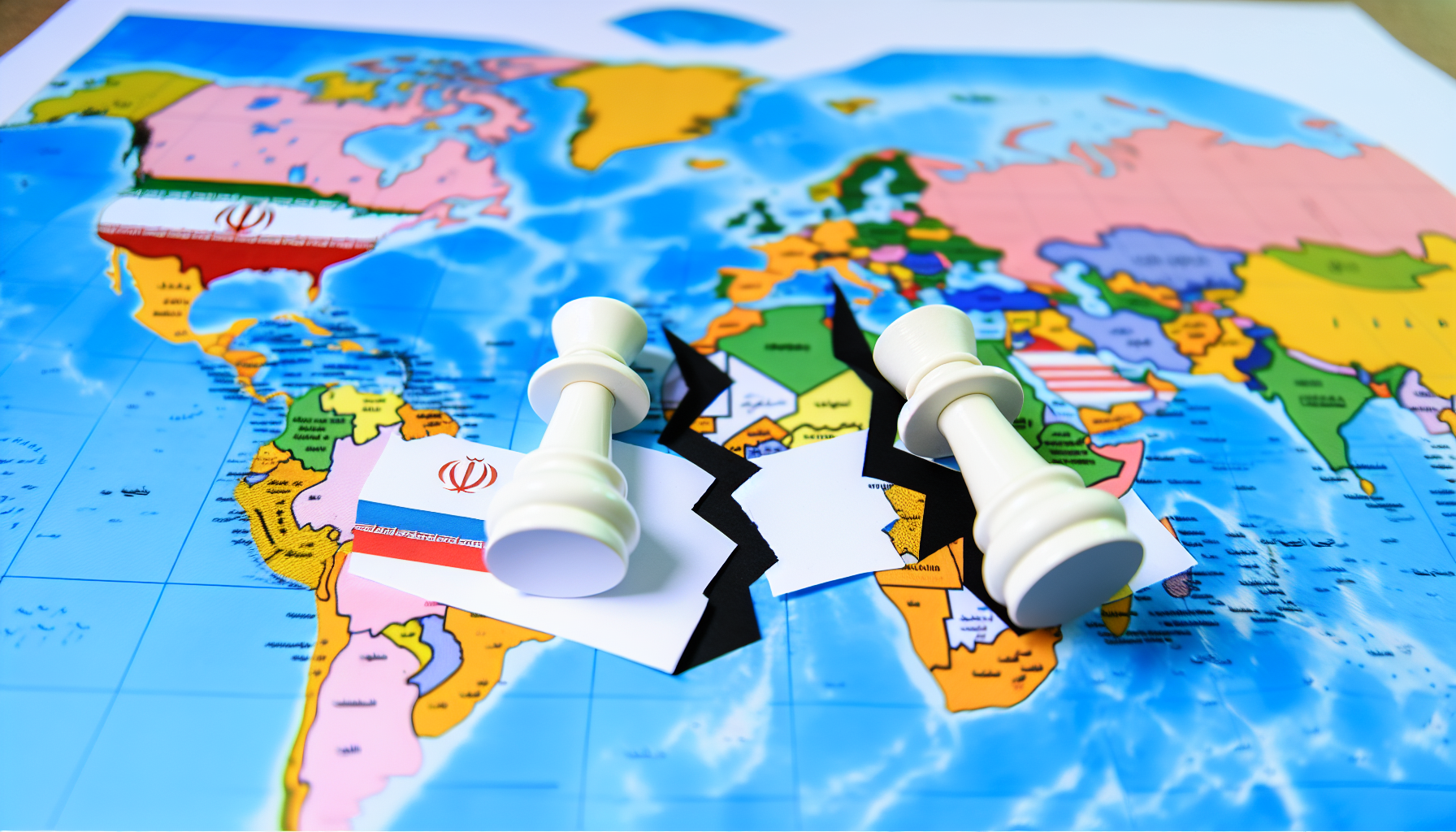

The geopolitical landscape in the Middle East is once again under intense scrutiny as President Donald Trump recently announced direct and indirect meetings between the United States and Iran. With Iran’s newly appointed leaders being described as ‘very reasonable,’ hopes for a diplomatic resolution are cautiously emerging. This comes at a time when Pakistan is preparing to host significant talks aimed at ending a month-long war that has escalated tensions in the region.
Escalation of Conflict
Over the past few days, the conflict has dramatically intensified, with the United States launching more than 140 air strikes across central and western Iran. These strikes, which occurred within a 24-hour period leading up to Sunday evening, were primarily aimed at ballistic missile launch sites and storage facilities. The U.S. military’s aggressive stance signifies a shift in strategy that has raised concerns about the potential for further military escalation.
Adding to the complexity of the situation, Iran-aligned Houthis from Yemen joined the fray on Saturday, launching their inaugural attacks on Israel. This development not only broadens the scope of the conflict but also indicates a potential regional alliance that could complicate any future peace negotiations.
Diplomatic Efforts Amidst Hostilities
Despite the ongoing military actions, President Trump expressed a sense of optimism regarding the potential for a diplomatic resolution. He stated that both direct and indirect negotiations are underway, suggesting a multifaceted approach to finding common ground with Iran’s new leadership. Trump highlighted his belief that the U.S. has already achieved a form of regime change in Tehran, following targeted strikes that resulted in the death of the country’s supreme leader and several high-ranking officials.
Trump’s assertion of having ‘accomplished regime change’ raises critical questions about the future of Iranian governance and the stability of the region. The U.S. has historically been involved in destabilizing regimes that oppose its interests, but the ramifications of such actions often lead to unintended consequences, including prolonged conflict and humanitarian crises.
Domestic Reactions and Public Opinion
Back in the United States, public sentiment appears to be largely against the war. A significant majority of Americans have voiced their opposition to the ongoing military operations, reflecting concerns not only about the human cost of war but also the economic implications for the Iranian populace. Many fear that the escalating conflict could exacerbate economic pressure on Tehran, potentially leading to further unrest.
Moreover, the timing of the conflict adds another layer of complexity as the nation approaches the November midterm elections. With public opinion swaying against the war, Trump and his administration may face mounting pressure to justify their military actions and seek a viable end to hostilities.
Accusations of Ground Invasion Plans
The Iranian parliament speaker has accused the U.S. of planning a ground invasion, claiming that the U.S. is sending mixed messages by simultaneously engaging in negotiations while executing military strikes. This accusation underscores the distrust that permeates the negotiations and highlights the challenge of achieving a lasting peace.
As talks are set to take place in Pakistan, the international community watches closely. The outcome of these negotiations could have far-reaching implications not only for U.S.-Iran relations but also for regional stability in the Middle East.
The Role of Pakistan in Peace Talks
Pakistan has positioned itself as a potential mediator in the ongoing conflict, which reflects its strategic importance in the region. The country’s historical ties with both Iran and the United States place it in a unique position to facilitate dialogue. As the host of these critical discussions, Pakistan’s role could be pivotal in navigating the complexities of the negotiations.
However, the success of these talks will depend on the willingness of both parties to compromise and engage in genuine dialogue. The United States must balance its military objectives with diplomatic aspirations, while Iran needs to address its own internal pressures and external threats.
Looking Ahead: Challenges and Opportunities
The current state of affairs presents both challenges and opportunities. The U.S. military’s aggressive strategy may lead to immediate gains, but the long-term consequences could be detrimental to both American interests and regional stability. Conversely, successful negotiations could pave the way for a more stable Middle East, reducing the likelihood of further conflict.
As the situation unfolds, it is crucial for both the U.S. and Iran to prioritize dialogue over military engagement. The implications of this conflict extend beyond the borders of the two nations, affecting global politics and economic stability. International observers and stakeholders must remain vigilant as these developments progress, advocating for peaceful resolutions that prioritize human dignity and regional prosperity.
Conclusion
The evolving conflict between the U.S. and Iran represents a critical juncture in international relations. With ongoing air strikes, the involvement of regional actors, and the potential for diplomatic solutions, the coming weeks will be decisive in determining the future trajectory of peace in the Middle East. As public opinion shifts and political landscapes change, the need for careful navigation through this tumultuous period has never been more pressing.






