
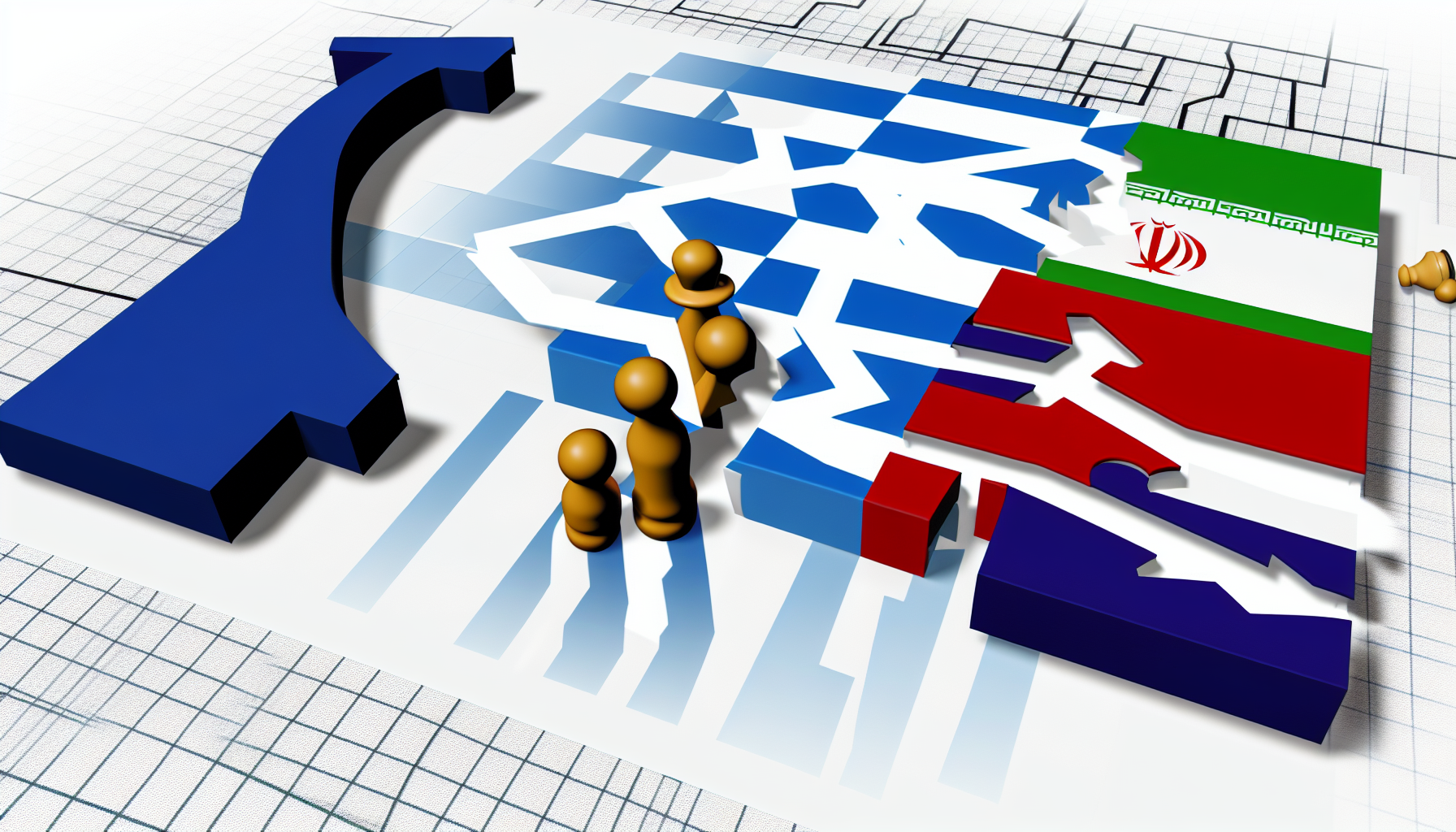

The ongoing conflict in Iran has not only dominated international headlines but has also intensified fractures within the Republican Party. President Donald Trump’s recent strategies aimed at exiting the war—marked by aggressive threats and an unstable ceasefire—have only served to highlight and deepen these divisions. As the war enters its seventh week, the implications of Trump’s approach are reverberating through the party, revealing a rift that may influence the upcoming midterm elections.
Trump’s Escalating Rhetoric and Its Fallout
In a concerning escalation, President Trump issued stark warnings regarding the potential consequences of failing to secure a deal in the ongoing conflict. His statement that a “whole civilization will die tonight” without a ceasefire has drawn sharp criticism, even from those within his own party. Notably, former Representative Marjorie Taylor Greene, a prominent Trump supporter, has publicly called for his removal under the 25th Amendment, suggesting that the president’s handling of the situation is dangerously erratic.
The Growing Divide Among Republicans
This intra-party conflict is not a new phenomenon; it has been brewing since the onset of the war. Trump’s combative tactics have alienated some Republicans who are uncomfortable with his aggressive foreign policy stance. Greene’s call for the 25th Amendment is particularly telling, as it underscores the lack of consensus among Republicans regarding Trump’s leadership and decision-making capabilities.
As the Republican Party grapples with these internal tensions, the upcoming midterm elections are poised to serve as a critical litmus test for party unity and voter sentiment. Recent electoral outcomes suggest that the party’s traditional stronghold may be weakening.
Midterm Election Implications
Recent special elections have revealed troubling trends for Republicans. In a notable upset, Clay Fuller won Greene’s former district by a margin of 12 percentage points. This represents a significant drop from Greene’s 29-point victory just two years ago, highlighting a potential shift in voter allegiance. Similarly, the Democratic-backed candidate’s decisive victory in Wisconsin’s Supreme Court race, where the liberal majority expanded by double digits, reflects a growing discontent that could spell trouble for Republicans in the upcoming midterms.
Voter Sentiment and Party Image
These election results suggest that Republican voters may be increasingly disillusioned with Trump’s leadership style, particularly as the war in Iran continues to drag on without a clear resolution. The party’s image is at stake, and the divisions exposed by Trump’s foreign policy decisions could hinder efforts to unify ahead of the elections.
- Declining Support: The drop in Greene’s district margin indicates a potential decline in support for Trump-aligned candidates.
- Democratic Gains: The significant victories for Democrats in traditionally Republican areas signal a shift in voter priorities.
- Internal Disputes: The public disagreements among Republican leaders further complicate the party’s ability to present a united front.
Looking Ahead: The Road to Recovery
As the Republican Party navigates these turbulent waters, the question remains: how can they restore unity and regain voter trust? The path forward will likely involve addressing the growing concerns among constituents about Trump’s handling of foreign policy and the broader implications of his rhetoric.
Strategies for Reconciliation
To mend the fractures within the party, Republican leaders may need to consider several strategies:
- Open Dialogue: Encouraging open discussions about policy direction and leadership could help bridge the divide.
- Focus on Local Issues: Shifting the focus from national party politics to local concerns may resonate better with voters.
- Reassess Leadership: Critically evaluating the party’s leadership and its alignment with voter values could be essential for regaining support.
Ultimately, the Republican Party stands at a crossroads. The outcome of the ongoing conflict in Iran, combined with Trump’s precarious exit strategy, could significantly shape the party’s future. With midterm elections on the horizon, party leaders must act quickly to resolve internal tensions and present a cohesive message to voters.
Conclusion
The discord within the Republican Party, exacerbated by Trump’s controversial Iran exit plan, poses a significant challenge as they head toward the midterm elections. With voter sentiment shifting and electoral losses mounting, the party must confront its divisions head-on. Whether they can successfully navigate these turbulent waters remains to be seen, but the stakes have never been higher for a party in search of unity and direction.






