
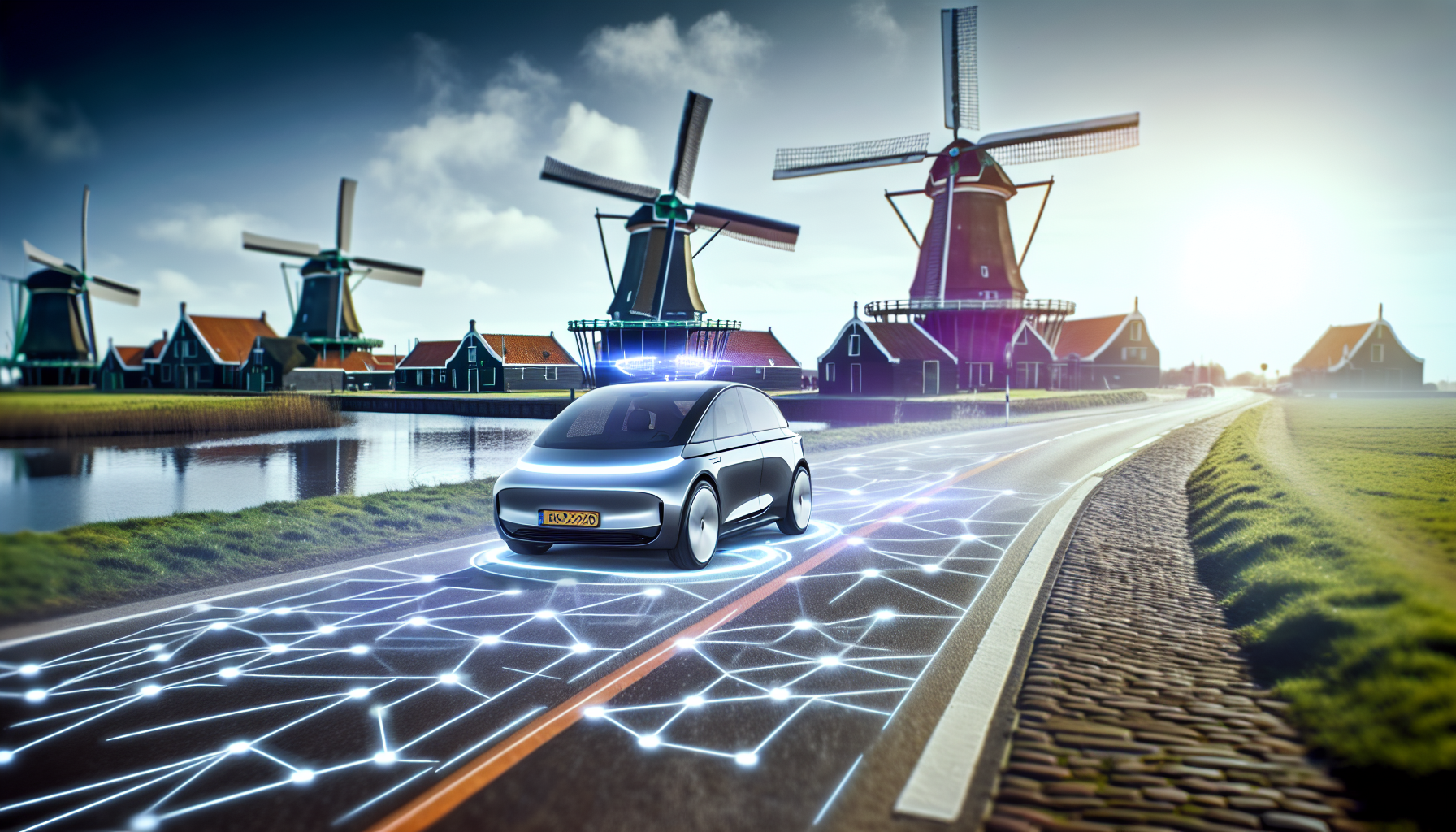

Tesla’s groundbreaking journey in the realm of autonomous driving took a significant leap forward on April 11, 2026, as Dutch regulators granted approval for the company’s supervised self-driving software. This landmark decision makes the Netherlands the first country in Europe to allow Tesla’s advanced driving technology to operate on both highways and city streets, heralding a new era for electric vehicles in the region.
A Pioneering Approval in the European Market
The approval from Dutch authorities is particularly noteworthy as it sets a precedent for other countries within the European Union. Tesla, known for its innovation and focus on autonomous driving capabilities, aims to leverage this regulatory success to inspire similar measures across the EU. This could potentially accelerate the adoption of self-driving technologies in a market that is becoming increasingly competitive.
The Role of Human Supervision
While the approval marks a pivotal moment for Tesla, it comes with the stipulation that human supervision is required during the operation of the self-driving software. This safety measure is designed to ensure that drivers remain engaged and ready to take control of the vehicle at any moment. The emphasis on human oversight reflects a cautious approach by regulators, balancing the excitement of technological advancement with the need for public safety.
The Significance of Tesla’s Supervised Self-Driving Technology
Tesla’s supervised self-driving software is part of the company’s broader strategy to advance its Full Self-Driving (FSD) capabilities. By integrating advanced algorithms and machine learning, Tesla vehicles equipped with this software can navigate complex environments, including busy urban areas and highways. The features included in this software range from automated lane changes to adaptive traffic control, showcasing the potential for a transformative shift in how people travel.
Implications for the European Automotive Landscape
The approval in the Netherlands is not just a win for Tesla; it represents a significant development for the entire European automotive landscape. As electric vehicles (EVs) gain traction, the push for autonomous driving capabilities has become a key focus for many manufacturers. Other companies are likely to take note of the Dutch decision and may seek to follow suit, further intensifying competition in the EV market.
Challenges Ahead for Tesla
Despite this achievement, Tesla faces various challenges as it navigates the complexities of European regulations. Each country within the EU has its own regulatory framework regarding autonomous driving, and achieving uniformity could be a daunting task. Furthermore, public sentiment regarding self-driving technology remains mixed, with concerns about safety and the reliability of such systems often at the forefront of discussions.
Public Perception and Safety Concerns
Safety remains a critical issue as Tesla rolls out its supervised self-driving software. The company has faced scrutiny in the past regarding accidents involving its vehicles while operating in autonomous modes. Therefore, addressing public concerns and ensuring a transparent approach to safety will be essential for Tesla as it expands its operations in Europe.
- Public Education: Tesla must invest in educating the public about the capabilities and limitations of its self-driving technology to build trust.
- Continuous Improvement: The company needs to continuously refine its software based on user feedback and real-world data to enhance safety.
- Regulatory Engagement: Ongoing communication with European regulators will be crucial for navigating the complex landscape of autonomous driving laws.
Future Prospects for Tesla in Europe
Tesla’s approval in the Netherlands is just the beginning of what could be a robust expansion of self-driving technologies across Europe. With the EU’s commitment to reducing carbon emissions and promoting sustainable transportation, the demand for electric vehicles with autonomous driving capabilities is expected to grow. As Tesla continues to innovate and refine its technology, its ability to meet regulatory requirements will play a vital role in its success.
Potential for Expansion
As other European nations observe the developments in the Netherlands, they may be encouraged to consider similar regulations. This could lead to a domino effect, where multiple countries begin to approve autonomous driving technologies, ultimately enhancing the overall infrastructure for EVs throughout the continent. Tesla’s proactive approach toward regulatory compliance will be instrumental in shaping its future in these markets.
Conclusion: A New Chapter for Tesla and Autonomous Driving in Europe
The approval of Tesla’s supervised self-driving software in the Netherlands marks a crucial milestone not only for the company but for the future of autonomous driving in Europe. While challenges persist, the potential for growth and innovation remains vast. As Tesla continues to navigate the regulatory landscape and address public concerns, it stands poised to lead the charge toward a new era of transportation that could redefine mobility as we know it.






