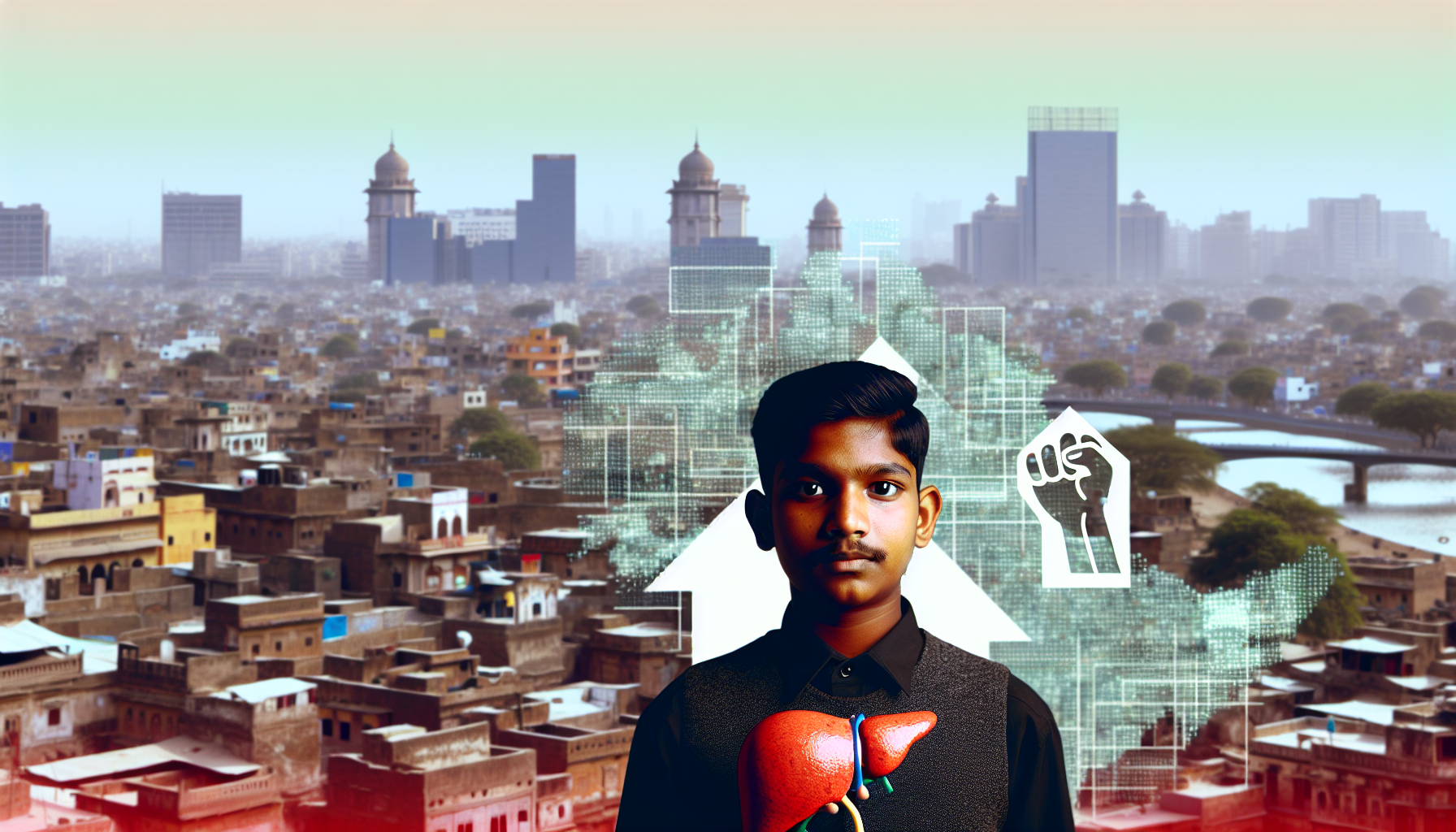

World Liver Day 2026 has illuminated a pressing health crisis in India, with experts sounding the alarm on a ‘silent epidemic’ of liver disease that is increasingly affecting younger populations, particularly women and residents of smaller cities. The annual observance, which falls on April 19, serves as a reminder of the growing prevalence of liver-related illnesses that have doubled in incidence and treatment costs over the past three years.
Understanding the Epidemic
According to health professionals, liver disease is no longer confined to older adults or urban areas; instead, it is spreading rapidly among the youth, especially in Tier 2 and Tier 3 cities. The increasing rates of liver ailments among young Indians are alarming, with experts reporting a 5-10% annual rise in cases attributed to several lifestyle factors. This trend poses significant public health challenges, as many young patients are often diagnosed late, leading to poorer health outcomes.
Key Statistics and Trends
- Doubling of Cases: The number of liver disease cases in India has doubled in just three years.
- Financial Burden: Treatment costs for liver diseases have also doubled, creating an economic strain on families.
- Age Demographics: Young adults, particularly those aged 18-30, are increasingly affected.
- Geographical Spread: An alarming rise in cases has been noted in Tier 2 and Tier 3 cities, not just in metropolitan areas.
- Annual Growth Rate: Claims related to liver disease are increasing by 10-15% each year.
The Underlying Causes
Experts attribute the rising incidence of liver disease to several lifestyle factors that have become prevalent among the youth. These factors include:
- Unhealthy Diets: Increasing consumption of fast food, sugary beverages, and processed foods has led to poor nutrition.
- Sedentary Lifestyles: A shift towards more sedentary activities, including excessive screen time, has reduced physical activity levels.
- Obesity: The correlation between liver disease and obesity is well-documented, with rising obesity rates among young Indians posing a significant risk.
- Metabolic Risks: Conditions such as diabetes and hypertension, which are becoming more common in younger populations, are contributing to liver complications.
The Impact on Women and Vulnerable Populations
While liver disease is affecting all demographics, women and vulnerable populations in smaller cities are experiencing a disproportionate impact. The shift in dietary habits and the increased stress of balancing work and family responsibilities have resulted in higher susceptibility to liver conditions among women. Moreover, access to healthcare and timely diagnoses are often more challenging for those living outside major urban centers.
Late Diagnoses and Challenges
Many young individuals do not recognize the symptoms of liver disease until it is too late. Late diagnoses are often attributed to:
- Lack of Awareness: There is limited public knowledge about liver health and the early signs of liver disease.
- Stigma: Social stigmas surrounding certain lifestyle choices (such as alcohol consumption) can prevent individuals from seeking help.
- Healthcare Accessibility: Limited access to healthcare facilities in rural and semi-urban areas hinders early intervention.
Economic Implications
The doubling of treatment costs for liver diseases not only places a burden on families but also on the healthcare system at large. As more young individuals fall ill, the economic implications can be profound:
- Family Financial Strain: The high costs of treatment can lead to financial distress for families, affecting their overall quality of life.
- Workforce Impact: A rise in health issues among the youth can lead to decreased productivity and increased absenteeism in the workforce.
- Burden on Healthcare Services: As cases increase, healthcare providers may struggle to meet the rising demand for liver disease treatment.
Preventive Measures and Recommendations
In light of these alarming trends, experts are advocating for comprehensive preventive measures to combat the rise of liver diseases among young Indians. Key recommendations include:
- Early Screening: Regular health check-ups that include liver function tests can help in early identification of potential issues.
- Lifestyle Modifications: Encouraging healthier dietary choices, increased physical activity, and weight management can mitigate risks.
- Public Health Campaigns: Initiatives aimed at raising awareness about liver health and disease prevention should be prioritized.
- Community Support Programs: Establishing community-based programs to educate and support individuals in making healthier choices can be effective.
Conclusion
As we approach World Liver Day 2026, it is crucial to recognize the growing threat posed by liver disease among young Indians. The silent epidemic demands immediate attention from health authorities, policymakers, and communities alike. With the right awareness, education, and preventive measures, we can help curb this alarming trend and promote healthier futures for the youth of India.
By fostering a culture that prioritizes liver health, we can not only improve individual well-being but also contribute to a healthier, more productive society. The time to act is now; the health of our future generations depends on it.