
Introduction
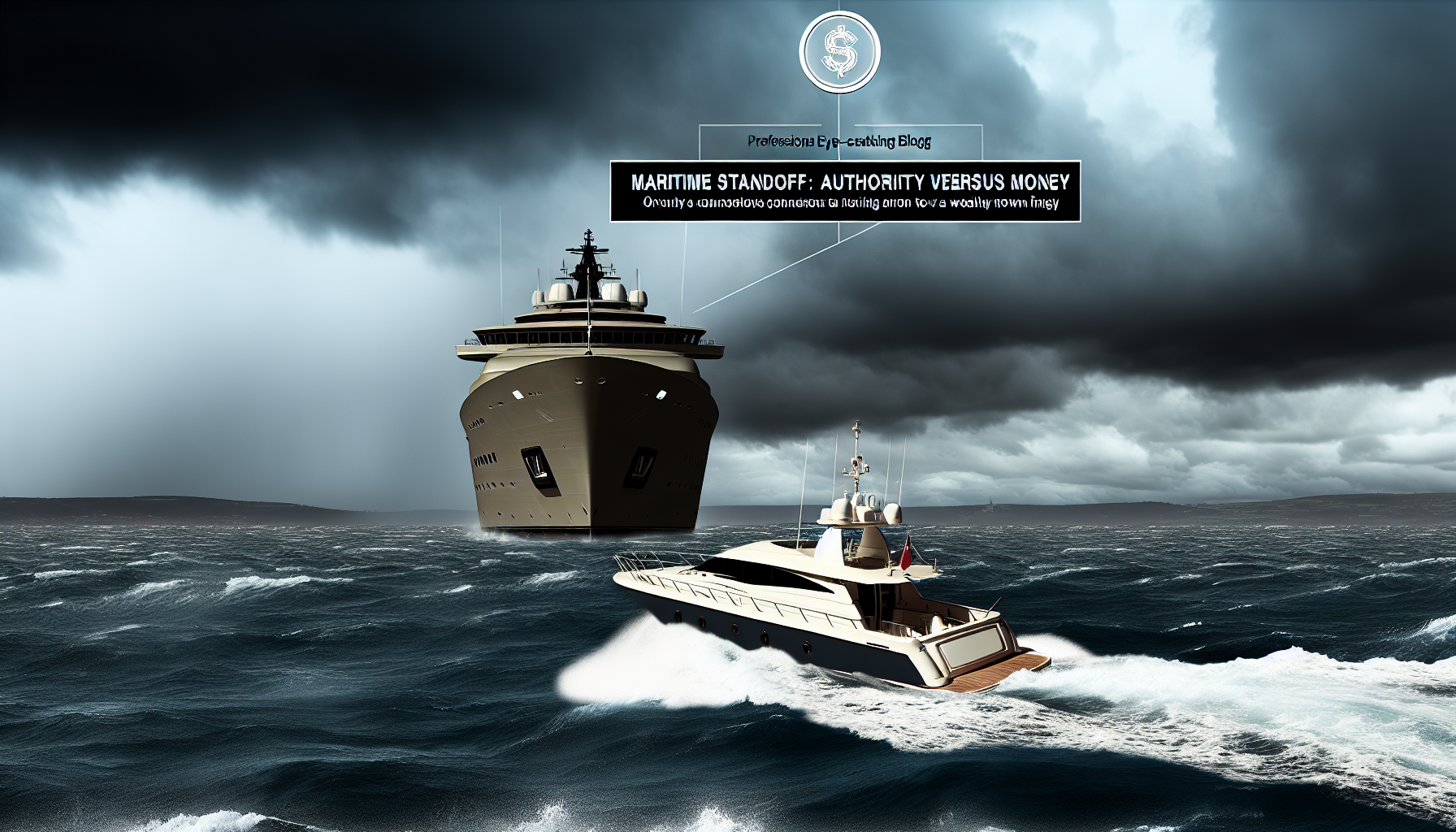
In a dramatic escalation of tensions in the Persian Gulf, Iran’s Islamic Revolutionary Guard Corps (IRGC) has seized a vessel associated with billionaire Gianluigi Aponte’s Mediterranean Shipping Company (MSC). This bold move, executed in the strategic Strait of Hormuz, is perceived as a direct response to recent actions taken by the United States, marking a significant moment in the ongoing maritime standoff that threatens global trade routes and escalates geopolitical tensions.
The Incident in the Strait of Hormuz
The incident unfolded when armed forces from the IRGC boarded and seized the vessel, which is reportedly linked to Aponte’s shipping empire, one of the largest in the world. The vessel was subsequently redirected towards Bandar Abbas, one of Iran’s key ports. The crew members, who remain onboard, are currently under the watchful eyes of Iranian authorities as negotiations continue.
Background on Gianluigi Aponte
Gianluigi Aponte, the founder of MSC, has established a significant presence in the global shipping industry. His company operates a fleet of over 600 vessels, making it a major player in maritime logistics and trade. Aponte has cultivated connections with high-profile figures, including former U.S. President Donald Trump and French President Emmanuel Macron. This connection has raised eyebrows, particularly in light of the geopolitical implications of the IRGC’s actions.
Political Context
The seizure of the vessel is widely interpreted as a tit-for-tat response to U.S. sanctions and military maneuvers in the region. The Strait of Hormuz is a critical chokepoint through which approximately 20% of the world’s oil passes. As such, it holds immense strategic importance, making any disruption in the area a matter of global concern.
U.S.-Iran Relations and Military Presence
Relations between the U.S. and Iran have been fraught with tension, particularly since the U.S. withdrew from the Joint Comprehensive Plan of Action (JCPOA) in 2018 and reinstated stringent sanctions. The U.S. has maintained a military presence in the Gulf region, aiming to deter Iranian aggression and ensure the security of maritime trade routes. This recent incident highlights the precarious nature of these relations, as both sides engage in a high-stakes game of brinkmanship.
Global Implications of the Seizure
The seizure of Aponte’s vessel poses significant risks to global trade and economic stability. Analysts warn that Iran’s actions could provoke a broader military response from the U.S. and its allies, further complicating an already volatile situation. The potential for conflict in the Strait of Hormuz raises fears of increased shipping insurance costs, disruptions in oil supply, and overall economic fallout.
Impact on Shipping and Trade
The maritime shipping industry is already grappling with challenges stemming from the COVID-19 pandemic and subsequent supply chain disruptions. The seizure of a vessel linked to a prominent shipping magnate could exacerbate these issues, potentially leading to increased shipping costs and delays. Trade routes that pass through the Strait of Hormuz may see heightened security measures, impacting the flow of goods.
- Increased Shipping Costs: The uncertainty surrounding the safety of vessels in the region could lead to a surge in shipping insurance premiums.
- Supply Chain Disruptions: The maritime logistics network may experience delays, impacting global supply chains.
- Economic Fallout: Countries reliant on oil imports may face higher costs, potentially leading to inflationary pressures.
Geopolitical Fallout in the Middle East
The seizure also has broader implications for geopolitical dynamics in the Middle East. Iran’s assertive actions could embolden its regional allies and adversaries alike, prompting a reevaluation of national security strategies among Gulf states. Tensions between Iran and Saudi Arabia, as well as other Gulf Cooperation Council (GCC) nations, have the potential to escalate in response to this maritime incident.
Potential Responses from the United States
In light of these developments, the U.S. government is faced with critical decisions regarding its military posture in the region. Options may include:
- Increased Military Presence: Deploying additional naval assets to the region to deter further Iranian aggression.
- Diplomatic Engagement: Seeking to engage in dialogue with Iran to de-escalate tensions and address maritime security concerns.
- Coalition Building: Working with allies to establish a coordinated response to protect shipping routes and deter future seizures.
Conclusion
The seizure of the vessel linked to Gianluigi Aponte by Iran’s IRGC underscores the precarious state of maritime security in the Strait of Hormuz. As tensions escalate between the U.S. and Iran, the implications for global trade and regional stability are profound. The world watches closely as negotiations unfold, and the potential for further escalation looms large over the already fragile geopolitical landscape of the Middle East.