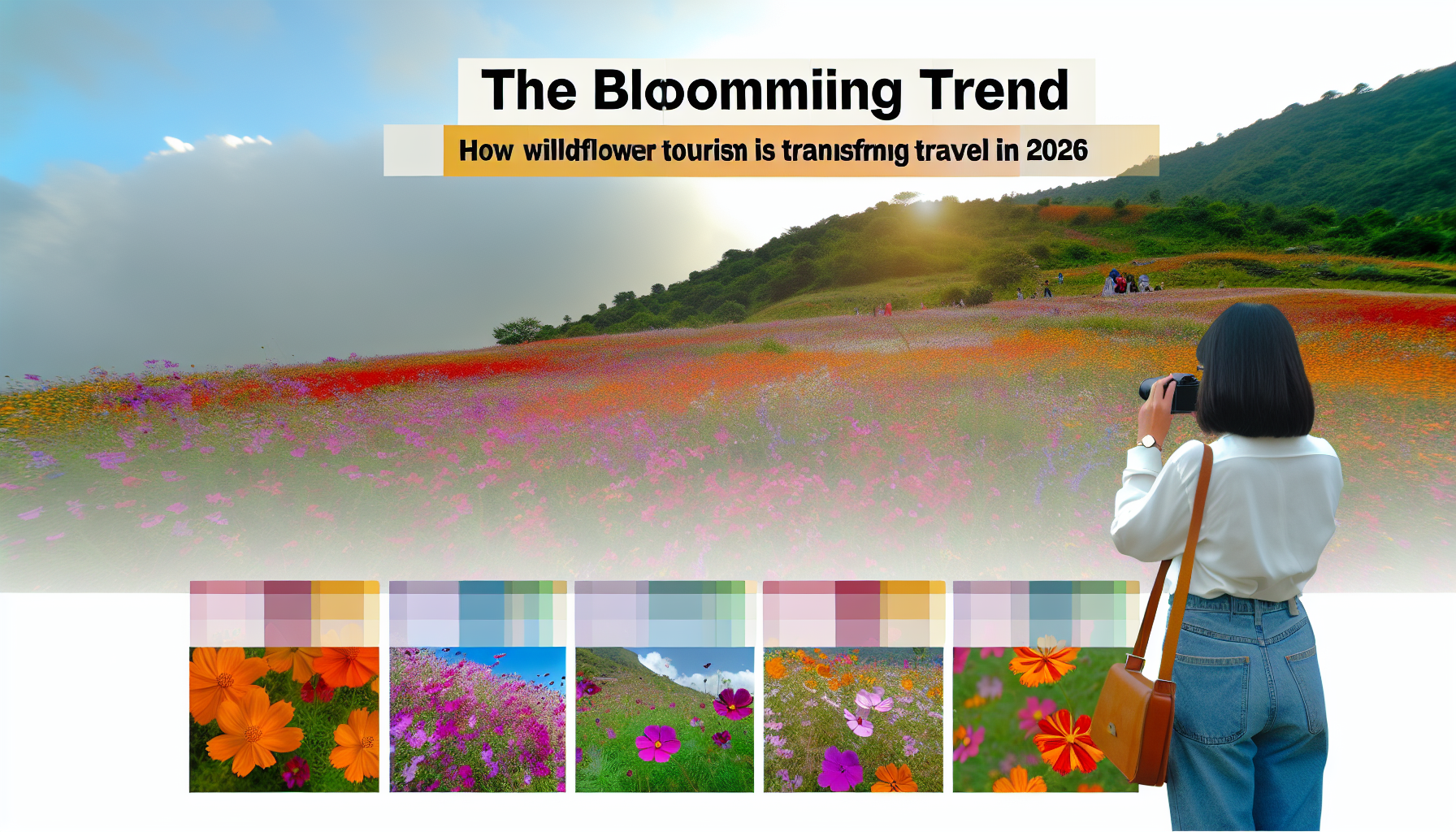

In a world increasingly characterized by geopolitical tensions and uncertainty, a new trend in travel is blossoming—wildflower tourism. As we enter 2026, destinations renowned for their stunning floral displays are witnessing an influx of visitors eager to escape the pressures of modern life. This growing phenomenon not only highlights the beauty of nature but also plays a crucial role in revitalizing local economies in regions affected by various global challenges.
The Rise of Wildflower Tourism
Wildflower tourism has surged in popularity, with travelers seeking out vibrant landscapes filled with blooming flora. The allure of colorful fields and picturesque gardens offers a stark contrast to the often tumultuous news cycle, providing a form of escapism that many are craving. This trend reflects a broader shift towards nature-focused travel, where individuals prioritize experiences that connect them with the environment.
Why Wildflowers?
Wildflowers are not just beautiful; they symbolize resilience and renewal. In many cultures, flowers represent hope, and their seasonal blooms can evoke a sense of joy and tranquility. Recent studies indicate that spending time in nature can significantly improve mental well-being, making wildflower tourism an appealing option for those looking to recharge.
Key Destinations for Blooming Flora
As travelers plan their itineraries, certain destinations have emerged as must-visit locations for wildflower enthusiasts:
- California’s Antelope Valley: Known for its breathtaking poppy fields, Antelope Valley is a prime example of nature’s artistry. The vibrant orange blooms attract visitors from around the globe, particularly during the months of March and April.
- Texas Hill Country: The bluebonnet, Texas’s state flower, blankets the region in stunning hues each spring. The annual Bluebonnet Festival in Burnet celebrates this floral spectacle, drawing thousands of visitors eager to witness the beauty.
- Australia’s Wildflower Season: From August to November, Western Australia showcases an explosion of color with over 12,000 species of wildflowers. The annual Wildflower Festival in Perth highlights the region’s unique biodiversity.
- Japan’s Cherry Blossom Festivals: While technically not wildflowers, the transient beauty of cherry blossoms in spring has made them synonymous with floral tourism. Visitors flock to parks across Japan to witness the breathtaking sakura blooms.
- South Africa’s Namaqualand: Each year, this region transforms into a kaleidoscope of colors when millions of wildflowers bloom, offering an unforgettable sight for travelers.
Economic Impact of Wildflower Tourism
The rise of wildflower tourism is not just a boon for travelers; it also significantly impacts local economies. Communities in bloom are experiencing increased foot traffic, leading to a surge in spending on accommodations, dining, and souvenirs. Local businesses are capitalizing on this trend by offering guided tours, workshops, and special events centered around the floral displays.
Revitalizing Communities
In areas that have been economically impacted by geopolitical tensions, the influx of tourists searching for natural beauty can provide much-needed relief. Local governments and organizations are beginning to recognize the potential of wildflower tourism as a sustainable economic strategy. By promoting their unique natural assets, these communities can attract visitors year-round, not just during peak blooming seasons.
Challenges and Considerations
While the growth of wildflower tourism presents various opportunities, it also poses challenges. The increased foot traffic can lead to environmental degradation, including trampling of delicate ecosystems and the introduction of invasive species. Therefore, it’s crucial for both tourists and local authorities to adopt sustainable practices.
Sustainable Tourism Practices
- Education: Tourists should be educated on the importance of preserving natural habitats. Local organizations can provide information on how to enjoy the blooms without harming them.
- Guided Tours: Encouraging visitors to participate in guided tours can help minimize the impact on the environment while enhancing their experience.
- Leave No Trace Principles: Promoting ‘leave no trace’ practices among visitors can help protect fragile ecosystems.
- Controlled Access: Implementing measures such as designated walking paths and limited access to sensitive areas can help preserve the beauty of blooming sites.
The Future of Wildflower Tourism
As we move further into 2026, the wildflower tourism trend is expected to continue blossoming. With the world facing ongoing challenges, the need for nature-focused escapes will likely remain strong. Travel experts suggest that the trend could evolve, incorporating digital experiences such as virtual tours, allowing those unable to visit in person to enjoy the beauty of wildflowers.
Emerging Trends in Floral Travel
1. **Virtual Reality Experiences:** With advancements in technology, virtual reality can offer immersive experiences of wildflower fields, making them accessible to a broader audience.
2. **Floral Workshops:** As the trend grows, more destinations may offer workshops on flower arranging, photography, and conservation, enhancing the visitor experience.
3. **Floral Festivals:** The rise of wildflower tourism may inspire more regions to host floral festivals, creating a calendar of events that attracts visitors year-round.
Conclusion: A Journey Through Nature’s Palette
Wildflower tourism is more than just a travel trend; it is a movement towards embracing the beauty of nature and the healing it provides. As travelers seek solace in the vibrant colors of blooming landscapes, they are also contributing to the economic recovery of communities worldwide. By prioritizing sustainable practices, we can ensure that future generations will continue to enjoy these natural wonders.
In the face of global uncertainties, the timeless appeal of wildflowers serves as a reminder of the beauty that exists in the world, encouraging us to explore, appreciate, and protect our natural environments.