
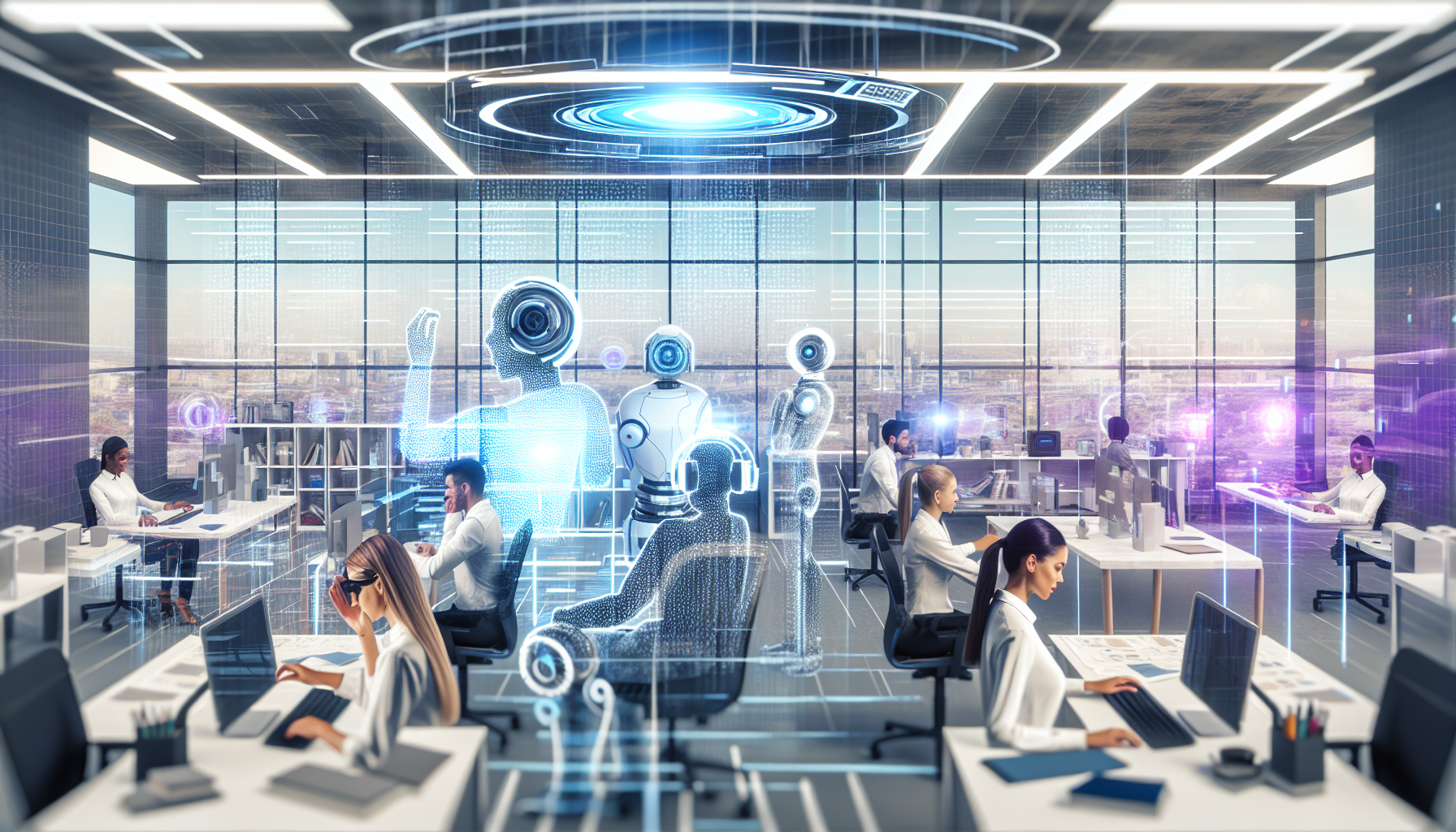

The landscape of business is undergoing a transformative shift as AI in the workplace begins to redefine how organizations function. A recent report by McKinsey, released on May 9, 2026, delves into this evolution, coining the term ‘superagency’ to describe the empowerment of employees through artificial intelligence. This groundbreaking report offers insights into how AI can boost productivity, improve job satisfaction, and reshape the workforce.
Understanding Superagency
McKinsey’s report emphasizes the concept of ‘superagency,’ which refers to the ability of employees to harness AI tools for enhanced performance and efficiency. This marks a significant departure from the traditional view of AI as merely a replacement for human labor. Instead, the focus is on collaboration between humans and AI, where employees are empowered to unlock AI’s full potential.
The Essential Role of AI in Boosting Productivity
One of the most startling findings from the report is that AI can increase productivity in knowledge work by as much as 40%. This statistic underscores the enormous potential that AI holds in streamlining processes and tasks that typically consume considerable time and resources. By automating routine tasks, AI allows employees to focus on higher-value work that requires human ingenuity and creativity.
Executive Perspectives on AI Integration
As businesses look towards the future, executives are increasingly recognizing the importance of integrating AI into their operations. According to the report, 70% of executives plan to implement major AI integrations by the end of the year. This proactive approach indicates a growing awareness of the competitive advantages that can be attained through leveraging AI technologies.
Bridging the Skills Gap
Despite the enthusiasm from leadership, a concerning gap exists in employee preparedness. Only 25% of workers feel adequately trained to work with AI technologies. This discrepancy poses a challenge for organizations aiming to fully realize the benefits of AI. To foster a culture of innovation and collaboration, companies will need to invest in comprehensive training programs that equip employees with the necessary skills to thrive in an AI-enhanced environment.
Real-World Success Stories
The McKinsey report highlights several case studies showcasing successful AI implementations. Companies like Google and Siemens have seen remarkable results through the integration of AI tools. For instance, these companies reported reductions in task completion times by as much as 50%, illustrating the efficiency gains that AI can provide.
Google’s AI Innovations
Google has been at the forefront of AI research and development, leveraging its capabilities to enhance workplace productivity. By utilizing machine learning algorithms, Google has automated various tasks, freeing up valuable time for employees to engage in more strategic initiatives. This shift not only improves productivity but also elevates employee morale as they are able to concentrate on fulfilling and impactful work.
Siemens’ AI Enhancements
Similarly, Siemens has integrated AI-driven solutions in its operations, leading to significant advancements in efficiency and productivity. By adopting smart AI tools, Siemens has successfully reduced the time required for routine tasks, allowing employees to allocate their efforts toward innovation and problem-solving. These case studies serve as compelling examples for other organizations contemplating AI adoption.
The Viral Conversation Around AI in the Workplace
The topic of AI in the workplace is not only a business concern but also a subject of widespread discussion on social media. Many individuals express fears surrounding job automation and the potential for AI to replace human roles. This ‘fear of missing out’ (FOMO) has ignited urgent conversations about career survival in a rapidly changing job market.
FOMO and Job Automation Concerns
The anxiety surrounding job automation is palpable, as workers grapple with the implications of AI technologies on their roles. This fear has spurred a sense of urgency regarding the need for skills training and adaptation. Employees are increasingly aware that those who are not equipped to work alongside AI may find themselves at a disadvantage in the job market.
Statistics That Spark Debate
Statistics about AI’s capabilities and its impact on productivity are being shared widely on social media, leading to vibrant debates. The idea that AI could enhance productivity by 40% has caught the attention of many, as has the notion that businesses are gearing up for significant changes in their operations. These figures not only fuel discussions about the future of work but also compel individuals to consider their own adaptability in the face of technological advancements.
Preparing for an AI-Enhanced Future
As we look toward 2025 and beyond, preparing for an AI-enhanced workplace will be essential for both organizations and employees. The integration of AI technologies will require a strategic approach to workforce development, ensuring that employees feel confident and capable in utilizing these tools.
Investing in Employee Training
To close the skills gap highlighted in McKinsey’s report, organizations must prioritize training and development programs. These programs should focus on equipping employees with the skills necessary to work effectively alongside AI. This investment not only fosters employee confidence but also enhances overall productivity within the organization.
Cultivating a Culture of Innovation
In addition to training, cultivating a culture of innovation is vital. Organizations should encourage experimentation and exploration with AI tools, allowing employees to discover new ways to leverage technology. By fostering an environment where creativity and innovation are valued, businesses can unlock the full potential of AI.
Conclusion: Embracing the AI Revolution
The findings from McKinsey’s report highlight the transformative potential of AI in the workplace. As organizations move toward 2025, the emphasis on ‘superagency’ will become increasingly critical. By empowering employees to harness AI technologies, companies can achieve remarkable productivity gains while simultaneously enhancing job satisfaction.
However, this transition is not without its challenges. Addressing the skills gap through effective training and fostering a culture of innovation will be essential to navigate this evolving landscape. As businesses prepare for the future, embracing AI as a collaborative partner rather than a competitor will ultimately determine their success in the workplace of tomorrow.




