
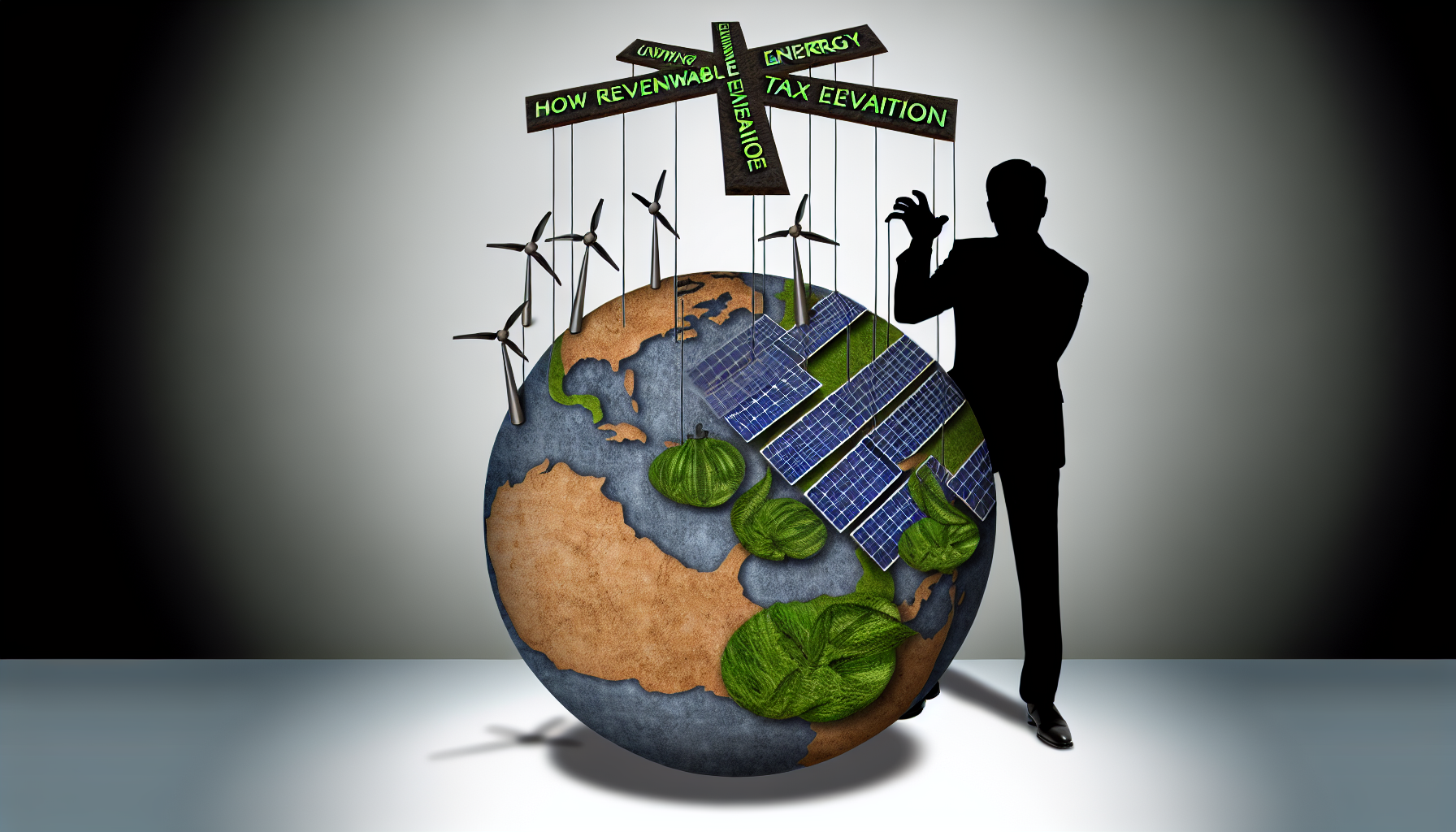

The transition to renewable energy is often heralded as a critical step in combating climate change and achieving sustainable development goals. However, a closer examination reveals a troubling intersection between this green revolution and the shadow economy, particularly in developing nations. Recent research underscores the alarming link between renewable energy tax evasion and illicit financial activities, raising questions about the effectiveness of current policies designed to promote fiscal transparency in green investments.
Understanding the Shadow Economy
The shadow economy, often referred to as the informal or underground economy, encompasses economic activities that are not regulated by the government or subject to taxation. In many developing countries, this economy can account for over 30% of GDP, according to various studies. This staggering statistic not only highlights the scale of the issue but also indicates how these unregulated activities undermine legitimate businesses and tax revenues.
In the context of renewable energy, the shadow economy can manifest in various forms, including unreported income from solar farms or wind projects that fail to comply with national regulations. This phenomenon complicates efforts to combat tax evasion and poses a significant challenge for governments striving to boost fiscal transparency.
Renewable Energy and Tax Evasion: A Troubling Connection
The research published in Volume 12 Issue 03 of Problems and Perspectives in Management delves into how renewable energy projects can inadvertently fuel tax evasion. One of the key findings of the study emphasizes that while the adoption of renewable energy is crucial for sustainable development, it can also provide fertile ground for corrupt practices if not properly regulated.
As governments promote green initiatives, some entities take advantage of these movements to engage in illicit activities. For instance, some solar farms have been linked to money laundering schemes where funds are funneled through seemingly legitimate renewable projects. The trend has sparked a social media outcry, with hashtags like #GreenTaxHavens gaining traction as citizens grapple with the unsettling reality that eco-friendly initiatives might contribute to the underground economy.
The Role of Social Responsibility in Green Investments
Given the growing concerns around renewable energy tax evasion, implementing social responsibility frameworks is essential. These frameworks can ensure that renewable energy projects adhere to transparent financing practices while aligning with anti-evasion policies. By enforcing these structures, governments can promote ethical business practices and mitigate the risks associated with the shadow economy.
- Transparency in Financing: Renewable energy projects must maintain clear, traceable financial records to prevent illicit funding.
- Regulatory Compliance: Strict adherence to national and international regulations is vital to curtail tax evasion.
- Public Accountability: Publicly accessible records can enhance accountability and deter corrupt practices.
Current Trends and Global Scandals
The past few years have seen a spike in discussions about renewable energy tax evasion, fueled by global scandals that have come to light. High-profile cases involving solar farms have revealed how illicit funds are often intertwined with legitimate green initiatives. The consequences of these revelations are alarming, as they threaten both the integrity of the renewable energy sector and public trust in green policies.
According to the report, the trend is not only confined to developing nations. Even in industrialized countries, there have been instances of tax fraud involving renewable energy projects. This reality raises critical questions about the effectiveness of existing regulatory frameworks and the role of governments in enforcing compliance.
Strategies for Combating Renewable Energy Tax Evasion
To address the issues arising from renewable energy tax evasion, a multi-faceted strategy is required. Governments, private sector players, and civil society must work collaboratively to establish a robust framework that promotes transparency and accountability in the renewable energy sector.
- Enhanced Regulatory Oversight: Governments should establish stricter regulations governing renewable energy projects to ensure compliance and mitigate risks associated with tax evasion.
- International Cooperation: Countries must work together to share information on tax evasion schemes and collaborate on enforcement efforts.
- Public Awareness Campaigns: Educating the public about the implications of tax evasion in the renewable energy sector can foster greater accountability.
The Future of Renewable Energy and the Shadow Economy
The intersection of renewable energy and the shadow economy poses a pressing concern for policymakers and stakeholders. As the demand for green energy continues to grow, it is imperative that measures are put in place to counteract the risks associated with tax evasion.
Looking ahead, the sustainable development goals (SDGs) provide a framework for addressing these challenges. By aligning renewable energy initiatives with SDGs, governments can create a more transparent and accountable energy sector. The research calls for an urgent reassessment of current policies and practices to ensure that the transition to renewable energy does not inadvertently support illicit activities.
Conclusion
The link between renewable energy tax evasion and the shadow economy is a complex issue that demands attention. As we navigate the transition to a more sustainable future, the risks associated with unregulated activities must be recognized and addressed. By fostering social responsibility in renewable energy projects and strengthening regulatory frameworks, governments can protect public funds, promote ethical business practices, and contribute to global sustainability efforts.
As the discourse around renewable energy tax evasion continues to evolve, it is crucial for all stakeholders to remain vigilant and proactive. The future of green energy depends on our ability to ensure that it is built on a foundation of transparency, accountability, and ethical practices.




