
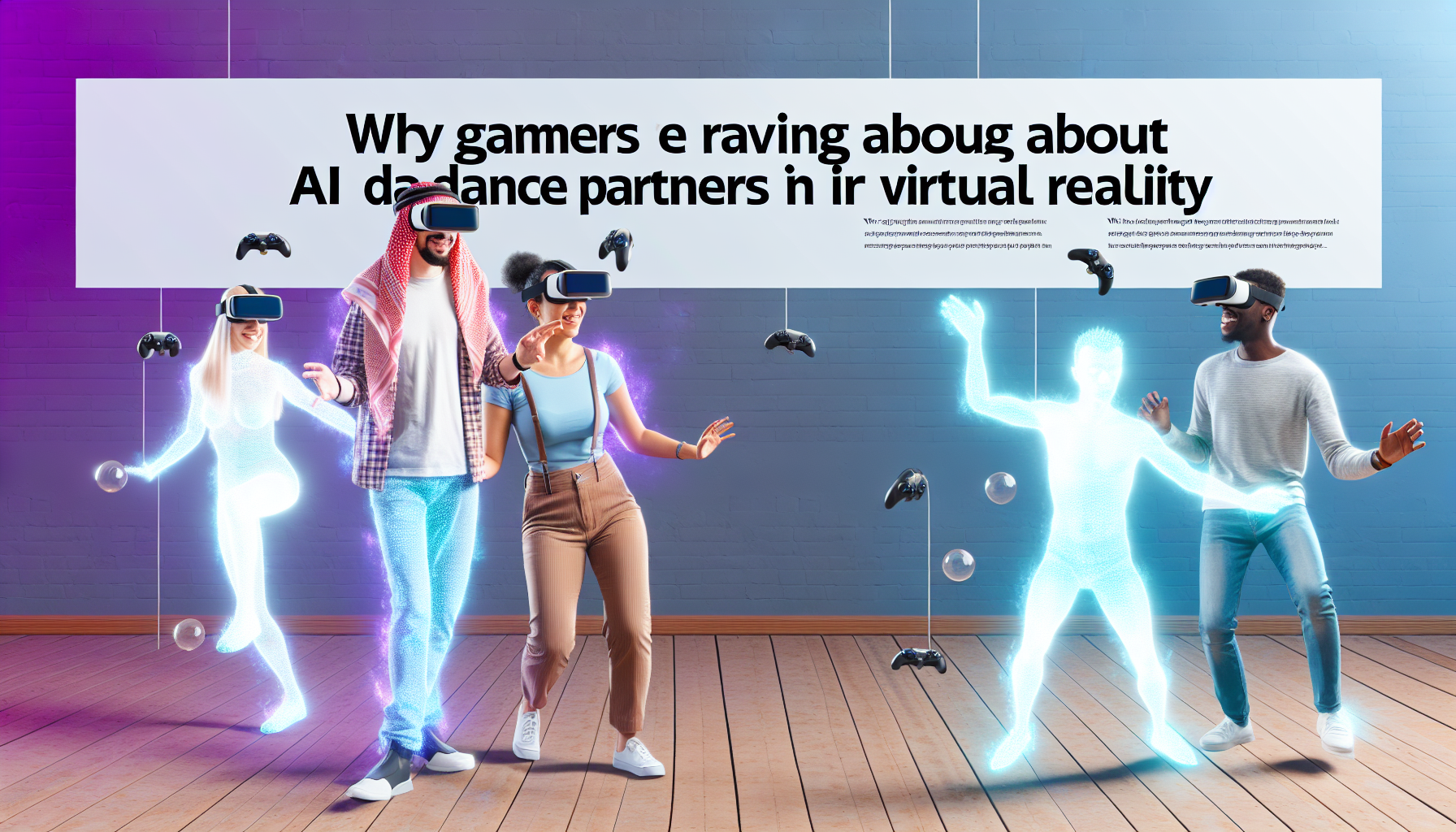

The realm of virtual reality (VR) and mixed reality (MR) is evolving at a breathtaking pace, and one of the most exciting developments to emerge is the concept of the AI dance partner. A recent study published in Frontiers in Virtual Reality showcases how motion matching algorithms are revolutionizing the way we experience dance in digital spaces, providing gamers and VR enthusiasts with opportunities for immersive interactions that were once unimaginable.
The Rise of AI Dance Partners
In a world where technology increasingly blurs the lines between reality and virtual experiences, the introduction of AI dance partners stands out as a groundbreaking fusion of gaming tech and social interaction. Researchers have identified that motion matching algorithms, which have been widely adopted in the gaming industry, can create dance experiences that feel almost indistinguishable from those with human partners. According to the study, these algorithms enable highly responsive interactions, achieving a staggering latency of less than 50 milliseconds, which is crucial for seamless synchronization during dance.
Motion Matching Algorithms Explained
But what are motion matching algorithms? Essentially, these algorithms analyze the movements of dancers and match them with a database of dance motions, allowing the AI to replicate complex routines in real-time. This technology can adapt to various dance styles, from ballroom to hip-hop, making the AI dance partner versatile enough to cater to different preferences and skill levels. The researchers tested this system across a diverse range of dance genres, demonstrating its broad applicability and enhancing user experience.
Participant Engagement and Emotional Connection
The study’s findings revealed that participants experienced heightened levels of engagement and emotional connection while dancing with an AI dance partner. Many expressed a sense of intimacy that they had not anticipated, raising intriguing questions about the nature of virtual companionship and the potential for AI to fulfill emotional needs. As these technologies advance, we may see a shift in how individuals seek connection, particularly in increasingly digital societies.
Feedback from Users
- Enhanced Experience: Users noted that dancing with an AI felt more immersive than traditional video games, thanks to the responsive nature of the AI.
- Emotional Resonance: Many reported feeling a genuine emotional bond with the AI, akin to what they might experience with a human partner.
- Accessibility: The ability to choose dance styles and even alter difficulty levels made the experience enjoyable for dancers of all skill levels.
The Viral Buzz Around AI Dance Partners
As news of this incredible advancement spreads, the concept of the AI dance partner has ignited a viral buzz across social media platforms. Posts showcasing demos of these AI-driven dance interactions have garnered significant attention, with many users sharing their experiences and expressing excitement about the implications for the future of gaming and social interaction in virtual environments. The fear of missing out, or FOMO, is palpable among gamers and VR enthusiasts, as they realize that the metaverse is evolving rapidly and new opportunities for engagement are continually emerging.
Future of Virtual Intimacy
This buzz has sparked discussions about the future of virtual intimacy and companionship in gaming. As technology continues to advance, the line between human and AI interactions is becoming increasingly blurred. Could AI dance partners pave the way for more profound connections in virtual spaces? Or will they serve as mere entertainment? These questions are at the forefront of conversations in both academic and gaming circles, as developers and researchers alike consider the ethical implications of emotional AI.
Implications for the Gaming Industry
The integration of AI dance partners into gaming design is likely to have far-reaching effects on the industry. As players seek more immersive and emotionally engaging experiences, game developers will need to adapt their creations to meet these evolving demands. The success of motion matching algorithms in creating lifelike dance experiences could lead to their application in other areas of gaming, such as combat, sports, and even narrative-driven games.
What Lies Ahead
With the introduction of AI dance partners, we stand at the precipice of a new age in gaming and virtual reality. The fusion of advanced algorithms with human-like interactions is set to redefine how we engage with technology. This is not just an evolution of gaming but a reimagining of relationships and interactions in the digital world.
As we continue to explore the potential of AI companionship in virtual environments, it is essential to remain mindful of the ethical considerations and emotional implications that accompany these advances. The journey of an AI dance partner is just beginning, and as technology progresses, our understanding of connection, intimacy, and the capacity for joy in virtual communities will undoubtedly expand.
In conclusion, the emergence of AI dance partners heralds a thrilling chapter in both the gaming and social interaction landscapes. With this technology, the possibilities are endless, and the dance floor is set to become a vibrant arena for creativity, connection, and exploration in the metaverse.




