
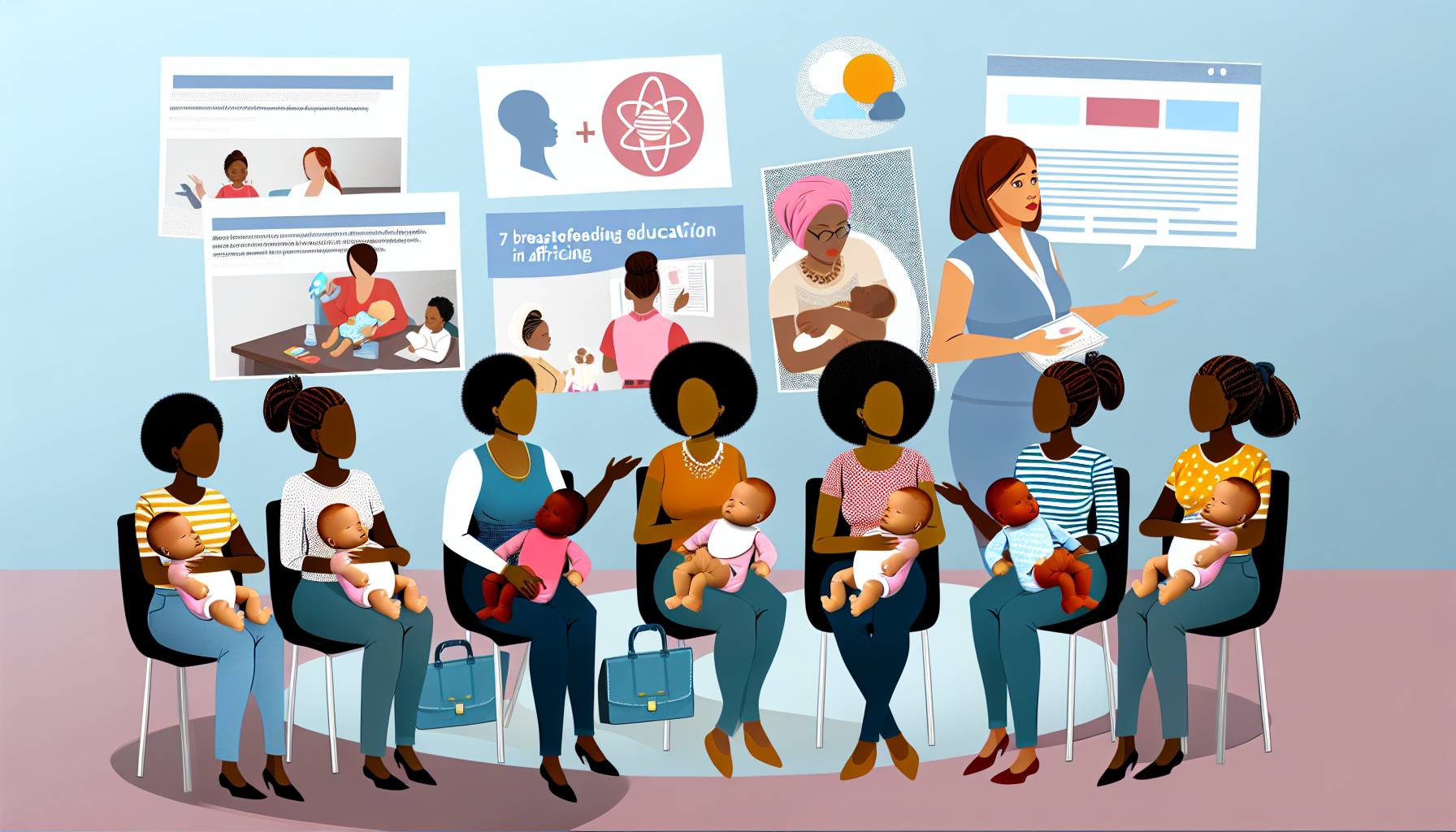

In recent years, the importance of breastfeeding has gained significant attention, particularly in the context of global health initiatives. A groundbreaking study published in the Journal of Developmental Origins of Health and Disease sheds light on an innovative approach to breastfeeding education in Africa. This research, led by Dr. Elena Mwangi and her team from the University of Nairobi, demonstrates how school-based education can dramatically enhance adolescents’ interest in breastfeeding practices, setting the stage for healthier future generations.
The Study: Methodology and Participants
Conducted across five African countries, the study involved over 2,000 high school students who participated in school-based presentations focused on the benefits of breastfeeding. These easily digestible 45-minute classes were designed not only to inform but to inspire a proactive attitude toward parenting among adolescents. The findings were quite remarkable, revealing that a staggering 78% of participants reported an increased enthusiasm for breastfeeding their future children post-intervention.
Demographics: Who is Engaging More?
Interestingly, the study also highlighted a gender disparity in engagement rates. Girls exhibited a 25% higher engagement level compared to boys when it came to the topic of breastfeeding. This discrepancy suggests that targeted educational strategies may be necessary to ensure that all genders understand and appreciate the significance of breastfeeding.
Understanding DOHaD: The Link to Future Health
The research touches on a critical public health issue: the Developmental Origins of Health and Disease (DOHaD) framework. This concept emphasizes how health outcomes in adulthood, such as obesity and diabetes, can be traced back to early-life nutritional practices, including breastfeeding. With declining breastfeeding rates linked to various health risks, it becomes increasingly evident that interventions aimed at improving knowledge and attitudes toward breastfeeding are essential.
Why Focus on Adolescents?
Historically, parenting advice has focused on expecting parents or those who are already parents. However, this study challenges that notion by revealing that educating adolescents about breastfeeding can have profound implications for future parenting practices. By instilling knowledge and enthusiasm for breastfeeding early on, we can potentially disrupt the cycle of poor nutritional practices that lead to health crises later in life.
Counterintuitive Yet Effective
The approach of teaching adolescents far in advance of parenthood may seem counterintuitive, yet it is proving effective. The surprising effectiveness of this model has sparked debates and discussions across social media platforms, where influencers and parents are questioning whether Western educational systems should adopt similar methods. The emotional appeal of this topic resonates deeply with parents concerned about rising health issues in children, making it a hot topic for discussion.
The Global Response: Trends and Discussions
In the age of social media, the conversation surrounding breastfeeding education in Africa is not just limited to the continent itself. Parents and educators worldwide are taking notice, sharing insights and experiences that highlight the benefits of early education on breastfeeding. The fear of modern health crises, particularly in children, has fueled a growing interest in the concept of early intervention.
Viral Threads and FOMO
As discussions around the study circulate online, many parents are experiencing FOMO (fear of missing out) on what they perceive to be the future of parenting. The research findings, particularly the statistic that simple educational interventions could potentially reverse generational health declines, have made this topic irresistibly shareable. Parents are eager to explore how similar initiatives could be implemented in their communities.
How Can We Implement This Educational Model?
Implementing this innovative educational model requires a multi-faceted approach. Schools, governments, and community organizations must work together to create curricula that emphasize the benefits of breastfeeding. Here are some actionable steps that can be taken:
- Curriculum Development: Collaborate with health professionals to design comprehensive breastfeeding education modules tailored for adolescents.
- Training Educators: Provide teachers and school staff with the necessary training to effectively deliver this content.
- Community Involvement: Engage parents and community leaders in discussions about the importance of breastfeeding to reinforce the messages conveyed in schools.
- Utilizing Technology: Leverage digital platforms to share resources and create online discussions surrounding breastfeeding education.
- Monitoring and Evaluation: Establish metrics to assess the effectiveness of the educational interventions and make necessary adjustments based on feedback.
The Bigger Picture: Health Implications for Africa
The implications of this research extend far beyond individual families; they touch on larger public health concerns within Africa. As the continent grapples with rising rates of non-communicable diseases (NCDs), the need for effective nutritional strategies becomes even more pressing. Breastfeeding, as highlighted in the study, plays a crucial role in preventing these health issues.
Addressing Cultural Barriers
While the study showcases the promise of breastfeeding education, it is essential to recognize and address cultural barriers that may impact breastfeeding practices. Many societies have deep-rooted beliefs and traditions surrounding child-rearing that could influence attitudes towards breastfeeding. Educational efforts must be sensitive to these cultural contexts and aim to create an inclusive dialogue that respects local practices while promoting the benefits of breastfeeding.
The Future of Breastfeeding Education in Africa
As we look to the future, the evidence from this study suggests that integrating breastfeeding education into school curricula has the potential to reshape parenting practices across Africa. By fostering an environment where adolescents are informed and empowered about breastfeeding, we can positively influence the health trajectories of future generations.
Conclusion: A Call to Action
In conclusion, the study led by Dr. Mwangi emphasizes the importance of early breastfeeding education in Africa as a pivotal strategy for improving health outcomes. As we grapple with the challenges posed by modern health crises, it is crucial that we invest in educational initiatives that can empower young people to make informed decisions about their future parenting practices. The positive response from adolescents reinforces the idea that change is possible when education is prioritized, paving the way for healthier generations.
As conversations around breastfeeding education continue to evolve, it is imperative that parents, educators, and health professionals remain engaged in promoting these critical discussions. With the right tools and resources, we can work towards a future where breastfeeding is not only valued but practiced widely, significantly impacting public health across the continent.




