
“`html
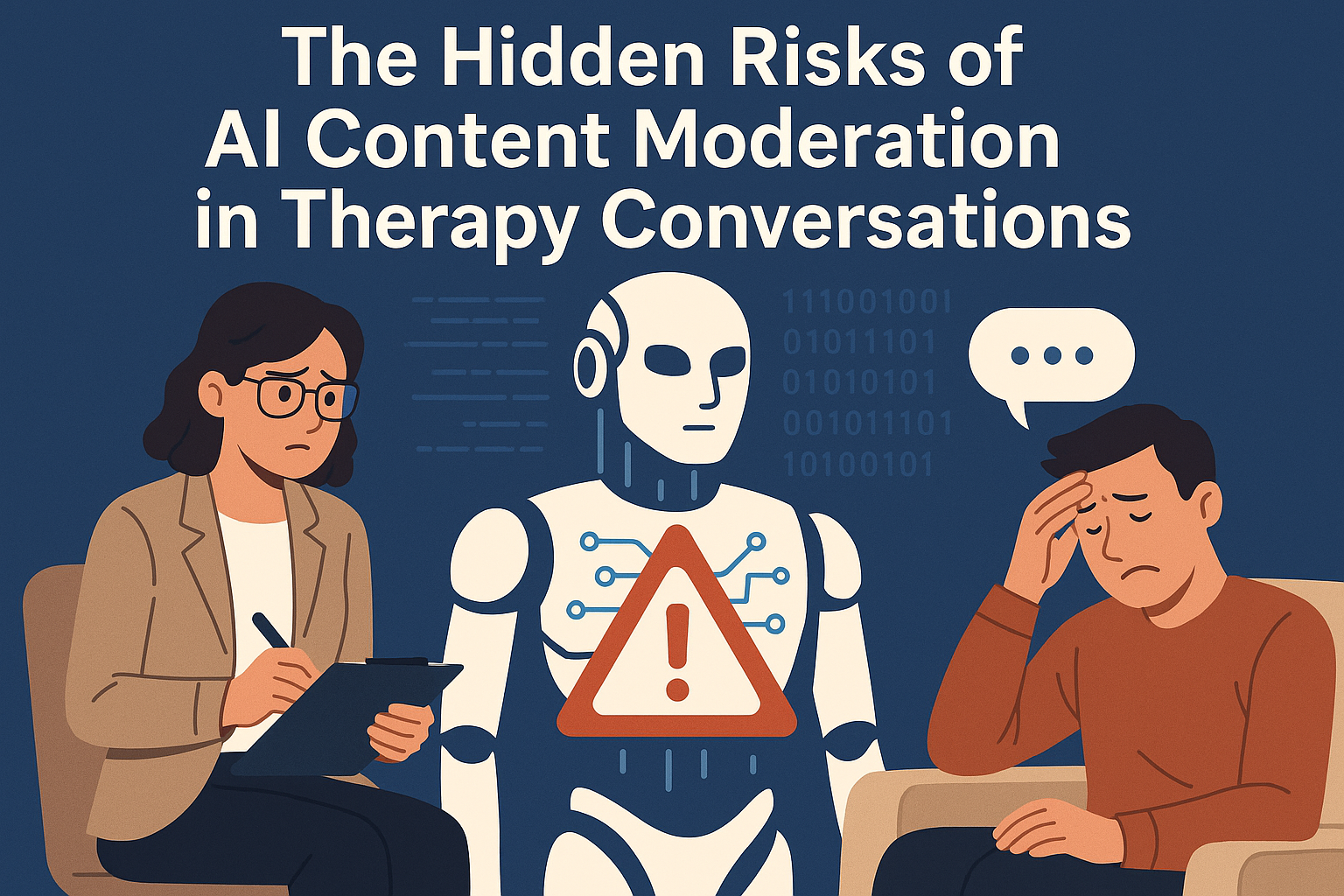
As artificial intelligence (AI) continues to infiltrate various aspects of our lives, its application in mental health support has sparked significant debate. The recent paper titled AI Content Moderation in Therapy Conversations delves into the complexities of how AI systems manage dialogues surrounding sensitive issues like depression, anxiety, and suicidal ideation. This exploration is particularly relevant given the high-stakes nature of such conversations, where failures in content moderation can have dire consequences. In this article, we will examine the findings of the paper, understand the challenges of AI content moderation therapy, and discuss its implications for vulnerable individuals seeking help.
Understanding AI Content Moderation in Mental Health
AI content moderation refers to the use of artificial intelligence technologies to oversee, evaluate, and manage interactions in digital communication platforms. In the context of mental health, AI systems are increasingly being integrated into chatbots and virtual therapy sessions to provide immediate support to those in distress.
While the potential benefits of using AI in therapy are immense, the paper highlights a significant challenge: the dual threat of under-moderation and over-censorship. Users often express genuine feelings of despair and hopelessness, and the AI must accurately identify when these expressions signal a crisis without stifling legitimate therapeutic dialogue.
The Stakes: Crisis Language Detection
One of the key findings of the paper is the difficulty AI systems face in detecting crisis language effectively. This issue is critical; when a user articulates suicidal thoughts or severe anxiety, it is essential for the moderation system to recognize these cues and respond appropriately. Failure to detect such language can result in tragic outcomes.
On the other hand, the paper also outlines the risk of over-censorship. AI systems may inadvertently flag and remove benign conversations or therapeutic expressions that do not warrant intervention. This duality presents a unique challenge for developers, healthcare providers, and users alike. Balancing the need for safety with the necessity of open dialogue is an ongoing struggle within this technological domain.
Emotional Implications for Users
The emotional implications of AI content moderation therapy are profound. For individuals seeking help, the interaction with AI systems can shape their experience significantly. If a user feels that their expressions are being censored or misunderstood, it can lead to feelings of alienation, distrust, and abandonment.
Conversely, when a user feels supported and understood, they are more likely to remain engaged in the therapeutic process. This highlights the importance of refining AI systems to foster an environment that encourages open communication rather than stifles it. Employing nuanced algorithms that can recognize context, tone, and emotional weight could be a crucial step towards accomplishing this goal.
The Role of Accountability in AI Content Moderation
Accountability emerges as a central theme in the discussion of AI content moderation therapy. As AI systems take on an increasingly significant role in mental health support, the question of who is responsible for failures in moderation becomes critical. Is it the developers of the AI, the mental health organizations that deploy these systems, or the users themselves? (See: AI in mental health support.)
The paper posits that transparency in AI algorithms is essential for establishing accountability. Users should be made aware of how their conversations are being moderated, the criteria being used for flagging content, and the potential limitations of the technology. This transparency can cultivate trust and allow users to navigate their therapeutic journeys with greater confidence.
Evaluating the Effectiveness of AI Systems
The effectiveness of AI content moderation therapy can be evaluated through various lenses, including user satisfaction, crisis prevention rates, and the quality of therapeutic interactions. A multi-faceted approach can provide a clearer picture of how these systems are performing.
- User Satisfaction: Gathering feedback from users who interact with AI systems can offer invaluable insights into their experiences. Surveys and interviews can help gauge how well users feel understood and supported.
- Crisis Prevention Rates: Monitoring the rates of crisis interventions initiated by AI systems can provide data on their effectiveness. Are users receiving the help they need when expressing high-risk thoughts?
- Quality of Interactions: Analyzing the nature of conversations—ensuring that therapeutic dialogue is not being unduly restricted—can help in refining moderation techniques.
By considering these factors, developers can continually refine their AI systems to better serve vulnerable users and enhance the therapeutic experience.
Integrating Human Oversight in AI Therapy
The integration of human oversight in AI content moderation therapy is another avenue worth exploring. While AI systems can process vast amounts of data and respond swiftly, they lack the emotional intelligence and nuanced understanding that human therapists possess. Therefore, incorporating human moderators or therapists into the process can create a safety net for users.
Human oversight can help in two significant ways:
- Enhanced Cues Recognition: Trained professionals can identify subtle cues and context that AI may miss, ensuring that users are correctly supported.
- Fallback Mechanisms: In instances where the AI system flags content as risky, trained professionals can step in to assess the situation further and provide appropriate interventions.
This hybrid model promises to combine the efficiency of AI with the empathetic understanding of human therapists, potentially leading to better outcomes for users.
Future Directions: The Evolution of AI Content Moderation Therapy
As we look forward, it becomes evident that the field of AI content moderation therapy is still in its infancy. There is a pressing need for ongoing research and development to ensure these systems can handle the complexities of human emotions and mental health challenges.
Potential future directions include:
- Advanced Machine Learning Techniques: Exploring advanced algorithms that better understand context, sentiment, and nuance in conversations.
- Regular Auditing and Testing: Implementing regular evaluations of AI systems to ensure they are functioning as intended and adapting to the evolving needs of users.
- User-Centered Design: Involving users in the design process to ensure their needs and concerns are adequately addressed in the development of these systems.
Through a commitment to innovation and improvement, the future of AI content moderation therapy can evolve to become a reliable source of support for those in need, rather than a potential source of harm. (See: Mental health and AI interventions.)
Expert Perspectives on AI Content Moderation Therapy
To gain deeper insights into the potential and challenges of AI content moderation therapy, we reached out to experts in the field of mental health and AI development. Dr. Sarah Mitchell, a clinical psychologist specializing in digital therapy, emphasized the importance of understanding AI as a tool rather than a replacement for human interaction. “AI can enhance therapy accessibility, especially for those in remote areas or who experience stigma when seeking help,” she noted. However, she also warned, “It’s essential to remember that AI lacks the capacity for genuine empathy. The human touch remains irreplaceable in therapy.”
In contrast, Dr. Jake Thompson, an AI ethicist, pointed to the need for ethical considerations in deploying AI for therapeutic purposes. “The algorithms must be designed with sensitivity and an understanding of the complexities of mental health,” he stated. “If not, we risk creating systems that may inadvertently harm rather than help.” His perspective highlights the ongoing dialogue between technological advancement and ethical responsibility.
Statistics on Mental Health and AI Integration
The rising integration of AI in mental health care is supported by statistics that underscore the demand for such solutions. According to a report by the World Health Organization, around 1 in 4 people globally will experience mental health issues at some point in their lives. The National Institute of Mental Health also reports that nearly 20% of adults in the U.S. live with a mental health condition. With these figures in mind, the potential for AI tools to assist in providing timely interventions becomes increasingly valuable.
Moreover, studies have shown that AI-driven chatbots can provide mental health support to users, with some reporting a 60-80% satisfaction rate with their interactions. This data indicates a significant opportunity for AI systems to supplement traditional mental health services, especially in areas where access to professional help is limited.
Potential Risks and Ethical Considerations
While the integration of AI in mental health support comes with many advantages, it also presents risks that warrant careful consideration. One major concern is data privacy. Users may share highly sensitive information with AI systems, raising questions about how data is stored, used, and protected. The potential for breaches or misuse of this information poses a significant ethical challenge that developers must address.
Moreover, there is the risk of bias in AI algorithms. If the training data used to develop these systems is not representative of diverse populations, it could lead to inequitable access to support for marginalized groups. Ensuring that AI systems are fair and inclusive is paramount in fostering trust among users.
FAQ: Understanding AI Content Moderation Therapy
What is AI content moderation therapy?
AI content moderation therapy refers to the use of artificial intelligence to monitor and manage therapeutic conversations, ensuring they remain safe and supportive while addressing potentially harmful content.
How does AI detect crisis language?
AI systems utilize natural language processing and machine learning algorithms to analyze the text for keywords and contextual cues that may indicate a crisis, such as expressions of hopelessness or suicidal thoughts.
What are the risks of AI content moderation therapy?
The risks include under-moderation, where serious issues are missed, and over-censorship, where benign conversations may be flagged. Additionally, concerns about data privacy and algorithmic bias are significant ethical considerations.
Can AI replace human therapists?
While AI can enhance accessibility and provide immediate support, it cannot fully replace human therapists due to the intricate emotional intelligence and empathy that human interaction offers.
How can users ensure their privacy when using AI therapy tools?
Users should carefully review the privacy policies of AI platforms, understand how their data will be used, and consider using services that prioritize confidentiality and data protection.
Conclusion
The intersection of AI, content moderation, and mental health raises critical questions about trust, safety, and effectiveness. As we navigate the complexities highlighted in the paper AI Content Moderation in Therapy Conversations, it is essential to focus on developing systems that prioritize the well-being of users while maintaining the delicate balance between safety and open dialogue.
By refining these technologies, integrating human oversight, and fostering accountability, we can ensure that AI content moderation therapy becomes a valuable tool rather than a hindrance in the journey toward mental wellness. Ultimately, the goal must be to enhance accessibility to mental health support while safeguarding the vulnerable individuals who seek it.
“`
Trending Now
- read the full story
- this guide on how republic act no. 12317 is reshaping the future of bangsamoro elections
- Local SEO Trends Transformed: What the Latest Google Update Means for Your Business
- this guide on how ai travel search hotels are revolutionizing travel discovery for the modern traveler
- How Group Training is Transforming Mental Health: The Best Exercise for Depression in Children
Frequently Asked Questions
What are the risks of AI content moderation in therapy conversations?
AI content moderation in therapy conversations presents risks such as under-moderation, where critical crisis language may be overlooked, and over-censorship, where legitimate expressions of distress are suppressed. This dual threat can hinder effective communication and support for individuals in need.
How does AI detect crisis language in therapy?
AI systems are designed to identify crisis language by analyzing keywords and context in user interactions. However, accurately detecting expressions of suicidal thoughts or severe anxiety is challenging, and failures in this area can lead to serious consequences for individuals seeking help.
What is the role of AI in mental health support?
AI plays a growing role in mental health support by being integrated into chatbots and virtual therapy sessions. These technologies aim to provide immediate assistance to those in distress, but they also face significant challenges in content moderation to ensure effective and safe communication.
Can AI effectively manage therapy conversations?
While AI can enhance therapy conversations by providing timely responses, its effectiveness is limited by challenges in accurately moderating content. The balance between identifying crisis signals and allowing open dialogue is crucial, as mismanagement can have dire implications for users.
What are the implications of AI content moderation for vulnerable individuals?
The implications of AI content moderation for vulnerable individuals are profound. Misinterpretations can lead to inadequate support during crises or unnecessary censorship of genuine emotions, potentially exacerbating feelings of isolation and distress among those seeking help.
What’s your take on this? Share your thoughts in the comments below — we read every one.