
“`html
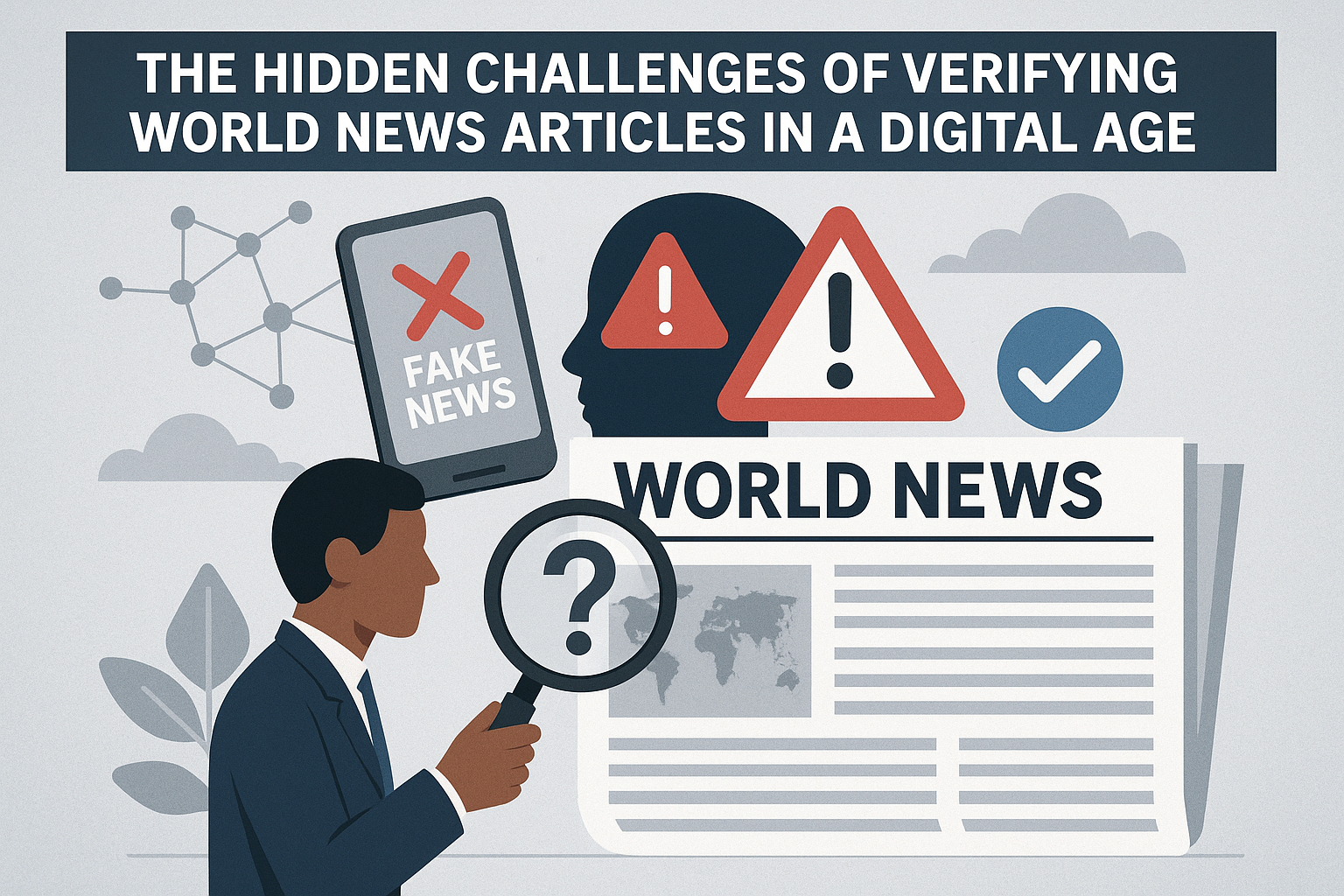
In today’s fast-paced information landscape, the ability to verify World News articles has become crucial. The sheer volume of content produced daily can lead to confusion and misinformation, making it important for readers to have reliable methods for discerning the authenticity of news articles. This article explores the challenges of verifying news sources, the implications of misinformation, and how individuals can safeguard themselves against unreliable reports.
The Current Landscape of World News
The world of news has transformed dramatically with the advent of digital media. Articles that once took hours to publish can now be disseminated globally within minutes, often leading to a race among news outlets to cover breaking stories. However, the speed of publication can come at the cost of accuracy. Recent events highlight the discrepancies often found in reporting, leaving readers questioning how to verify World News articles.
For instance, following major global events, such as elections or natural disasters, various media outlets may report conflicting information. This discrepancy can stem from different editorial standards, varying access to reliable sources, or even political biases. As a result, many readers find themselves overwhelmed and unsure of which outlets they can trust.
The Importance of Source Credibility
One of the primary factors in verifying a World News article is evaluating the credibility of the source. Reputable organizations typically have established editorial guidelines, fact-checking processes, and a history of reliable reporting. When encountering a new story, ask yourself:
- Is the source well-known and respected?
- Does the outlet have a history of accuracy?
- Are they transparent about their reporting methods?
For example, leading news organizations like BBC News, Reuters, and The Associated Press have long been recognized for their commitment to journalistic integrity. When consuming news from lesser-known websites or social media platforms, it’s essential to approach the information with skepticism. According to a 2020 Pew Research study, around 55% of U.S. adults admitted to encountering misinformation online, emphasizing the need for critical evaluation of sources.
Tech Tools for Verification
As misinformation continues to proliferate, various technological tools have emerged to aid readers in verifying World News articles. Fact-checking websites such as Snopes, FactCheck.org, and PolitiFact provide detailed analyses of claims made in various reports. These platforms employ a rigorous research process, comparing claims against factual evidence and providing clear, sourced conclusions.
Moreover, browser extensions like NewsGuard and Media Bias/Fact Check can help users determine the credibility of websites in real-time. These tools analyze news sources based on criteria such as transparency, bias, and overall reliability. By utilizing such technologies, readers can make more informed decisions about the articles they choose to trust and share.
The Role of Social Media
Social media has transformed how news is consumed and shared. While platforms like Twitter and Facebook allow for instant access to information, they also present challenges for verification. Viral posts may not always originate from credible sources, making it essential for users to verify claims before sharing them further. During high-profile events, such as natural disasters or political uprisings, misinformation can spread rapidly through social media channels.
A study published in the journal Science in 2018 found that false news stories spread more quickly and widely on social media than true stories. This phenomenon suggests that sensationalism often captures more attention, regardless of accuracy. As a result, individuals must remain vigilant and critical of the content they encounter on these platforms. (See: The impact of digital media on news.)
Managing Misinformation
The consequences of misinformation can be severe, influencing public opinion, altering behaviors, and even affecting policy decisions. For instance, during the COVID-19 pandemic, numerous false claims about the virus circulated widely, impacting public health measures and vaccination rates. The World Health Organization (WHO) has referred to this as an “infodemic,” emphasizing the urgent need for accurate information.
To combat misinformation, several organizations have developed campaigns to educate the public about media literacy. Understanding how to critically evaluate news articles is essential in today’s media landscape. Here are some steps to consider:
- Check the publication date to ensure the article is current.
- Look for corroboration from other reputable sources.
- Examine the claims made in the article — do they have credible support?
Implementing these guidelines can significantly decrease the likelihood of spreading false information. By taking personal responsibility for news consumption, individuals can contribute to a more informed society.
How to Verify World News Articles: A Step-by-Step Guide
Verifying World News articles may seem daunting, but with a structured approach, anyone can become a more discerning consumer of news. Here’s a practical guide to help you navigate the verification process:
- Identify the Source: Begin by considering the credibility of the outlet. Is the publication well-known? Does it have a reputation for accuracy?
- Cross-Check Information: Look for other reputable outlets covering the same story. If multiple respected sources report the same information, it is more likely to be accurate.
- Examine the Authors: Check the author’s credentials. Are they a recognized journalist with experience in the field they are reporting on?
- Analyze the Evidence: Consider whether the article provides source citations or data to back its claims. Reliable articles will often include links or references to original research or reports.
- Utilize Fact-Checking Tools: Leverage platforms like FactCheck.org or Snopes to verify the claims made in the article.
- Stay Updated: Follow fact-checkers and reputable news sources on social media to keep abreast of developments regarding major news stories.
By following these steps, readers can enhance their ability to verify World News articles effectively, contributing to a more informed public discourse.
The Future of News Verification
As technology continues to evolve, so too will the methods for verifying news. The rise of artificial intelligence and machine learning presents both opportunities and challenges for the future of journalism. On one hand, these technologies can help automate fact-checking and improve the speed of verification. On the other hand, they also raise concerns about bias in algorithms and the potential for AI-generated misinformation.
Furthermore, as media consumers become increasingly aware of misinformation, the demand for transparency and accountability in journalism will likely grow. News organizations may need to adapt by implementing stricter editorial standards and enhancing their fact-checking processes to regain public trust.
In conclusion, the ability to verify World News articles is more critical than ever in today’s interconnected world. By employing careful scrutiny of sources, utilizing technological tools, and adopting a proactive approach to media literacy, individuals can navigate the complex news landscape and contribute to a more informed society. The onus is on both news organizations and consumers to prioritize accuracy, ensuring that the information shared is reliable and factual.
Common Myths About News Verification
In the quest to verify World News articles, several myths persist that can cloud judgment. Understanding these misconceptions is essential for fostering a culture of critical engagement with news media.
- Myth 1: All news is biased. While some news outlets display clear biases, many reputable organizations strive for balanced reporting. It’s essential to differentiate between bias and a legitimate editorial stance.
- Myth 2: Fact-checking is unnecessary if the article is from a major outlet. Even established news organizations can make errors. A diligent approach involves verifying facts regardless of the source’s reputation.
- Myth 3: Social media is a reliable news source. While social media can offer immediate updates, it often lacks the vetting processes of traditional journalism. Always cross-check social media claims.
Expert Perspectives on News Verification
Experts in journalism and media literacy emphasize the importance of verification in the digital age. Notable figures, such as Claire Wardle, co-founder of First Draft News, advocate for a proactive approach to media literacy education. Wardle points out that “being equipped with the skills to determine the reliability of sources is paramount in our current information environment.” (See: Challenges of misinformation in media.)
Moreover, digital literacy educators, like Mike Caulfield, promote the SIFT method (Stop, Investigate, Find, and Trace) to help individuals navigate information overload. His strategy encourages readers to take a moment before reacting to news and to conduct thorough investigations into the sources being presented.
Statistics on Misinformation and News Verification
Understanding the scale of misinformation can shed light on the necessity for verification. According to a 2021 study by the Reuters Institute, over 60% of respondents reported being exposed to misinformation in the news. Furthermore, 70% of participants indicated they feel overwhelmed by the sheer volume of news available, suggesting a pressing need for clearer verification processes.
In another study conducted by the Digital News Report, only 41% of individuals expressed confidence in their ability to distinguish between accurate and inaccurate news. Such statistics underline the urgency for improved education on media literacy and verification methods.
Frequently Asked Questions (FAQ)
What are the first steps I should take when encountering a suspicious news article?
Begin by checking the source’s credibility. Look for other reputable outlets reporting the same story and examine the author’s background. If there are red flags, consider using fact-checking tools to validate the claims.
Can I trust information shared by my friends on social media?
While friends may share genuine news, social media is rife with misinformation. Always cross-check any information before accepting it as fact or sharing it further.
How can I improve my media literacy skills?
Engage with educational resources focused on media literacy. Follow reputable fact-checking organizations and participate in workshops or webinars on how to critically analyze news content.
Are there specific resources I can use to learn more about verifying news?
Yes! Websites like the News Literacy Project and MediaSmarts offer fantastic resources for improving understanding of media verification methods. Furthermore, many universities provide free access to online courses regarding media literacy.
What should I do if I discover that I’ve shared misinformation?
Take responsibility by correcting the misinformation. Share a follow-up post with accurate information and consider informing those who engaged with your original post. This helps foster a culture of accountability and accuracy. (See: Tips for verifying information.)
Additional Verification Strategies
In addition to the steps already outlined, there are various other strategies that individuals can employ when attempting to verify World News articles. One effective method is to seek out primary sources whenever possible. This means looking for the original documents, reports, or statements that a news article is based on. For example, if an article discusses a government policy, try to locate the official announcement or legislative document that outlines those changes.
Another approach is to explore the context of the story. Understanding the background and motivations behind a news piece can reveal biases or potential conflicts of interest. For instance, if an article discusses a corporate merger, researching the company’s history, leadership, and previous business practices can provide insight into the credibility of the reporting.
Using social listening tools can also enhance verification efforts. Platforms like Brandwatch and Hootsuite allow users to monitor social media trends and discussions surrounding specific articles or topics. By analyzing what others are saying in real time, readers can gauge the reactions to a story and identify any emerging misinformation.
The Importance of Media Literacy Education
As the landscape of news continues to evolve, media literacy education is increasingly vital. Schools and community organizations are beginning to incorporate lessons on critical thinking and media evaluation into their curriculums. Programs that teach individuals how to navigate news and social media effectively are crucial in fostering a well-informed public.
According to the National Association for Media Literacy Education, media literacy is defined as “the ability to access, analyze, evaluate, and create media in various forms.” This skill set not only helps individuals verify World News articles but also empowers them to engage meaningfully with the content they consume.
Furthermore, collaborative efforts between educational institutions, media organizations, and community groups can enhance the outreach of media literacy initiatives. Workshops, webinars, and interactive online resources can provide individuals with practical tools and techniques for verifying news effectively. By investing in media literacy education, society can build resilience against misinformation and promote a culture of informed citizenship.
“`
Trending Now
Frequently Asked Questions
How can I verify the authenticity of news articles?
To verify the authenticity of news articles, check the credibility of the source, look for established editorial guidelines, and assess their history of reliable reporting. Reputable organizations often have fact-checking processes and transparency about their methods.
Why is it important to evaluate news sources?
Evaluating news sources is crucial to avoid misinformation. Reliable sources adhere to journalistic standards, providing accurate and trustworthy information. This helps readers discern fact from fiction, especially in a fast-paced digital news landscape.
What challenges do readers face in the digital news landscape?
Readers face challenges such as the overwhelming volume of content, conflicting reports from different outlets, and the speed of publication often compromising accuracy. This can lead to confusion and difficulty in discerning which sources to trust.
How does misinformation spread in world news?
Misinformation spreads in world news due to the rapid dissemination of articles, differing editorial standards, and varying access to reliable sources. This can result in conflicting information, especially during significant global events.
What are the signs of a credible news source?
Signs of a credible news source include a well-known reputation, a history of accuracy, established editorial guidelines, and transparency in reporting methods. Outlets like BBC News and Reuters are examples of credible sources.
What’s your take on this? Share your thoughts in the comments below — we read every one.