
“`html
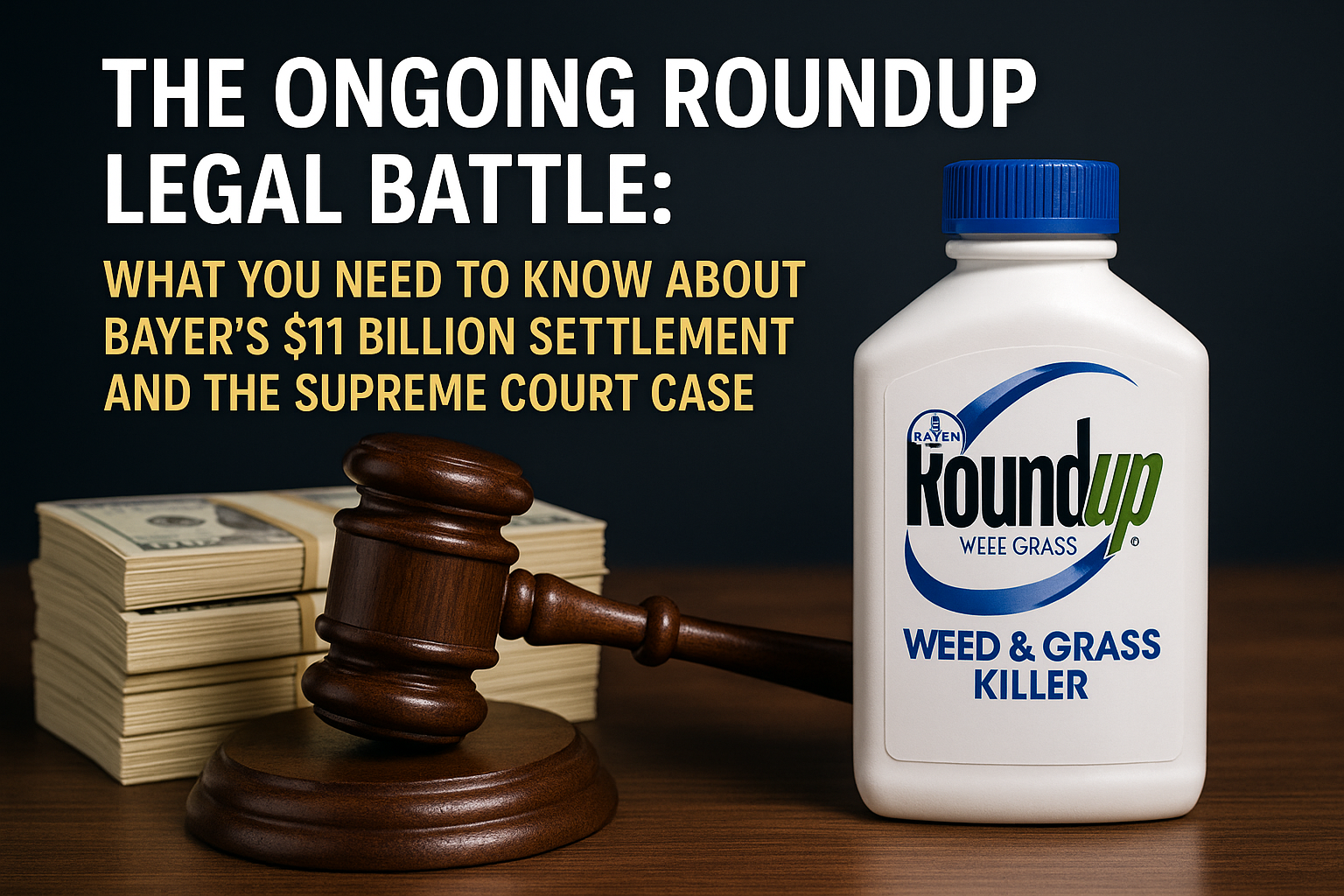
The legal saga surrounding Monsanto’s Roundup herbicide has evolved into one of the most significant consumer-cancer lawsuits in American history. As of May 2026, Bayer, the parent company of Monsanto, has reached settlement agreements in nearly 100,000 lawsuits, totaling approximately $11 billion. This staggering sum reflects the high stakes involved in the litigation, which raises critical questions about consumer safety, corporate responsibility, and the very nature of legal recourse for those affected by the alleged dangers of glyphosate, the active ingredient in Roundup.
Understanding the Roundup Controversy
Roundup has been a staple in American households and agriculture since its introduction in the 1970s. Initially marketed as a safe and effective weed killer, the product’s safety has come under scrutiny as increasing evidence links glyphosate to various forms of cancer. The most notable of these is non-Hodgkin lymphoma, which has prompted thousands of consumers to file lawsuits against Bayer, alleging that the company failed to adequately warn users about the potential health risks associated with its product.
As plaintiffs continue to emerge, the legal landscape surrounding these lawsuits has become increasingly complex. With nearly 5,240 total cases filed in the Roundup multidistrict litigation (MDL) as of January 2026, and an additional 4,511 pending cases, the scale of the litigation is staggering. The outcome of these lawsuits not only affects the lives of thousands of individuals but also sets a precedent for how similar cases will be handled in the future.
The Financial Impact of Settlements
The $11 billion that Bayer has agreed to pay in settlements represents one of the largest financial commitments in the history of consumer-product litigation. This figure is not just a reflection of monetary compensation for those harmed but also serves as a significant chapter in the ongoing dialogue about corporate accountability and consumer safety.
Among the settlements, some notable cases have received considerable media attention, including those where plaintiffs have been awarded substantial compensation for medical bills, pain and suffering, and emotional distress. Each settlement, while providing some financial relief, also underscores the broader implications for public health and regulatory policies regarding pesticides and herbicides.
The Supreme Court’s Role in the Future of Roundup Litigation
The U.S. Supreme Court’s decision to hear arguments in the case of Monsanto v. Durnell could dramatically influence future litigation surrounding Roundup. At the core of this case is a pivotal question: should cancer victims be allowed to continue suing Bayer for allegedly failing to provide adequate warnings about glyphosate’s potential health risks?
The implications of this ruling could be far-reaching. If the Court sides with Bayer, it could effectively limit the ability of consumers to seek legal recourse, thereby curtailing ongoing lawsuits not only related to Roundup but potentially setting a precedent for other consumer products containing harmful chemicals. Conversely, a ruling in favor of the plaintiffs could empower consumers and affirm the right to hold corporations accountable for the products they manufacture.
The Science Behind Glyphosate
The controversy surrounding Roundup also hinges on ongoing debates within the scientific community regarding glyphosate’s safety. While some studies have suggested a link between glyphosate and certain types of cancer, other research has downplayed these risks, asserting that glyphosate is safe when used as directed. (See: CDC on glyphosate safety concerns.)
Organizations like the International Agency for Research on Cancer (IARC), part of the World Health Organization, classified glyphosate as “probably carcinogenic in humans,” which led to a wave of litigation against Monsanto. Critics argue that the IARC’s classification oversimplifies the potential risks, while supporters believe it reflects the need for more stringent regulations on herbicides.
Further complicating the debate, a 2021 study published in the journal Environmental Health Perspectives found a statistically significant association between glyphosate exposure and the development of non-Hodgkin lymphoma in agricultural workers. This finding reignited discussions about the adequacy of current safety standards and the necessity for reevaluation of pesticides in light of new scientific evidence.
The Emotional and Social Impact on Plaintiffs
Beyond the financial implications, the lawsuits against Monsanto evoke profound emotional and social consequences for the plaintiffs and their families. Many who have filed claims are not just seeking monetary compensation; they are fighting for acknowledgment and justice in the wake of devastating diagnoses. The narratives surrounding these lawsuits often reveal deep personal stories of struggle, loss, and the quest for accountability in the face of corporate power.
- Personal Stories: Many plaintiffs have shared heart-wrenching accounts of their battles with cancer, describing the physical and emotional toll the disease takes on them and their loved ones.
- Community Impact: The cases often resonate within communities, especially agricultural areas where Roundup is widely used, raising awareness about pesticide use and health risks.
- Ongoing Advocacy: Advocacy groups have emerged, supporting victims and pushing for more rigorous testing and regulation of agricultural chemicals.
These personal narratives have often led to community-driven initiatives aimed at supporting those affected by glyphosate. For instance, local support groups have formed, providing a platform for sharing experiences and resources for dealing with cancer treatment, navigating legal processes, and advocating for policy changes to protect public health.
Global Perspectives on Glyphosate
The issue of glyphosate is not confined to the United States; it has sparked debates and legal actions worldwide. Some countries have taken a more stringent stance on glyphosate use. For instance, in 2019, several countries in the European Union voted to restrict glyphosate, citing health concerns similar to those raised in U.S. courts. The European Food Safety Authority (EFSA) has maintained that glyphosate is safe when used according to the label instructions, but public sentiment in many EU countries leans toward caution. This discrepancy raises questions about global regulatory standards and consumer rights.
Additionally, countries like France and Germany have committed to phasing out glyphosate, leading to a significant shift towards organic farming practices and alternative weed management strategies. These international movements may influence U.S. policy, as growing consumer demand for organic products and sustainable practices pushes companies to reevaluate their use of chemicals like glyphosate.
Educational Initiatives and Consumer Awareness
In light of the ongoing controversies and lawsuits, several organizations have initiated educational campaigns to raise awareness about the potential risks associated with glyphosate. These initiatives aim to inform consumers about safe practices when using herbicides and the importance of reading labels. Schools and community centers are beginning to incorporate discussions about pesticides into their curricula, emphasizing the importance of understanding the chemicals that may affect health and the environment.
Moreover, consumer watchdog groups are advocating for clearer labeling on herbicide products, pushing for transparency regarding potential health risks. This movement aims to empower consumers, enabling them to make informed choices regarding the products they use in their gardens and farms.
What Lies Ahead for Bayer and Roundup Users
The future remains uncertain for Bayer as the company navigates this complex legal landscape. As the Supreme Court prepares to hear arguments in Monsanto v. Durnell, stakeholders on all sides are closely watching, aware that the ruling could influence not just future Roundup lawsuits but also the broader context of consumer safety law. (See: New York Times on Bayer's Roundup lawsuits.)
For consumers and agricultural workers who rely on glyphosate-based products, the developments are particularly critical. With many still using Roundup for weed control, awareness of the potential health risks associated with glyphosate remains high. This awareness not only informs individual choices but also prompts questions about regulatory practices and the responsibilities of corporations to ensure consumer safety.
Moreover, the ongoing discourse surrounding glyphosate has also sparked interest in alternative agricultural practices, including organic farming and the use of natural herbicides. As consumers become more informed about the risks associated with synthetic chemicals, there is a growing movement towards sustainable farming practices that prioritize health and environmental stewardship.
FAQs About the Roundup Lawsuit and Glyphosate Risks
What is glyphosate, and why is it controversial?
Glyphosate is the active ingredient in Roundup and is widely used as a herbicide. Its controversy stems from studies linking it to cancer, prompting numerous lawsuits against Monsanto.
What are the potential outcomes of the Supreme Court case?
The Supreme Court’s ruling could either allow ongoing litigation against Bayer to continue or limit the ability of plaintiffs to sue for health risks associated with glyphosate.
How can individuals impacted by Roundup seek legal recourse?
Individuals who believe they have been harmed by Roundup may seek legal counsel to explore potential claims, especially if they have developed non-Hodgkin lymphoma or other related conditions.
What should consumers know about using glyphosate products?
Consumers should be informed about the potential risks associated with glyphosate and consider alternative weed control methods. Reading product labels and following safety guidelines is essential.
Are there ongoing advocacy efforts related to glyphosate?
Yes, various advocacy groups are working to promote awareness about the risks of glyphosate and push for stricter regulations on agricultural chemicals.
What are some alternatives to glyphosate-based herbicides?
Alternatives to glyphosate include natural herbicides derived from plant materials, such as vinegar or corn gluten meal, as well as cultural practices that prevent weed growth, like mulching and crop rotation. (See: WHO fact sheet on glyphosate.)
How can consumers stay updated on the safety of agricultural products?
Consumers can stay informed by following reputable news sources, governmental health agencies, and scholarly articles that focus on agricultural safety and pesticide regulations. Engaging with local farming communities and attending workshops can also provide valuable insights into safe agricultural practices.
What steps can consumers take to mitigate exposure to glyphosate?
To mitigate exposure, consumers can wash fruits and vegetables thoroughly, choose organic produce when possible, and utilize non-chemical weed control methods in their gardens.
What has been the response of the agricultural industry to the glyphosate controversy?
The agricultural industry has largely defended glyphosate, emphasizing its role in crop production efficiency and food security. However, some companies are beginning to invest in research for alternative solutions to address consumer concerns.
How do glyphosate levels in food products affect consumer choices?
Testing has shown that some food products contain trace amounts of glyphosate. This has led to increased consumer scrutiny, with many opting for certified organic products to avoid exposure to this herbicide.
Conclusion
The Roundup lawsuits represent not only a significant legal battle but also a complex intersection of health, corporate accountability, and consumer rights. As Bayer navigates the aftermath of its settlements and awaits the Supreme Court’s decision, the implications of these cases will undoubtedly shape the future of agricultural practices and consumer safety in the United States. For those impacted by glyphosate, the fight for justice continues, as does the conversation about the responsibility of corporations to protect public health.
“`
Trending Now
Frequently Asked Questions
What is the current status of the Roundup lawsuits against Bayer?
As of May 2026, Bayer has reached settlement agreements in nearly 100,000 lawsuits related to Roundup, totaling approximately $11 billion. The legal battle continues, with thousands of cases still pending, reflecting the ongoing complexities surrounding consumer safety and corporate accountability.
How did Roundup become linked to cancer?
Roundup, which contains glyphosate, has been linked to various forms of cancer, particularly non-Hodgkin lymphoma. Increasing evidence and research have raised concerns about the safety of glyphosate, prompting thousands of consumers to file lawsuits against Bayer for failing to warn users about potential health risks.
What are the implications of Bayer's $11 billion settlement?
Bayer's $11 billion settlement represents one of the largest financial commitments in consumer-product litigation history. It highlights critical issues of corporate responsibility and consumer safety while also setting a significant precedent for future cases involving similar claims.
What is the Roundup multidistrict litigation (MDL)?
The Roundup multidistrict litigation (MDL) is a legal framework that consolidates thousands of lawsuits filed against Bayer over Roundup's alleged health risks. As of January 2026, there were over 5,240 cases filed within this MDL, with an additional 4,511 pending, reflecting the extensive legal challenges faced by the company.
What should consumers know about using Roundup?
Consumers should be aware of the ongoing legal battles surrounding Roundup and the associated health risks linked to glyphosate. It's essential to stay informed about the latest research and legal developments, as well as consider alternative weed control methods if concerned about safety.
Have you experienced this yourself? We’d love to hear your story in the comments.