
“`html
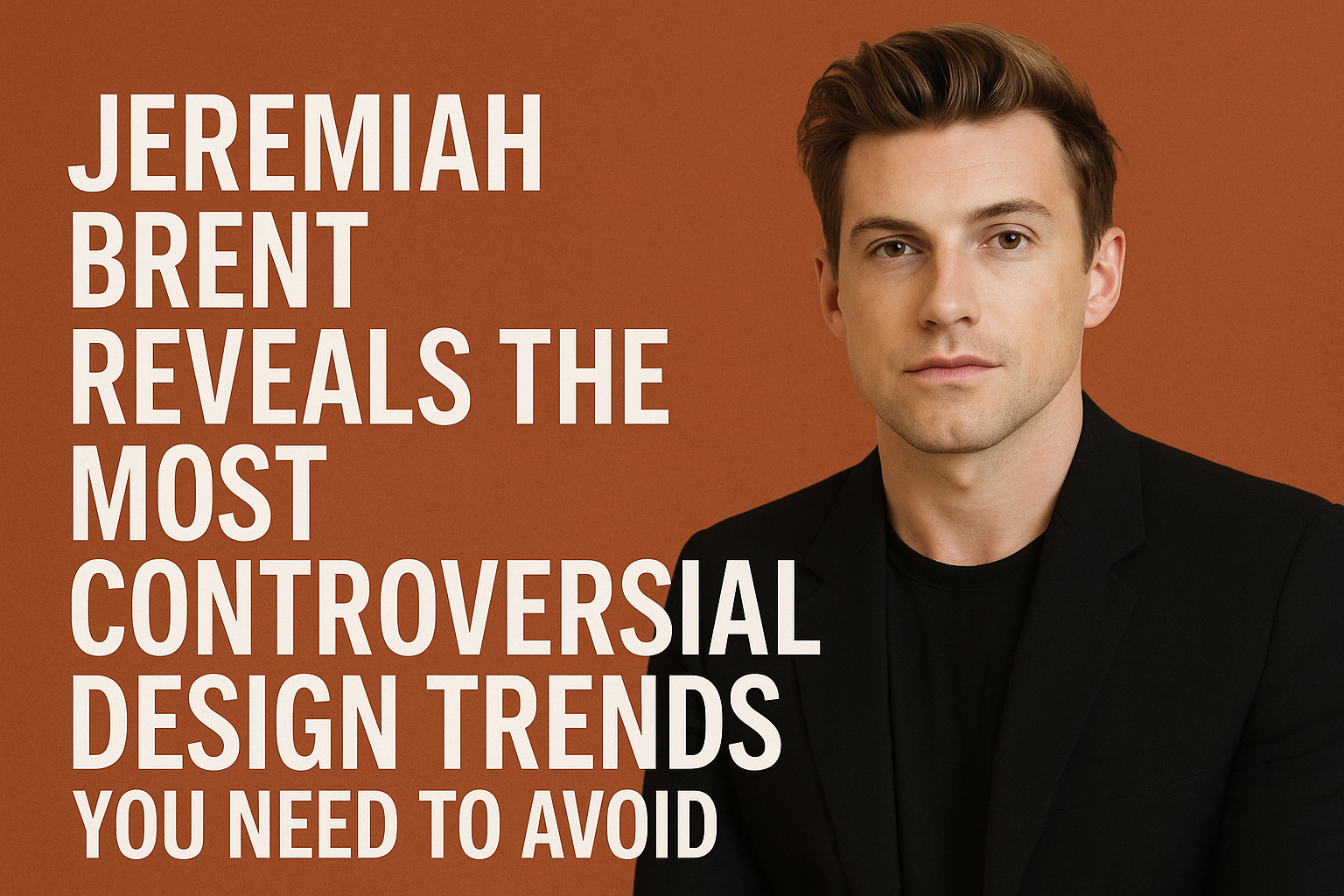
In the ever-evolving world of interior design, social media platforms like Instagram have become the breeding grounds for trends that often spark heated debates. Jeremiah Brent, a prominent voice in the design community, has recently weighed in on some of the worst design trends fueled by social media hype. His insights reveal how platforms can lead to a homogenization of styles, often prioritizing aesthetic over authenticity. In this article, we delve into the top eight design trends that Brent criticizes, exploring their implications and why they might not stand the test of time.
1. Sad Beige Rooms: The Color of Indifference
Brent highlights the rise of “sad beige” as one of the worst design trends to infiltrate homes across the globe. This trend is characterized by a monotonous palette that lacks vibrancy and personality. While neutral colors can create a soothing environment, overusing beige can lead to spaces that feel lifeless and uninspired.
“When everything is beige, it loses its identity,” Brent emphasizes. He believes that this trend reflects a larger issue within the design community, where people are too often swayed by the desire for an Instagrammable aesthetic rather than selecting colors that resonate with their individual tastes. Instead of opting for universally acceptable shades, Brent encourages homeowners to explore bolder colors that can bring warmth and character to their spaces.
2. Bouclé Everything: A Texture Overload
Another trend that Brent criticizes is the ubiquitous use of bouclé fabric. This textured material has been incredibly popular, often showcased in furniture and decor across social media platforms. However, Brent points out that the excessive use of bouclé can overwhelm a space, making it feel chaotic rather than cohesive.
While texture plays an essential role in design, Brent advises moderation. “Too much bouclé can create a sensory overload that detracts from the beauty of other elements in a room,” he cautions. He suggests combining bouclé with more understated textures to achieve balance and depth, ultimately allowing each fabric to shine without overshadowing others.
3. One-Size-Fits-All Furniture: The Dangers of Homogeneity
Brent also takes issue with the trend of one-size-fits-all furniture, which often emerges from social media’s visual emphasis on uniformity. This trend promotes a sense of conformity in home decor, where consumers purchase similar pieces they see online without considering their unique space or personal style.
“Furniture should be a reflection of who you are,” Brent argues. He believes that relying on generic pieces can lead to homes that lack character and authenticity. Instead, Brent advocates for sourcing furniture that tells a story, whether through vintage finds, custom pieces, or items that hold personal significance.
4. Open Shelving Everywhere: A Recipe for Chaos
Open shelving has gained immense popularity on platforms like Instagram, often showcased as a way to display beautiful dishes and decor. However, Brent warns that this trend can quickly turn into chaos. While it offers visual appeal, open shelving often leads to clutter and disorganization.
“If you don’t have the time or inclination to keep your shelves styled perfectly, open shelving can be a nightmare,” Brent remarks. Instead, he suggests incorporating closed cabinetry where possible, allowing for both functionality and aesthetics without the constant pressure to maintain a curated look. (See: Overview of interior design.)
5. All-White Everything: The Sterile Aesthetic
The all-white aesthetic has dominated the design scene, creating a sense of sterility in many homes. While Brent acknowledges the appeal of a clean, bright space, he warns that such an approach can lead to a lack of warmth and personality. White walls, furniture, and decor can feel cold and uninviting, devoid of the character that comes from color and texture.
Brent encourages homeowners to integrate colors that evoke emotion and warmth, suggesting that a well-rounded palette can enhance a space’s intimacy. By adding contrasting elements and accents, one can achieve a harmonious balance between modernity and comfort, steering clear of the pitfalls associated with the all-white trend.
6. Matchy-Matchy Decor: The Death of Individuality
Another trend Brent critiques is the matchy-matchy decor style, which often stems from social media’s visual expectations. This trend encourages homeowners to purchase coordinating sets of furniture and accessories, leading to a lack of creativity and personal expression in home design.
Brent argues that individuality should be celebrated in a home, and mixing different styles, colors, and textures can create a more dynamic and personalized space. “Your home should tell your unique story, not just replicate a magazine layout,” he advises. By intentionally curating a mix of elements, homeowners can create spaces that feel authentic and lived-in.
7. Ignoring Functionality for Aesthetics: A Critical Misstep
Brent emphasizes the dangers of prioritizing aesthetics over functionality, a trend that is increasingly visible in social media posts. Stunning decor might capture attention, but if it lacks practicality, it can lead to frustration in everyday life. For example, fancy chairs may look great in photos, but if they’re uncomfortable for sitting, they ultimately fail their intended purpose.
“Your home should be a balance of beauty and practicality,” Brent insists. He encourages homeowners to consider how they will use their spaces and to choose decor that enhances both function and form. This approach ensures that a home is not just visually pleasing but also livable and enjoyable.
8. Trends Over Timelessness: The Fallacy of Fleeting Aesthetics
Lastly, Brent warns against a tendency to chase fleeting trends at the expense of timeless design principles. Social media often amplifies short-lived fads, leading many to redecorate constantly in pursuit of what’s “in”. This approach can become overwhelming and unsustainable.
“Invest in pieces that you love and that will stand the test of time,” Brent advises. By focusing on timeless designs and quality materials, homeowners can create spaces that feel enduring and meaningful, rather than disposable. This not only fosters a sense of stability but also allows for a more genuine connection to one’s home.
9. The Rise of Minimalism without Meaning: A Cold Approach
While minimalism can create a sense of calm and order, Brent highlights its potential downsides when it is pursued without intention. The trend of stripping spaces of personal belongings in favor of a stark, minimalist aesthetic can result in areas that feel sterile and uninviting. Brent believes that minimalism should not equate to a lack of personality or warmth. (See: Latest news on design trends.)
Instead of creating a barren environment, Brent encourages homeowners to find a balance between minimalism and personalization. “It’s about curating what you own and showcasing items that hold significance to you,” he explains. By doing so, homeowners can achieve a minimalist look while still telling their unique stories through their decor.
10. Faux Finishes: The Deceptive Illusion
Another trend gaining traction is the use of faux finishes, such as faux wood or faux marble. While these options can be cost-effective, Brent warns that they can often feel disingenuous and lacking in quality. “Nothing beats the real thing,” he states, emphasizing that authentic materials not only enhance the aesthetic of a space but also contribute to its overall value.
Utilizing genuine materials can create a more inviting and rich atmosphere in the home. Brent suggests that homeowners consider investing in authentic finishes for key elements, as they can significantly elevate the design impact of a space.
11. Overly Themed Rooms: A Short-Lived Gimmick
Brent cautions against overly themed rooms, which can often feel gimmicky and lacking in depth. While themes can provide a fun starting point for design, adhering too rigidly to a concept can result in spaces that feel forced. “Design should reflect your personality, not just a theme,” he observes.
Instead of anchoring a room entirely around a theme, Brent advocates for a more nuanced approach. Homeowners can incorporate themed elements subtly, allowing for a space that feels cohesive yet not confined. “It’s all about balance,” he adds, encouraging creativity and flexibility in the design process.
12. FAQ on the Worst Design Trends
What are some examples of the worst design trends?
Some common examples include sad beige rooms, excessive use of bouclé fabric, one-size-fits-all furniture, and matchy-matchy decor. These trends often prioritize aesthetics over individuality and functionality.
Why should I avoid these trends?
Avoiding these trends can help you create a more personalized and functional living space. By focusing on authenticity and practicality, your home will not only reflect your unique style but also be a comfortable place to live.
How can I incorporate my personal style into my home design?
Consider selecting pieces that tell a story about your life or interests. Mix and match colors, textures, and styles to create a space that reflects you rather than conforming to popular trends. (See: Style section of The New York Times.)
Are there design trends that are worth following?
While trends can be fleeting, some focus on sustainability, biophilic design, and personalization tend to have lasting appeal. Investing in quality materials and timeless designs can be beneficial for long-lasting aesthetics.
What role does social media play in shaping design trends?
Social media plays a significant role in promoting trends due to its visual nature, leading to a rapid spread of certain styles. However, it can also create pressure to conform to popular aesthetics, sometimes at the expense of individual creativity.
How can I identify if a trend is truly “bad” for my home?
To determine if a trend is unsuitable for your home, consider whether it aligns with your personal style and needs. If a trend sacrifices functionality, comfort, or creates a space that feels impersonal, it may be wise to avoid it. Additionally, trends that require excessive maintenance or constant updates can lead to frustration.
What are some timeless design principles I can incorporate?
Timeless design principles include using classic color palettes, investing in quality materials, and focusing on scale and proportion in your furniture choices. Additionally, prioritize functionality and comfort in your design decisions to ensure your home remains inviting and practical over time.
Can I mix trends with timeless design elements?
Absolutely! Mixing current trends with timeless design elements can create a unique and dynamic space. However, be deliberate in your choices—incorporate trendy items as accents while keeping foundational elements classic to maintain a cohesive look.
In conclusion, Jeremiah Brent’s insights into the worst design trends stemming from social media serve as a valuable reminder for homeowners to prioritize individuality, practicality, and authenticity in their spaces. By steering clear of these problematic trends, individuals can create homes that truly reflect their personalities and lifestyles. It’s time to embrace design that resonates on a deeper level, moving beyond the superficial allure of social media aesthetics.
“`
Trending Now
Frequently Asked Questions
What are the most controversial design trends to avoid?
Jeremiah Brent identifies several controversial design trends to avoid, including sad beige rooms and the excessive use of bouclé fabric. He emphasizes that these trends often prioritize social media aesthetics over individuality and can lead to uninspired living spaces.
Why is sad beige considered a bad design trend?
Sad beige is criticized for creating lifeless and uninspired environments. Brent argues that while neutral colors can be soothing, overusing beige results in spaces that lack personality and fail to reflect individual tastes.
What is the issue with using bouclé fabric in home decor?
Jeremiah Brent warns against the overuse of bouclé fabric, as it can create a sensory overload and make a space feel chaotic. He suggests using texture in moderation to maintain a cohesive and visually appealing design.
How do social media trends influence interior design?
Social media platforms, like Instagram, often promote trends that can lead to a homogenization of styles. Brent believes this prioritizes aesthetic over authenticity, causing homeowners to choose trends rather than designs that truly resonate with their personal tastes.
What alternatives does Jeremiah Brent suggest to sad beige rooms?
Brent encourages homeowners to explore bolder colors that add warmth and character to their spaces, rather than settling for universally accepted shades like beige. He advocates for selecting colors that reflect individual tastes and enhance the identity of a room.
What did we miss? Let us know in the comments and join the conversation.