
“`html
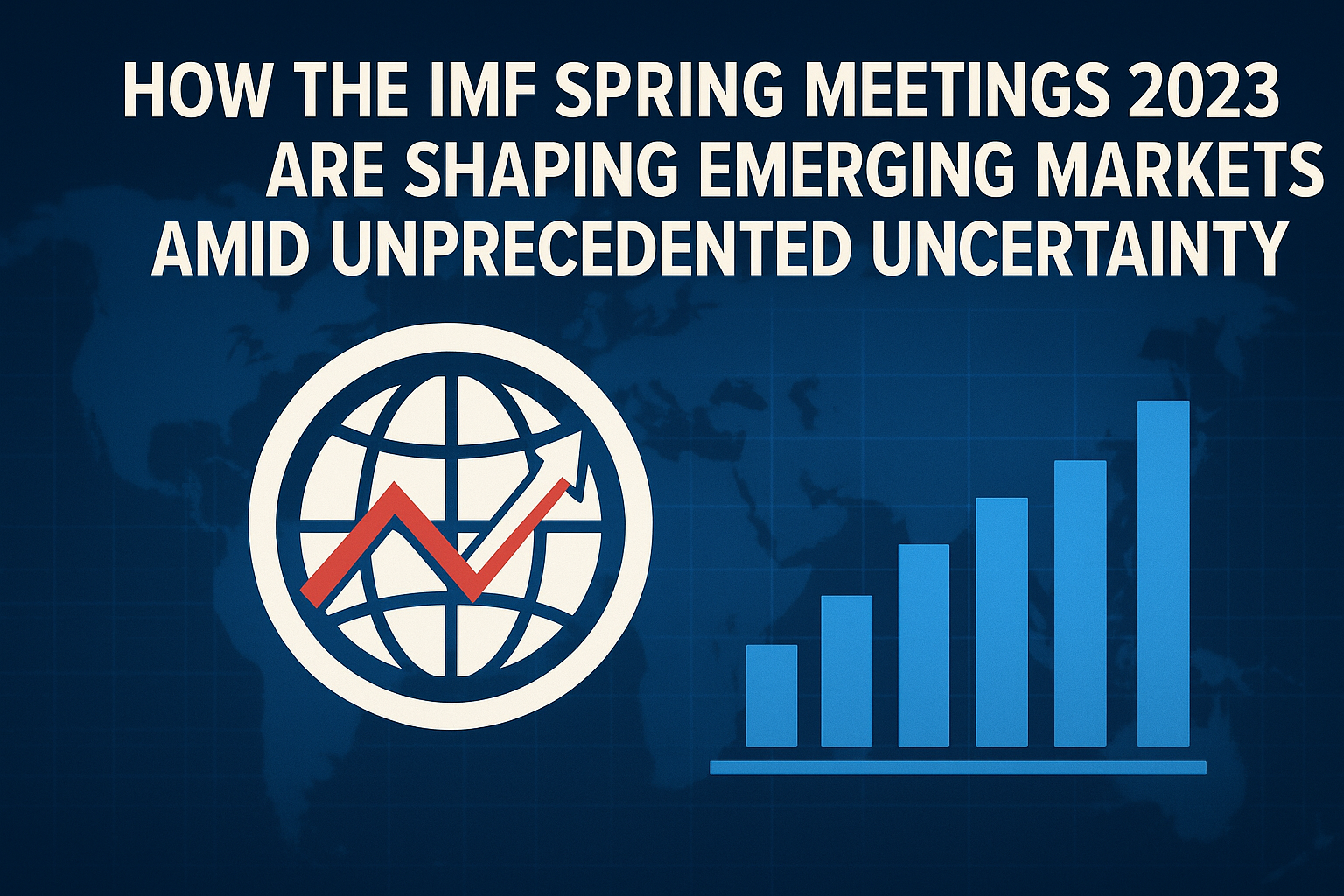
The IMF Spring Meetings 2023 are drawing significant attention as global markets grapple with an intricate web of challenges and opportunities. In the backdrop of a resilient U.S. economy, driven in part by artificial intelligence (AI)-related capital expenditures, investors are navigating a landscape marked by heightened uncertainty. This article delves into the pivotal themes discussed during the meetings, emphasizing the resilience of emerging markets, the quest for diversification, and the broader implications for global economic stability.
The Economic Climate: Resilience Amid Uncertainty
As we examine the implications of the IMF Spring Meetings 2023, it’s crucial to contextualize the current economic climate. Global markets are navigating a confluence of factors that are redefining how investors approach asset allocation and risk management. The U.S. economy remains robust, largely fueled by increased investments in AI and technology. This surge in capital spending is not only bolstering domestic growth but also serving as a critical engine for global economic revitalization.
However, the promise of resilient growth is tempered by significant uncertainties. Geopolitical tensions, fluctuating commodity prices, and evolving trade policies continue to create an unpredictable environment. The IMF’s outlook highlights concerns about inflationary pressures and the potential for recession, leading to anxiety among investors. Amid this backdrop, emerging markets are becoming a focal point for investors seeking diversification and potential growth.
Diversification: The New Investment Imperative
Investors are increasingly drawn to emerging markets as a strategy for diversification. In 2023, the IMF Spring Meetings underscored the importance of looking beyond traditional markets, especially in light of the volatility that has characterized the global economy. Emerging markets offer unique opportunities, often with higher growth potential compared to developed economies. However, they also present distinct risks, including political instability and economic fluctuations.
During the meetings, discussions highlighted how tariffs and policy shifts impact investment decisions. As global trade dynamics shift, many investors are recalibrating their portfolios to account for these risks. For example, sectors such as technology and renewable energy in emerging economies are gaining traction as they align with global trends toward sustainability and digitization.
- Technology Investments: Emerging markets are increasingly becoming hubs for tech innovation. Countries like India and Brazil are witnessing a surge in tech startups, attracting significant foreign investments.
- Renewable Energy: The global shift toward sustainability creates opportunities for emerging markets rich in natural resources. Countries investing in renewable energy infrastructure stand to benefit significantly.
Investor Sentiment: Navigating Fear and Opportunity
The sentiment among investors during the IMF Spring Meetings 2023 was a mix of caution and optimism. The prevailing anxiety surrounding the potential for economic downturns or recession is palpable, with many investors adopting a defensive posture. This cautious approach stems from concerns over inflation, rising interest rates, and geopolitical tensions that disrupt market stability.
Yet, amid this fear lies an undercurrent of opportunity. For many investors, the quest for yield in a low-interest-rate environment has led them to explore emerging markets more deeply. These markets often provide higher returns, albeit with higher risk. As the global economy shifts, strategic investments in emerging markets may be seen as a hedge against domestic uncertainties.
The Role of Central Banks
Central banks play a pivotal role in shaping investor sentiment. As policymakers discuss monetary policy adjustments during the IMF Spring Meetings 2023, their actions are closely watched by market participants. The potential for interest rate hikes in developed economies raises questions about capital flows to emerging markets. (See: CDC on economic impacts of health.)
In response to these challenges, central banks in emerging economies are adopting innovative monetary policies to stabilize their currencies and uphold investor confidence. The IMF’s guidance in these meetings serves as a critical resource for policymakers as they navigate these turbulent waters.
The Future of Emerging Markets: Trends to Watch
Emerging markets are poised for transformation as they adapt to changing global dynamics. The discussions surrounding the IMF Spring Meetings 2023 highlighted several key trends that investors should monitor closely:
- Digital Transformation: Many emerging economies are embracing digital technologies, thereby driving efficiency and innovation. This trend is expected to reshape sectors such as finance, healthcare, and education.
- Supply Chain Resilience: The pandemic revealed vulnerabilities in global supply chains. Emerging markets are increasingly becoming integral to supply chain diversification strategies, attracting investment due to their geographical advantages.
- Climate Action: With a growing emphasis on sustainability, emerging markets that prioritize climate-resilient growth are more likely to attract investment in the coming years. This presents a dual opportunity for economic growth and environmental stewardship.
Recession Risks and Asset Allocation Strategies
As we consider the implications of the IMF Spring Meetings 2023, the specter of recession looms large. Investors are acutely aware of the historical patterns that accompany economic downturns, leading to shifts in asset allocation. Understanding these risks is critical for effective portfolio management.
To navigate this landscape, investors should consider flexible strategies that can adapt to changing conditions. Here are some actionable approaches:
- Stay Diversified: A well-diversified portfolio can mitigate risks associated with specific asset classes. Consider blending equities from both developed and emerging markets to capture growth while spreading risk.
- Focus on Quality: Invest in high-quality companies with strong fundamentals that can weather economic volatility. These companies tend to be more resilient during downturns.
- Monitor Economic Indicators: Keep a close eye on economic indicators such as GDP growth, inflation rates, and employment figures. These metrics can provide valuable insights into market trends and potential risks.
The Global Impact of the IMF Spring Meetings 2023
The IMF Spring Meetings 2023 have far-reaching implications, not only for investors but also for policymakers and global economic stability. The discussions that unfold during these meetings shape the strategic directions of countries and influence international economic cooperation.
As emerging markets navigate their unique challenges, the insights gained from the IMF meetings can help these countries formulate effective policies to attract investment and sustain growth. Collaboration among nations is essential in addressing shared challenges, from climate change to economic inequality.
Emerging Market Spotlight: Case Studies
To illustrate the potential of emerging markets discussed during the IMF Spring Meetings 2023, let’s take a closer look at specific countries that have shown promise in attracting investment and fostering economic growth.
India: The Digital Economy Leader
India has emerged as a leader in the digital economy, with its technology sector witnessing exponential growth. The government’s push for initiatives like ‘Digital India’ and the proliferation of internet access have created a fertile ground for startups. Notably, India’s digital payments industry is projected to reach $1 trillion by 2023, illustrating the vast potential for investment in this space. (See: BBC report on global economic challenges.)
Brazil: Renewable Energy Hub
Brazil is positioning itself as a global renewable energy powerhouse. The country is home to vast natural resources and has made significant investments in wind and solar energy projects. According to the International Renewable Energy Agency, Brazil ranks as one of the top countries in renewable energy generation, particularly in hydropower, which accounts for nearly 60% of its energy consumption.
Challenges and Risks in Emerging Markets
While the opportunities in emerging markets are substantial, investors must remain vigilant to the inherent challenges and risks. The IMF Spring Meetings 2023 highlighted several concerns:
- Political Instability: Fluctuating political climates can disrupt economic progress. Countries experiencing political unrest may pose higher risks for foreign investors.
- Currency Volatility: Emerging markets often face currency fluctuations that can impact returns. Investors should consider hedging strategies to mitigate these risks.
- Infrastructure Deficits: Many emerging economies grapple with inadequate infrastructure, which can hinder economic growth and investment potential.
FAQ: Understanding the IMF Spring Meetings 2023
What are the IMF Spring Meetings?
The IMF Spring Meetings are an annual gathering where finance ministers, central bank governors, and other stakeholders discuss global economic issues, providing a platform for dialogue and collaboration on financial stability and development.
Why are emerging markets important for investors?
Emerging markets often present unique investment opportunities with higher growth potential compared to developed markets. They can serve as a diversification strategy, helping investors hedge against economic fluctuations in more stable economies.
What trends should investors watch in emerging markets?
Key trends include digital transformation, renewable energy investment, and supply chain resilience. Investors should monitor these trends as they indicate where growth and investment opportunities may arise.
How does central bank policy affect emerging markets?
Central bank policies in developed economies can impact capital flows to emerging markets. Interest rate changes can influence investor sentiment and the attractiveness of emerging market investments.
What risks should investors consider when investing in emerging markets?
Investors should be aware of political instability, currency volatility, and infrastructure deficits that can present challenges in emerging markets. Conducting thorough due diligence is essential.
How can investors prepare for potential recessions?
Investors can prepare by diversifying their portfolios, focusing on high-quality assets, and closely monitoring economic indicators that signal downturns. Flexible asset allocation strategies can also help manage risks effectively.
What role does technology play in emerging markets?
Technology is a key driver of growth in emerging markets, enabling innovation, improving efficiencies, and attracting investments. Countries that successfully leverage technology are likely to see enhanced economic performance and competitiveness.
How do geopolitical tensions affect emerging markets?
Geopolitical tensions can lead to increased volatility in emerging markets, impacting investor confidence and capital flows. For instance, trade disputes or sanctions can disrupt economic activities and alter investment landscapes significantly.
Conclusion: A Call to Action for Investors
The IMF Spring Meetings 2023 serve as a pivotal moment for investors and policymakers alike. The intersection of resilient U.S. growth and the uncertainties facing emerging markets creates a complex but potentially rewarding investment landscape. As we move forward, investors must remain vigilant, adaptable, and informed about the evolving economic realities.
Ultimately, the quest for diversification and growth in emerging markets offers a pathway to navigating the uncertainties of today’s economy. By leveraging insights from the IMF meetings and embracing innovative strategies, investors can position themselves for success in an increasingly interconnected world.
“`
Trending Now
Frequently Asked Questions
What were the key themes discussed at the IMF Spring Meetings 2023?
The IMF Spring Meetings 2023 highlighted several key themes, including the resilience of emerging markets, the need for diversification in investment strategies, and the implications of geopolitical tensions and inflationary pressures on global economic stability.
How is the U.S. economy influencing global markets in 2023?
In 2023, the U.S. economy is showing resilience, primarily driven by significant investments in artificial intelligence and technology. This robust economic performance is helping to revitalize global markets, even amidst uncertainties like fluctuating commodity prices and geopolitical tensions.
Why are emerging markets appealing to investors in 2023?
Emerging markets are increasingly appealing to investors in 2023 as they provide opportunities for diversification and higher growth potential. The IMF Spring Meetings emphasized the strategic importance of these markets amid global economic volatility.
What challenges are impacting global economic stability in 2023?
Global economic stability in 2023 is challenged by factors such as geopolitical tensions, inflationary pressures, fluctuating commodity prices, and evolving trade policies. These uncertainties create a complex environment for investors.
What is the outlook for inflation and recession according to the IMF?
The IMF's outlook for 2023 expresses concerns about inflationary pressures and the potential for recession, contributing to increased anxiety among investors as they navigate a challenging economic landscape.
What did we miss? Let us know in the comments and join the conversation.