
“`html
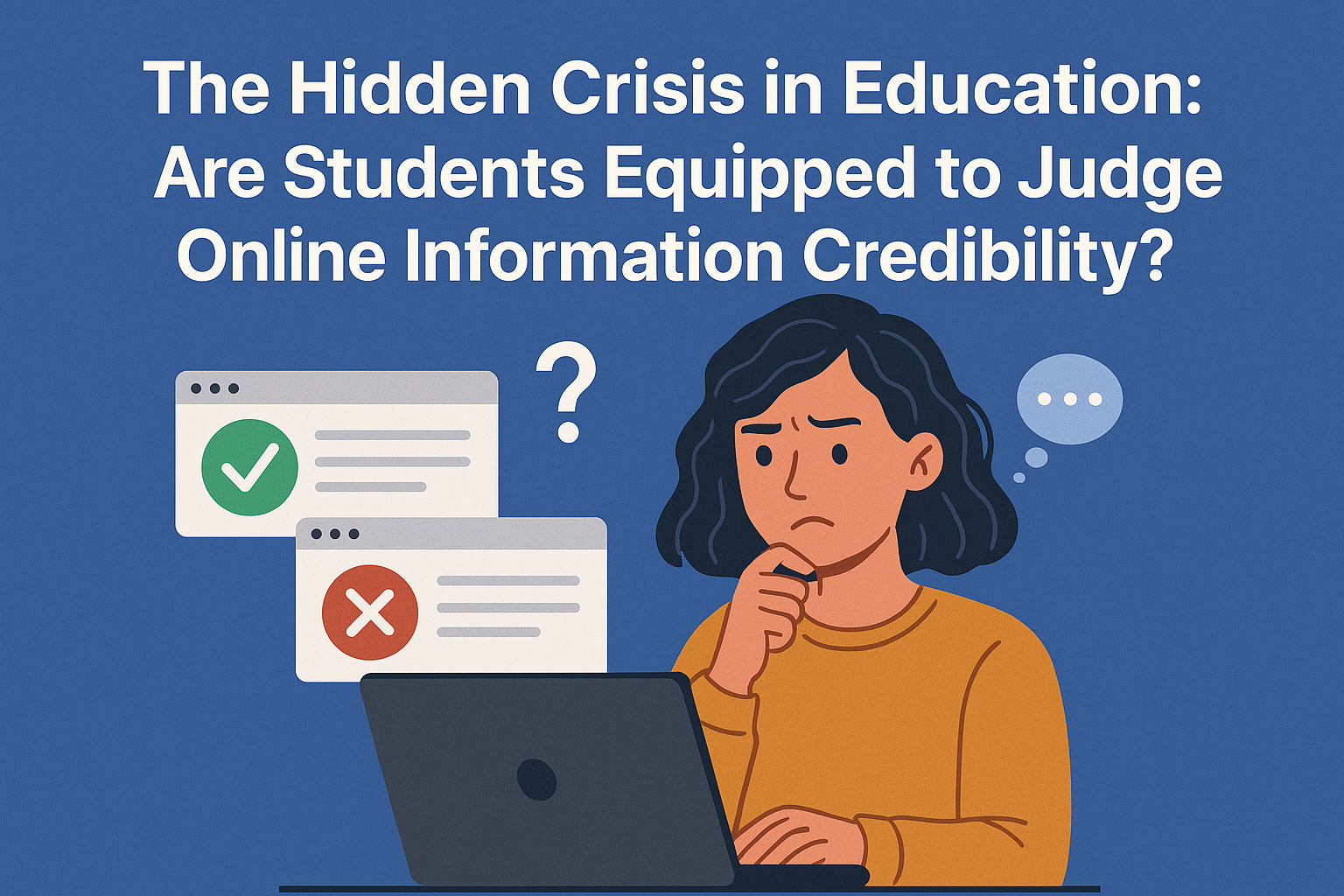
In today’s digital world, where information is just a click away, the ability to discern the online information credibility is more critical than ever. A recent study conducted by Stanford researchers has unveiled a troubling reality: many students struggle to evaluate the reliability of the information they encounter online. This finding raises significant concerns about digital literacy, an essential skill set that educators, parents, and policymakers must prioritize to protect young minds from misinformation and low-quality sources.
The Study: What Researchers Discovered
The Stanford study, widely regarded as a wake-up call for the education system, highlights the difficulties that students face in assessing the credibility of online content. The researchers conducted a comprehensive analysis involving thousands of students across different grade levels, from middle school to college. The results were alarming: a significant number of students demonstrated an inability to critically evaluate the credibility of various online sources.
For instance, many students were unable to distinguish between reputable articles from established news organizations and blog posts filled with misinformation. Students often exhibited a concerning tendency to rely on superficial indicators, such as the visual appeal of a website or the presence of hyperlinks, rather than engaging in deeper scrutiny of the content itself.
Digital Literacy: A Growing Concern
The implications of this study extend beyond individual students; they call into question the very foundation of how digital literacy is taught in schools. As the internet continues to evolve, so too does the landscape of information that students are exposed to. In an era where AI-generated content and misinformation proliferate online, it is imperative that educational systems adapt accordingly.
Digital literacy encompasses not only the ability to use technology effectively but also the critical thinking skills necessary to navigate the vast sea of information available on the internet. According to experts, without a robust framework for teaching digital literacy, students run the risk of becoming victims of misinformation and ineffective consumers of content.
The Role of Parents and Educators
Parents and educators play a crucial role in fostering online information credibility awareness among students. Conversations about the nature of online information should start at home, where parents can guide their children in recognizing credible sources. For example, discussing news articles or social media posts over dinner can provide opportunities to analyze the authenticity of the information together.
Moreover, educators must integrate lessons that focus on critical thinking and media literacy into their curricula. Teaching students how to evaluate sources involves practical exercises, such as comparing different articles on the same topic, identifying author biases, and examining the validity of the evidence presented. By incorporating these practices into everyday learning, teachers can equip students with the tools they need to navigate the complexities of online information. (See: importance of digital literacy in education.)
Challenges in the Classroom
Despite the pressing need for enhanced digital literacy education, many teachers face significant challenges in implementing these lessons. One major hurdle is the lack of formal training in media literacy. Most educators received little to no instruction on how to teach students to evaluate online information credibility effectively. This gap in knowledge can lead to a reliance on outdated teaching methods that do not address the current digital challenges.
Furthermore, the rapid pace of technological advancement poses another challenge. With new platforms and tools emerging regularly, educators must continuously adapt their teaching approaches to keep up with the latest trends. As a result, many teachers feel overwhelmed and ill-equipped to tackle the topic of digital literacy in an effective manner.
Institutional Responsibility and Policy Changes
The findings from the Stanford study have sparked necessary discussions among policymakers regarding the importance of digital literacy in education. It is essential for schools to recognize that traditional teaching methods may no longer suffice in preparing students for the complexities of the digital age. Therefore, there is an urgent need for policy reforms that prioritize the integration of media literacy into educational standards.
Some educational institutions are already making strides toward improving digital literacy. For example, several states are piloting programs aimed at enhancing critical thinking skills among students. These initiatives are designed to provide resources for teachers, allowing them to incorporate media literacy into their curricula more effectively.
Best Practices for Enhancing Digital Literacy
To combat the challenges posed by misinformation and low-quality sources, several best practices can be employed to enhance students’ ability to evaluate online information credibility. Here are a few strategies that can be implemented in both home and school environments:
- Encourage Critical Thinking: Teach students to ask probing questions about the information they encounter. Who is the author? What is the purpose of the content? Is there evidence to support the claims made?
- Use Diverse Sources: Encourage students to compare multiple sources of information on the same topic. This practice will help them recognize bias and different perspectives.
- Analyze Media: Incorporate media analysis into lessons by examining advertisements, news articles, and social media content. Discuss how these mediums can influence perceptions and present biases.
- Stay Informed: Educators and parents should remain up-to-date on the latest trends in digital media, including emerging technologies and social platforms. This awareness can help them guide students more effectively.
Understanding Online Information Credibility
Online information credibility can be evaluated through various criteria, some of which include authority, accuracy, currency, relevance, and purpose. Each of these components plays a vital role in determining whether a source can be deemed trustworthy.
- Authority: Who is the author or organization behind the information? Are they recognized experts in the field? Academic institutions, reputable news outlets, and established organizations tend to have higher authority.
- Accuracy: Is the information supported by evidence? Are there references or data that back up the claims made? Fact-checking websites can help verify the accuracy of dubious claims.
- Currency: How recent is the information? In fast-evolving fields like technology or health, outdated information can lead to misconceptions and poor decision-making.
- Relevance: Does the information directly pertain to the topic at hand? Ensuring relevance helps in filtering out unrelated or tangential content that may misinform.
- Purpose: Understanding the intent behind the information is crucial. Is the content designed to inform, persuade, entertain, or sell? Identifying the purpose can help determine potential biases.
Statistics on Misinformation
A 2023 report by the Pew Research Center revealed that almost 64% of Americans believe misinformation is a significant problem in the country. Furthermore, around 47% of respondents stated that they encounter misinformation daily, emphasizing the need for improved digital literacy skills. In addition, a separate study showed that only 26% of individuals could accurately identify fake news from real news consistently.
Expert Perspectives on Digital Literacy
Experts in the field of education and digital literacy advocate for innovative approaches to teach students about online information credibility. Dr. Jennifer L. Johnson, a professor at the University of California, states, “Incorporating real-world scenarios into learning can help students practice evaluating information. For instance, analyzing a trending topic on social media can provide a practical experience in discerning credibility.” (See: study on digital literacy and online credibility.)
Similarly, Dr. Michael K. Smith, a media literacy researcher, emphasizes the importance of collaboration between parents and schools: “When parents are actively involved in discussing media with their children, it reinforces the lessons they learn at school and creates a holistic approach to digital literacy education.”
Comparative Analysis: Traditional vs. Modern Approaches
Traditional approaches to teaching literacy often focused on reading and writing skills without addressing the complexities of digital information. In contrast, modern approaches integrate technology, questioning techniques, and collaborative learning to create a more comprehensive understanding of media literacy. For instance, traditional methods may involve textbook readings and lectures, while modern methods encourage hands-on projects where students analyze the credibility of various sources in real-time.
FAQ about Online Information Credibility
What is online information credibility?
Online information credibility refers to the trustworthiness and reliability of information found on the internet. It is essential for effective decision-making, education, and public discourse.
How can I teach my child about online information credibility?
Start by discussing current events and news articles, encouraging your child to ask questions about the authors, sources, and evidence. Use practical exercises to evaluate different types of content together.
What tools can help in evaluating online information?
Several online tools can assist in evaluating information, such as fact-checking websites (like Snopes and FactCheck.org), search engines that highlight credible sources, and browser extensions that flag potentially misleading content.
What role do social media platforms play in misinformation?
Social media platforms can amplify misinformation due to their wide reach and the speed at which information spreads. Users often share content without verifying its credibility, making it essential for users to be vigilant about the sources they engage with.
How can organizations combat misinformation?
Organizations can combat misinformation by promoting transparency, fact-checking claims, and providing training on digital literacy to employees. Creating guidelines for information sharing and engagement on social media is also crucial in mitigating the spread of false information.
What are some successful case studies in teaching digital literacy?
Several educational institutions have implemented successful digital literacy programs. For example, the Media Literacy Project in New Mexico provides workshops for educators that focus on teaching media literacy across subjects. Schools that integrate these programs report improved critical thinking skills among students, as well as a greater awareness of misinformation.
The Future of Digital Literacy Education
Looking ahead, the evolution of digital literacy education must remain dynamic and adaptable. As technology continues to change, so too should the methods used to teach students how to discern online information credibility. Emerging technologies, such as AI and machine learning, present both challenges and opportunities. Educators will need to be equipped to teach students how these technologies influence information creation and dissemination.
Additionally, fostering partnerships with tech companies can lead to the development of educational tools that promote critical evaluation skills. By leveraging technology, educational institutions can create immersive learning experiences that engage students and enhance their ability to assess information credibility critically.
Conclusion: The Path Forward
The Stanford study serves as a crucial reminder of the need to prioritize digital literacy in education. As students journey through a landscape filled with misinformation and unreliable sources, it is essential that educators, parents, and policymakers come together to equip them with the skills needed to navigate the complexities of the digital world. By fostering an environment that emphasizes critical thinking and responsible media consumption, we can empower the next generation to become informed, discerning consumers of information.
Ultimately, addressing the issue of online information credibility will require a collective effort, but the stakes are high. As misinformation continues to threaten the integrity of our discourse, we must act decisively to ensure that students are prepared to face the challenges of a rapidly changing information landscape.
“`
Trending Now
- How an Indian Court Ruling on Google Ads Could Change the Future of Digital Advertising
- this guide on why millions turn to expedia for unbeatable cheap travel deals
- this guide on how increased political oversight of grantmaking could change science forever
- How 14 Million Reddit Posts Reveal…
- How a Landmark Court Ruling on Google Keyword Ads Could Transform E-Advertising Forever
Frequently Asked Questions
Why is it important for students to judge online information credibility?
It's crucial for students to judge online information credibility because they are frequently exposed to misinformation. The ability to discern reliable sources helps protect them from being misled, ensuring they can make informed decisions based on accurate information.
What did the Stanford study reveal about students' ability to evaluate online sources?
The Stanford study revealed that many students struggle to evaluate the credibility of online sources. It found that a significant number could not differentiate between reputable news articles and misleading blog posts, often relying on superficial indicators rather than critical analysis.
How can digital literacy be improved in education?
Improving digital literacy in education involves integrating critical thinking skills into the curriculum. Educators should focus on teaching students how to assess information sources, recognize misinformation, and develop a deeper understanding of content credibility in the digital age.
What are the consequences of low digital literacy among students?
Low digital literacy among students can lead to the spread of misinformation, poor decision-making, and a lack of critical thinking. This not only affects individual students but also poses broader risks to society as misinformation can influence public opinion and behavior.
What role do educators play in enhancing students' ability to evaluate online information?
Educators play a vital role in enhancing students' ability to evaluate online information by teaching them critical thinking skills, encouraging skepticism towards unverified sources, and providing tools and strategies to assess the credibility of content they encounter online.
Agree or disagree? Drop a comment and tell us what you think.