
“`html
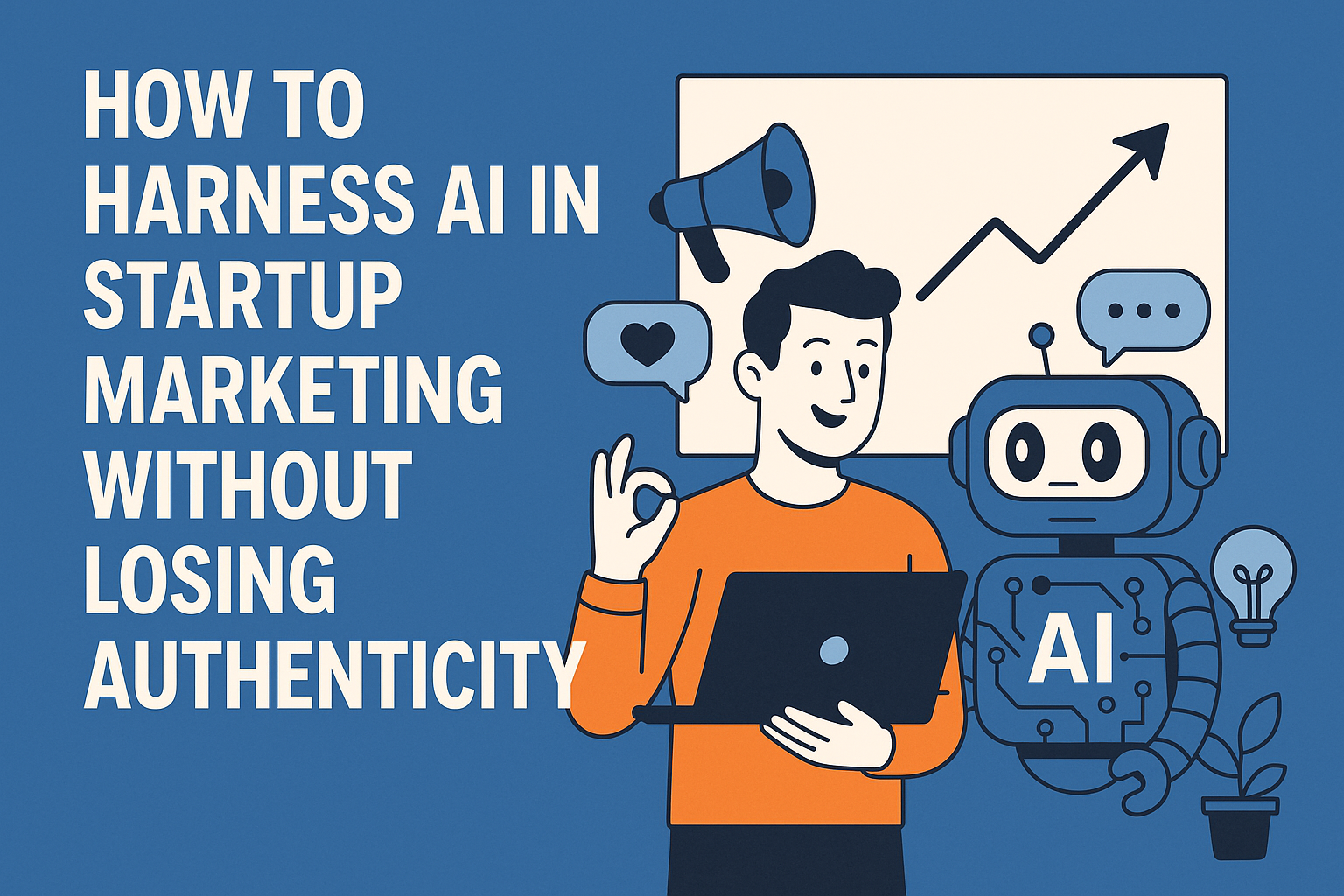
The conversation around AI in startup marketing has become increasingly relevant as startups grapple with limited budgets and the pressure to grow quickly. As founders and marketers weigh the pros and cons of integrating artificial intelligence into their marketing strategies, a critical debate emerges: Are these technologies genuinely enhancing marketing efforts or merely accelerating subpar strategies? This article aims to navigate this complex landscape, offering insights and practical tips on how to use AI effectively in startup marketing while maintaining authenticity and trust.
1. The Double-Edged Sword of AI
AI technology presents both extraordinary opportunities and significant challenges for startups. On one hand, it can streamline processes and enhance decision-making, allowing teams to focus on creative strategies instead of mundane tasks. On the other hand, there is a risk that AI could lead to the proliferation of mediocre marketing practices, generating noise rather than value. As discussed in Episode 835 of Startups For The Rest Of Us, the key lies in how startups choose to implement these technologies.
Founders must critically assess whether the AI tools they are considering will genuinely propel their marketing efforts forward. Are they simply speeding up existing ineffective methods, or do they provide a strategic advantage? This examination is crucial, as poor implementations can lead to wasted budgets and missed opportunities, particularly in a startup environment where resources are often stretched thin.
2. Defining the Right Use Cases for AI
To leverage AI in startup marketing effectively, businesses must identify the right use cases. Common applications include data analysis, customer segmentation, and automated content creation. AI can analyze vast amounts of data to uncover insights about customer behavior and preferences that might otherwise go unnoticed. This analysis enables startups to craft highly targeted marketing campaigns, maximizing return on investment.
However, startups should also be careful about over-relying on AI for creative tasks. While AI can generate content, it often lacks the emotional nuance and cultural understanding that human marketers bring to the table. Founders should consider using AI as a tool to enhance human creativity, rather than substituting it entirely. This collaborative approach can help maintain authenticity while reaping the benefits of improved efficiency.
3. Balancing Automation and Personalization
One of the main concerns in the debate about AI in startup marketing is the balance between automation and personalization. Automation can save time and resources, but it can also lead to a lack of personal touch in marketing communications. It’s essential for startups to find a middle ground where they can automate repetitive tasks while ensuring that their messaging resonates on a personal level with potential customers.
For instance, AI can help in segmenting audiences based on behavior and preferences, allowing startups to tailor their messages more effectively. However, the actual crafting of these messages should involve a human element to ensure they reflect the brand’s voice and values. This strategy not only fosters trust but also ensures that customers feel valued—an essential factor in retaining loyalty in a competitive marketplace.
4. Establishing Trust Through Transparency
As startups embrace AI technologies, they must also prioritize transparency to build trust with their audiences. Consumers are becoming increasingly aware of how their data is used, and a lack of clarity can lead to skepticism and a reduction in customer engagement. Startups should communicate openly about how AI influences their marketing efforts and the benefits it brings to the customer experience. (See: AI's impact on marketing strategies.)
Moreover, ethical considerations surrounding AI use should not be overlooked. Startups need to ensure they are using AI responsibly, respecting customer privacy while delivering value. Establishing clear guidelines and practices can help mitigate concerns and foster stronger relationships with customers, thereby enhancing the effectiveness of AI in marketing strategies.
5. Utilizing AI Tools for Enhanced Analytics
One of the standout benefits of AI in startup marketing is its ability to enhance analytics capabilities. Startups can utilize AI-powered analytics tools to gain deeper insights into customer behavior, market trends, and campaign performance. With these insights, businesses can pivot their strategies more effectively, ensuring that they are not only reacting to current conditions but proactively anticipating future trends.
For example, leveraging predictive analytics can help startups forecast customer behaviors, allowing them to tailor their offerings and marketing efforts accordingly. This proactive approach can be a game-changer, especially in highly competitive sectors where staying ahead of trends is crucial. By investing in the right AI tools, startups can turn data into actionable insights, ultimately improving their overall marketing effectiveness.
6. The Role of AI in Content Marketing
Content marketing is an area where AI can significantly contribute, from generating ideas to optimizing distribution. AI tools can analyze what types of content perform best on various platforms, enabling startups to refine their content strategies. This data-driven approach allows marketers to focus on creating high-quality, relevant content that meets the needs of their audiences.
However, while AI can assist in generating content or optimizing SEO, the heart of compelling storytelling still resides with human creators. It’s essential for startups to strike a balance where AI tools support content creation without compromising the unique voice and message of the brand. This synergy can lead to innovative and impactful content marketing strategies that resonate with audiences.
7. Case Studies: Successful AI Integration
Many startups have successfully integrated AI into their marketing strategies, serving as inspiring case studies for others. Companies like Drift and HubSpot have used AI for chatbots and predictive analytics, leading to increased customer engagement and satisfaction. By automating customer interactions, these companies have been able to provide real-time support while collecting valuable data about customer preferences and behaviors.
Another notable example is Netflix, which employs AI algorithms to personalize user experiences based on viewing habits. This level of personalization not only enhances customer satisfaction but also drives retention and engagement, illustrating the tremendous potential of AI when applied thoughtfully. Learning from these examples can help other startups understand how to implement AI in ways that align with their brand values and marketing objectives.
8. Measuring the Impact of AI on Marketing Outcomes
For startups, measuring the effectiveness of AI in marketing is crucial for justifying investments and refining strategies. Key performance indicators (KPIs) such as customer acquisition cost, engagement rates, and conversion rates can help assess whether AI-driven initiatives are yielding positive results. Startups should regularly review these metrics to gauge the impact of AI on their marketing campaigns. (See: Effective communication strategies.)
Additionally, it’s important for startups to remain agile in their approach. The marketing landscape is continually evolving, and AI technologies are advancing at a rapid pace. By keeping a close eye on performance data, startups can adapt their strategies in real-time, ensuring that they maximize the benefits of AI while minimizing risks associated with its misuse.
9. Future Trends in AI and Marketing
As we look to the future, the role of AI in startup marketing is poised to expand even further. Emerging technologies such as natural language processing and computer vision are likely to open new avenues for engagement and personalization. Startups that stay ahead of these trends and invest in evolving their AI capabilities will likely maintain a competitive edge.
Moreover, as consumers become increasingly accustomed to AI-driven experiences, their expectations will continue to evolve. Startups must remain vigilant, adapting their strategies to meet these changing demands while maintaining a commitment to authenticity and transparency. The future of marketing lies in the successful integration of AI technologies that enhance, rather than replace, the human touch that is essential for building trust and loyalty with customers.
10. Frequently Asked Questions (FAQ) about AI in Startup Marketing
What is AI in startup marketing?
AI in startup marketing refers to the use of artificial intelligence technologies to enhance marketing efforts, streamline processes, analyze data, and personalize customer experiences. This integration can help startups reach their audience more effectively and improve overall marketing performance.
How can AI help startups with limited budgets?
AI can help startups optimize their marketing strategies by automating repetitive tasks, providing data-driven insights, and personalizing customer interactions, which can lead to more efficient use of resources and improved ROI.
What are some examples of AI tools for marketing?
Some popular AI tools include chatbots like Drift, predictive analytics platforms like Google Analytics 360, content generation tools like Copy.ai, and audience segmentation tools such as Segment. These tools help startups automate processes, analyze data, and enhance customer experiences.
Can AI replace human marketers?
While AI can automate certain tasks, it cannot replace the creativity, emotional intelligence, and cultural understanding that human marketers bring to the table. The most effective strategy is to use AI as a tool to support and enhance human creativity rather than as a complete replacement.
What ethical considerations should startups keep in mind when using AI?
Startups should prioritize transparency regarding data usage and ensure they are compliant with privacy regulations. Additionally, they should consider the potential impact of AI on employment and strive to use AI in ways that uphold ethical standards and promote trust with customers. (See: Research on AI in marketing.)
How do I measure the effectiveness of AI in my marketing strategy?
To measure the effectiveness of AI, startups should track key performance indicators (KPIs) such as conversion rates, customer acquisition costs, engagement rates, and customer satisfaction scores. Regularly analyzing these metrics can help determine the impact of AI initiatives on marketing outcomes.
What role does machine learning play in AI marketing?
Machine learning, a subset of AI, plays a significant role in marketing by enabling systems to learn from data patterns and improve over time without being explicitly programmed. This capability allows marketers to create more effective strategies based on predictive models that can anticipate customer behavior, preferences, and trends.
How can startups ensure that AI marketing tools align with their brand values?
Startups can ensure alignment by involving key stakeholders in the selection process of AI tools, regularly reviewing AI outputs for consistency with brand messaging, and setting clear guidelines for how AI should be used in marketing. Regular training and updates for the marketing team on both AI capabilities and brand values can also strengthen this alignment.
What are some common pitfalls when implementing AI in startup marketing?
Common pitfalls include over-reliance on AI without human oversight, failure to define clear objectives for AI usage, neglecting data quality, and not investing in training staff to use AI tools effectively. Addressing these pitfalls involves a strategic approach to AI integration, ensuring that human creativity and insight complement AI capabilities.
11. Conclusion
In conclusion, AI in startup marketing presents both challenges and opportunities. By leveraging AI thoughtfully, startups can enhance their marketing efforts, drive engagement, and ultimately achieve growth. Striking a balance between automation and human creativity will be key to navigating this evolving landscape effectively. As AI technologies continue to advance, the startups that adapt and innovate will likely be the ones that succeed in the competitive marketplace.
“`
Trending Now
- Unlocking the Secrets to Emotional Intelligence in Preschoolers: A Parent’s Essential Guide
- read the full story
- this guide on the surprising truth: why emotional intelligence in middle school trumps iq for success
- our breakdown of 7 engaging emotional intelligence activities for kindergarten that transform classrooms
Frequently Asked Questions
How can startups use AI in marketing effectively?
Startups can effectively use AI in marketing by identifying the right use cases such as data analysis, customer segmentation, and automated content creation. These applications help uncover valuable insights about customer behavior, enabling targeted marketing strategies that enhance engagement and conversion rates.
What are the risks of using AI in startup marketing?
The risks of using AI in startup marketing include the potential for amplifying mediocre marketing practices and wasting budgets on ineffective tools. Startups must critically assess AI implementations to ensure they provide a strategic advantage rather than just speeding up existing ineffective methods.
Can AI help maintain authenticity in marketing?
Yes, AI can help maintain authenticity in marketing by streamlining processes and allowing marketers to focus on creative strategies. However, it is crucial to implement AI thoughtfully to ensure that it enhances genuine engagement with customers rather than generating generic or inauthentic content.
What are some common AI applications in marketing?
Common AI applications in marketing include data analysis for customer insights, customer segmentation for targeted campaigns, and automated content creation to streamline marketing efforts. These tools can help startups optimize their strategies and improve overall effectiveness.
How do I choose the right AI tools for my startup?
To choose the right AI tools for your startup, assess their potential to genuinely enhance your marketing efforts. Consider whether they provide insights or streamline processes that align with your strategic goals, rather than just accelerating existing ineffective methods.
What’s your take on this? Share your thoughts in the comments below — we read every one.