
“`html
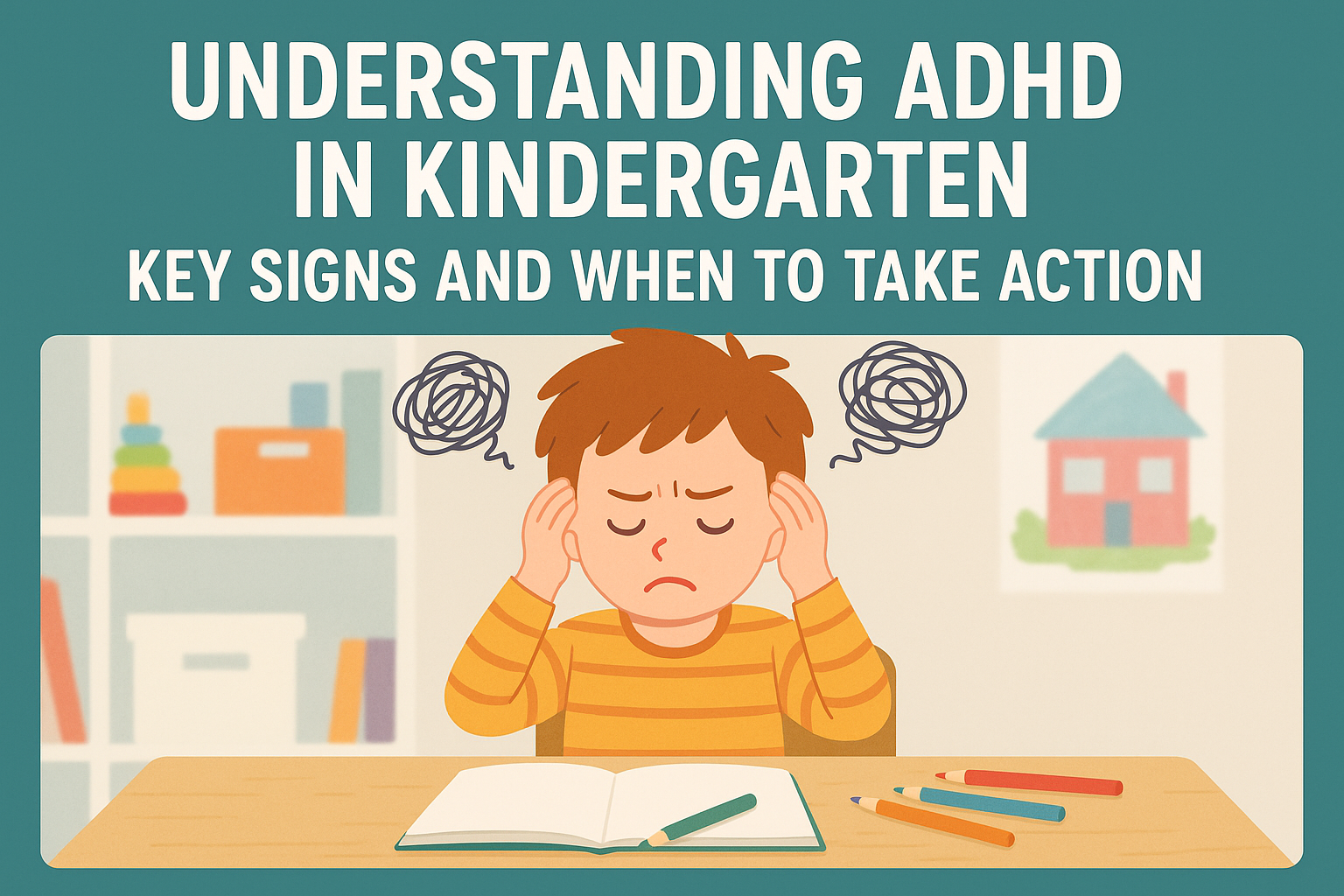
As parents and educators navigate the complexities of early childhood development, one pressing concern often arises: ADHD in kindergarten. Many parents wonder how to distinguish between typical kindergarten behavior and signs of Attention Deficit Hyperactivity Disorder (ADHD). This article examines the nuances of ADHD symptoms, compares them with normal behavior in kindergarten settings, and offers guidance on when it may be necessary to seek professional assistance.
1. Understanding ADHD: An Overview
Attention Deficit Hyperactivity Disorder (ADHD) is a neurodevelopmental disorder characterized by persistent patterns of inattention, hyperactivity, and impulsivity that interfere with functioning or development. According to the Centers for Disease Control and Prevention (CDC), about 6.1 million children in the United States between the ages of 2 to 17 have been diagnosed with ADHD as of 2016.
The symptoms of ADHD can manifest differently in children, particularly those in kindergarten, where the environment is often filled with distractions and high activity levels. Some common signs of ADHD include difficulty sustaining attention, frequent fidgeting, excessive talking, and challenges in following instructions. While these behaviors may be concerning, it’s crucial for parents and educators to recognize that not all hyperactive or inattentive behaviors indicate ADHD.
2. Typical Kindergarten Behavior: What to Expect
In kindergarten, children are in a stage of rapid development where play, exploration, and social interaction are paramount. Typical kindergarten behavior may include a mix of curiosity, frequent movement, and impulsiveness. Children often engage in play that requires social negotiation and sharing, which can lead to emotional outbursts or frustration when things do not go as they wish.
For instance, a child may appear restless or distracted during circle time, but this could be a normal expression of their developing skills in self-regulation. Research suggests that many children in this age group exhibit behaviors that are similar to those seen in ADHD, but these are often developmentally appropriate as they learn to navigate structured environments.
3. Key Differences: ADHD Symptoms vs. Normal Behavior
Distinguishing between ADHD in kindergarten and typical behavior requires careful observation. Children with ADHD tend to exhibit symptoms that are more severe, consistent, and pervasive than their peers. For example, while most children may occasionally forget instructions or daydream, those with ADHD often struggle to follow through on tasks over extended periods.
Moreover, ADHD symptoms are often present in multiple settings, not just at school. A child may exhibit consistent inattentiveness and hyperactivity at home, in social situations, and during structured activities. This pattern differentiates ADHD from normal variability in behavior, which can fluctuate depending on the setting and context.
4. When to Be Concerned: Red Flags for Parents and Educators
Understanding when to be concerned about ADHD in kindergarten involves recognizing specific red flags. If a child frequently demonstrates impulsive behaviors that lead to unsafe situations, has persistent difficulty waiting their turn, or struggles to focus on tasks consistently without any improvement over time, it may warrant further investigation.
According to pediatricians and child psychologists, other warning signs include:
- Inability to complete tasks that are age-appropriate.
- Excessive forgetfulness regarding daily activities.
- Chronic disorganization that affects school performance.
These signs are crucial indicators that may suggest a need for further evaluation by a healthcare professional. (See: CDC ADHD facts and statistics.)
5. Seeking Professional Help: The Evaluation Process
If concerns about ADHD in kindergarten arise, seeking professional help is vital. The evaluation process typically begins with a comprehensive assessment that may involve gathering information from parents, teachers, and the child. This can include standardized questionnaires and behavioral assessments tailored for ADHD diagnosis.
Psychologists and pediatricians often use tools such as the Conners Comprehensive Behavior Rating Scales, which can help in identifying ADHD symptoms and differentiating them from other developmental issues. It’s essential to approach this process with an open mind, as professionals consider various factors, including family history and other environmental influences, which may play a role in the child’s behavior.
6. Interventions: Supporting Children with ADHD in Kindergarten
Once a diagnosis is confirmed, there are numerous interventions available to support children with ADHD in kindergarten. Behavioral therapy, counseling, and classroom accommodations can significantly enhance a child’s learning experience. For instance, teachers can implement strategies such as providing clear instructions, breaking tasks into manageable chunks, and using positive reinforcement to encourage appropriate behavior.
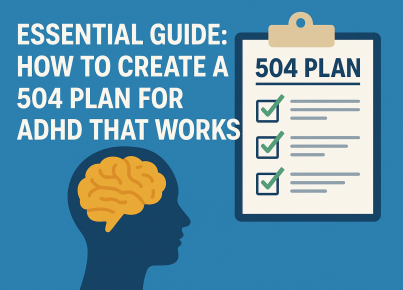
Additionally, involving parents in the process is crucial. Parents can collaborate with educators to create an Individualized Education Plan (IEP) or a 504 Plan, ensuring that the child’s specific needs are addressed in the school environment. This collaborative approach fosters a supportive network that benefits the child’s overall development.
7. Building a Supportive Environment: Tips for Parents and Educators
Creating a supportive environment for children exhibiting symptoms of ADHD begins at home and extends into the classroom. For parents, establishing a consistent routine can help children with ADHD feel more secure and focused. This might include predictable schedules, organized spaces, and clear expectations for behavior.
Educators can also contribute by fostering an inclusive classroom atmosphere. Implementing engaging activities that promote focus, such as hands-on learning, movement breaks, and interactive group work, can keep all students, including those with ADHD, more engaged. Regular communication between parents and teachers can also help ensure that strategies are aligned and effective.
8. Long-Term Outlook: Managing ADHD Beyond Kindergarten
Understanding ADHD in kindergarten is just the first step in a lifelong journey for many children. Early intervention can lead to better outcomes, but ADHD can continue to present challenges throughout a child’s academic career. It’s important for families to remain proactive by seeking ongoing support through therapy, medication if necessary, and adapting strategies as the child grows.
Research indicates that children who receive proper support and intervention are more likely to thrive in school and in social settings. Learning effective coping strategies and developing self-regulation skills early on can set a strong foundation for the future.
9. Common Misconceptions About ADHD
Several misconceptions about ADHD can complicate the understanding of the disorder. One common myth is that ADHD is simply a result of poor parenting or lack of discipline. This misconception undermines the neurodevelopmental basis of ADHD and can lead to stigma around seeking help.
Another widespread belief is that children will outgrow ADHD. While some children may see a reduction in symptoms as they mature, many will continue to experience challenges throughout their lives. Recognizing these misconceptions is essential in fostering a more informed and compassionate approach to ADHD. (See: NIMH ADHD statistics and information.)
10. Resources for Parents and Educators
For parents and educators looking to learn more about ADHD in kindergarten, numerous resources are available. The CDC provides guidelines and educational materials on ADHD, while organizations like CHADD (Children and Adults with Attention-Deficit/Hyperactivity Disorder) offer support and advocacy. Additionally, online platforms, local support groups, and educational workshops can provide invaluable information and community support.
As parents and educators work together, creating a supportive and understanding environment for children with ADHD can pave the way for success. By recognizing the signs, seeking help when necessary, and fostering a nurturing atmosphere, we can empower children to thrive both academically and socially.
11. Statistics and Current Trends in ADHD
Recent studies indicate that the prevalence of ADHD diagnoses among children has seen a significant increase. According to the CDC, the rate of diagnosed ADHD rose from 6.1% in 1997 to 10.2% in 2016. This rise could be related to better awareness and understanding of the disorder, leading to more children being evaluated and diagnosed.
Additionally, research shows that boys are diagnosed with ADHD at a much higher rate than girls, with estimates suggesting that boys are three times more likely to be diagnosed. However, many experts argue that the criteria for diagnosis may not always encompass the symptoms often exhibited by girls, who may present their symptoms differently, often internalizing them rather than displaying overt hyperactivity.
12. Expert Perspectives on ADHD in Kindergarten
Experts in child psychology emphasize the importance of early recognition and intervention in managing ADHD symptoms. Dr. Thomas Brown, a well-known psychologist specializing in ADHD, notes that early support can significantly alter the trajectory of a child’s development. He emphasizes that understanding the child’s strengths, not just focusing on deficits, is crucial. This perspective encourages parents and educators to recognize areas where children excel, fostering a positive self-image.
Moreover, Dr. Stephen Hinshaw, a leading researcher on ADHD, points out that while interventions are critical, building resilience within children is equally important. Teaching children coping strategies and self-advocacy skills can empower them, allowing them to navigate challenges more effectively throughout their lives.
13. Frequently Asked Questions (FAQ)
What are the most common symptoms of ADHD in kindergarten-aged children?
Common symptoms include difficulty focusing, excessive fidgeting, impulsivity, difficulty waiting for their turn, and challenges in following multi-step instructions.
How can I help a child with ADHD in a classroom setting?
Provide structured routines, use visual aids for instructions, create engaging and interactive lesson plans, and implement regular breaks to help children with ADHD stay focused and engaged. (See: Research on ADHD in children.)
Are there non-medical interventions for ADHD?
Yes, behavioral therapy, parent training, and educational interventions are effective non-medical approaches. These strategies can help improve a child’s self-regulation and social skills.
Can diet play a role in managing ADHD symptoms?
Some studies suggest that certain dietary changes, such as reducing sugar intake, increasing omega-3 fatty acids, and ensuring a balanced diet, may help manage symptoms, although more research is needed in this area.
What should I do if I suspect my child has ADHD?
Consult your child’s pediatrician or a child psychologist for an evaluation. Keep a record of observed behaviors and how they impact daily life, as this information can help in the assessment process.
14. Coexisting Conditions with ADHD
ADHD often coexists with other disorders, making diagnosis and treatment more complex. Conditions such as anxiety disorders, learning disabilities, and oppositional defiant disorder (ODD) frequently occur alongside ADHD. Understanding these comorbidities is essential for developing a comprehensive intervention plan. For example, children with both ADHD and anxiety may require tailored strategies that address both sets of symptoms, including therapeutic approaches that focus on emotional regulation.
15. Implementing Strategies at Home
Parents can play a critical role in managing ADHD symptoms at home. Simple strategies include using checklists for daily tasks, implementing reward systems for positive behavior, and ensuring that the home environment is conducive to concentration. Designating a quiet space for homework, limiting distractions such as television and noise, and establishing a consistent homework routine can help children manage their time and tasks effectively. The effectiveness of these strategies can improve the child’s confidence and ability to cope with challenges.
16. Future Outlook for Children with ADHD
As children with ADHD progress through school and beyond, the focus shifts to long-term strategies for success. While challenges may persist, many adults with ADHD lead successful lives by employing coping strategies and seeking support when needed. Encouraging self-awareness regarding their condition and teaching self-advocacy skills can empower children as they enter adolescence and adulthood. Schools can support this transition by promoting programs that teach social skills, emotional intelligence, and time management, preparing them for future academic and personal success.
“`
Trending Now
Frequently Asked Questions
What are the signs of ADHD in kindergarten?
Signs of ADHD in kindergarten include persistent inattention, hyperactivity, and impulsivity. Common behaviors may involve difficulty sustaining attention, frequent fidgeting, excessive talking, and challenges in following instructions. It's important to differentiate these signs from typical developmental behaviors in young children.
How can I tell if my child has ADHD or is just being a typical kindergartner?
Distinguishing ADHD from typical kindergarten behavior can be challenging. While all children exhibit some hyperactive and inattentive behaviors, ADHD symptoms are more persistent and interfere with daily functioning. Observing the frequency and impact of these behaviors can help determine if professional evaluation is needed.
When should I seek help for my child's behavior?
If your child's behavior significantly disrupts their learning or social interactions, it may be time to seek help. Signs that warrant professional evaluation include persistent difficulties in concentrating, excessive impulsivity, and ongoing challenges in following instructions, especially if they continue over time.
What is the typical behavior of kindergarten children?
Typical kindergarten behavior includes curiosity, frequent movement, and impulsiveness. Children often engage in play that involves social negotiation and sharing, which can lead to emotional outbursts. Such behaviors are generally part of their developmental stage, but it's essential to monitor for signs of ADHD.
How prevalent is ADHD among children?
According to the CDC, approximately 6.1 million children in the United States aged 2 to 17 have been diagnosed with ADHD as of 2016. This highlights the importance of understanding ADHD symptoms and their impact on early childhood development in settings like kindergarten.
Agree or disagree? Drop a comment and tell us what you think.