
“`html
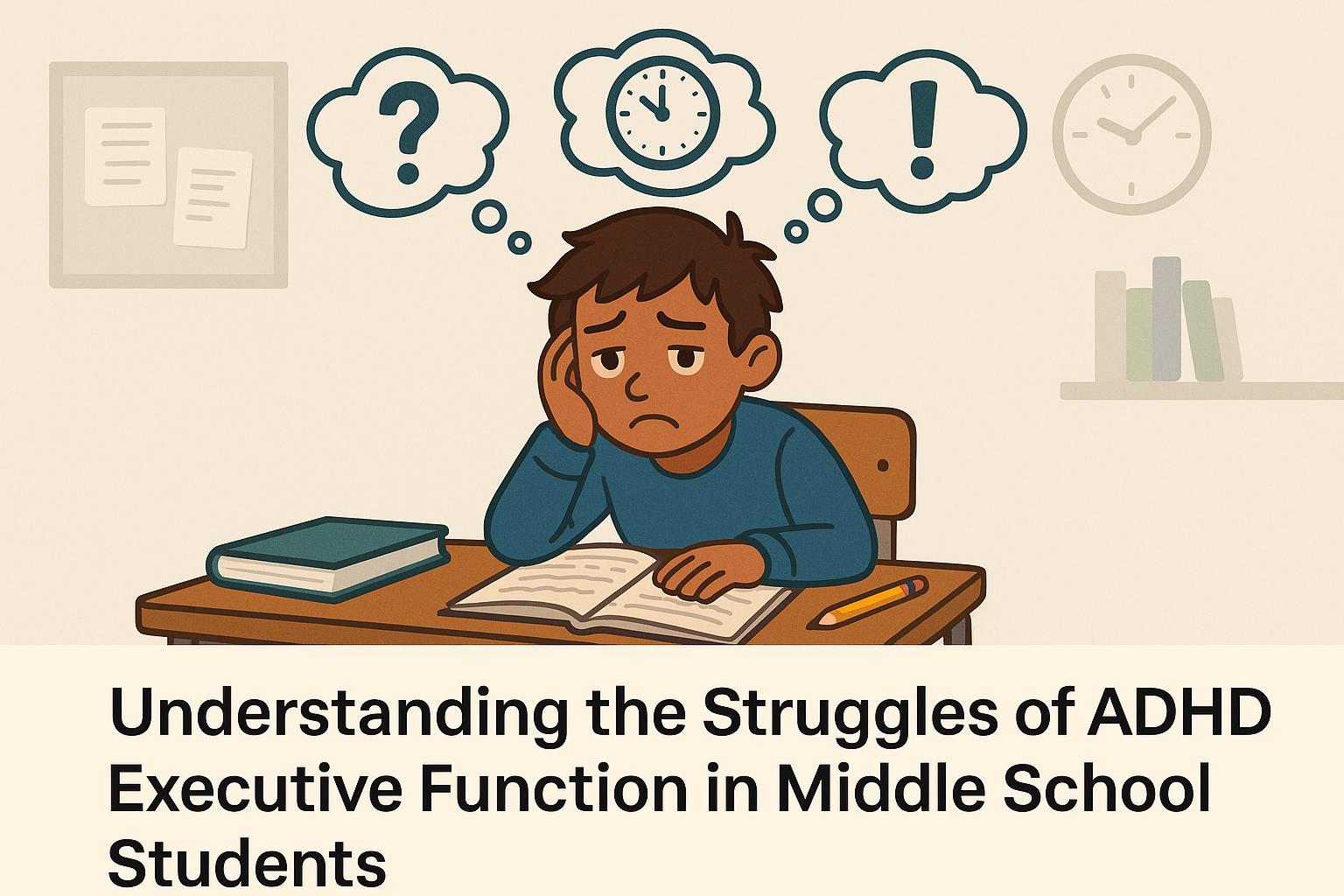
For many parents, watching their middle schoolers navigate academic and social challenges can be a daunting experience, especially when those challenges stem from conditions like ADHD (Attention Deficit Hyperactivity Disorder). One of the most significant areas impacted by ADHD is executive function, a set of cognitive processes that are crucial for organization, time management, and goal setting. Understanding how ADHD affects executive function in middle school students is essential for parents, educators, and peers to provide the right support and interventions.
The Basics of Executive Function and ADHD
Executive function refers to a collection of cognitive skills that allow individuals to plan, prioritize, and execute tasks. These skills are generally divided into three main categories: working memory, cognitive flexibility, and inhibitory control. Each of these areas plays a crucial role in how students manage their daily responsibilities.
In the context of ADHD, executive function challenges can be particularly pronounced. Research indicates that children with ADHD often struggle with organizing tasks, managing time effectively, and regulating their emotions. According to the CDC, ADHD affects approximately 6.1 million children in the United States, making it a prevalent condition with significant implications for educational outcomes.
Why Executive Function is Crucial in Middle School
Middle school is a pivotal period in a child’s academic journey. It typically marks the transition from elementary school, where children often have more structured environments and closer supervision, to high school, which introduces greater independence and responsibility. During this time, the demands on executive function skills become more intense. Students are required to:
- Manage multiple subjects and their corresponding homework assignments
- Navigate complex social dynamics and peer relationships
- Balance extracurricular activities with academic responsibilities
- Develop time management strategies to meet deadlines
For students with ADHD, these escalating demands can feel overwhelming. The deficits in executive function often translate into difficulties in organization, leading to missed assignments, chaotic backpacks, and a constant sense of being behind.
Understanding the Impact of ADHD on Organization
When we talk about organization in relation to ADHD, it encompasses several key areas, including task organization, emotional regulation, and physical space organization. Here’s how each area can manifest in middle schoolers:
Task Organization
Many middle school students with ADHD struggle to keep track of assignments and deadlines. This can lead to:
- Frequent Forgetting: Forgetting to write down homework assignments or misplacing important papers.
- Lack of Prioritization: Difficulty in determining which tasks are urgent or important, resulting in last-minute cramming.
- Inconsistent Performance: Fluctuating grades and performance levels due to lack of organization.
As students progress through middle school, the demands on their organizational skills increase significantly. Without appropriate support, their academic performance may suffer greatly.
Emotional Regulation
Emotional regulation is another critical aspect of executive function that can be severely impacted by ADHD. Middle school can be an emotionally turbulent time, and students with ADHD may experience:
- Heightened Frustration: Difficulty managing emotions can lead to outbursts or withdrawal when faced with challenges.
- Social Withdrawal: Fear of failure or social rejection may cause students to avoid engaging in group activities or projects.
- Increased Anxiety: The pressure to keep up with peers can lead to anxiety, which further impairs their executive functioning.
These emotional challenges can exacerbate organizational difficulties, creating a cycle that is hard to break. (See: CDC ADHD facts and statistics.)
Physical Space Organization
Many students with ADHD struggle to maintain an organized physical space. Common issues include:
- Messy Desks and Backpacks: Important materials may be lost amidst clutter, making it difficult to find what they need.
- Disorganized Study Areas: An inability to create a conducive study environment can hinder focus and productivity.
- Difficulty Following Routines: Challenges in establishing and adhering to daily routines can lead to chaotic mornings and rushed preparations.
Addressing physical organization may require specific strategies and supports, tailored to the individual needs of the student.
Effective Strategies for Supporting Middle School Students with ADHD
Understanding how ADHD affects executive function is just the beginning. The next step is implementing effective strategies that can help students thrive academically and socially. Here are several methods to consider:
Organizational Tools
Utilizing organizational tools can make a significant difference for students with ADHD. Consider the following:
- Planners and Calendars: Encourage the use of planners to track assignments, deadlines, and activities. Digital calendars can also be beneficial due to reminders and alerts.
- Color-Coding Systems: Implement color-coding for different subjects or types of assignments to make it easier for students to locate materials quickly.
- Checklists: Create checklists for daily tasks or projects to help students visualize what needs to be done.
These tools provide tangible support that can enhance organization and reduce anxiety.
Creating a Structured Environment
Establishing a predictable and structured environment is crucial for middle schoolers with ADHD. Here are some tips:
- Consistent Routines: Develop morning and evening routines that students can follow consistently. This can help reduce chaos and increase predictability.
- Designated Study Areas: Create a specific area for studying, free from distractions, to help foster focus and productivity.
- Regular Check-ins: Schedule regular check-ins with the student to review progress and adjust strategies as needed.
A structured environment can help students feel more secure and capable of managing their responsibilities.
Encouraging Self-Advocacy
It is essential to help students with ADHD develop self-advocacy skills. This can empower them to seek help and communicate their needs effectively. Consider the following steps:
- Teach About ADHD: Help students understand their condition, so they know they are not alone and can articulate their challenges to others.
- Set Goals: Encourage students to set personal academic and organizational goals, fostering a sense of ownership over their progress.
- Encourage Communication: Promote open communication with teachers about their challenges and accommodations that may help them succeed.
By encouraging self-advocacy, students can take charge of their learning and feel more empowered in their educational journey.
The Role of Educators and Parents
Both educators and parents play a pivotal role in supporting middle school students with ADHD and executive function difficulties. Collaboration between home and school can lead to a cohesive support system. Here are some ways that both parties can work together:
Educator Strategies
Teachers can implement various strategies to accommodate students with ADHD, including: (See: NIH ADHD information and research.)
- Flexible Seating Arrangements: Allowing students to choose seating arrangements that help them focus, such as standing desks or quiet corners, can improve engagement.
- Break Instructions into Manageable Steps: Breaking tasks into smaller, manageable steps can help students focus and not feel overwhelmed.
- Provide Regular Feedback: Offering frequent, constructive feedback on assignments helps students stay on track and make necessary adjustments.
By implementing these strategies, educators can create a more inclusive learning environment for students with ADHD.
Parent Involvement
Parents can support their children’s executive function development at home by:
- Monitoring Progress: Regularly checking in on assignments and progress can help parents identify areas where their child may need additional support.
- Encouraging Independence: Slowly giving children more responsibilities can help them develop their organizational skills over time.
- Seeking Professional Help: If organizational challenges persist, consider seeking assistance from professionals such as psychologists, counselors, or ADHD coaches.
Parental involvement can significantly enhance the support that students receive in their educational environment.
Common Misconceptions About ADHD and Executive Function
There are several misconceptions surrounding ADHD and its impact on executive function that can hinder understanding and support. Here are a few prominent myths:
Myth 1: ADHD Only Affects Attention
While attention deficits are a hallmark of ADHD, the disorder also significantly impacts executive function, including organization, planning, and self-control. Many assume that improving attention alone will resolve all challenges, yet effective executive function support is equally necessary.
Myth 2: Kids with ADHD Are Just Lazy or Unmotivated
It’s a common misunderstanding to label children with ADHD as lazy. Their struggles stem from neurobiological differences that affect motivation and organization. Recognizing the underlying issues can lead to more effective support strategies.
Myth 3: All Children with ADHD Are Hyperactive
ADHD manifests in different ways; not all children with the condition are hyperactive. Many experience predominantly inattentive symptoms and may appear withdrawn or daydreamy. Understanding these variations is crucial for appropriate support.
Statistics on ADHD and Academic Performance
Understanding the broader impact of ADHD on academic performance is essential. A study published in the Journal of Abnormal Child Psychology found that students with ADHD are at a higher risk of failing courses compared to their peers. According to research:
- Academic Performance: Children with ADHD are more likely to receive lower grades and have a higher dropout rate.
- Disciplinary Issues: Students with ADHD often face more disciplinary actions, which can further hinder their academic progress.
- Social Challenges: These students frequently struggle with peer relationships, leading to increased feelings of isolation and anxiety.
Implementing effective support strategies in middle school can mitigate these challenges and enhance the academic and social success of students with ADHD.
Conclusion: The Path Forward for Middle Schoolers with ADHD
Understanding the intricate relationship between ADHD and executive function is essential for effectively supporting middle school students. By implementing organizational tools, creating structured environments, and fostering self-advocacy, parents and educators can help these students navigate their challenges more effectively.
Recognizing that ADHD often affects organization can pave the way for tailored interventions that foster academic success. As students learn to manage their executive function challenges with appropriate support, they can develop the skills they need to thrive in school and beyond. It is crucial to approach this journey with empathy, understanding, and a commitment to fostering resilience in our middle schoolers.
Frequently Asked Questions (FAQ)
1. What are the signs of executive function difficulties in middle school students with ADHD?
Signs may include difficulty organizing tasks, trouble managing time, forgetfulness regarding assignments, and challenges in regulating emotions. These issues can manifest in academic performance and social interactions.
2. Can executive function difficulties improve with age?
While some children may develop better executive function skills as they mature, many will require targeted support and strategies throughout their schooling to manage their ADHD effectively.
3. What role do peers play in supporting students with ADHD?
Peer relationships can significantly impact students with ADHD. Understanding, supportive friends can help mitigate feelings of isolation and build confidence, while negative interactions can exacerbate difficulties.
4. Are there specific learning strategies recommended for students with ADHD?
Yes, strategies such as breaking tasks into smaller steps, using visual aids, maintaining structured routines, and promoting an open line of communication with teachers are highly effective.
5. What should parents do if they suspect their child has ADHD?
If parents suspect their child has ADHD, they should seek a professional evaluation from a qualified healthcare provider, such as a pediatrician or psychologist, to discuss concerns and explore potential interventions.
“`
Trending Now
Frequently Asked Questions
What are executive function skills affected by ADHD?
Executive function skills impacted by ADHD include working memory, cognitive flexibility, and inhibitory control. These cognitive processes are essential for organizing tasks, managing time, and regulating emotions, which are crucial for academic success, especially in middle school.
How does ADHD affect middle school students' learning?
ADHD can significantly hinder middle school students' learning by impairing their ability to organize tasks, manage time efficiently, and control emotions. These challenges can lead to academic struggles and difficulties in navigating social relationships.
Why is executive function important in middle school?
Executive function is vital in middle school as students face increased academic demands, including managing multiple subjects and assignments. Strong executive function skills help students navigate the transition to greater independence and responsibility.
What strategies can help students with ADHD improve executive function?
Students with ADHD can benefit from strategies such as using planners for organization, breaking tasks into smaller steps, setting timers for time management, and developing routines to improve their executive function and academic performance.
What support can parents provide for ADHD in middle schoolers?
Parents can support middle schoolers with ADHD by creating structured environments, helping them develop organizational skills, maintaining open communication about challenges, and collaborating with teachers to implement effective interventions and accommodations.
Agree or disagree? Drop a comment and tell us what you think.