
“`html
The accelerating pace of education reform and the increasing rigor of advanced placement (AP) curricula have prompted educators to seek effective strategies to support diverse learners. One method that has proven effective in various educational settings is the use of scaffolding techniques for education. These techniques assist students in building upon their prior knowledge while developing new skills and understanding complex concepts. In this article, we will delve into the intricacies of scaffolding in advanced placement classes, exploring its significance, practical applications, and current relevance.
Understanding Scaffolding in Education
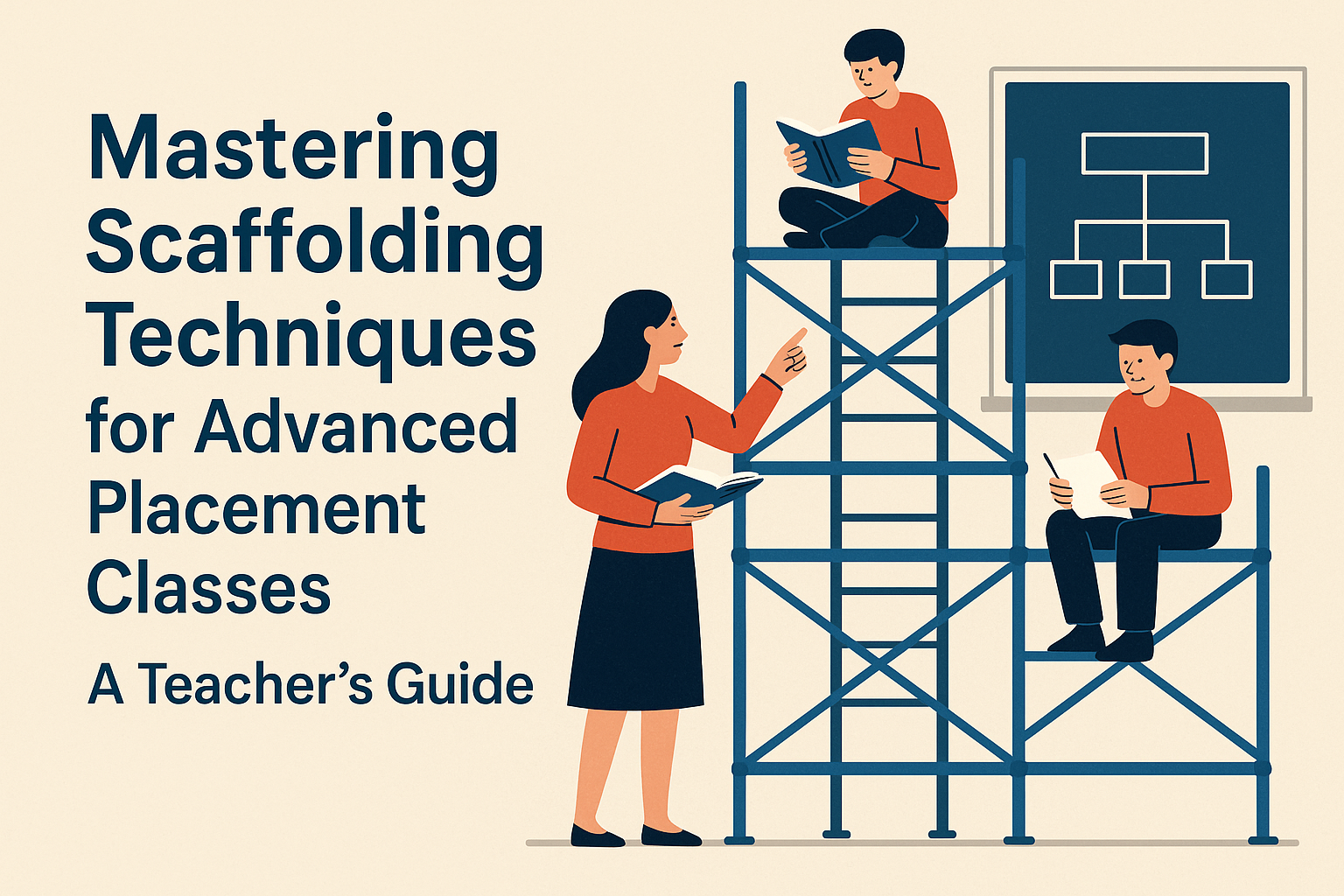
Scaffolding is a teaching approach that provides temporary support to students as they learn new concepts. The term comes from the construction industry, where scaffolding is used to support workers as they build structures. In education, scaffolding involves breaking down complex information and providing students with tools, strategies, and guidance to help them succeed. This method is especially crucial in AP classes, where the curriculum is designed to be more challenging and rigorous than standard high school courses.
One of the primary goals of scaffolding is to foster independence; as students gain confidence and competence with the material, the support is gradually removed. This technique not only aids in understanding but also encourages critical thinking skills and problem-solving abilities. Scaffolding is rooted in the Vygotskian theory of social development, which emphasizes the importance of social interaction and guidance in the learning process.
The Importance of Scaffolding Techniques in Advanced Placement Classes
Advanced placement classes cater to high-achieving students who are preparing for college-level coursework. These students often face high expectations and rigorous content that can be overwhelming without proper support. Implementing scaffolding techniques for education in AP classes is essential for several reasons:
- Differentiation: AP students come with varying levels of preparedness. Scaffolding allows teachers to tailor their instruction to meet individual needs, providing additional support where necessary.
- Building Confidence: Many students may doubt their abilities in challenging subjects. Carefully designed scaffolding can help foster a sense of accomplishment as they master difficult concepts.
- Encouraging Independence: Scaffolding promotes student autonomy by gradually shifting responsibility for learning from the teacher to the student, ensuring they are better prepared for college.
- Enhancing Critical Thinking: By breaking down complex problems, scaffolding encourages students to engage in higher-order thinking skills, essential for success in AP courses and beyond.
Key Scaffolding Techniques for AP Classes
When considering how to implement scaffolding in an advanced placement classroom, there are several effective techniques that educators can utilize:
1. Modeling and Demonstration
Modeling is one of the most fundamental scaffolding techniques. It involves teachers demonstrating a process or skill before asking students to attempt it themselves. For instance, in an AP Chemistry class, the teacher might demonstrate how to balance chemical equations before allowing students to work through similar problems. This technique helps to clarify expectations and demonstrate the thought process involved in solving complex tasks.
2. Think-Alouds
Think-alouds involve the teacher verbalizing their thought process while solving a problem or analyzing a text. This technique can be particularly helpful in AP English Literature and Composition classes, where students might struggle to analyze complicated themes or literary devices. By articulating their reasoning, teachers provide a model for students to follow, ultimately enhancing their comprehension and analytical skills.
3. Graphic Organizers
Graphic organizers are visual aids that help students organize information and see relationships between concepts. They are especially useful in AP history classes, where students need to synthesize information from various sources. These organizers can range from simple Venn diagrams to more complex flow charts, allowing students to structure their thoughts effectively and make connections between ideas.
4. Collaborative Learning
Group work and collaborative learning are powerful scaffolding techniques that foster peer-to-peer interaction. In AP classes, students can work together to solve problems, discuss texts, or conduct research projects. This collaborative effort not only promotes engagement but also allows students to learn from one another, making difficult concepts more accessible through shared insights. (See: Scaffolding in education.)
5. Gradual Release of Responsibility
The gradual release model is a systematic approach to scaffolding that moves students from teacher-led instruction to independent work. The process typically follows three stages: the teacher demonstrates (I do), the teacher guides (we do), and finally, students apply independently (you do). This technique is particularly impactful in AP courses, as it allows students to build confidence as they transition to more complex tasks.
6. Questioning Techniques
Effective questioning can stimulate critical thinking and guide students toward deeper understanding. Teachers in AP classes can employ open-ended questions that encourage discussion and exploration of ideas. For instance, in an AP Psychology class, a teacher might ask, “How do various psychological theories explain human behavior?” Such questions not only promote engagement but also help students articulate their thinking and refine their understanding.
Practical Insights for Implementing Scaffolding Techniques
While understanding the scaffolding techniques is crucial, effectively implementing these strategies in advanced placement classes is equally important. Here are some practical insights for educators:
1. Assess Student Readiness
Before implementing scaffolding strategies, it’s essential to assess the students’ prior knowledge and skills. Formative assessments, such as quizzes or class discussions, can help identify which concepts students have mastered and which ones require additional support. This assessment will inform your scaffolding approach, enabling you to tailor your methods to meet students’ specific needs.
2. Set Clear Goals
Establishing clear learning objectives is crucial for effective scaffolding. Students should understand what they are expected to learn and achieve. Clear goals will help guide the scaffolding process, allowing teachers to design appropriate support mechanisms that align with learning outcomes.
3. Foster a Growth Mindset
Encouraging a growth mindset in students can significantly enhance the effectiveness of scaffolding. When students believe that their abilities can improve with effort and perseverance, they are more likely to engage with challenging material. Teachers can foster this mindset by praising effort, emphasizing the learning process, and providing constructive feedback.
4. Incorporate Technology
Incorporating technology into the scaffolding process can provide additional resources and support for students. Online platforms, such as educational videos, interactive quizzes, and discussion forums, can serve as supplementary tools that enhance understanding and engagement in AP classes. For instance, using tools like Google Classroom can facilitate collaborative projects and provide a space for ongoing feedback and discussion.
Challenges and Considerations
While scaffolding techniques have proven effective, it’s important to acknowledge the challenges that may arise when implementing these strategies in advanced placement classes:
1. Time Constraints
AP curricula are often packed with content, leaving teachers with limited time to dedicate to scaffolding. To overcome this challenge, educators may need to be strategic in selecting which scaffolding techniques to implement and how to integrate them into existing lesson plans without compromising curriculum coverage.
2. Diverse Learning Needs
AP students come with diverse backgrounds and abilities, which can make it challenging to create universally effective scaffolding strategies. Teachers should be mindful of these differences and strive to create an inclusive environment where all students can benefit from scaffolding techniques, adjusting their approaches as necessary. (See: Scaffolding strategies from the U.S. Department of Education.)
3. Resistance to Collaboration
Some students may resist collaborative learning due to a lack of confidence or previous negative experiences. Teachers can address this resistance by fostering a supportive classroom environment where students feel comfortable taking risks and sharing their ideas. Encouraging small group discussions and gradually increasing the complexity of tasks can help build trust and cooperation among students.
Current Relevance and Future Directions
The relevance of scaffolding techniques in education continues to grow as the landscape of teaching and learning evolves. As AP courses become increasingly rigorous, the need for effective support strategies is more critical than ever. With the growing emphasis on personalized learning and differentiated instruction, scaffolding techniques are well-positioned to address the diverse needs of students.
Looking ahead, educators can further explore how advancements in technology and research on learning can enhance scaffolding practices. Incorporating artificial intelligence and adaptive learning technologies could provide personalized support to students, making scaffolding even more effective in advanced placement classes.
FAQs about Scaffolding Techniques for Education
What are scaffolding techniques?
Scaffolding techniques are instructional strategies designed to support students as they learn new concepts. These techniques provide temporary assistance, breaking down complex tasks into manageable parts until students can work independently.
Why is scaffolding important in advanced placement classes?
Scaffolding is crucial in AP classes because it helps students manage the high expectations and rigorous content. It fosters confidence, encourages independence, and enhances critical thinking, which are essential for success in these advanced courses.
Can scaffolding techniques be used in non-AP classes?
Absolutely! Scaffolding techniques can be beneficial in any educational setting, helping students of all levels build understanding and confidence in various subjects. They are versatile and adaptable to different learning environments.
How can I assess student readiness for scaffolding?
Teachers can assess student readiness through formative assessments like quizzes, discussions, or reflective writing. Observing students during collaborative tasks can also provide insights into their understanding and skills.
What role does technology play in scaffolding?
Technology can enhance scaffolding by providing interactive resources, online collaborative tools, and adaptive learning platforms that cater to individual student needs. It offers additional support and engagement opportunities that can complement traditional scaffolding techniques.
Deeper Analysis of Scaffolding Impact
Research highlights the significant impact of scaffolding techniques on student outcomes. A study published in the Journal of Educational Psychology found that students who received scaffolding support outperformed their peers in standardized tests, reinforcing the idea that targeted assistance can lead to academic success. Furthermore, educators who continuously adapt scaffolding strategies based on real-time feedback can effectively address students’ evolving needs, which is crucial for AP learners who are often at the forefront of curriculum changes. (See: Scaffolding in psychology and education.)
In addition, scaffolding can play a vital role in developing meta-cognitive skills. When students are guided through the process of reflecting on their thought processes, they learn to evaluate their understanding and adapt their learning strategies accordingly. This self-regulation is particularly beneficial in AP courses, where independent study and critical analysis are essential for mastering complex material.
Comparative Insights: Scaffolding vs. Traditional Teaching Methods
When comparing scaffolding techniques with traditional teaching methods, several distinctions stand out. Traditional methods often rely heavily on rote memorization and direct instruction, which may leave students struggling to connect concepts or apply knowledge in new contexts. In contrast, scaffolding emphasizes active learning and collaboration, allowing students to engage with material in a more meaningful way.
For example, while a traditional lecture may present historical facts for an AP History exam, scaffolding would involve students creating timelines, discussing cause-and-effect relationships, and working collaboratively to analyze primary sources. This not only deepens understanding but also makes learning more relevant and applicable, which is crucial in preparing for advanced placement assessments.
Future of Scaffolding Techniques in Education
As education continues to evolve, scaffolding techniques are likely to become even more integrated into classroom practices. Educators are increasingly recognizing the importance of personalized learning experiences and the need for adaptive strategies that cater to individual student aspirations. With the rise of blended learning environments, where face-to-face interaction is paired with online resources, scaffolding can be seamlessly woven into both formats.
Additionally, professional development for teachers focusing on innovative scaffolding strategies will be essential. Resources, workshops, and collaborative teacher networks will help educators stay informed on the latest research and best practices, ensuring that they can effectively implement scaffolding techniques that meet the needs of their students. By embracing these changes, educators can create a dynamic learning environment that prepares students for success in advanced placement courses and beyond.
Conclusion
In summary, scaffolding techniques for education represent a powerful approach to supporting student learning in advanced placement classes. By implementing these strategies, teachers can help students navigate the complexities of AP coursework while fostering independence, critical thinking, and confidence. Ultimately, the goal is to equip students with the skills they need to excel not only in their academic pursuits but also in their future endeavors.
“`
Trending Now
Frequently Asked Questions
What are scaffolding techniques in education?
Scaffolding techniques in education are instructional strategies that provide temporary support to students as they learn new concepts. These methods break down complex information into manageable parts, helping students build on prior knowledge and develop critical thinking skills, particularly in advanced placement classes.
Why is scaffolding important in advanced placement classes?
Scaffolding is crucial in advanced placement classes because it helps high-achieving students navigate rigorous content and high expectations. By providing structured support, scaffolding enables students to develop independence and confidence, which are essential for success in college-level coursework.
How can teachers implement scaffolding techniques?
Teachers can implement scaffolding techniques by breaking down lessons into smaller, manageable tasks, providing tools and strategies for students, and gradually removing support as students gain competence. This approach encourages deeper understanding and fosters independent learning.
What is the goal of scaffolding in education?
The primary goal of scaffolding in education is to foster student independence. As learners become more confident and skilled, the support provided by teachers is gradually withdrawn, allowing students to tackle complex concepts on their own and enhance their problem-solving abilities.
How does scaffolding relate to Vygotskian theory?
Scaffolding is rooted in Vygotskian theory, which emphasizes social interaction and guidance in the learning process. This approach highlights the importance of collaborative learning and the role of teachers in providing necessary support to help students achieve their educational goals.
What’s your take on this? Share your thoughts in the comments below — we read every one.