
“`html
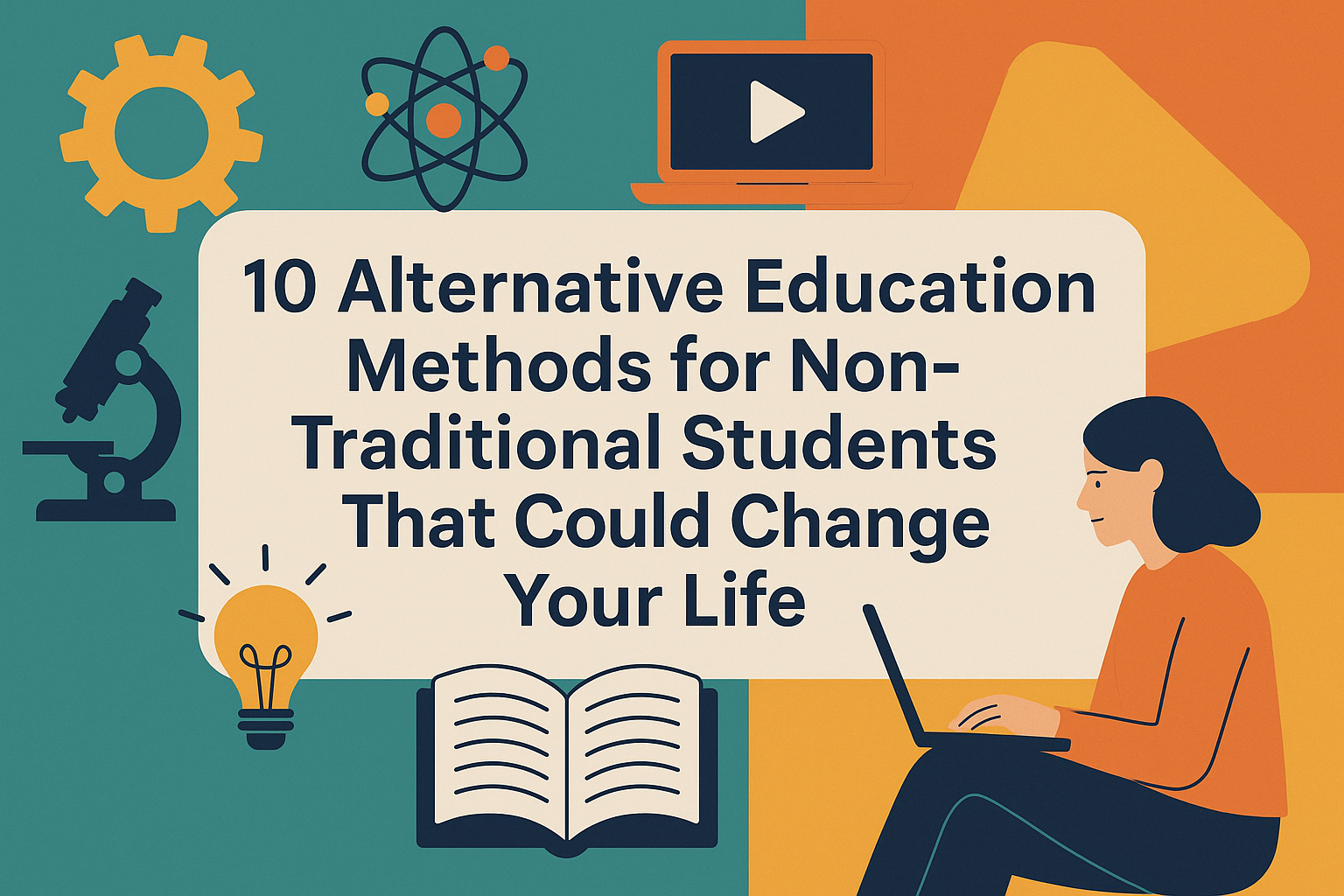
As the landscape of education evolves, so do the needs of learners, particularly non-traditional students. Whether you’re a working adult, a parent, or someone looking to shift careers, traditional education paths might not serve you well. This article explores ten alternative education methods for non-traditional students, highlighting their unique benefits and drawbacks to help you determine the best fit for your individual circumstances.
1. Online Learning Platforms
Online learning has exploded in popularity, providing flexibility that’s hard to beat. Platforms like Coursera, edX, and Udemy offer courses from accredited institutions and industry experts, allowing you to learn at your own pace. This method is particularly advantageous for busy adults balancing work and family commitments.
However, online learning isn’t without its challenges. It requires self-discipline, as the freedom to set your own schedule can lead to procrastination. Additionally, not all online courses carry the same weight as traditional degrees, so it’s crucial to research the credibility of the platform and the courses you choose.
Statistics show that nearly 40% of students at the collegiate level are enrolled in some form of online education. This surge reflects a growing acceptance of online learning, particularly among non-traditional students who value flexibility. When selecting courses, look for those that offer interactive elements such as forums, live sessions, and assignments that facilitate engagement with instructors and peers.
2. Bootcamps
Bootcamps are intensive, short-term training programs designed to equip you with specific skills quickly. Popular in fields like coding, data science, and digital marketing, these programs often promise job placement assistance upon completion. They fit well for non-traditional students looking to pivot into tech or other high-demand industries.
However, the fast-paced nature of bootcamps can be overwhelming. Many students find the workload intense and may struggle to keep up if they don’t have a background in the subject matter. Furthermore, bootcamps can be pricey, so it’s essential to weigh the costs against potential career benefits.
Data from Course Report indicates that graduates from coding bootcamps earn an average salary increase of 51% after completing their programs. If you’re considering this path, research the specific bootcamp’s outcomes and alumni network, as this can significantly impact your job prospects.
3. Community Colleges
Community colleges offer a more affordable and accessible alternative to traditional four-year institutions. They often have flexible schedules, evening classes, and part-time options, making them an excellent choice for non-traditional students. Many community colleges also have partnerships with local businesses, providing pathways to internships and jobs.
On the flip side, some people still perceive community colleges as less prestigious than universities, which can impact job prospects. It’s crucial to consider how the education you receive aligns with your career goals and whether the community college you’re considering has strong ties to your desired field.
In the U.S., community colleges enroll more than 7 million students each year, offering programs that lead directly to employment or transfer to four-year institutions. Many community colleges also provide adult education programs focused on skill development, making them a versatile option for non-traditional learners. (See: U.S. Department of Education.)
4. Hybrid Learning Models
Hybrid learning combines online coursework with face-to-face instruction. This model offers the best of both worlds, allowing for flexibility while still providing personal interaction with instructors and peers. For non-traditional students who thrive on collaboration but need the flexibility of online learning, this approach can be particularly effective.
However, hybrid models can be challenging to navigate, especially for those who are not technologically savvy. Additionally, the need to attend in-person classes might clash with work or family responsibilities, so planning is essential to make it work.
Many institutions are now offering hybrid programs across subjects, making it easier for non-traditional students to find options that fit their schedules. A survey found that 73% of students prefer a blend of online and in-person learning, highlighting a demand for this flexible approach.
5. Self-Directed Learning
Self-directed learning places the responsibility for education squarely on the individual. This method allows you to explore subjects and skills that interest you without the constraints of a structured program. Resources like books, online articles, and educational videos make this an appealing option for the curious learner.
While self-directed learning fosters independence and initiative, it can also lead to feelings of isolation and lack of direction. Without a structured environment, some students might struggle to stay motivated or miss out on crucial knowledge. A potential solution is to join online forums or groups related to your learning interests to find community support.
Research from the Institute for Self-Directed Learning suggests that self-directed learners are often more engaged and retain information better than those in traditional settings. By curating your learning resources and setting personal milestones, you can create a pathway that feels rewarding and effective.
6. Apprenticeships
Apprenticeships provide hands-on experience in a trade or profession while you learn. This method is particularly beneficial for non-traditional students looking to gain practical skills while earning a wage. Fields like construction, healthcare, and manufacturing often use apprenticeships as a means of training and retaining talent.
However, apprenticeships can require a significant time commitment, which may not suit everyone’s schedule. Additionally, the availability of apprenticeship programs can vary significantly by region, so potential learners should research local opportunities well in advance.
According to the U.S. Department of Labor, apprenticeships can lead to job placements with an average starting salary of around $60,000, showcasing the economic advantages of this education method. Many companies are actively seeking apprenticeships to build their workforce, increasing opportunities for non-traditional students.
7. Peer Learning and Study Groups
Engaging in peer learning through study groups or co-learning environments can be incredibly beneficial. This method allows you to learn from your peers, exchange ideas, and gain different perspectives on the material. Non-traditional students can particularly benefit from this collaborative approach, as it can help build a support network.
However, peer learning still requires accountability and self-discipline. If group members are not equally invested in the learning process, it can lead to frustration. To combat this, establish clear goals and expectations for your study group from the outset. (See: CDC Youth Risk Behavior Survey.)
A study from the University of Minnesota found that students who engaged in peer learning performed significantly better than their non-participating counterparts, emphasizing the power of collaboration in enhancing educational outcomes. Finding a group that shares your commitment level can make a considerable difference in your success.
8. Experiential Learning
Experiential learning emphasizes learning through experience, allowing you to apply theoretical knowledge to real-world scenarios. This method is particularly effective in fields such as education, healthcare, and social services, where hands-on experience can significantly enhance understanding.
While experiential learning can provide invaluable insights, it can also be difficult to find quality opportunities. Non-traditional students may need to be proactive in seeking out internships or volunteer positions that align with their learning objectives. Networking within your community can often lead to unexpected opportunities.
Data from the National Society for Experiential Education (NSEE) shows that students engaged in experiential learning are 20% more likely to stay enrolled and complete their programs. This underscores the importance of connection and practical experience in the educational journey.
9. Personalized Learning Plans
Creating a personalized learning plan allows non-traditional students to tailor their education to their unique needs and goals. This could involve selecting courses from various sources, setting specific learning objectives, and choosing the pace at which to learn. Personalized plans can be particularly useful for those balancing multiple commitments, as they provide the freedom to adjust as needed.
However, the responsibility for creating and managing a personalized plan can be daunting for some. It may require significant self-reflection and clarity about your goals, which can be challenging if you’re unsure of your direction. Seeking guidance from mentors or educational advisors can help streamline this process.
According to a recent survey, 60% of adult learners expressed a desire for personalized learning experiences. Institutions that offer customizable pathways are better positioned to attract and retain non-traditional students looking for tailored educational solutions.
10. Alternative Schools and Learning Communities
Alternative schools and learning communities often adopt unconventional approaches to education, focusing on experiential, project-based, or individualized learning. These environments can be more responsive to students’ needs and foster a sense of community among learners. For non-traditional students, such schools can provide a more nurturing atmosphere compared to traditional settings.
Nonetheless, alternative schools may not always align with traditional accreditation standards, which can complicate further education or job applications. It’s essential to thoroughly research the institution’s reputation and the value of its programs in your desired field. Make sure it meets your educational and career needs before committing. (See: New York Times on online learning.)
In recent years, there has been a noticeable increase in the number of alternative schools, with many reporting higher student satisfaction rates. A study from the National Center for Alternative Education shows that 75% of students in alternative settings felt more engaged than they did in traditional schools, highlighting the potential benefits of these methods.
FAQs About Alternative Education Methods for Non-Traditional Students
What are alternative education methods?
Alternative education methods refer to non-traditional approaches to education that cater to varied learning styles, needs, and circumstances, often focusing on practical skills and personalized learning experiences.
Who are considered non-traditional students?
Non-traditional students typically include adult learners, working professionals, parents, veterans, or individuals who have taken a break from education and are now seeking to further their skills or qualifications.
Are online learning platforms credible?
Many online learning platforms partner with accredited institutions and industry experts. However, it’s essential to verify the credibility of the specific course and platform to ensure it meets your educational and career goals.
How do I choose the best alternative education method for me?
Consider your personal circumstances, learning style, career goals, and time commitments. Research each method, weigh the pros and cons, and align your choice with what suits your lifestyle and aspirations.
Can I transfer credits from community college to a four-year university?
Yes, many community colleges have transfer agreements with four-year institutions. It’s vital to confirm with both the community college and the university about the transferability of credits before enrolling.
The diversity of alternative education methods for non-traditional students is a testament to the evolving nature of learning. By exploring each of these options, you can make informed decisions that align with your lifestyle, goals, and aspirations. Remember, the best educational path is one that resonates with you personally, leading to both personal growth and professional success.
“`
Trending Now
- Unlock Your Potential with High-Ticket Sales Training at FSE LLC
- this guide on why students with adhd struggle with pragmatic language skills: understanding the challenges
- Why Role Play is Essential for Teaching Social Pragmatics in Middle School
- 7 Critical Pragmatics Challenges English Language…
Frequently Asked Questions
What are alternative education methods for non-traditional students?
Alternative education methods for non-traditional students include online learning platforms, bootcamps, community colleges, self-directed learning, and experiential learning. These options cater to diverse needs, offering flexibility and skill-specific training that traditional education may not provide.
How does online learning benefit non-traditional students?
Online learning offers non-traditional students unparalleled flexibility, allowing them to study at their own pace while managing work and family commitments. Platforms like Coursera and Udemy provide access to courses from accredited institutions, making education more accessible.
What are the challenges of bootcamps for non-traditional students?
While bootcamps provide intensive training and quick skill acquisition, their fast-paced nature can be overwhelming for non-traditional students. Additionally, the quality of bootcamps can vary, so it's essential to research their reputation and job placement success rates.
Why should non-traditional students consider self-directed learning?
Self-directed learning allows non-traditional students to take control of their education, focusing on topics that interest them. This method fosters independence and can be tailored to fit individual schedules, making it a flexible and personalized approach to learning.
What is experiential learning and how can it help non-traditional students?
Experiential learning involves gaining knowledge through hands-on experiences, such as internships or volunteer work. For non-traditional students, this method enhances practical skills and can lead to valuable networking opportunities, making it an effective complement to traditional education.
Agree or disagree? Drop a comment and tell us what you think.