
“`html
Emotional intelligence (EI) is more than just a buzzword; it’s a vital skill set that shapes how individuals manage emotions, communicate effectively, and connect with others. For preschoolers, developing emotional intelligence is crucial, as it lays the groundwork for future social interactions and academic success. In this guide, we’ll explore various strategies that parents can employ to foster emotional intelligence in preschoolers, ensuring they grow into emotionally aware and resilient individuals.
Understanding Emotional Intelligence in Preschoolers
Emotional intelligence in preschoolers encompasses the ability to recognize, understand, and manage their emotions while also being able to empathize with others. It can be broken down into a few core components:
- Self-awareness: Understanding one’s own emotions.
- Self-regulation: Managing emotions in various situations.
- Empathy: Recognizing and responding to the emotions of others.
- Social skills: Navigating social interactions effectively.
Research indicates that children with high emotional intelligence perform better academically, have stronger relationships, and exhibit fewer behavioral problems. As a parent, your role in nurturing these skills can set the stage for your child’s lifelong emotional and social development.
Why Emotional Intelligence Matters
Building emotional intelligence in preschoolers is especially important in today’s fast-paced and often stressful environment. Children who possess strong emotional intelligence are typically better equipped to handle challenges, form positive relationships, and communicate their feelings effectively. Academic studies have shown that emotional intelligence is as significant as cognitive intelligence (IQ) in predicting success.
For instance, a study published in the journal Child Development found that children who exhibit higher emotional intelligence tend to have better coping mechanisms when faced with stress. They are also more likely to engage in prosocial behaviors, such as sharing and cooperating with peers. Understanding these benefits can motivate parents to prioritize emotional intelligence in their child’s upbringing.
Practical Strategies to Build Emotional Intelligence
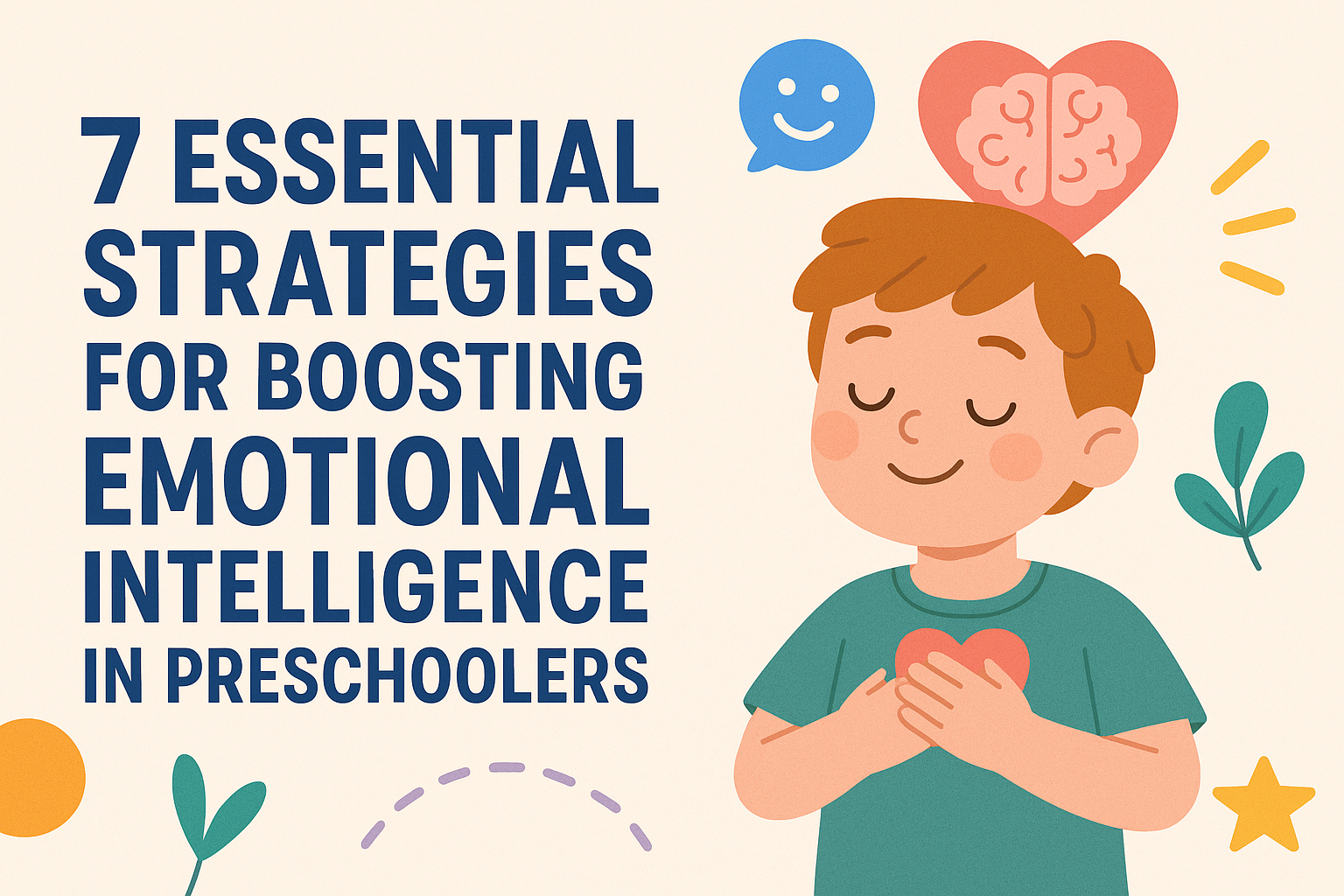
As a parent, you’re in a unique position to help your preschooler navigate their emotional landscape. Here are seven practical strategies to foster emotional intelligence:
1. Model Emotional Awareness
Your children learn a lot from observing you. By openly expressing your feelings and discussing them in age-appropriate ways, you demonstrate emotional awareness. Instead of hiding your frustration or pretending everything is okay, consider saying something like, “I’m feeling a bit sad today because I miss Grandma.” This encourages your child to express their emotions too.
Additionally, when discussing your feelings, explain why you feel that way and how you handle those feelings. This provides a framework for your child to understand that it’s okay to feel a mix of emotions and that there are healthy ways to cope.
2. Teach Emotion Vocabulary
One effective way to nurture emotional intelligence in preschoolers is by expanding their emotional vocabulary. Instead of only using basic terms like “happy” or “sad,” introduce a range of emotions: excited, frustrated, anxious, or overwhelmed. You can do this through storytelling, role-playing, or even through art. Ask them to draw how they feel on a particular day or describe a character’s emotions in a story. (See: Emotional and mental health resources.)
This practice not only enhances their ability to articulate feelings but also helps them recognize emotions in themselves and others. A child who can say they feel “frustrated” rather than just “mad” can better understand their emotional state.
3. Encourage Empathy Through Play
Play is a critical aspect of preschool development, and it’s an excellent opportunity to cultivate empathy. Encourage your child to engage in cooperative play or role-playing scenarios where they must consider others’ feelings. Activities like pretending to care for a doll or playing games that require teamwork can help them understand different perspectives and develop empathy.
Additionally, discussing the emotions of characters in books or movies can deepen their empathetic understanding. After reading a story, ask questions like, “How do you think that character felt? What would you do if you were in their shoes?” This kind of dialogue encourages them to think critically about emotions.
4. Create a Safe Space for Expression
Ensure that your home is a safe space for your child to express their emotions freely. Let them know that all feelings are valid and encourage them to talk about their experiences. When they do share their feelings, listen actively without judgment. Respond with empathy and validation, which reinforces the idea that their emotions matter.
You can also create rituals around expressing feelings, like a “feelings circle” at the end of the day where each family member shares how they felt during the day. This practice fosters open communication and reinforces the importance of emotional expression.
5. Use Real-Life Examples
Real-life situations can be great teaching moments. When conflicts arise, whether between siblings or during playdates, guide your child through the process of identifying emotions and resolving conflicts. Encourage them to articulate their feelings and consider the feelings of others involved.
For example, if two children are fighting over a toy, you might say, “It looks like both of you want to play with that. How can we solve this?” This not only teaches conflict resolution but also emphasizes the importance of understanding multiple emotional perspectives.
6. Practice Problem-Solving Skills
Teaching preschoolers how to approach problems effectively is a key component of emotional intelligence. Use simple scenarios to guide them in thinking through potential solutions to everyday issues. For instance, if your child is upset about a friend not sharing, help them brainstorm ways to express their feelings or find a compromise.
This practice not only aids emotional understanding but also fosters resilience. Encourage your child to see challenges as opportunities for growth rather than setbacks. Praise their efforts in problem-solving, which reinforces their capability to handle emotions and navigate social situations. (See: Research on emotional intelligence in children.)
Current Relevance of Emotional Intelligence
As society evolves, the importance of emotional intelligence continues to gain recognition. In a world increasingly characterized by rapid technological advancement and social media interactions, emotional intelligence serves as a vital counterbalance. Children equipped with emotional intelligence are often more adaptable to change and better prepared to face the complexities of modern life.
Studies have shown that workplaces prioritize emotional intelligence in hiring and promotions, indicating that these skills are not just relevant in childhood but continue to play an essential role in adult life. Providing your preschoolers with these skills now can set them up for future success, both personally and professionally.
Encouraging Lifelong Emotional Intelligence Development
Building emotional intelligence in preschoolers is not a one-time effort; it’s an ongoing journey. As your child grows, continue to nurture these skills by reinforcing emotional learning through everyday experiences. Stay engaged by discussing emotions in various contexts, from family gatherings to school interactions.
Consider enrolling your child in extracurricular activities that promote teamwork, such as sports or group classes, which can provide additional opportunities to practice emotional intelligence. Encourage friendships with peers, as social interactions provide a natural environment for emotional learning.
The Role of Early Childhood Educators
While parents play a crucial role in developing emotional intelligence, early childhood educators also significantly influence this process. Teachers can incorporate emotional intelligence training into their classroom activities, helping children learn to recognize and manage emotions in a structured environment. For instance, they can use stories and role-playing games to illustrate emotional scenarios, allowing children to practice empathy and problem-solving skills in real-time.
Moreover, some preschools have adopted social-emotional learning (SEL) curriculums, which explicitly teach skills related to emotional intelligence. These programs often include lessons on emotion regulation, empathy, and conflict resolution, providing a comprehensive approach to emotional development.
Research shows that children who attend preschools with an SEL focus exhibit better emotional regulation and social skills than those without such curricula. This highlights the importance of collaboration between parents and educators in fostering emotional intelligence from a young age.
Statistics and Impact on Future Success
The relevance of emotional intelligence extends beyond preschool. Studies indicate that children with well-developed emotional intelligence are more likely to succeed in various aspects of life. According to a report by the Consortium for Research on Emotional Intelligence in Organizations, nearly 90% of top performers in the workplace have high emotional intelligence. This suggests that the skills learned during preschool can directly impact not only academic success but also career trajectories.
Another study published by the American Psychological Association found that emotional intelligence can be a better predictor of success than IQ. In the context of preschoolers, this means that fostering emotional intelligence could lead to better educational outcomes, higher levels of happiness, and improved relationships in the long run.
FAQ About Emotional Intelligence in Preschoolers
What ages are critical for developing emotional intelligence?
While emotional intelligence development starts in infancy, preschool years (ages 3-5) are particularly crucial as children begin to understand their emotions and those of others. Early intervention can lay a solid foundation for future social interactions.
Can emotional intelligence be taught?
Yes! Emotional intelligence can definitely be taught and nurtured. Through various strategies, like modeling behaviors, teaching emotion vocabulary, and providing empathetic support, parents and educators can help preschoolers develop these essential skills.
Are there specific books that can help teach emotional intelligence?
Absolutely! Many children’s books focus on emotions and can serve as excellent tools for teaching emotional intelligence. Titles like “The Color Monster: A Pop-Up Book of Feelings” by Anna Llenas and “My Many Colored Days” by Dr. Seuss are great examples that can help children understand and discuss their feelings.
How do I know if my child is developing emotional intelligence?
Signs of developing emotional intelligence in preschoolers include the ability to express their emotions verbally, show empathy to others, and manage conflicts more effectively. If your child can articulate their feelings and recognize the emotions of those around them, they are likely developing strong emotional intelligence.
Conclusion: The Path Ahead
Helping preschoolers develop emotional intelligence is one of the most significant gifts you can give them. Not only does it empower them to navigate their own emotions, but it also equips them to understand and empathize with others. By employing these strategies and remaining committed to nurturing emotional intelligence throughout their early years, you create a solid foundation for a lifetime of emotional awareness and resilience. As they learn to articulate their feelings and respond to the emotions of others, they’ll grow into compassionate, understanding individuals ready to take on the world.
“`
Trending Now
Frequently Asked Questions
What are the benefits of emotional intelligence in preschoolers?
Emotional intelligence in preschoolers leads to better academic performance, stronger relationships, and fewer behavioral issues. Children with high EI are equipped to handle challenges and communicate their feelings effectively, laying a foundation for future social interactions and overall success.
How can parents help develop emotional intelligence in their children?
Parents can foster emotional intelligence by encouraging self-awareness, teaching self-regulation, promoting empathy, and enhancing social skills. Engaging in conversations about emotions and modeling emotional responses can also significantly contribute to a child's emotional development.
What are the key components of emotional intelligence in preschoolers?
The key components of emotional intelligence in preschoolers include self-awareness, self-regulation, empathy, and social skills. These elements help children understand their emotions, manage them appropriately, empathize with others, and navigate social interactions effectively.
Why is emotional intelligence important for preschoolers?
Emotional intelligence is crucial for preschoolers as it helps them handle stress, form positive relationships, and communicate effectively. Research shows that EI is as important as cognitive intelligence in predicting future success and well-being in both academic and social settings.
How does emotional intelligence impact a child's future success?
Research indicates that children with high emotional intelligence are more likely to excel academically and socially. They develop better coping mechanisms and interpersonal skills, which can lead to healthier relationships and greater success in various life areas as they grow.
What did we miss? Let us know in the comments and join the conversation.