
“`html
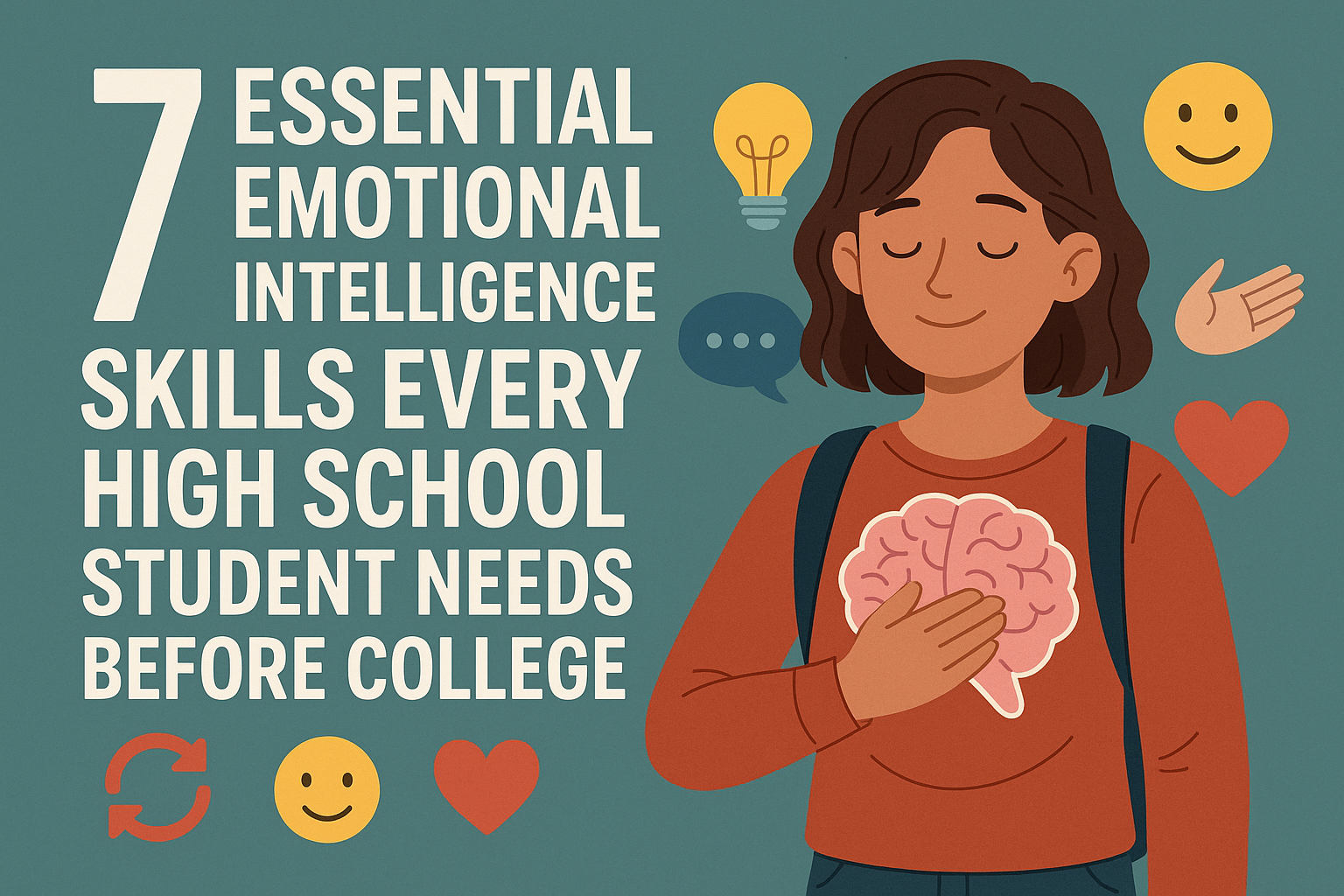
As high school students prepare for the transition to college, developing emotional intelligence skills for students becomes increasingly crucial. Emotional intelligence (EI) encompasses the ability to recognize, understand, and manage our own emotions and those of others. In today’s fast-paced world, where academic pressures are mounting and social dynamics are shifting, honing these skills can make a significant difference in students’ personal and academic lives. Let’s explore the emotional intelligence skills that are vital for students before they embark on their college journey.
Understanding Emotional Intelligence
Emotional intelligence was popularized by psychologist Daniel Goleman in the 1990s, highlighting its importance alongside traditional cognitive intelligence (IQ). Goleman identified five key components of emotional intelligence: self-awareness, self-regulation, motivation, empathy, and social skills. These components are not just abstract concepts; they translate into practical skills that can help students navigate academic challenges, build strong relationships, and enhance their overall well-being.
For high school students, understanding and developing emotional intelligence is critical. As they face unique challenges—academic stress, social pressures, potential career decisions—they need to cultivate skills that will not only help them in college but also in life beyond academia.
The Importance of Self-Awareness
Self-awareness is the ability to recognize and understand one’s own emotions, strengths, weaknesses, values, and motives. For students, becoming self-aware can lead to improved decision-making and a greater sense of confidence. This skill encourages introspection, allowing students to reflect on their academic performance and social interactions.
High school students can develop self-awareness through practices such as journaling or engaging in reflective conversations with trusted mentors or peers. By identifying their emotional triggers—be it stress from exams or anxiety about social situations—they can learn to manage these feelings proactively. For instance, if a student realizes that they become overwhelmed in group projects, they can take steps to communicate their needs or seek help in advance. This proactive approach not only alleviates anxiety but also fosters personal growth.
Mastering Self-Regulation
Self-regulation refers to the ability to manage one’s emotions and behaviors in various situations. This skill is particularly crucial for students transitioning to college, where independence and decision-making are essential. Mastering self-regulation helps students cope with stress, stay focused on their goals, and make responsible choices.
Practical techniques for enhancing self-regulation include mindfulness practices, stress management techniques, and setting realistic goals. For instance, employing mindfulness exercises like deep breathing or meditation can help students remain calm and centered, especially during high-pressure situations such as exams or interviews. Moreover, students can benefit from establishing routines that promote healthy habits, such as time management and prioritization of tasks. This way, they can mitigate procrastination and maintain a sense of control over their workload, ultimately leading to a more productive college experience.
The Role of Motivation in Emotional Intelligence
Motivation is an integral part of emotional intelligence, driving individuals to pursue their goals and maintain a positive attitude in the face of obstacles. High school students often encounter challenges that can dampen their enthusiasm—be it a poor grade, a difficult subject, or social issues. Developing intrinsic motivation can empower students to persist through these difficulties and find joy in learning. (See: Emotional intelligence overview.)
To cultivate motivation, students should focus on setting personal goals that resonate with their interests and values. Encouraging a growth mindset—believing that abilities can be developed through dedication and hard work—can further enhance their resilience. For example, rather than viewing a challenging subject as a barrier, students can see it as an opportunity for growth and improvement. This shift in perspective can lead to a more fulfilling educational experience.
Empathy: Understanding Others’ Perspectives
Empathy, the ability to understand and share the feelings of others, is a cornerstone of emotional intelligence. For high school students, developing empathy is essential for building strong relationships with peers, teachers, and family members. It enables them to communicate effectively, resolve conflicts, and foster an inclusive environment.
To enhance their empathetic skills, students can practice active listening—fully concentrating on what others are saying without formulating their response while the other person is speaking. Engaging in community service or participating in diverse extracurricular activities can also expose students to different perspectives and life experiences. For instance, volunteering at local shelters or joining clubs that celebrate cultural diversity can deepen their understanding of others’ emotions and backgrounds, ultimately enhancing their ability to connect with a broader range of individuals.
Building Strong Social Skills
Social skills are fundamental for navigating the interpersonal dynamics of college life. These skills include effective communication, conflict resolution, and collaboration. High school students benefit from understanding the nuances of social interactions, as college often involves working in groups and establishing new friendships.
Students can develop their social skills through group projects, debate clubs, or team sports. These activities necessitate cooperation and effective communication, offering students a chance to practice and refine their abilities. Moreover, students should be encouraged to seek feedback from peers and mentors on their social interactions, helping them identify areas for improvement. For example, role-playing different social scenarios can prepare students to handle difficult conversations, whether it’s addressing a roommate issue or discussing academic concerns with a professor.
Applying Emotional Intelligence Skills in College
The transition from high school to college can be overwhelming, but students equipped with strong emotional intelligence skills are better prepared to handle the challenges they will face. For instance, self-awareness can help them recognize when they’re feeling homesick or overwhelmed by coursework. In such cases, they can reach out for support, whether it’s from a counselor, peer, or family member.
Self-regulation plays a crucial role in managing time and responsibilities. College students must juggle classes, assignments, and social life, often without the structured guidance they had in high school. By applying self-regulation techniques, students can maintain a balanced lifestyle, ensuring they dedicate time for study, leisure, and self-care.
Furthermore, empathy and social skills can foster a sense of belonging on campus. Engaging with diverse groups of people not only enriches the college experience but also opens doors to new opportunities. Students who actively participate in campus organizations or attend events are more likely to create meaningful relationships that can support their academic and personal growth.
The Lasting Impact of Emotional Intelligence Skills
Finally, the impact of emotional intelligence extends beyond college into professional and personal realms. Employers increasingly value emotional intelligence skills, as they correlate with effective leadership, teamwork, and customer service. As students hone these skills, they position themselves for success in their careers and everyday interactions.
Moreover, the ability to empathize and communicate effectively contributes to stronger relationships, whether in personal life or in the workplace. The skills you develop in high school can set the foundation for a fulfilling life, equipping you to navigate challenges with confidence and resilience. (See: CDC resources on emotional well-being.)
Strategies for Developing Emotional Intelligence in Students
Encouraging emotional intelligence development in students can be approached through various strategies. Schools can implement programs focused on social-emotional learning (SEL), which teach students to recognize and manage emotions, set positive goals, show empathy for others, establish positive relationships, and make responsible decisions. According to a study by the Collaborative for Academic, Social, and Emotional Learning (CASEL), schools that implemented SEL programs saw an 11 percentile-point gain in academic performance compared to those that did not.
Additionally, integrating emotional intelligence training into current curricula—such as including discussions about emotions in literature classes or utilizing role-playing in history lessons—can make the learning process more relatable and impactful. This integration not only builds emotional intelligence but also enriches the overall educational experience.
Real-World Examples of Emotional Intelligence in Action
Developing emotional intelligence skills can lead to tangible benefits in real-world scenarios. For instance, a student who demonstrates high emotional intelligence may mediate a conflict between friends by actively listening to both sides and facilitating a calm discussion. This student not only resolves the immediate conflict but also strengthens their social connections.
Another example could be a college student who, during a group project, notices a teammate struggling with their workload. Instead of simply focusing on their own contributions, this student steps in to offer assistance, fostering a collaborative environment and enhancing group performance. The ability to recognize others’ needs and respond appropriately is a hallmark of emotional intelligence that translates well into both personal and professional settings.
Frequently Asked Questions about Emotional Intelligence Skills for Students
What are the benefits of developing emotional intelligence skills?
Developing emotional intelligence skills can lead to improved communication, better conflict resolution, enhanced relationships, and increased academic performance. These skills also prepare students for the challenges of college and the workforce, where collaboration and interpersonal dynamics are essential.
How can parents support their children in developing emotional intelligence?
Parents can support their children by encouraging open conversations about emotions, modeling emotional regulation, and providing opportunities for social interaction. Teaching children to articulate their feelings and recognize the feelings of others can help them build empathy and social skills.
Are emotional intelligence skills innate or can they be learned?
While some individuals may have a natural predisposition toward emotional intelligence, these skills can certainly be learned and developed over time. With practice and intentional focus, students can enhance their emotional intelligence through various activities and experiences.
How can teachers integrate emotional intelligence into their lessons?
Teachers can integrate emotional intelligence by creating a supportive classroom environment that encourages self-expression and discussion about emotions. Activities such as group projects, role-playing, and reflective journaling can help students practice emotional intelligence skills in real-time.
Developing a Culture of Emotional Intelligence in Schools
Creating a culture that values emotional intelligence within the school environment can significantly enhance students’ learning experiences. Schools could host workshops that focus on emotional intelligence, inviting guest speakers such as psychologists or successful alumni who can share their experiences. These workshops can provide students with real insights into how emotional intelligence contributes to success.
Another effective method is integrating emotional intelligence into school events. For example, during orientation or open house events, schools can include sessions for parents and students that focus on the importance of emotional intelligence. This can create a community effort towards developing these skills, emphasizing that both students and parents play a role in fostering emotional awareness and regulation.
The Future of Emotional Intelligence in Education
As education evolves, the role of emotional intelligence is expected to grow even more prominent. The increasing focus on mental health and well-being highlights the need for emotional intelligence skills in the educational landscape. Schools that prioritize these skills will not only prepare students for academic success but also for the emotional challenges they may encounter in their personal and professional lives.
Emerging research indicates that schools that invest in emotional intelligence programs report better student performance and reduced behavioral issues. By prioritizing emotional intelligence, educational institutions can help create a more supportive, empathetic, and productive learning environment.
In summary, cultivating emotional intelligence skills for students is not just beneficial; it is essential for thriving in college and beyond. Self-awareness, self-regulation, motivation, empathy, and social skills are interconnected abilities that empower students to manage their emotions and interactions effectively. By investing time and effort into developing these skills, high school students can ensure they’re ready for the next chapter of their lives, equipped to face whatever challenges come their way.
“`
Trending Now
- the complete explanation
- our breakdown of why students with adhd struggle with pragmatic language skills: understanding the challenges
- Unlocking Communication: 7 Key Strategies for Supporting Pragmatic Language Development in Preschool
- this guide on why role play is essential for teaching social pragmatics in middle school
- our breakdown of 7 critical pragmatics challenges english language learners face (and how teachers can help)
Frequently Asked Questions
What are the key emotional intelligence skills for high school students?
The key emotional intelligence skills for high school students include self-awareness, self-regulation, motivation, empathy, and social skills. These skills help students manage their emotions and relationships effectively, which is crucial for their academic success and personal growth as they transition to college.
Why is emotional intelligence important for students?
Emotional intelligence is important for students because it enables them to navigate academic pressures and social dynamics. Developing EI skills can lead to improved decision-making, stronger relationships, and enhanced overall well-being, equipping students for the challenges of college and life beyond.
How can high school students develop self-awareness?
High school students can develop self-awareness through practices like journaling, reflective conversations with mentors, and seeking feedback from peers. These activities encourage introspection and help students better understand their emotions, strengths, and weaknesses, leading to greater confidence and improved decision-making.
What is the role of empathy in emotional intelligence for students?
Empathy plays a crucial role in emotional intelligence for students as it allows them to understand and share the feelings of others. Developing empathy helps students build strong relationships, navigate social situations more effectively, and fosters a supportive environment, which is essential for personal and academic success.
How does emotional intelligence affect academic performance?
Emotional intelligence positively affects academic performance by enhancing students' ability to manage stress, engage with peers, and collaborate effectively. Students with high EI are better equipped to handle academic challenges, communicate their needs, and maintain motivation, ultimately leading to improved academic outcomes.
What did we miss? Let us know in the comments and join the conversation.