
“`html
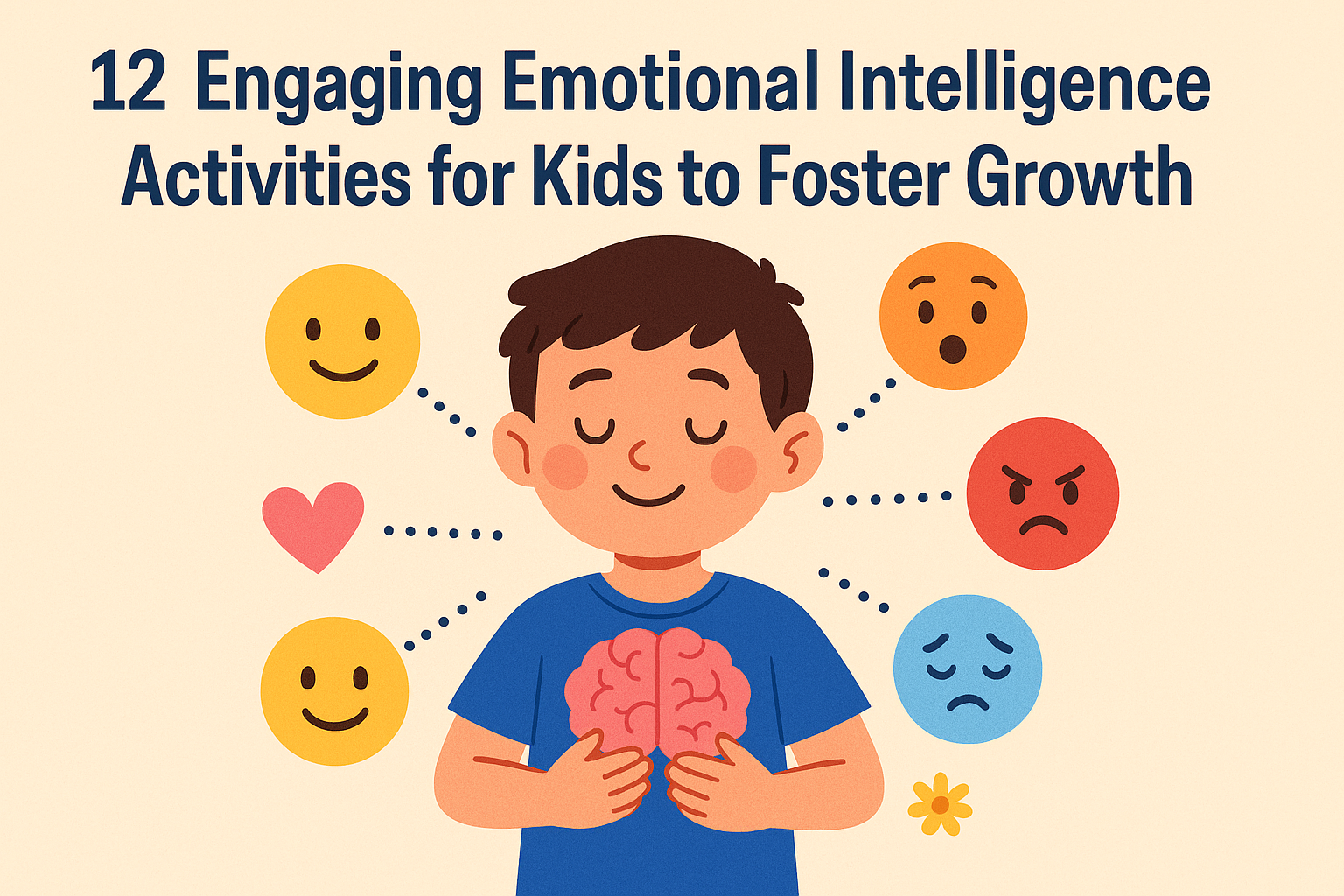
In today’s rapidly changing world, teaching emotional intelligence activities for kids has become more crucial than ever. Emotional intelligence (EI) refers to the ability to identify, understand, manage, and express emotions effectively. For elementary school students, developing these skills not only enhances their interpersonal relationships but also sets the foundation for lifelong emotional well-being. The good news is that educators and parents can implement a variety of fun and effective activities to nurture these essential skills in children.
1. Emotion Charades
This classic game is a fantastic way to engage children in understanding different emotions. Make a set of cards featuring various feelings such as happiness, sadness, anger, and surprise. Students take turns drawing a card and acting out the emotion without using words, while others guess what it is. This activity encourages kids to recognize emotional cues and enhances their empathy skills.
To elevate this activity, you can discuss scenarios where these emotions might occur. For instance, when is it common to feel sad? How about happiness? This dialogue helps reinforce the connection between feelings and situations, enabling children to understand and express their emotions better.
2. Feelings Journals
Encouraging children to keep a feelings journal is another effective way to promote emotional awareness. Students can write or draw about their daily emotions, what triggered those feelings, and how they responded. This practice not only helps kids articulate their emotions but also allows them to reflect on their emotional experiences.
To make it more interactive, you can periodically have students share their entries with a partner or in small groups. This sharing fosters a supportive environment where children learn that they are not alone in their feelings, thus enhancing their emotional intelligence.
3. Emotion Wheel
The emotion wheel is a visual tool that helps children identify and categorize their feelings. You can create a large wheel with various emotions divided into primary and secondary feelings. Have students spin the wheel and share a time when they felt that particular emotion. This activity helps students understand the complexity of emotions and recognize that feelings can vary in intensity.
Additionally, discuss strategies for managing those emotions. For example, if a child lands on “frustration,” explore ways to cope, such as taking deep breaths or talking to someone about what’s bothering them. This equips students with practical tools for emotional regulation.
4. Role-Playing Scenarios
Role-play can be a powerful way to teach emotional intelligence. Present students with realistic scenarios where they might encounter conflicts or emotional challenges, such as a friend feeling left out or receiving criticism from a teacher. Have them act out both sides of the situation, allowing them to practice empathy and problem-solving skills.
After the role-play, facilitate a discussion on what they learned from the experience. Questions like, “How did you feel during the scenario?” and “What could you do differently next time?” are great for reinforcing their understanding and enhancing their emotional coping skills.
5. Mindfulness Activities
Mindfulness is an effective tool for emotional regulation and self-awareness. Simple practices such as deep breathing, guided imagery, or body scans can help children become aware of their emotional states. Start with short sessions and gradually increase the duration as students become more comfortable with the practice.
Encourage kids to take mindfulness breaks during tense moments or when they feel overwhelmed. By incorporating mindfulness into their daily routine, students can learn how to pause, assess their feelings, and respond thoughtfully rather than react impulsively. (See: CDC on emotional health in youth.)
6. Storytelling Sessions
Using stories to explore emotions is a compelling way to engage children. Choose books or create stories that highlight characters dealing with various emotions. After reading, initiate conversations about the characters’ feelings, motivations, and responses. Ask questions like, “How do you think this character felt?” and “What would you do in their situation?”
Storytelling not only helps children articulate their feelings but also develops their ability to empathize with others. By discussing fictional characters’ emotions, they learn to see things from different perspectives, enhancing their emotional intelligence.
7. Compliment Circle
Creating a compliment circle is a simple yet impactful way to foster positive emotions among students. Have them sit in a circle and take turns giving genuine compliments to their peers. This activity encourages kindness and helps children practice expressing positive emotions, which is just as important as understanding negative ones.
To deepen the activity, discuss how it feels to give and receive compliments. Encourage students to reflect on how kindness impacts their emotions. This practice not only builds self-esteem but also nurtures a supportive classroom community.
8. Emotion Matching Game
This game involves matching cards that depict various emotions with corresponding facial expressions or situation cards. It’s a fun way for children to learn about emotional recognition and the different ways people express their feelings. Students can work in pairs or groups, making it a collaborative learning experience.
As they play, encourage discussions about how certain emotions can be expressed in different ways, depending on cultural backgrounds or individual personalities. This understanding fosters a broader perspective on emotional intelligence and enhances empathy among students.
9. Group Discussions on Current Events
Incorporating discussions about current events can be an excellent way for children to relate real-world emotions to their own experiences. Choose age-appropriate news stories and facilitate group discussions about the emotions involved. This could include stories about kindness, conflict, or even celebrations.
Encourage students to express how they feel about the situation and explore what emotions the people involved might be experiencing. This not only promotes emotional intelligence but also allows children to develop critical thinking skills and understand the broader world around them.
10. Arts and Crafts for Emotions
Artistic expression can act as a powerful outlet for emotions. Have students create art projects that represent their feelings, using colors and shapes to convey emotional states. For example, they can create a collage that represents happiness or a drawing that depicts sadness.
After completing their projects, hold an art gallery walk where students showcase their work and explain the emotions behind it. This activity not only fosters creativity but also encourages open discussions about feelings, providing a safe space for children to share their emotional experiences.
11. Gratitude Practice
Introducing gratitude practices can significantly enhance emotional intelligence by helping students focus on positivity. Encourage children to regularly express gratitude, whether through a gratitude journal or a daily circle where they share something they’re thankful for.
Research shows that gratitude can improve emotional well-being and foster a sense of community. By focusing on what they appreciate, children can develop resilience and a more positive outlook on life, directly impacting their emotional intelligence.
12. Community Service Projects
Engaging in community service projects can profoundly impact children’s emotional intelligence. Volunteering helps students develop empathy and a sense of responsibility toward others. Encourage them to participate in activities like food drives, helping at animal shelters, or cleaning up local parks. (See: NIH on emotional and behavioral health.)
After these experiences, hold discussions about how volunteering made them feel and the connections they made with others. This not only reinforces the importance of community but also enhances their emotional intelligence by fostering a deeper understanding of the emotions of others.
13. Emotion Recognition Through Music
Music can be a powerful tool for teaching emotional intelligence. Create a playlist of songs that evoke different emotions. Play a song and ask students to identify the emotions it conveys. Discuss the lyrics and how the music itself contributes to the overall feeling. This not only enhances their ability to associate music with emotions but also prompts discussions about emotions in general.
To deepen engagement, encourage students to create their own playlists reflecting various emotional experiences. They can share their selections with the class, explaining why they chose each song and what feelings it represents for them. This activity promotes self-expression while helping them develop a keen awareness of emotional nuances.
14. Empathy Mapping
Empathy mapping is a collaborative activity that helps children visualize the feelings of others. Provide students with a large sheet of paper divided into sections representing thoughts, feelings, actions, and needs. Present a scenario, such as a classmate feeling anxious before a presentation. Ask students to fill out the map based on what they think the classmate is experiencing.
This exercise encourages them to step into someone else’s shoes and consider emotions from different perspectives, an essential aspect of emotional intelligence. Afterward, discuss their maps and insights, reinforcing the importance of empathy in everyday interactions.
15. Mindful Movement Exercises
Physical activity can also contribute to emotional intelligence. Introduce mindful movement exercises like yoga or tai chi, which combine physical and mental awareness. These practices help children tune into their bodies and emotions, promoting relaxation and emotional regulation.
Lead short sessions focusing on breathing and body awareness, discussing how different movements can affect their mood. This helps children learn how physical activity can be a tool for managing emotions, making it an important part of their emotional toolkit.
16. Emotional Intelligence FAQ
What is emotional intelligence?
Emotional intelligence is the ability to recognize, understand, manage, and influence one’s own emotions and the emotions of others. It plays a critical role in personal relationships, decision-making, and overall mental health.
Why is emotional intelligence important for kids?
Teaching emotional intelligence to kids equips them with skills to navigate social interactions, build empathy, and manage stress. These skills contribute to better academic performance and healthy relationships throughout life.
How can parents help develop emotional intelligence at home?
Parents can help by modeling emotional awareness and communication. Engaging in conversations about feelings, practicing active listening, and encouraging kids to express themselves can strengthen their emotional skills.
Are there specific activities that work best for different age groups?
Yes, activities can be tailored based on age. Younger children might enjoy more play-based activities like charades, while older children can engage in discussions about current events or more complex role-playing scenarios.
How do I know if my child is developing emotional intelligence?
Signs of developing emotional intelligence include improved empathy, better emotional regulation, and enhanced communication skills. Children who can articulate their feelings and show understanding towards others’ emotions are likely developing their EI.
Incorporating these emotional intelligence activities for kids into your educational framework can significantly impact the development of young students. As they learn to navigate their emotions and understand those of others, they’ll be better equipped to build meaningful relationships and face life’s challenges with resilience. By fostering emotional intelligence from a young age, we are not only nurturing future leaders but also creating a more empathetic society.
“`
Trending Now
- the complete explanation
- this guide on unlocking communication: 7 key strategies for supporting pragmatic language development in preschool
- this guide on why role play is essential for teaching social pragmatics in middle school
- 7 Critical Pragmatics Challenges English Language Learners Face (And How Teachers Can Help)
Frequently Asked Questions
What are some emotional intelligence activities for kids?
Some engaging emotional intelligence activities for kids include Emotion Charades, where children act out feelings, and Feelings Journals, where they reflect on their emotions. These activities help children recognize emotional cues and articulate their feelings, fostering emotional awareness and empathy.
How can I teach my child emotional intelligence?
You can teach your child emotional intelligence by implementing fun activities like Emotion Charades and Feelings Journals. Encourage discussions about emotions and provide opportunities for them to express and reflect on their feelings, which builds their emotional awareness and interpersonal skills.
Why is emotional intelligence important for children?
Emotional intelligence is crucial for children as it enhances their interpersonal relationships and emotional well-being. By developing these skills, children learn to manage their emotions, empathize with others, and navigate social interactions effectively, setting a foundation for lifelong success.
What is the emotion wheel and how is it used?
The emotion wheel is a visual tool that categorizes various emotions, helping children identify and understand their feelings. It can be used in activities to facilitate discussions about emotions, allowing kids to express what they feel and learn to connect emotions to specific situations.
How can journaling help children with emotional intelligence?
Journaling helps children articulate their emotions and reflect on their experiences. By writing or drawing about their feelings, kids gain insight into what triggers their emotions, which fosters self-awareness and enhances their ability to manage and express their feelings effectively.
What’s your take on this? Share your thoughts in the comments below — we read every one.