
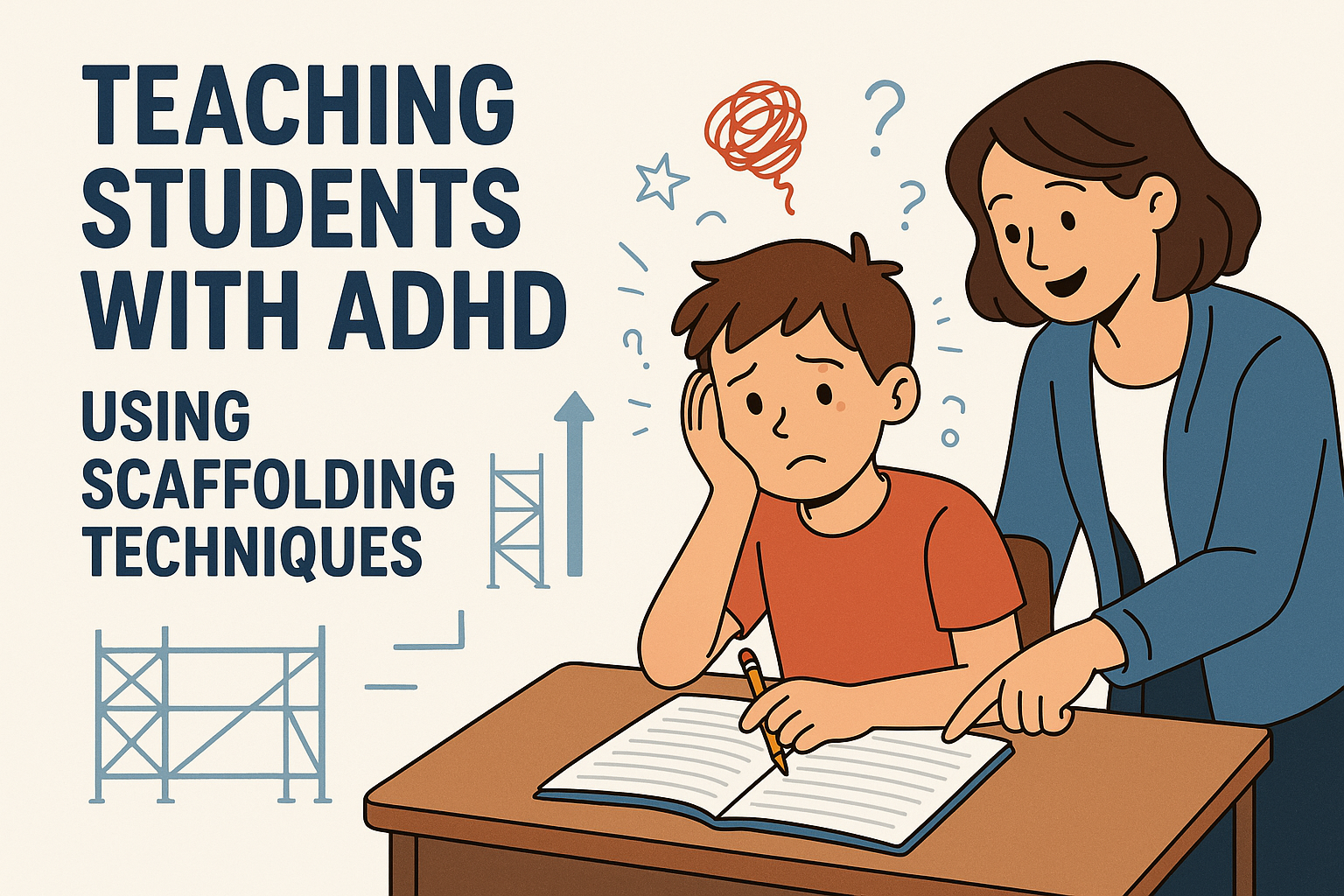

Teaching students with Attention Deficit Hyperactivity Disorder (ADHD) can be a challenging but rewarding experience. As educators, understanding how to engage these students is crucial for their academic success. One effective method to support students with ADHD is through ADHD scaffolding techniques, which can help create a structured learning environment that fosters concentration and enhances learning outcomes. In this article, we’ll explore various scaffolding techniques, their importance, and how they can be implemented in the classroom.
Understanding ADHD and Its Implications for Learning
ADHD is a neurodevelopmental disorder characterized by symptoms of inattention, hyperactivity, and impulsivity. According to the Centers for Disease Control and Prevention (CDC), approximately 6.1 million children in the United States have been diagnosed with ADHD, highlighting the necessity for effective educational strategies tailored to these students.
Students with ADHD often struggle with traditional teaching methods, which can overlook their unique learning styles. Many find it difficult to maintain focus, manage time, and organize tasks. Furthermore, their impulsivity can lead to challenges in following directions or completing assignments on time. This is where ADHD scaffolding techniques come into play, providing a framework that supports these students in accessing the curriculum and managing their learning experiences effectively.
What Are Scaffolding Techniques?
Scaffolding techniques are educational strategies that provide temporary support to students as they learn new concepts or skills. Much like scaffolding used in construction, these techniques provide a structured framework that can be removed once the learner is capable of functioning independently. The goal is to aid students as they build their understanding, confidence, and ability to tackle increasingly complex tasks. For students with ADHD, scaffolding techniques can be particularly beneficial in structuring their learning environment to minimize distractions and enhance focus.
Key ADHD Scaffolding Techniques
There are several effective scaffolding techniques that can be employed to support students with ADHD. Here are seven essential methods:
- Chunking Information: Breaking down information into smaller, manageable pieces can help students with ADHD process content more effectively. Instead of presenting an entire lesson at once, consider dividing it into segments, allowing students to focus on one concept at a time.
- Visual Aids: Utilizing visuals can significantly enhance comprehension for students with ADHD. Charts, graphs, and images can help clarify complex ideas and provide a reference point during lessons. Visual schedules can also keep students on track throughout the school day.
- Interactive Learning: Incorporating hands-on activities and interactive elements into lessons can engage students’ interest and maintain their focus. Group work, discussions, and practical experiments can make learning more dynamic and relatable.
- Frequent Breaks: Allowing for short breaks during lessons helps students with ADHD recharge and refocus. A few minutes to stretch or walk around can increase attention and improve retention of information.
- Clear Instructions: Offering clear, concise instructions is vital. Use simple language and repeat directions if necessary. Written instructions complemented by verbal cues reinforce understanding and help students stay on task.
- Organizational Tools: Providing tools like planners, checklists, and color-coded materials can aid students in managing their assignments and deadlines. Teaching organizational skills empowers them to take ownership of their learning.
- Positive Reinforcement: Recognizing and rewarding effort and achievements can motivate students with ADHD. Acknowledgment of their hard work, no matter how small, encourages continued focus and participation.
Implementing ADHD Scaffolding Techniques in the Classroom
Integrating ADHD scaffolding techniques into your teaching practices requires thoughtful planning and adaptability. Here are some practical insights on how to implement these techniques successfully:
1. Assess Individual Needs
Every student is unique, and ADHD manifests differently in each individual. Begin by assessing the specific needs and learning styles of your students. Engage in conversations with them, their parents, and support staff to gain insights into their challenges and strengths. Tailoring your approach to each student ensures that the scaffolding you provide is effective and relevant.
2. Create a Structured Environment
A well-organized classroom environment can significantly impact students with ADHD. Arrange the physical space to minimize distractions, ensuring that students have a designated area to work without interruptions. Implementing a consistent daily routine can also help students predict what comes next, reducing anxiety and enhancing focus. (See: CDC ADHD facts and statistics.)
3. Collaborate with Special Education Staff
Collaboration with special education teachers and support staff can provide additional resources and insights into effective scaffolding strategies. These professionals can help in developing individualized education plans (IEPs) that may include specific accommodations for students with ADHD. Working as a team will enhance the support network for these learners.
4. Foster Open Communication
Establishing an open line of communication with students is crucial. Encourage them to express their feelings about their learning experiences, and actively listen to their concerns. By creating a safe environment where students feel comfortable discussing their challenges, you can better adjust your scaffolding methods to meet their needs.
Benefits of ADHD Scaffolding Techniques
The advantages of using ADHD scaffolding techniques extend beyond just improving academic performance. Here are some key benefits:
- Improved Focus and Engagement: By providing structure and clarity, scaffolding helps students with ADHD to concentrate on the task at hand, increasing their engagement in lessons.
- Enhanced Independence: Gradually removing support as students become more confident allows them to develop independence in their learning journey, preparing them for future academic challenges.
- Boosted Self-Esteem: As students experience success through scaffolding, their self-esteem grows. They begin to view themselves as capable learners, which can have lasting effects on their motivation.
- Better Academic Outcomes: With tailored support, students with ADHD are more likely to achieve academic success. Scaffolding techniques can lead to improved grades, better test scores, and a more positive attitude toward school.
Current Relevance of ADHD Scaffolding Techniques
The importance of ADHD scaffolding techniques has become even more pronounced in recent years. With the rise of remote learning and hybrid classrooms, educators face new challenges in maintaining student engagement and focus. As many students interact with technology more than ever, adapting traditional scaffolding techniques to virtual formats has become essential.
For instance, using online collaborative tools can facilitate group work and interactive learning experiences. Moreover, digital planners and organizational apps can assist students in managing their tasks effectively. The flexibility of technology can provide a fresh avenue for educators to implement scaffolding techniques, making learning accessible and tailored to each student’s needs.
Additional Techniques to Enhance ADHD Scaffolding
Besides the core scaffolding techniques, educators can also explore a variety of additional strategies that complement the foundational methods discussed. These can help deepen the support provided to students with ADHD while fostering a more inclusive classroom environment.
1. Use of Technology
With the integration of technology in education, apps and software designed to support ADHD learning can be invaluable. For example, using timers can help students manage time effectively during tasks, while apps like Evernote or Microsoft OneNote can aid in organizing notes and ideas. These tools can also facilitate collaboration and communication between students and teachers, making it easier to monitor progress and provide timely feedback.
2. Mindfulness Practices
Incorporating mindfulness techniques can be beneficial for students with ADHD. Simple breathing exercises or short meditation sessions before lessons can help students center their thoughts and improve focus. Practicing mindfulness regularly can lead to greater emotional regulation and self-awareness, which can enhance their overall learning experience. (See: NIH ADHD condition information.)
3. Flexible Grouping
Another effective technique is the use of flexible grouping strategies. This involves organizing students into different groups based on their current learning needs, interests, or project requirements. By mixing students with varied abilities and backgrounds, you can foster collaboration and peer support, which can be particularly beneficial for students with ADHD as they often thrive in social learning environments.
Creating an Inclusive Curriculum
Implementing ADHD scaffolding techniques also means ensuring that the curriculum is inclusive and relevant. Consider incorporating diverse perspectives and materials that resonate with all students. This not only engages students with ADHD but also fosters a sense of belonging among their peers, creating a more supportive learning environment for everyone.
This can include integrating multicultural literature, incorporating themes of social justice, or using real-world problem-solving scenarios that allow all students to connect the learning material to their own lives. Such relevance can boost intrinsic motivation and engagement, making lessons feel more meaningful.
Challenges in Implementing ADHD Scaffolding Techniques
While the benefits of using ADHD scaffolding techniques are significant, some challenges may arise during implementation. Time constraints can make it difficult to provide the necessary individualized attention to each student. Additionally, educators may face resistance from students who are unaccustomed to structured support or require extensive adaptation to different teaching methods.
To overcome these challenges, professional development and training for teachers can be critical. Workshops that focus on ADHD awareness and effective scaffolding techniques can equip educators with the knowledge and skills needed to adapt their teaching styles. Encouraging a growth mindset among educators can also be beneficial, promoting the idea that all students can succeed with the right support.
Frequently Asked Questions (FAQ)
1. What are ADHD scaffolding techniques?
ADHD scaffolding techniques are educational strategies designed to support students with ADHD by providing temporary support and structure as they learn new concepts or skills. These techniques help create an organized learning environment that allows students to focus better and engage more effectively in their studies.
2. How can I determine which scaffolding techniques to use for my students?
Assess the individual needs and learning styles of your students by communicating with them and their families. Additionally, observing their interactions with different teaching methods can give insights into which techniques may be most effective.
3. Can scaffolding techniques be applied to remote learning?
Absolutely! Scaffolding techniques can be adapted for remote learning through digital tools and resources. For instance, using online collaboration platforms, digital checklists, and virtual breakout rooms can facilitate structured learning experiences.
4. How can I involve parents in the scaffolding process?
Engaging parents in the scaffolding process can be achieved through regular communication. Share strategies and resources that parents can use at home to reinforce learning, and invite them to collaborate on developing individualized plans for their children.
5. What is the long-term impact of using scaffolding techniques for students with ADHD?
Long-term, scaffolding techniques can lead to improved academic performance, enhanced self-esteem, and greater independence in learning. Students become better equipped to manage their learning and navigate challenges as they grow.
Conclusion: Embracing ADHD Scaffolding Techniques in Education
Implementing ADHD scaffolding techniques in educational settings is not just beneficial for students with ADHD; it fosters an inclusive environment that can enhance the learning experience for all students. By understanding the unique challenges faced by these learners and employing tailored strategies, educators can create a classroom where every student has the opportunity to thrive.
As educators, embracing these techniques is an ongoing journey. With a commitment to continuous improvement and adaptation, we can ensure that all students, regardless of their learning differences, can find success and satisfaction in their educational pursuits.
Trending Now
- our breakdown of join nooro as an ios developer: a unique opportunity to shape senior wellness
- our breakdown of 12 engaging emotional intelligence activities for kids to foster growth
- read the full story
- this guide on 7 essential strategies for boosting emotional intelligence in preschoolers
- our breakdown of 7 effective emotional intelligence activities for kindergarten kids that really work
Frequently Asked Questions
What are effective teaching strategies for students with ADHD?
Effective teaching strategies for students with ADHD include using scaffolding techniques, which provide structured support to help them focus and manage tasks. Techniques such as breaking assignments into smaller steps, using visual aids, and incorporating hands-on activities can enhance engagement and learning outcomes.
How does ADHD affect learning in the classroom?
ADHD affects learning by causing difficulties with attention, organization, and impulse control. Students may struggle to focus on lessons, follow directions, and complete assignments, making it essential for educators to implement tailored strategies that address these challenges.
What is scaffolding in education?
Scaffolding in education refers to instructional techniques that provide temporary support to students while they learn new concepts. This structured approach helps students build their understanding and confidence, eventually allowing them to work independently as they master the material.
Why is scaffolding important for students with ADHD?
Scaffolding is crucial for students with ADHD because it offers a structured learning environment that helps them manage their attention and impulsivity. By breaking tasks into manageable parts and providing ongoing support, scaffolding techniques enable these students to achieve academic success.
How can teachers implement scaffolding techniques for ADHD students?
Teachers can implement scaffolding techniques for ADHD students by breaking lessons into smaller, digestible parts, using visual aids, providing clear instructions, and offering frequent feedback. Creating a predictable routine and encouraging active participation can also enhance learning and engagement.
Have you experienced this yourself? We’d love to hear your story in the comments.



