

“`html
Attention Deficit Hyperactivity Disorder (ADHD) has increasingly become a focal point in educational discussions. With a reported 9.4% of children diagnosed in the United States alone, the challenge of catering to their unique needs is more pressing than ever. In this context, ADHD mindfulness interventions have emerged as a promising solution. But what exactly are these interventions, and how can they be effectively integrated into school settings? Let’s explore this transformative approach.
Understanding ADHD: A Brief Overview
ADHD is characterized by persistent patterns of inattention, hyperactivity, and impulsivity. These symptoms can significantly interfere with a child’s academic performance, social interactions, and overall quality of life. Recognizing the multifaceted nature of ADHD is crucial for developing effective interventions. Traditional treatments often include medication and behavioral therapies, but many educators are now looking toward mindfulness practices as complementing tools.
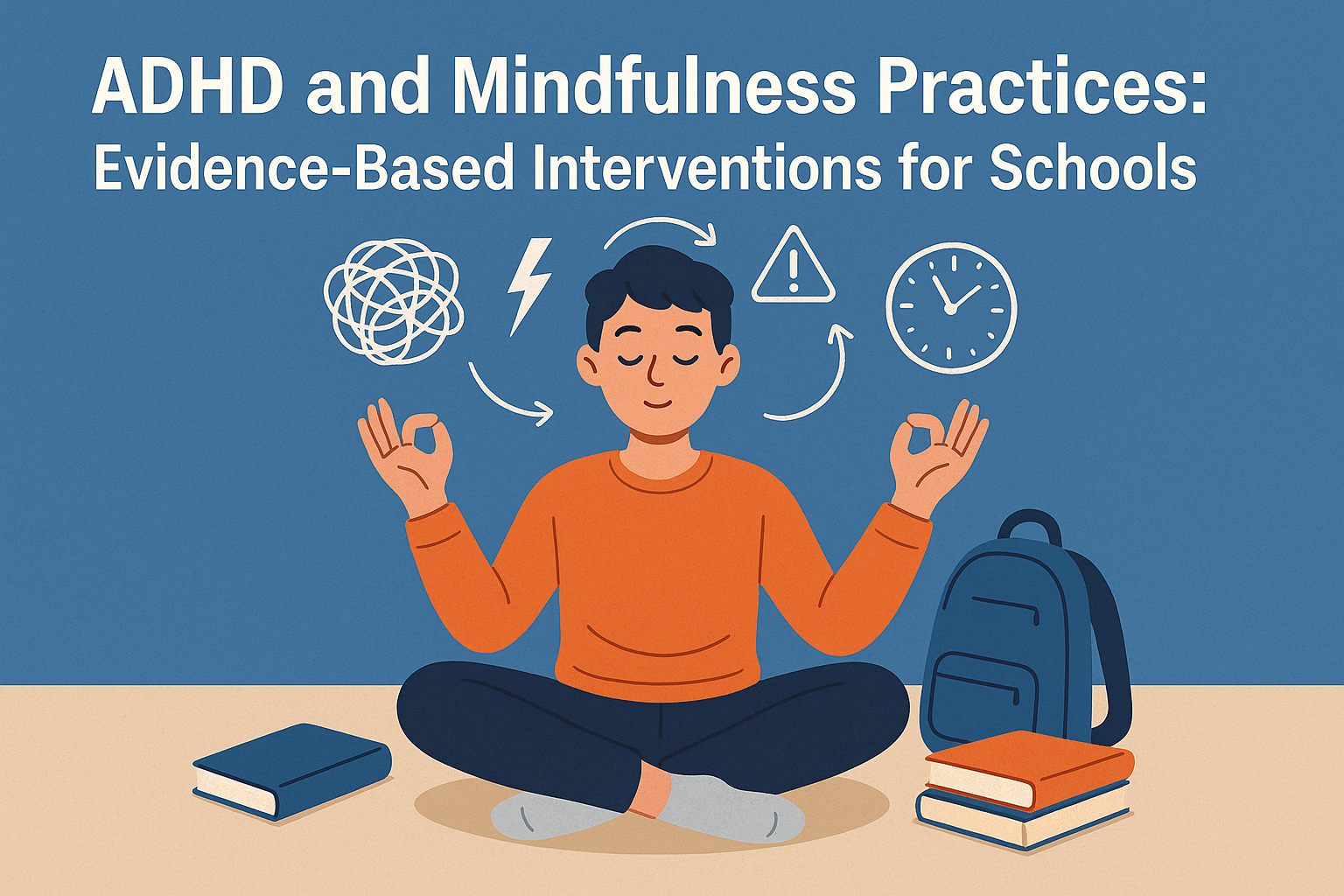
Mindfulness, defined as the psychological process of bringing one’s attention to experiences occurring in the present moment, can help students with ADHD manage their symptoms. By enhancing self-regulation and emotional control, mindfulness offers a path to improved focus and reduced impulsivity.
Why Mindfulness? The Science Behind ADHD Mindfulness Interventions
Research underscores the efficacy of mindfulness practices in addressing the challenges faced by individuals with ADHD. A study published in the journal Mindfulness found that mindfulness training can lead to significant reductions in ADHD symptoms. Participants reported improvements in attention and emotional regulation, which are critical areas of difficulty for children with ADHD.
Another fascinating aspect of mindfulness is its impact on brain function. Neuroimaging studies suggest that mindfulness practices can alter brain structures associated with attention and emotional regulation. For instance, individuals who engage in regular mindfulness practices show increased gray matter density in regions of the brain responsible for regulating emotions and attention. This evidence strongly supports the integration of ADHD mindfulness interventions in educational settings.
Implementing Mindfulness in Schools: Practical Strategies
Integrating mindfulness into school curricula doesn’t require a complete overhaul of existing programs. Simple practices can be woven into the daily fabric of school life, making mindfulness accessible to all students, particularly those with ADHD. Here are several practical strategies:
- Mindful Breathing Exercises: Start the day with short breathing exercises. Teaching students to focus on their breath can help them center themselves and prepare for learning.
- Mindfulness Moments: Set aside five minutes during transitions or after lunch for students to practice mindfulness. Use guided meditations or simple reflection prompts.
- Incorporate Movement: Activities like yoga or mindful walking not only engage students physically but also provide opportunities for mindfulness practice.
- Create Calm Spaces: Designate areas in the classroom where students can go when they need a moment of mindfulness. These spaces can include comfortable seating, calming visuals, and resources like mindfulness activity cards.
- Mindfulness Curriculum: Consider adopting a comprehensive mindfulness program. Curricula like MindUp or Calm Classroom offer structured approaches to teaching mindfulness in schools.
By embedding these practices into the school day, educators can create an environment that supports not only students with ADHD but all learners.
Success Stories: Schools Pioneering Mindfulness Interventions
Numerous schools across the country have successfully integrated mindfulness practices into their daily routines, leading to remarkable outcomes for students with ADHD. One notable example is the Mindfulness in Schools Project in the UK, which applies a structured mindfulness program aimed at cultivating resilience and well-being among students.
In the US, the Mindful Schools initiative has trained thousands of educators to implement mindfulness curricula. Schools participating in this program report a decrease in classroom disruptions and improvements in students’ emotional well-being. Teachers note that students with ADHD show increased focus and fewer behavioral issues when mindfulness practices are integrated into their daily routines. (See: CDC ADHD guidelines and resources.)
These success stories highlight that mindfulness is not just a buzzword; it’s a practical, evidence-based approach that can lead to tangible improvements in student behavior and academic performance.
Challenges and Misconceptions About Mindfulness in Education
Despite its benefits, implementing ADHD mindfulness interventions in schools isn’t without challenges. One common misconception is that mindfulness is a quick fix for behavioral issues. In reality, mindfulness requires consistent practice and patience. It’s not a substitute for comprehensive ADHD treatment but rather a complementary tool.
Another challenge is the need for training. Not all educators are equipped with the knowledge or skills to teach mindfulness effectively. Providing professional development opportunities and resources is essential for fostering a mindfulness-friendly school climate.
Moreover, the varying types of mindfulness practices may lead to confusion about what works best. Educators should recognize that mindfulness is not a one-size-fits-all solution. Customizing interventions to meet the specific needs of students is vital for success.
Current Relevance: Mindfulness in a Post-Pandemic World
The COVID-19 pandemic has exacerbated mental health challenges for children, increasing the urgency for effective interventions like mindfulness. Many students have experienced isolation, anxiety, and disruptions to their routines, making it more important than ever to cultivate emotional resilience.
Schools are now looking for innovative ways to support students’ mental health, and mindfulness fits the bill. With remote learning and hybrid models becoming commonplace, integrating mindfulness practices can help students find calm and focus amidst uncertainty.
In this new educational landscape, mindfulness practices can serve as a bridge for students with ADHD, providing them with essential tools to navigate their emotions and enhance their learning experiences. Educators must prioritize these interventions as part of their commitment to student well-being.
Future Directions for ADHD Mindfulness Interventions
As research continues to evolve, the future of ADHD mindfulness interventions looks promising. Schools and educators are encouraged to stay current with the latest studies and findings in mindfulness research. This can inform their practices and help them tailor interventions that fit their unique student populations.
Additionally, collaboration between mental health professionals, educators, and parents can create a holistic approach to mindfulness. Sharing resources and strategies can enhance the effectiveness of interventions and ensure that students receive consistent support both at school and at home. (See: NIH ADHD treatment options.)
Finally, advocacy for policy changes that promote mindfulness education in schools is crucial. As awareness of the benefits of mindfulness grows, there’s an opportunity for educational systems to incorporate these practices into standard curricula, making mindfulness an integral part of the learning experience.
Deepening the Conversation: The Role of Parents in Mindfulness Interventions
Parents play a crucial role in reinforcing mindfulness practices at home, complementing efforts made in schools. By modeling mindfulness techniques, such as meditation or deep breathing, parents can help create a supportive home environment. Engaging in mindfulness together as a family not only strengthens these practices but also fosters connections that are essential for emotional growth.
Many parents may wonder how to introduce mindfulness to their children. Simple techniques can be easily incorporated into daily routines, such as mindful eating, where families take time to appreciate the taste, texture, and aroma of their food. Another approach is to practice gratitude by sharing moments of thankfulness at the end of each day, which can help shift focus from distractions to positive experiences.
Additionally, parents can access resources like apps and books designed specifically for children to enhance their mindfulness journey. These tools often present mindfulness practices in a fun and engaging way, making it easier for kids to embrace and practice regularly.
Statistics and Research Supporting Mindfulness Interventions
It’s essential to understand the scope of ADHD and the potential benefits of mindfulness through data. A study published in the journal Behaviour Research and Therapy indicated that mindfulness interventions could reduce ADHD symptoms by up to 30% in some participants. This statistic underscores the growing recognition of mindfulness as a viable adjunct to traditional ADHD treatments.
Furthermore, a systematic review of studies published in Pediatric Clinics of North America found that children who participated in mindfulness training showed not only improvements in attention but also heightened emotional intelligence and social skills. These gains can significantly enhance the overall quality of life for children with ADHD.
Frequently Asked Questions About ADHD Mindfulness Interventions
What are ADHD mindfulness interventions?
ADHD mindfulness interventions are practices that help individuals with ADHD improve their attention, emotional regulation, and self-control through mindfulness techniques such as meditation, breathing exercises, and mindful movement.
How do mindfulness interventions differ from traditional ADHD treatments?
While traditional ADHD treatments primarily focus on medication and behavioral therapy, mindfulness interventions emphasize self-awareness and present-moment focus. They serve as complementary practices that can enhance the overall effectiveness of conventional treatments.
Can mindfulness help adults with ADHD?
Absolutely! Mindfulness has been shown to benefit adults with ADHD by enhancing focus, reducing impulsivity, and improving emotional regulation. Many programs are now designed specifically for adult populations.
How long does it take to see the effects of mindfulness interventions?
The timeline for experiencing benefits from mindfulness practices can vary. Some individuals may notice changes in attention and mood within weeks, while others might take longer. Consistency in practice is key to achieving lasting results.
Are there specific mindfulness exercises recommended for children with ADHD?
Yes! Some effective exercises include mindful breathing, body scans, and guided imagery. These practices are often tailored to the interests and age of the children to keep them engaged.
What resources are available for parents to support mindfulness practices at home?
Parents can explore a variety of resources, including mindfulness apps like Headspace and Calm, children’s books that incorporate mindfulness themes, and online courses specifically designed for families. Community workshops and local classes can also provide hands-on experiences that benefit both parents and children.
Can mindfulness interventions be integrated into extracurricular activities?
Definitely! Many schools are now incorporating mindfulness into extracurricular programs such as sports, art classes, and after-school clubs. These settings can provide unique opportunities for mindfulness practice in a relaxed and engaging environment, allowing children to connect with their peers while benefiting from mindfulness techniques.
In summary, ADHD mindfulness interventions offer a powerful avenue for supporting students struggling with attention and emotional regulation. By embracing mindfulness, schools can create environments that nurture not just academic success but also personal growth and resilience.
“`
Trending Now
Frequently Asked Questions
What are mindfulness practices for ADHD?
Mindfulness practices for ADHD involve techniques that help individuals focus on the present moment, enhancing self-regulation and emotional control. These can include meditation, breathing exercises, and mindful movement, which aim to reduce impulsivity and improve attention in children diagnosed with ADHD.
How can mindfulness help students with ADHD?
Mindfulness can help students with ADHD by improving their ability to concentrate, manage emotions, and reduce impulsive behaviors. Research shows that mindfulness training can lead to significant reductions in ADHD symptoms, helping students perform better academically and socially.
What evidence supports mindfulness interventions for ADHD?
Studies, including one published in the journal Mindfulness, indicate that mindfulness interventions can significantly reduce ADHD symptoms. Participants have reported improvements in attention and emotional regulation, highlighting the effectiveness of mindfulness as a complementary approach to traditional treatments.
Can mindfulness be integrated into school settings?
Yes, mindfulness can be effectively integrated into school settings through structured programs or simple practices like guided breathing exercises and mindfulness breaks. Educators can incorporate these techniques into the classroom routine to support students with ADHD and enhance their learning experience.
What are the benefits of mindfulness for children with ADHD?
The benefits of mindfulness for children with ADHD include improved focus, better emotional regulation, and reduced impulsivity. These practices can lead to enhanced academic performance and social interactions, providing a holistic approach to managing ADHD symptoms.
Have you experienced this yourself? We’d love to hear your story in the comments.



