

“`html
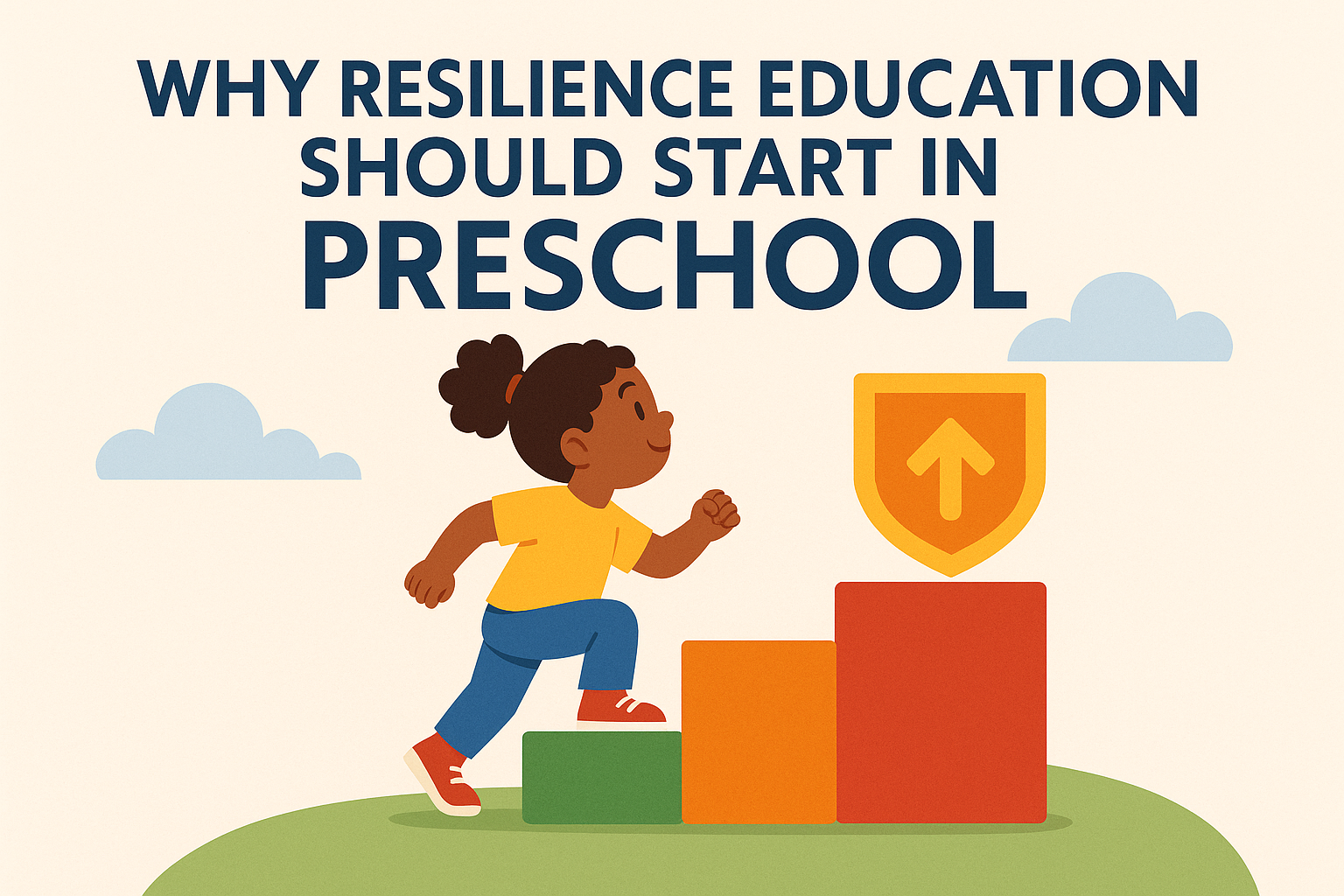
The foundation of a child’s future success isn’t built solely on academic skills; it’s significantly shaped by emotional and social competencies. This is where resilience education preschool comes into play. As we navigate an increasingly complex world, fostering resilience from an early age is not just beneficial—it’s essential. More educators and parents are recognizing that teaching children how to bounce back from adversity may be one of the most critical lessons they can learn.
The Importance of Resilience in Early Childhood
Resilience is the ability to adapt to stress, adversity, and change. For preschool-aged children, this means learning to manage emotions, develop coping strategies, and maintain a positive outlook in challenging situations. Research shows that resilient children are more likely to succeed academically, maintain healthy relationships, and navigate life’s ups and downs more effectively.
According to the American Psychological Association, resilience involves behaviors, thoughts, and actions that can be learned and developed in anyone. But why start this education in preschool? The preschool years are a unique and formative time in a child’s life. During this period, children undergo significant cognitive, emotional, and social development. By introducing resilience education at this early stage, we can help set the groundwork for lifelong skills.
What is Resilience Education?
Resilience education involves teaching children skills that help them cope with challenges and stresses in a positive way. This includes emotional awareness, problem-solving skills, and the ability to seek help when needed. Activities geared toward building resilience might include:
- Role-playing scenarios that simulate challenges children might face.
- Mindfulness and relaxation techniques to help manage anxiety and stress.
- Group activities that promote teamwork and social skills.
- Encouraging a growth mindset, where mistakes are seen as valuable learning opportunities.
For instance, a preschool might set up a play activity where children must work together to solve a problem, such as building a structure with blocks. Through this, they learn important lessons about cooperation, conflict resolution, and perseverance.
Current Trends in Education
The push for resilience education in preschool aligns with current trends in the educational landscape. More schools are adopting social-emotional learning (SEL) frameworks, recognizing that academic success is intertwined with emotional well-being. In fact, a report from the Collaborative for Academic, Social, and Emotional Learning (CASEL) indicates that SEL programs are linked to improved academic performance, better classroom behavior, and reduced emotional distress.
Many educators now realize that focusing solely on cognitive skills during early education is insufficient. With the rise of mental health issues among youth, particularly exacerbated by the COVID-19 pandemic, the need for teaching resilience has never been more critical.
Benefits of Resilience Education
Implementing a resilience education program in preschool can yield numerous benefits for children and their communities. Here are some salient points:
1. Enhanced Emotional Regulation
Children learn to identify their feelings and understand that it’s okay to express them. This emotional literacy fosters a supportive environment where children can articulate their thoughts and feelings without fear of judgment. For example, teaching children to use “I feel” statements can help them communicate their emotions effectively. (See: CDC resources on resilience in youth.)
2. Improved Social Skills
Resilience education encourages collaboration and teamwork. Kids learn to interact with peers positively, managing conflicts and celebrating each other’s successes. This social competence is fundamental as they progress into more challenging environments like elementary school.
3. Increased Academic Success
Resilient children are more likely to face academic challenges with a positive mindset. They are better equipped to handle the pressure of tests, homework, and group projects. Studies show that students with strong resilience are more likely to achieve higher grades and have better attendance records.
4. Lifelong Coping Mechanisms
Learning resilience early on equips children with tools they can use throughout their lives. As they encounter diverse challenges—whether personal, academic, or social—they’ll have a framework for managing stress and overcoming obstacles.
Implementing Resilience Education in Preschool
Integrating resilience into preschool curricula doesn’t have to be overwhelming. Here are some practical insights for educators and parents looking to foster resilience in young children:
1. Develop a Supportive Environment
Creating a safe and nurturing atmosphere is foundational. Children need to feel secure in expressing themselves and taking risks. This can involve establishing clear routines, offering praise, and ensuring that the classroom is a judgment-free zone.
2. Incorporate Play-Based Learning
Children learn best through play. Incorporating resilience-building activities into playtime can make the process enjoyable. For instance, games where children must strategize and collaborate can effectively teach problem-solving without the pressure of traditional learning methods.
3. Utilize Storytelling
Stories are powerful tools for teaching resilience. They allow children to see characters grapple with challenges and emerge stronger. Choose age-appropriate books that highlight themes of perseverance, courage, and teamwork.
4. Model Resilience
Children learn by example. Educators and parents should demonstrate resilience in their daily lives. Sharing personal stories of overcoming challenges can inspire children and give them practical examples to emulate.
Challenges to Implementing Resilience Education
While the benefits of resilience education are clear, there are challenges that educators and caregivers may face. Limited resources can hinder the development of comprehensive programs. Moreover, some educators may lack the training or experience necessary to effectively teach resilience.
Another challenge is the varying degrees of understanding among parents regarding the importance of resilience. Engaging parents in the process is crucial, as their support can enhance the impact of resilience education in the school setting.
The Future of Resilience Education in Preschool
As society continues to grapple with the ramifications of a global pandemic, the conversation around resilience is more relevant than ever. Looking ahead, it’s likely that resilience education will become an integral part of preschool curricula across the globe. Policymakers and educators are beginning to recognize that mental health is just as important as physical health. (See: NIH information on resilience.)
Moreover, advancements in technology and educational research are paving the way for innovative approaches to resilience education. Online resources, interactive games, and mobile applications focused on emotional intelligence are becoming available to both educators and parents, providing further avenues for fostering resilience in children.
Resilience Education Models Around the World
Different countries have adopted various models of resilience education, showcasing a broad understanding and implementation of these essential skills. For instance, Finland’s education system integrates emotional learning into standard curricula from preschool onward. Teachers are trained to recognize the emotional needs of their students and implement strategies that enhance emotional regulation alongside academic learning.
In Australia, the “Bounce Back!” program is widely used in schools and preschools, focusing on social-emotional learning and resilience. This program, designed for children from preschool through to Year 10, provides practical strategies to help children manage stress and adversity while enhancing their social skills.
These examples illustrate that resilience education is not a one-size-fits-all approach. Each region adapts the core principles to fit their cultural and educational contexts, making it a versatile component in early education.
Statistics Supporting Resilience Education
Numerous studies underline the importance of resilience education. For instance, research conducted by the University of California showed that children who participated in resilience education programs displayed a 20% increase in emotional regulation skills compared to their peers who did not receive such training. Another study published in the Journal of Educational Psychology found that students with resilience training had 15% higher academic performance metrics, further reinforcing the connection between emotional skills and academic success.
Furthermore, a national survey conducted by the National Institute of Mental Health found that nearly 50% of children experience some form of adversity by the time they reach adolescence. This statistic highlights the pressing need for resilience education to equip children with the skills they need to navigate life’s challenges early on.
Frequently Asked Questions about Resilience Education in Preschool
What age should resilience education begin?
Resilience education can begin as early as preschool. Young children are naturally curious and adaptable, making this an ideal time to introduce concepts of emotional regulation and coping strategies.
How can parents support resilience education at home?
Parents can support resilience education by engaging in open conversations about emotions, encouraging problem-solving, and providing a supportive environment where children feel safe to express their feelings. Activities like cooperative games and storytelling can also reinforce resilience concepts at home.
Are there specific programs for resilience education in preschools?
Yes, many preschools implement social-emotional learning (SEL) frameworks that include resilience education as a core component. Some specific programs include “The Incredible Years” and “Second Step,” which focus on building social and emotional skills in young children.
What role do teachers play in resilience education?
Teachers play a crucial role in resilience education by modeling appropriate emotional responses, creating a safe classroom environment, and implementing strategies that foster problem-solving and cooperation among children.
Can resilience education impact mental health in children?
Absolutely. Research indicates that resilience education can lead to improved mental health outcomes, as children equipped with coping strategies are less likely to experience anxiety or depression as they grow older. Early intervention can change the trajectory of a child’s mental health dramatically.
Real-Life Success Stories
Incorporating resilience education has led to remarkable success stories in various preschools. For example, a preschool in New York implemented a program focused on emotional literacy, teaching children to identify and articulate their emotions. Within a year, teachers noted a significant improvement in classroom behavior and a reduction in conflicts among students. Children who once struggled to express their feelings began using phrases like “I feel sad when my friend doesn’t share,” demonstrating their newfound emotional awareness.
Another success is seen in a community in California, where a resilience curriculum was introduced following a natural disaster. The program emphasized coping strategies and community support. Feedback from parents revealed that children were not only more resilient but also engaged in helping their peers process experiences from the event, fostering a strong sense of community and collaboration.
Impacts on Family Dynamics
Resilience education extends beyond preschool walls; it has significant implications for family dynamics. When children learn resilience skills, parents often find themselves adopting similar strategies. This positive feedback loop can enhance communication within families, fostering an environment where challenges are approached collaboratively. As parents see their children developing resilience, they may also become more willing to discuss their own struggles and coping mechanisms, further strengthening family bonds.
Conclusion: A Call to Action
The evidence is overwhelming: teaching resilience in preschool not only prepares children for academic success but also equips them with essential life skills. As a society, we must prioritize resilience education preschool as a critical component of early childhood education. In doing so, we are investing in a generation that is resilient, adaptable, and well-prepared to face the complexities of the world ahead. By advocating for and implementing these educational strategies, we can help our children thrive in their formative years and beyond.
“`
Trending Now
- Join Nooro as an iOS Developer:…
- our breakdown of 12 engaging emotional intelligence activities for kids to foster growth
- this guide on 7 essential emotional intelligence skills every high school student needs before college
- 7 Essential Strategies for Boosting Emotional Intelligence in Preschoolers
- 7 Effective Emotional Intelligence Activities for Kindergarten Kids That Really Work
Frequently Asked Questions
What is resilience education in preschool?
Resilience education in preschool teaches children skills to cope with challenges and stresses positively. It includes fostering emotional awareness, problem-solving abilities, and seeking help when needed, preparing them for life's ups and downs.
Why is resilience important for young children?
Resilience is crucial for young children as it helps them adapt to stress and adversity. Resilient children are more likely to succeed academically, maintain healthy relationships, and effectively navigate life's challenges.
How can resilience be taught in preschool?
Resilience can be taught in preschool through activities like role-playing scenarios, mindfulness techniques, group activities that promote teamwork, and encouraging a growth mindset where mistakes are viewed as learning opportunities.
When should resilience education start for children?
Resilience education should ideally start in preschool, as this period is formative for cognitive, emotional, and social development. Early education sets the groundwork for lifelong resilience skills.
What are the benefits of teaching resilience in early childhood?
Teaching resilience in early childhood equips children with coping strategies, emotional management skills, and a positive outlook. This foundation can lead to better academic performance, healthier relationships, and improved overall well-being.
Have you experienced this yourself? We’d love to hear your story in the comments.



