

“`html
Introduction: Unpacking the Concepts
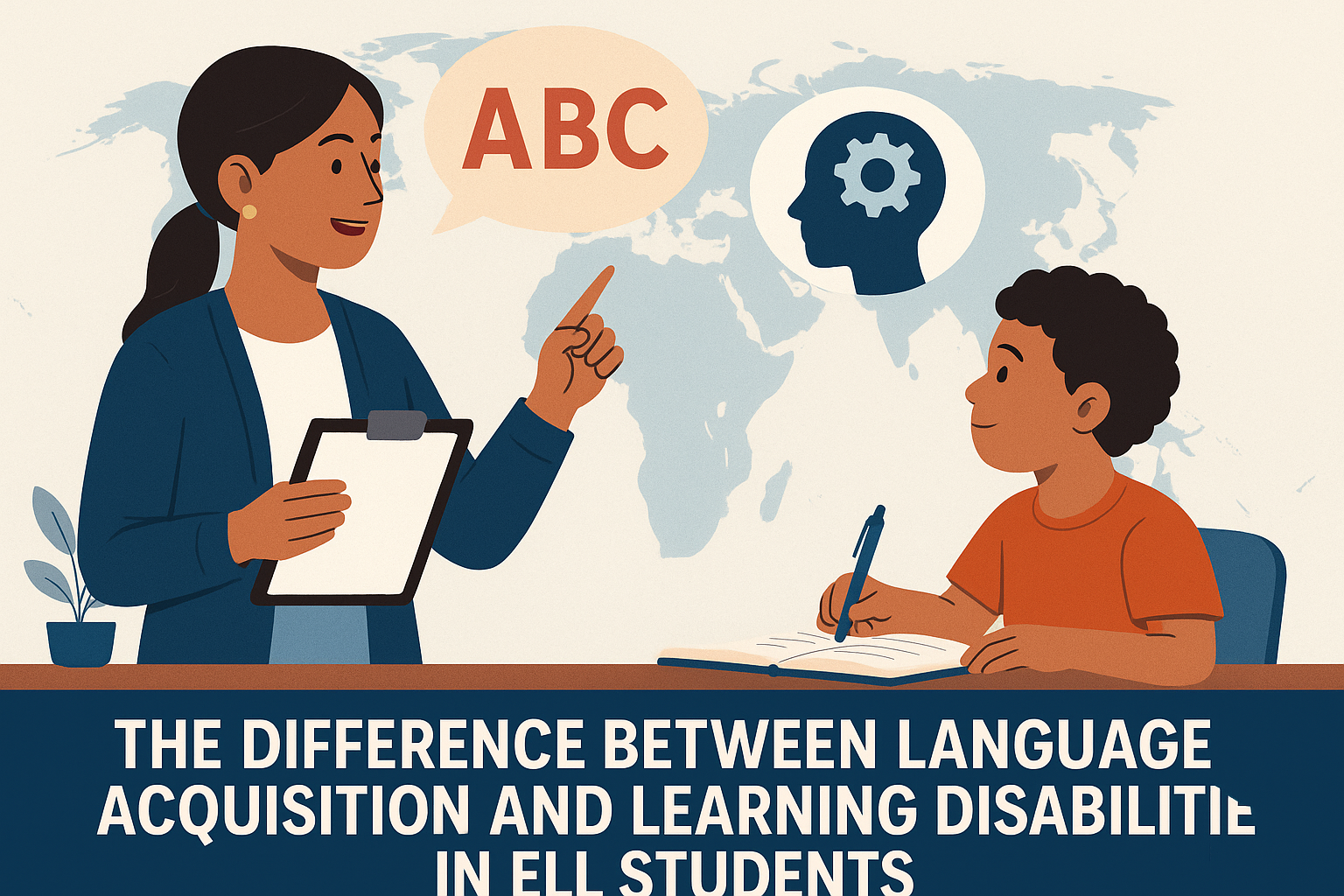
For educators working with English Language Learner (ELL) students, the distinction between language acquisition and learning disabilities is crucial. Often, these two areas can be conflated, leading to misdiagnoses and ineffective teaching strategies. Understanding how language acquisition operates for ELL students, as well as identifying possible learning disabilities, is essential for fostering an inclusive and effective learning environment.
Language acquisition refers to the natural process through which individuals learn a language, often in a subconscious manner. In contrast, learning disabilities encompass a range of difficulties in processing information, which can impact academic performance. In this article, we will explore the nuances of both concepts, their implications in educational settings, and practical insights for educators.
The Nature of Language Acquisition in ELL Students
Language acquisition is a multifaceted process that can occur in various environments and through different methods. For ELL students, this often entails acquiring English while simultaneously navigating their native languages. Theories of language acquisition, such as those proposed by linguist Stephen Krashen, highlight the importance of immersion and meaningful interaction in developing language skills.
Krashen introduced the Input Hypothesis, which posits that learners acquire language most effectively when they are exposed to comprehensible input—language that is slightly above their current level of proficiency. For ELL students, this means that exposure to English in an engaging context, such as social interactions or relevant academic content, can greatly enhance their language acquisition process.
The Role of Context in Language Acquisition
The context in which language acquisition occurs is vital. ELL students who are immersed in an English-speaking environment, where they can interact with peers and engage in real-world conversations, often acquire the language more naturally and effectively. For instance, a study from the National Clearinghouse for English Language Acquisition found that students who participated in bilingual education programs demonstrated higher levels of proficiency compared to their peers who received only English instruction.
Furthermore, the emotional and social aspects of language acquisition cannot be ignored. ELL students often face cultural and social challenges that can impact their willingness to participate in language-learning opportunities. Building a supportive classroom environment that fosters trust and encourages risk-taking in language use is essential for successful acquisition. Teachers can facilitate this by integrating culturally relevant materials and promoting inclusive practices that validate students’ backgrounds.
Identifying Learning Disabilities in ELL Students
While many ELL students may struggle with English language acquisition, placing all difficulties under the umbrella of learning disabilities is misleading. Learning disabilities can manifest in various ways, such as difficulties with reading, writing, or mathematics. It’s important to note that a language barrier does not imply a learning disability. (See: Language development in children.)
Research indicates that ELL students may experience a lag in academic achievement due to language acquisition challenges rather than cognitive deficits. For instance, a report from the National Center for Learning Disabilities emphasized that ELL students might be misidentified as having learning disabilities because their academic struggles stem from language barriers, not from an inability to learn.
Key Differences Between Language Acquisition and Learning Disabilities
There are several key differences that educators should consider when distinguishing between language acquisition challenges and learning disabilities in ELL students:
- Onset and Duration: Language acquisition is typically gradual and can take several years to develop, while learning disabilities are often present from an early age and may manifest consistently across subjects.
- Response to Intervention: ELL students experiencing language acquisition difficulties may show significant improvement with targeted language support, while students with learning disabilities may require specialized interventions.
- Patterns of Strengths and Weaknesses: ELL students might excel in their native language or possess strengths in other cognitive areas, while learning disabilities often result in pervasive weaknesses across various academic domains.
Practical Insights for Educators
Understanding the differences between language acquisition and learning disabilities is essential for educators. Here are some practical insights to assist in supporting ELL students:
- Use Formative Assessments: Regularly assess students’ language skills using formative assessments that focus on their progress in English rather than merely their performance on standardized tests.
- Implement Differentiated Instruction: Adopt varied teaching strategies that accommodate different learning styles and language proficiency levels. For instance, use visual aids, hands-on activities, and collaborative learning opportunities to enhance engagement.
- Encourage Native Language Development: Support students’ native language maintenance, as this can bolster English language acquisition and cognitive development. Bilingual education programs can be particularly effective.
Collaboration with Specialists
Collaboration with special education professionals and language specialists can facilitate accurate assessments and effective interventions. Teachers should not work in isolation; instead, they must engage with a team of professionals who can help to determine whether an ELL student’s difficulties stem from language acquisition issues or potential learning disabilities.
For example, involving school psychologists can provide insights into cognitive processing and help differentiate between language-related challenges and learning disabilities. Moreover, speech-language pathologists can assist in evaluating language proficiency and guiding targeted interventions.
The Importance of Cultural Competence
Finally, cultural competence plays a pivotal role in addressing the needs of ELL students. Educators must be aware of the cultural backgrounds of their students and how these factors influence learning. This involves understanding the cultural nuances that affect communication styles, learning preferences, and classroom behaviors.
Incorporating culturally responsive teaching practices can enhance engagement and foster a sense of belonging among ELL students. This could involve using culturally relevant examples in lessons, acknowledging students’ cultural holidays, and integrating their experiences into the curriculum.
Understanding the Stages of Language Acquisition
Language acquisition doesn’t happen overnight; it unfolds in stages. By understanding these stages, educators can tailor their teaching practices effectively to meet the needs of ELL students. The stages of language acquisition include: (See: Understanding learning disabilities.)
- Pre-production: Also known as the silent period, students may not speak much, often relying on gestures to communicate. They can understand more than they can express verbally.
- Early production: During this stage, students begin to use single words and simple phrases. They may still need significant support to form more complex sentences.
- Speech emergence: ELL students can create simple sentences and engage in conversations. However, their vocabulary may still be limited, affecting their fluency.
- Intermediate fluency: At this level, students demonstrate a more robust vocabulary and can participate in discussions, although they may still struggle with complex language structures.
- Advanced fluency: Finally, students reach a level of proficiency where they can engage in academic conversations, understanding nuances and abstract language.
Strategies for Supporting ELL Students at Each Stage
Supporting ELL students effectively requires tailored strategies at each stage of language acquisition:
- Pre-production: Use visuals, objects, and body language. Encourage students to respond through non-verbal means and provide a safe space for silent participation.
- Early production: Encourage the use of familiar vocabulary through songs and rhymes. Use sentence starters to help students form their sentences.
- Speech emergence: Foster peer interactions through group work that allows for conversation practice. Games that require verbal communication can be particularly effective.
- Intermediate fluency: Introduce more complex texts and promote writing exercises that encourage students to express their thoughts in full sentences.
- Advanced fluency: Provide opportunities for debate and discussion, allowing students to delve into complex topics and explore advanced vocabulary.
Statistics on ELL Students and Learning Outcomes
Understanding the impact of effective language acquisition strategies on ELL students can be highlighted through various statistics. For instance, a study published by the Migration Policy Institute noted that ELL students are the fastest-growing segment of the school-aged population in the United States, with over 5 million enrolled in public schools.
Additionally, research shows that ELL students who receive effective language instruction can improve their academic outcomes significantly. A study from the American Educational Research Association found that ELL students who received targeted instruction were 50% more likely to achieve proficiency in reading and math within 2 years compared to those who did not receive such support. There’s a fuller look at supporting ELL students.
Expert Perspectives on Language Acquisition and Learning Disabilities
Experts in the field emphasize the importance of understanding the interplay between language acquisition and learning disabilities. Dr. Jim Cummins, a leading researcher in bilingual education, advocates for a dual approach that recognizes both the need for language support and the potential for learning disabilities. According to Cummins, “It is critical to differentiate between a lack of English proficiency and true learning disabilities to avoid mislabeling students and providing inappropriate interventions.”
Similarly, Dr. Patricia Gándara, a professor at UCLA, highlights the importance of culturally responsive pedagogy and acknowledges that many ELL students possess skills that are not easily measured by traditional assessments. She states, “We must embrace the cultural and linguistic assets that ELL students bring to the classroom, rather than viewing them solely through the lens of deficits.”
Frequently Asked Questions (FAQ)
What are the key challenges ELL students face in language acquisition?
ELL students often face challenges such as limited exposure to English outside the classroom, cultural differences that affect communication, and anxiety about making mistakes in front of peers.
How long does it usually take for ELL students to become proficient in English?
While the timeline can vary significantly depending on individual circumstances, it generally takes 5 to 7 years for ELL students to achieve academic proficiency in English.
Can ELL students have learning disabilities?
Yes, ELL students can have learning disabilities. However, it is essential to differentiate between challenges stemming from language acquisition and those related to cognitive processing. Proper assessments are crucial for accurate identification.
What role do families play in supporting ELL students?
Family involvement is vital. Encouraging conversations in the home language, participating in school activities, and supporting their children’s educational journey can enhance ELL students’ language acquisition and academic success.
How can technology assist in language acquisition for ELL students?
Technology offers various tools such as language learning apps, interactive games, and online resources that can provide ELL students with additional language practice and exposure outside the classroom.
Conclusion: Fostering Understanding and Support
As the landscape of education continues to evolve, the distinctions between language acquisition and learning disabilities in ELL students remain critical. By fostering understanding and support, educators can create an environment that is both inclusive and effective for all learners. Acknowledging the unique challenges that ELL students face, while also recognizing their potential, will pave the way for a more equitable educational experience.
Ultimately, the key is to empower educators with the knowledge and resources they need to support ELL students effectively. By doing so, schools can ensure that all students receive the appropriate support and opportunities to thrive, both linguistically and academically.
“`
Trending Now
Frequently Asked Questions
What is the difference between language acquisition and learning disabilities?
Language acquisition is the natural process of learning a language, often subconsciously, while learning disabilities refer to specific difficulties in processing information that can hinder academic performance. Understanding this distinction is crucial for educators to provide effective support for English Language Learner (ELL) students. For more on this, see learning disabilities in teens.
How do ELL students acquire language?
ELL students acquire language through immersion in English-speaking environments and meaningful interactions. The Input Hypothesis suggests they learn best when exposed to comprehensible input that is slightly above their current proficiency level, enhancing their language skills effectively.
What are the implications of misdiagnosing learning disabilities in ELL students?
Misdiagnosing learning disabilities in ELL students can lead to inappropriate educational strategies and support. It is essential for educators to distinguish between normal language acquisition processes and genuine learning disabilities to foster an inclusive and effective learning environment.
What role does context play in language acquisition for ELL students?
Context is vital for language acquisition in ELL students. Being immersed in an English-speaking environment allows for social interactions and engagement with relevant academic content, which significantly enhances their ability to learn the language.
How can educators support ELL students in language acquisition?
Educators can support ELL students by providing comprehensible input, creating immersive learning experiences, and ensuring meaningful interactions. Tailoring teaching strategies to accommodate both language acquisition and potential learning disabilities is key to fostering effective learning.
What did we miss? Let us know in the comments and join the conversation.



