

“`html
When it comes to early childhood development, few milestones stand out as distinctly as mastering fine motor skills. Among these, the pincer grasp pencil grip plays a vital role in a child’s ability to write, draw, and engage in other activities requiring dexterity. Understanding the connection between these two skills not only helps parents and educators support children’s development but also sets the stage for academic success and self-expression. In this article, we will explore the significance of the pincer grasp, its relationship with pencil grip, and practical strategies for fostering these skills in young learners.
The Pincer Grasp: A Fundamental Skill
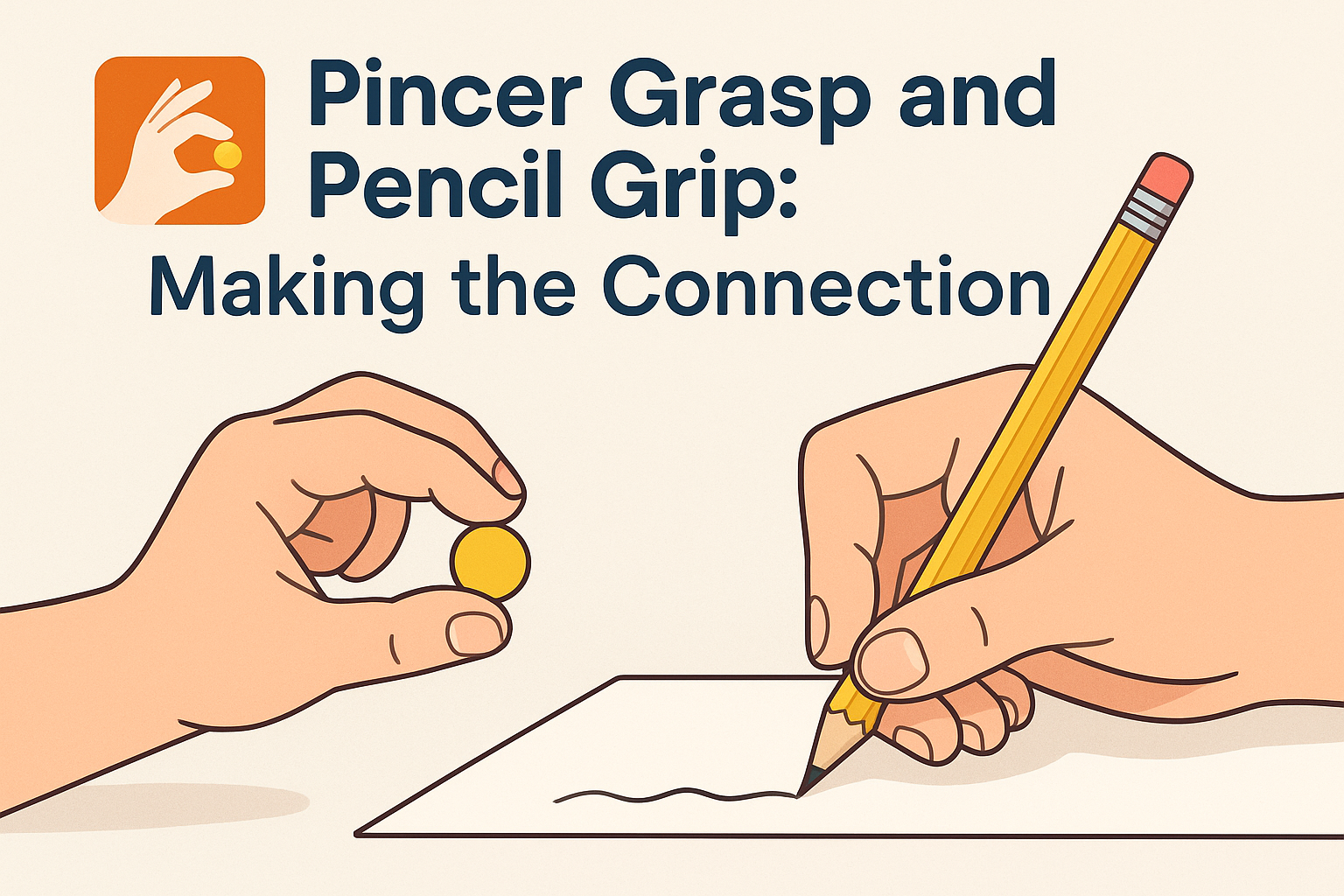
The pincer grasp refers to the ability to use the thumb and index finger to pick up small objects, and it typically develops between 8 and 12 months of age. This grasp is crucial, as it allows infants and toddlers to manipulate objects with increasing precision. For instance, when a child picks up a small piece of cereal or a toy, they are exercising their burgeoning fine motor skills. As they grow, these skills evolve and become foundational for tasks like writing and drawing.
Fine motor skills, like the pincer grasp, are essential for everyday tasks. They not only enhance a child’s ability to interact with their environment but also lay the groundwork for more complex activities. By developing a strong pincer grasp, children gain confidence in their abilities, setting the stage for future learning and exploration.
The Transition from Pincer Grasp to Pencil Grip
As children grow older and begin to engage in activities like drawing and writing, the pincer grasp evolves into a more refined pencil grip. This transition is significant because it marks a critical point in a child’s development. The way a child holds a pencil can influence their handwriting, speed, and overall comfort while writing.
Research shows that there are several types of pencil grips that children may adopt as they learn to write. The most effective grip, which is often encouraged, resembles the pincer grasp, where the thumb and index finger hold the pencil while the middle finger supports it from below. This grip not only allows for greater control but also reduces fatigue during writing tasks. A firm understanding of how these grips relate can help caregivers teach children more effectively.
Stages of Pencil Grip Development
Pencil grip development follows a series of stages, often mirroring the development of the pincer grasp. Understanding these stages can provide valuable insight for parents and educators. Here’s a brief overview:
- Stage 1: Fisted Grip (2-3 years) – At this stage, children often use a fist to hold the pencil, leading to limited control. They are typically engaged in scribbling, which is a precursor to more controlled writing.
- Stage 2: Digital Grip (3-4 years) – Here, children start to use their fingers to hold the pencil more effectively, typically using a combination of the index finger and thumb with the remaining fingers clenched. This grip shows greater control compared to the fisted grip.
- Stage 3: Mature Grip (4+ years) – The ideal grip involves the thumb and index finger pinching the pencil while the middle finger provides support. This grip allows for greater precision and control, which is critical for writing and drawing.
The progression through these stages is influenced by various factors, including exposure to writing tools, practice, and the child’s overall fine motor development. (See: CDC milestones for early childhood development.) (fine motor skills and handwriting)
Practical Insights for Encouraging the Pincer Grasp Pencil Grip
Fostering the development of the pincer grasp and proper pencil grip requires intentional activities and strategies. Here are some effective ways to encourage these skills:
- Engage in Play: Activities that promote fine motor skills include playing with building blocks, puzzles, or small toys. These activities encourage children to use their fingers and strengthen their grasp.
- Provide Writing Tools: Offering a variety of writing tools, such as crayons, markers, and pencils, can help children experiment with different grips. Chunky crayons can also be beneficial for younger children as they are easier to hold.
- Model Proper Grip: Demonstrate how to hold a pencil correctly and encourage children to imitate your grip. Engaging in writing or drawing together can reinforce this learning.
- Use Adaptive Tools: For children who may struggle with grip, adaptive tools such as pencil grips or thicker crayons can provide the support they need to develop their skills.
- Encourage Dressing and Self-Care Tasks: Simple tasks like buttoning shirts, zipping jackets, or using utensils can strengthen the pincer grasp and improve fine motor coordination.
By incorporating these activities into daily routines, caregivers can create a rich environment that nurtures both the pincer grasp and the pencil grip.
The Role of Educators in Supporting Development
Educators play a crucial role in ensuring children develop strong fine motor skills. By recognizing the importance of the pincer grasp pencil grip, teachers can create curricula that foster these abilities. Simple adjustments in the classroom can make a significant impact:
- Incorporate Craft Projects: Crafting is a fun way to engage fine motor skills. Activities like cutting, gluing, and coloring not only keep children engaged but also allow them to practice their pencil grip in various contexts.
- Offer Structured Writing Time: Designate specific times during the day for writing or drawing. This encourages children to practice their skills regularly.
- Assess Grip and Provide Feedback: Regularly observe students’ writing grips and offer constructive feedback. Encouraging proper techniques early on can prevent bad habits from forming.
In essence, educators can create an environment that champions fine motor skill development, enhancing both the pincer grasp and subsequent pencil grip.
Current Relevance and Future Implications
The connection between the pincer grasp and pencil grip is more relevant than ever, particularly in an age where technology dominates. While digital tools are becoming increasingly prevalent, traditional writing skills remain critical for effective communication. As children transition into a world filled with screens, ensuring they have a strong foundation in fine motor skills will empower them to express themselves through writing and art.
Additionally, studies have shown that fine motor skills are linked to cognitive development. Children who engage in activities that promote these skills often demonstrate better problem-solving abilities and creativity. The ability to manipulate objects and control tools is not just about physical ability; it’s also about cognitive processing and spatial awareness.
Looking ahead, the challenge lies in striking a balance between digital learning and maintaining traditional skills. As educators and parents, we must remain vigilant in fostering these essential skills, setting children up for success in their academic and personal lives.
Comparison of Pencil Grips: Pros and Cons
Understanding the various types of pencil grips and their respective advantages and disadvantages can help caregivers make informed recommendations to children. Here’s a comparison of common grips: (See: NIH resources on fine motor skills.)
- Fisted Grip:
- Pros: Easy for beginners as it requires less coordination.
- Cons: Limited control and can lead to fatigue; may hinder writing speed and fluidity.
- Digital Grip:
- Pros: Better control than the fisted grip; allows for more precise movements.
- Cons: Still not optimal for prolonged writing tasks; may lead to awkward positioning of fingers over time.
- Mature Grip:
- Pros: Offers the best control, reduces fatigue, and allows for fluid writing motion.
- Cons: Takes time and practice to develop; children may revert to less efficient grips if not monitored.
Encouraging children to adopt the mature grip as they progress through the stages will ultimately benefit their writing and overall fine motor skill development.
Frequently Asked Questions about Pincer Grasp and Pencil Grip
What age should my child start developing a pincer grasp?
Children typically start developing a pincer grasp between 8 and 12 months. You can encourage this skill by providing small objects for them to pick up and manipulate.
How can I tell if my child is ready to transition to a pencil grip?
When your child can consistently use their thumb and index finger to pick up small objects and shows interest in drawing or writing, they may be ready to start practicing pencil grips.
Which writing tools are best for beginners?
Chunky crayons, triangular pencils, and markers with a thicker barrel can help young children grip more effectively. As they develop their skills, transitioning to regular-sized pencils will be easier.
Is it normal for children to have different grips while learning?
Yes, children may use various grips as they learn. The key is to guide them towards a more effective grip without forcing it, allowing them to develop comfort and control at their own pace.
Can the pincer grasp affect other areas of development?
Absolutely! Strong fine motor skills, including the pincer grasp, are linked to cognitive development, language skills, and even social interactions. Activities that promote fine motor skills can have far-reaching benefits for your child.
Long-Term Benefits of a Strong Pincer Grasp Pencil Grip
Developing a solid pincer grasp pencil grip can have lasting benefits beyond just the classroom. Children who master these skills often exhibit enhanced writing abilities and better control over their artistic expression. Research indicates that fine motor skills are critical in early literacy development. Children who can hold writing instruments properly tend to have better handwriting, which is crucial for academic assessments.
Additionally, studies suggest that children with strong fine motor skills may excel in other areas, such as mathematics. The ability to manipulate objects and understand spatial relationships is vital in subjects involving shapes, measurements, and even basic geometry. This ability to coordinate hand movements is not only pivotal for artistic tasks but also for practical life skills such as cooking, crafting, and even playing certain sports.
The Impact of Technology on Fine Motor Skill Development
In today’s digital age, there’s a growing concern regarding the impact of technology on fine motor skill development. With the prevalence of tablets and smartphones, children are increasingly engaging with screens rather than traditional writing tools. While digital literacy is essential, it shouldn’t come at the expense of developing foundational skills like the pincer grasp and pencil grip.
Encouraging a balanced approach where children have regular access to tactile experiences is essential. For instance, scheduling “screen-free” times where children can engage in hands-on activities can help reinforce fine motor skills. Integrating technology with physical activities, such as using drawing applications that mimic real-life drawing, can also be beneficial, helping children find a middle ground between digital and traditional approaches.
Conclusion: Investing in Early Skills
In summary, the link between the pincer grasp and pencil grip is a vital aspect of childhood development that warrants attention from parents, educators, and caregivers alike. By understanding the importance of these skills and actively fostering them through play and structured activities, we can create a supportive environment that nurtures children’s growth. Mastering the pincer grasp pencil grip is not just about writing; it’s about empowering children to explore their creativity, build confidence, and ultimately succeed in their educational journeys.
“`
Trending Now
Frequently Asked Questions
What is the pincer grasp?
The pincer grasp is the ability to use the thumb and index finger to pick up small objects, typically developing between 8 and 12 months of age. It’s a crucial fine motor skill that allows young children to manipulate items with precision, laying the foundation for more complex tasks such as writing and drawing.
How does the pincer grasp relate to pencil grip?
The pincer grasp evolves into a more refined pencil grip as children grow and begin writing and drawing. This transition is important as the way a child holds a pencil can significantly affect their handwriting, speed, and comfort during writing tasks, influencing their overall academic performance.
Why are fine motor skills important for children?
Fine motor skills, including the pincer grasp, are essential for everyday tasks and interactions with the environment. They help children gain confidence in their abilities, which is crucial for their development, learning, and self-expression, particularly as they engage in more complex activities like writing and drawing.
What are some strategies to develop a pincer grasp?
To develop a pincer grasp, parents and educators can provide activities that encourage the use of the thumb and index finger, such as picking up small objects, using tweezers, or playing with building blocks. These playful exercises help strengthen fine motor skills essential for later tasks like writing.
What types of pencil grips do children use?
Children may adopt several types of pencil grips as they learn to write, including the tripod grip, quadrupod grip, and others. Each grip influences their handwriting and comfort, making it essential to encourage a proper grip early on to support their writing development and overall academic success. There’s a fuller look at top pencil grips for kids.
Agree or disagree? Drop a comment and tell us what you think.



