
“`html
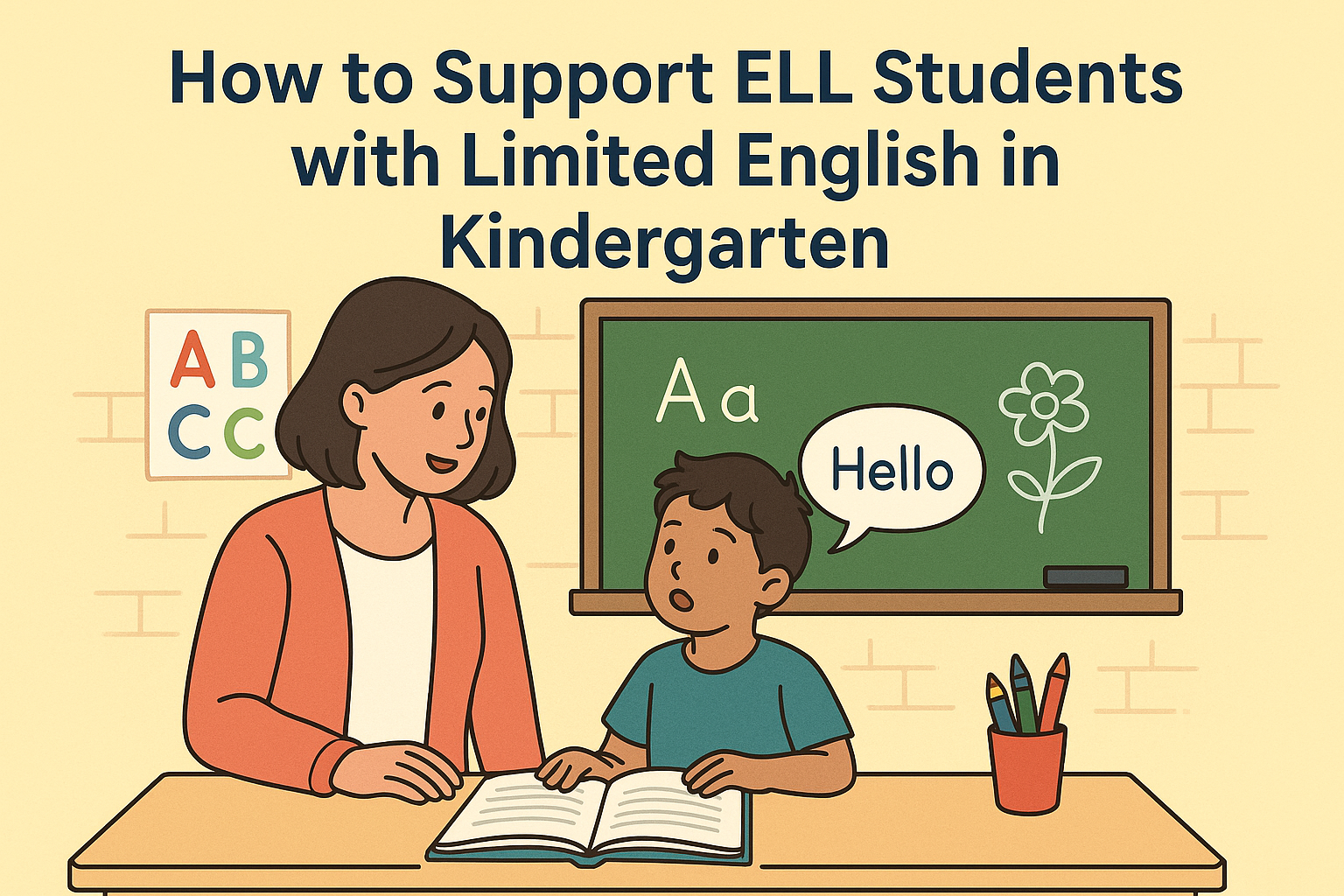
Supporting ELL students in kindergarten is more than just an educational obligation; it’s a vital step towards fostering a diverse and inclusive learning environment. As the United States sees a growing number of English Language Learners (ELLs) in its schools, particularly in early childhood education settings, understanding how to effectively support these students is critical. With limited English proficiency, ELL students face unique challenges that can impact their learning and social integration. Here are seven essential strategies to guide educators in providing the necessary support.
1. Create a Welcoming Environment
First impressions matter, especially in a kindergarten classroom. Creating a welcoming environment for ELL students starts with the physical classroom setup. Use visual aids, such as labels in both English and the students’ native languages, to familiarize them with their surroundings. This approach not only helps ELL students navigate the classroom but also promotes a sense of belonging.
Additionally, building relationships is key. Take the time to connect with ELL students and their families. If possible, learn a few words in their native language or use translation tools to communicate effectively. When children feel valued and understood, they are more likely to engage actively in their learning process.
2. Utilize Visual Supports
Visual supports are indispensable tools for supporting ELL students in kindergarten. Given that many young learners rely heavily on visual learning, incorporating pictures, charts, and videos into lessons can significantly enhance comprehension. For instance, when introducing new vocabulary, pair words with corresponding images or real-life objects. This dual coding improves retention and understanding.
Storyboards, graphic organizers, and picture schedules can also help ELL students follow along with lessons and daily routines. By providing clear visual cues, educators can bridge the gap between language and understanding, empowering ELL students to participate more fully in classroom activities.
3. Encourage Language Development
Language development is crucial for ELL students. Incorporating consistent opportunities for language practice throughout the day can make a significant difference in their proficiency. Activities like sharing time, partner reading, or interactive storytelling can engage students in meaningful conversations. Encourage them to express their thoughts, even if they make errors; the focus should be on communication rather than correctness.
In addition to spoken language, integrating songs, chants, and rhymes can enhance phonemic awareness and vocabulary acquisition. These musical elements are not only enjoyable but also help students internalize language patterns and make connections to the English language in a fun way.
4. Implement Collaborative Learning
Collaboration fosters a sense of community and belonging while also improving language skills. Pairing ELL students with fluent English speakers for group activities encourages peer learning. This setup allows ELL students to witness language use in context and practice their skills in a supportive environment. It also promotes social interaction, which is essential for building relationships and reducing feelings of isolation.
Educators can design group projects or paired reading sessions where ELL students can learn alongside their peers. These collaborative efforts cultivate a positive classroom atmosphere, allowing all students to learn from one another’s experiences and perspectives. (See: U.S. Department of Education on ELLs.)
5. Focus on Content-Based Instruction
Education should encompass more than just language skills—it’s also about content knowledge. Implementing content-based instruction allows ELL students to engage with the curriculum while simultaneously developing their language skills. For example, teaching science concepts through hands-on experiments can provide ELL students with meaningful context to learn new vocabulary and phrases.
When planning lessons, consider how to integrate language objectives with content goals. Utilizing thematic units that align with students’ interests can also make learning more relevant and enjoyable. This integration fosters cognitive development while ensuring that ELL students do not fall behind in academic content.
6. Professional Development for Educators
Educators play a crucial role in supporting ELL students. Continuous professional development can equip teachers with effective strategies and resources for addressing the unique needs of these learners. Workshops focusing on cultural competency, language acquisition theories, and differentiated instruction can enhance teachers’ understanding of ELL students’ challenges.
Additionally, collaboration among educators can lead to improved practices. Sharing insights and experiences can provide new perspectives on how to support ELL students. Schools should consider establishing mentorship programs or professional learning communities focused on ELL strategies to create a supportive network.
7. Engage Families in the Learning Process
Family engagement is an often overlooked yet vital component of supporting ELL students in kindergarten. When families are involved in their children’s education, it can lead to better academic outcomes and increased confidence for both parents and students. Schools should strive to maintain open lines of communication with families, offering resources in multiple languages whenever possible.
Hosting family nights or workshops that explore how parents can support language development at home can foster collaboration between schools and families. Providing parents with strategies to engage their children in reading or conversation can reinforce the learning that takes place in the classroom.
8. Promoting Cultural Awareness
Incorporating cultural awareness into the curriculum can greatly benefit ELL students. When educators recognize and celebrate the diverse backgrounds of their students, it fosters a sense of pride and belonging. This can be achieved through multicultural days, where students share stories, artifacts, or food from their cultures. Not only does this enrich the classroom environment, but it also allows ELL students to showcase their heritage and build connections with their peers.
Additionally, discussing cultural differences openly in the classroom can help all students develop empathy and respect for one another. This environment encourages ELL students to share their experiences and perspectives, which can enhance language skills through exposure to various narratives and discussions.
9. Integrate Technology
Technology can be a powerful ally in supporting ELL students. Digital tools and apps designed for language learning provide interactive and engaging ways for students to practice their skills. For example, language learning apps like Duolingo or ABCmouse can supplement classroom instruction by offering personalized practice opportunities. (See: CDC on health equity for ELLs.) culturally responsive teaching tips offers useful background here.
Moreover, using educational videos or interactive games can stimulate interest and engagement. For ELL students, watching content in English with subtitles in their native language can help them make connections between languages, increasing comprehension and retention. Providing access to technology can bridge gaps and give ELL students the resources they need to thrive academically.
10. Assessing Progress Effectively
Assessing the progress of ELL students requires careful consideration and appropriate methods. Traditional assessment methods may not accurately reflect their understanding and capabilities. Instead, use formative assessments that allow educators to gauge language acquisition and content knowledge over time. This could include portfolio assessments, observations, and performance tasks.
Additionally, incorporating self-assessment techniques encourages ELL students to reflect on their learning and set personal goals. This approach not only empowers them but also provides teachers with valuable insight into each student’s progress and challenges.
11. Creating Inclusive Curriculum
In designing lessons, it’s essential to create an inclusive curriculum that reflects the diverse backgrounds of all students. This involves incorporating literature and resources that feature characters and stories from various cultures. For instance, using bilingual books can not only support ELL students but also engage native English speakers in learning about different cultures.
Additionally, consider integrating global themes and perspectives into subjects like science and social studies. This broadens understanding and appreciation of diverse cultures, allowing ELL students to see their backgrounds represented in classroom discussions and activities.
12. Building Teacher-Student Relationships
Establishing strong relationships between teachers and ELL students is fundamental for fostering a positive learning environment. Teachers can show genuine interest in their students’ backgrounds and experiences. Simple actions, like asking students about their favorite activities or cultural traditions, can help in building trust.
Creating a safe space where students feel comfortable expressing themselves is vital. When students know their teachers care about them as individuals, they are more likely to take risks in their learning and be more engaged in classroom activities.
13. Utilizing Community Resources
Many communities offer resources that can greatly benefit ELL students and their families. Local libraries often host bilingual story hours, and community centers may provide language classes or cultural events. Connecting families with these resources can help strengthen their support systems and broaden their language exposure. (See: NIH resources for supporting ELL students.)
Encouraging family participation in community events can also build social networks, which are crucial for emotional support and for navigating the challenges of adjusting to a new culture. Schools can act as a bridge, helping families connect with these community resources to enhance their overall educational experience.
FAQ about Supporting ELL Students in Kindergarten
What are the main challenges faced by ELL students in kindergarten?
ELL students often struggle with language barriers, which can hinder their ability to participate in classroom discussions, understand instructions, and build relationships with peers. Additionally, cultural differences may affect their comfort level in a new environment.
How can teachers effectively engage ELL students during lessons?
Teachers can engage ELL students by utilizing interactive activities, providing visual supports, and encouraging peer collaboration. Tailoring lessons to include culturally relevant materials can also capture their interest and make learning more relatable.
What role do parents play in supporting ELL students?
Parents play a critical role by reinforcing language learning at home and encouraging their children to practice speaking English. Schools can support this by providing resources and strategies for bilingual or multilingual practices at home.
How can technology aid ELL students?
Technology can offer personalized learning experiences through language apps, interactive games, and videos that cater to the individual needs of ELL students. It also allows for flexible and engaging practice opportunities that can be adapted to various learning styles.
Supporting ELL students in kindergarten is an ongoing process that requires dedication, creativity, and collaboration. By implementing these strategies, educators can create an inclusive and nurturing environment that facilitates language acquisition and fosters a love for learning. Remember, every step taken toward supporting these students is a step toward building a more equitable education system.
“`
Trending Now
Frequently Asked Questions
How can teachers support ELL students in kindergarten?
Teachers can support ELL students by creating a welcoming environment, utilizing visual supports, and building relationships with students and their families. Incorporating bilingual labels, visual aids, and interactive activities helps ELL students navigate the classroom and enhances their learning experience.
What strategies are effective for teaching ELL students?
Effective strategies for teaching ELL students include using visual aids, pairing new vocabulary with images, and implementing graphic organizers. These methods cater to the visual learning style of many young learners and help improve comprehension and retention of new information.
Why is it important to support ELL students in early education?
Supporting ELL students in early education is crucial for fostering an inclusive learning environment. It helps students overcome language barriers, promotes social integration, and enhances their academic success, ultimately leading to a more diverse and enriched classroom experience.
What role do visual aids play in ELL education?
Visual aids play a significant role in ELL education by enhancing comprehension and retention. Tools such as pictures, charts, and videos provide clear context for new vocabulary and concepts, making it easier for ELL students to engage with the material and follow lessons.
How can teachers build relationships with ELL families?
Teachers can build relationships with ELL families by communicating effectively, learning a few words in their native language, and using translation tools. Engaging with families fosters a supportive community and encourages active participation in their children's education.
What did we miss? Let us know in the comments and join the conversation.