
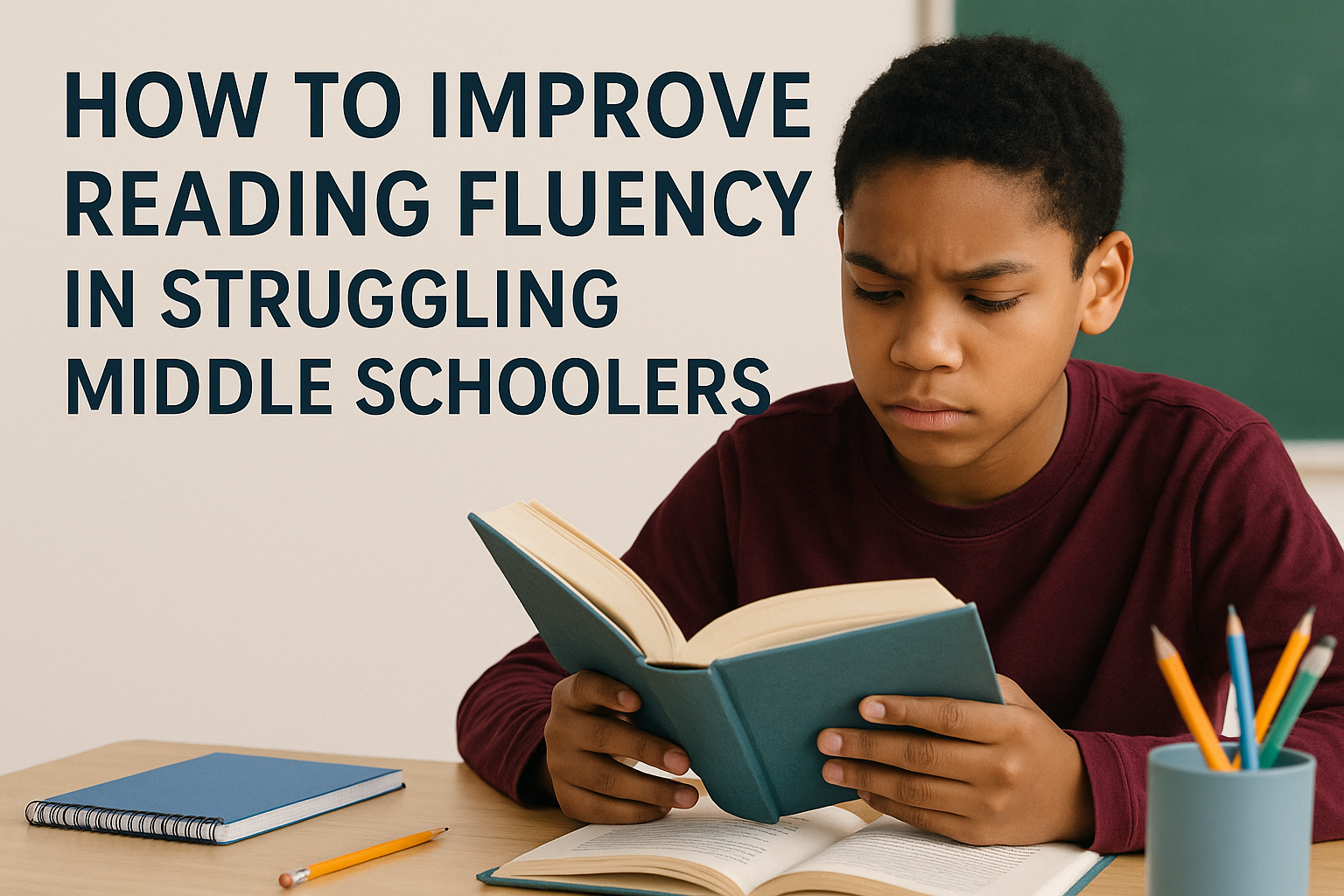

Reading fluency is a crucial skill that impacts a student’s academic success, especially in middle school when the curriculum becomes more complex. Students who struggle with reading fluency often face challenges that go beyond mere difficulties in interpreting text. They may feel frustrated, disengaged, and at risk of falling behind their peers. However, innovative strategies and reading fluency technology can provide effective solutions to help these students improve their skills and regain confidence.
1. Understanding Reading Fluency
Reading fluency is defined as the ability to read a text accurately, quickly, and with proper expression. It’s a key component of overall reading comprehension, which is essential for success in all subjects. Fluent readers can process text more efficiently, allowing them to focus on understanding the content rather than just deciphering words. For middle schoolers, reading fluency is linked to academic performance; students who struggle in this area often face significant challenges in other subjects, as reading is integral to learning.
The importance of reading fluency cannot be overstated. Research indicates that students who read fluently are more likely to comprehend and retain information. Additionally, they tend to have higher self-esteem and motivation toward reading. Unfortunately, many middle schoolers struggle with reading fluency due to factors like insufficient foundational skills, lack of practice, or varying learning disabilities. Identifying and addressing these issues early on can make a significant difference in their academic journey.
2. Implementing Targeted Strategies for Improvement
To effectively enhance reading fluency in struggling middle schoolers, educators and parents should implement targeted strategies that cater to individual needs. One effective approach is the use of repeated reading. This technique involves having students read the same text multiple times until they reach a level of fluency that allows for improved speed and comprehension. This strategy not only helps students become familiar with the words and structure of the text but also builds their confidence.
Additionally, incorporating guided oral reading can be beneficial. In this method, an instructor reads a passage aloud while students follow along. This model provides students with a clear example of fluent reading and helps them develop appropriate pacing and expression. Furthermore, integrating reading fluency technology, such as audio books and digital reading platforms, can offer students immediate feedback and support, making practice more engaging and effective.
3. The Role of Reading Fluency Technology
Reading fluency technology is reshaping how educators approach reading interventions. Tools like software programs and apps designed for reading practice can provide personalized learning experiences for struggling middle schoolers. These technologies often include features that allow students to hear words pronounced correctly, practice reading at their own pace, and receive instant feedback on their progress.
For instance, software that tracks reading speed and accuracy can motivate students to improve their skills. Programs that include gamified elements can also make the learning process more engaging, encouraging reluctant readers to practice more often. By integrating these technological resources, educators can create a more dynamic learning environment that promotes fluency and comprehension simultaneously.
4. Creating a Supportive Reading Environment
A supportive reading environment is vital for fostering reading fluency. This involves creating a space that encourages regular reading habits, access to diverse reading materials, and a culture of reading among peers and family. For middle schoolers, it’s important to provide literature that aligns with their interests and reading levels. This not only makes reading more enjoyable but also increases the likelihood of sustained engagement. (See: Understanding reading fluency.)
Moreover, encouraging discussion about books can enhance comprehension and retention. Book clubs or reading groups can help students feel connected and motivated. Involving parents in the process can also be beneficial; strategies such as reading together at home or discussing books can create a collaborative atmosphere that values literacy. Additionally, teachers should celebrate progress, no matter how small, to help build students’ confidence in their reading abilities.
5. Utilizing Peer Support and Collaborative Learning
Peer support can be an invaluable resource for improving reading fluency among middle schoolers. Pairing students for reading activities not only helps struggling readers learn from their more proficient classmates but also fosters a sense of community and collaboration. This method can alleviate feelings of isolation that often accompany learning difficulties.
Collaborative learning strategies, such as reciprocal teaching, can also be effective. In this approach, students take turns leading a discussion about a text, summarizing key points, and asking questions. This peer-led format empowers students to take ownership of their learning and reinforces comprehension while improving reading fluency. By involving students in each other’s learning processes, educators can create a rich, supportive environment that nurtures reading skills.
6. Assessment and Continuous Monitoring
Regular assessment and monitoring of reading fluency are crucial for identifying progress and adapting instructional strategies. Tools such as fluency assessments can provide valuable insights into a student’s abilities and areas that require additional focus. These assessments can be conducted through timed readings, where fluency is measured by speed and accuracy, along with comprehension questions to gauge understanding. (effective reading strategies)
Continuous monitoring allows educators to tailor their teaching approaches as needed. For example, if a student excels in speed but struggles with comprehension, interventions can be adjusted to focus more on understanding the text. Additionally, incorporating student self-assessments encourages them to reflect on their reading journey, fostering a sense of responsibility and ownership over their improvement.
7. Professional Development for Educators
To effectively support reading fluency, educators themselves need ongoing professional development. Understanding the latest research and best practices in reading instruction is essential for teachers to help their students succeed. Workshops, conferences, and online courses can equip educators with the tools and strategies needed to implement reading fluency technology and innovative instructional approaches effectively.
Additionally, collaborating with literacy specialists or reading coaches can provide teachers with personalized guidance and resources tailored to their specific classroom needs. This professional development can also foster a collaborative culture among educators, encouraging the sharing of successful strategies and experiences, ultimately benefiting students across the board.
8. The Importance of Family Involvement
Family involvement is a key factor in improving reading fluency among middle schoolers. Parents and guardians play a vital role in fostering a love for reading and supporting their child’s literacy development at home. Simple actions, such as reading together, providing access to a range of books, and discussing stories, can significantly impact a child’s reading fluency. (See: Importance of reading fluency.)
Educators can facilitate family involvement by hosting workshops or informational sessions that educate parents on how they can support their children’s reading at home. Offering tips on effective reading strategies, technology resources, and ways to create a positive reading environment can empower families to take an active role in their child’s literacy journey. When families and schools work together, students are more likely to thrive in their reading skills.
9. Emphasizing a Growth Mindset
Finally, instilling a growth mindset in students is essential for their development as readers. A growth mindset emphasizes the belief that abilities, including reading fluency, can be developed through effort and practice. Encouraging students to view challenges as opportunities to learn rather than insurmountable obstacles can change their attitude towards reading.
Teachers can promote a growth mindset by celebrating mistakes as part of the learning process, providing constructive feedback, and setting achievable goals. Encouraging students to set personal reading goals and track their progress can also bolster their self-efficacy. When students believe in their ability to improve, they are more likely to engage actively in their reading practice and seek out opportunities to enhance their skills.
10. Future Trends in Reading Fluency Technology
As technology continues to evolve, so does the landscape of reading fluency interventions. Emerging trends include the use of artificial intelligence (AI) and machine learning to create even more personalized learning experiences. These technologies can analyze students’ reading patterns and offer customized exercises that target specific areas of difficulty, ensuring that no two learning experiences are the same.
Moreover, virtual and augmented reality are being explored as innovative ways to immerse students in reading. Interactive environments can transform the reading experience and make it more engaging. For instance, a student might read about a historical event while virtually “walking” through the setting, which can enhance comprehension and retention.
11. Statistics on Reading Fluency and Technology
Understanding the impact of reading fluency technology can be further underscored by examining relevant statistics. Research shows that students using technology-enhanced reading tools improve their fluency rates by up to 30% compared to traditional methods. Additionally, a study indicated that students who utilized apps designed for reading practice reported a 50% increase in their motivation to read. This significant shift suggests that integrating technology not only aids in skill development but also fosters a more positive attitude toward reading. See also communal reading insights.
Another notable statistic is that students with specific learning disabilities show marked improvement in fluency when using assistive technology, with some studies reporting an average increase in reading accuracy of 40%. This underscores the importance of personalized approaches in reading interventions, especially for those facing unique challenges.
12. Frequently Asked Questions (FAQ)
What is reading fluency technology?
Reading fluency technology encompasses a variety of tools and applications designed to enhance the reading skills of students. These can include software programs, mobile apps, audio books, and digital platforms that provide interactive and personalized reading experiences. (See: Research on reading fluency.)
How can parents support their child’s reading fluency at home?
Parents can support reading fluency by providing access to diverse reading materials, engaging in regular reading sessions together, and discussing the content actively. They can also encourage the use of technology resources that promote reading practice and comprehension.
What age group benefits most from reading fluency technology?
While reading fluency technology can benefit students of all ages, middle schoolers often experience significant gains because this is a critical period for developing advanced reading skills. These students can leverage technology to address specific gaps in their fluency and comprehension.
Are there any downsides to using technology for reading fluency?
While technology can enhance learning, it’s important to balance screen time with traditional reading practices. Over-reliance on technology can sometimes lead to less engagement with physical books, so it’s essential to incorporate a variety of reading experiences.
How can schools measure the effectiveness of reading fluency technology?
Schools can measure effectiveness through regular assessments of reading fluency and comprehension. Tracking improvements in speed, accuracy, and overall engagement can provide valuable insights into the impact of reading fluency technology in the classroom.
In conclusion, enhancing reading fluency in struggling middle schoolers requires a comprehensive approach that includes targeted strategies, supportive environments, family involvement, and the integration of technology. By leveraging these techniques, educators and families can work together to foster the development of confident, proficient readers.
Trending Now
Frequently Asked Questions
What is reading fluency and why is it important?
Reading fluency refers to the ability to read text accurately, quickly, and with proper expression. It's crucial for academic success, especially in middle school, as it significantly impacts comprehension and retention of information across subjects.
How can I help my child improve reading fluency?
To help improve reading fluency, consider implementing targeted strategies such as repeated reading, where students read the same text multiple times. This technique builds confidence and enhances their ability to process text efficiently.
What are common challenges faced by struggling readers?
Struggling readers often face challenges like insufficient foundational skills, lack of practice, and learning disabilities. These issues can lead to frustration and disengagement, making it essential to identify and address them early.
What strategies can teachers use to support reading fluency?
Teachers can support reading fluency by using strategies like repeated reading, guided oral reading, and incorporating technology that promotes practice. Tailoring approaches to meet individual student needs is key to effective improvement.
How does reading fluency affect overall academic performance?
Reading fluency is linked to overall academic performance as fluent readers can focus on understanding content rather than just decoding words. This skill enhances comprehension and retention, which are vital for success in all subjects.
Agree or disagree? Drop a comment and tell us what you think.



