

“`html
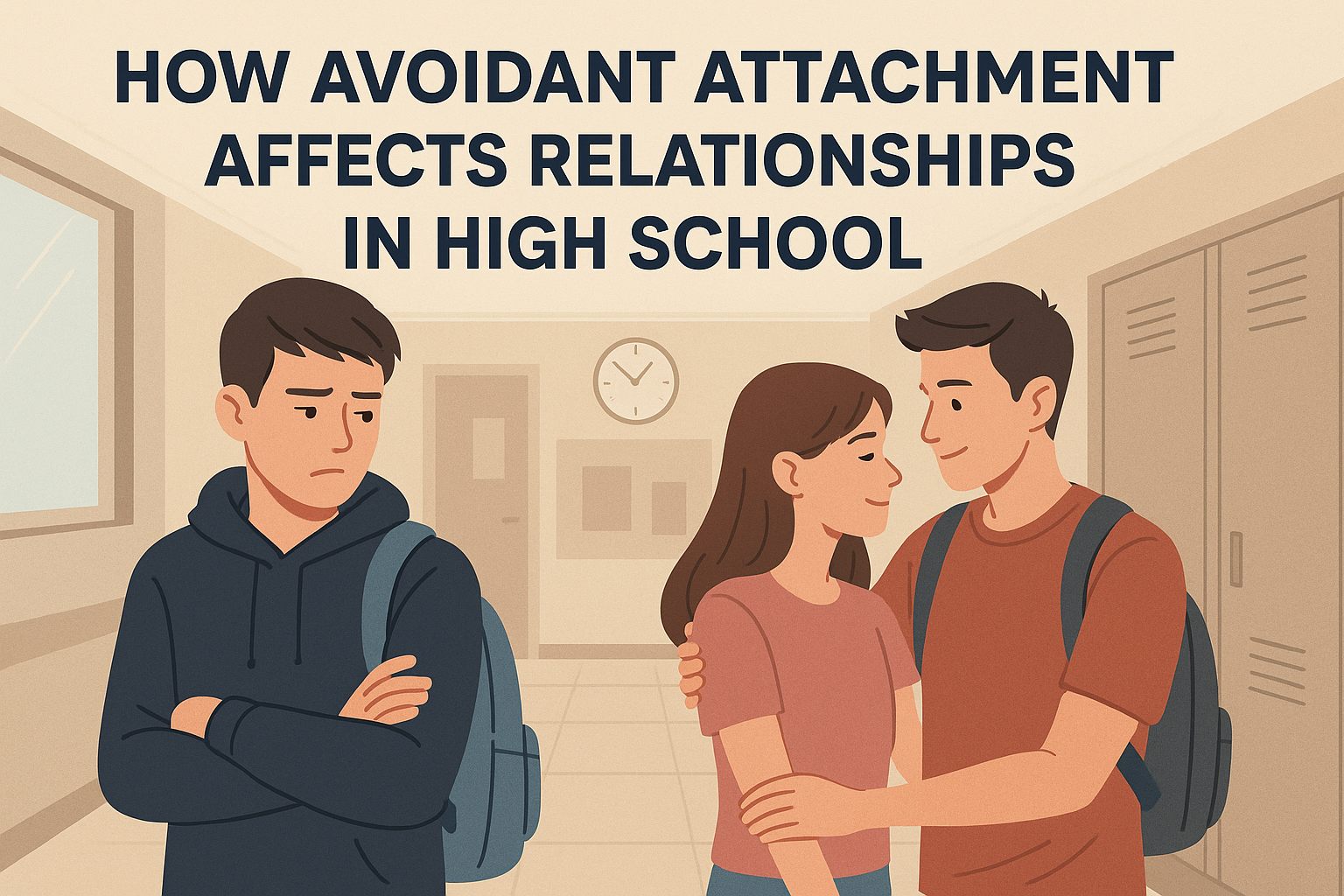
In high school, relationships can be a rollercoaster of emotions, experiences, and growth. Yet, for some students, this time can also be overshadowed by unresolved attachment issues. Understanding how avoidant attachment impacts high school relationships is crucial for students, parents, and educators alike. This article explores the nuances of avoidant attachment, its effects on relationships during this formative time, and offers insights into fostering healthier connections.
Understanding Avoidant Attachment
Avoidant attachment is one of the four primary attachment styles identified by psychologists, the others being secure, anxious, and disorganized. This attachment style often develops in early childhood when caregivers are emotionally unavailable or consistently unresponsive to a child’s needs. As a result, children learn to suppress their emotional needs and view dependence on others as a weakness.
In high school, these early experiences manifest in how students interact with peers and romantic partners. Those with avoidant attachment tend to prioritize independence and self-sufficiency, often leading to difficulties in forming close relationships. This detachment can create a cycle of emotional distance, making it challenging to establish meaningful connections during a time when social bonds are crucial.
The Impact on Romantic Relationships
High school is a critical period for exploring romantic relationships, but for students struggling with avoidant attachment, navigating these connections can be particularly challenging.
1. Fear of Intimacy: Avoidant individuals often grapple with a deep-seated fear of intimacy. They may desire closeness but simultaneously feel anxious about losing their independence. This internal conflict can lead to behaviors such as emotional withdrawal or pushing partners away when they start to get too close.
2. Difficulty with Vulnerability: Vulnerability is a cornerstone of intimate relationships. However, students with avoidant attachment may find it extremely difficult to open up about their feelings, thoughts, or insecurities. This reluctance not only hinders their ability to connect with partners but can also create a barrier to resolving conflicts, leading to misunderstandings and resentment.
3. Interpersonal Conflicts: Avoidant attachment can contribute to a pattern of conflicts in relationships. For instance, when faced with challenges, these students might retreat emotionally instead of engaging in constructive communication. This avoidance can exacerbate issues, creating a toxic cycle where partners feel neglected or unimportant.
Social Dynamics and Peer Relationships
Friendships in high school play a pivotal role in personal development. However, students with avoidant attachment may struggle to form deep, trusting friendships. Their instinct to keep others at arm’s length can lead to superficial connections rather than meaningful bonds.
1. Group Dynamics: In group projects or social settings, avoidant individuals may withdraw from collaboration, preferring to handle tasks alone. This behavior can be misinterpreted as aloofness or disinterest, potentially alienating peers who may perceive them as unfriendly or unapproachable.
2. Fear of Rejection: Avoidant individuals often harbor fears of rejection, which may lead them to guard their thoughts and feelings closely. As a result, they may miss out on opportunities to form genuine friendships, reinforcing their feelings of isolation.
3. Coping Mechanisms: To cope with social anxiety, students with avoidant attachment may employ various strategies, such as humor or sarcasm, to deflect deeper connections. While these mechanisms might provide temporary relief, they ultimately hinder personal growth and the development of supportive friendships. (See: Attachment theory overview.)
Recognizing Signs of Avoidant Attachment
Identifying avoidant attachment in oneself or others can be instrumental in addressing relationship challenges. Here’s what to look for: For more on this, see understanding attachment styles.
- Emotional Detachment: A tendency to remain emotionally distant or unresponsive in relationships.
- Difficulty Expressing Feelings: Reluctance to share emotions or engage in discussions about feelings.
- Preference for Independence: A strong need to maintain personal space and independence, often at the expense of intimacy.
- Avoidance of Conflict: A tendency to withdraw from or avoid conversations about relationship difficulties.
- Limited Trust: Difficulty trusting others, leading to hesitancy in forming close bonds.
Recognizing these signs can pave the way for more profound self-awareness and ultimately better relationships.
Strategies for Overcoming Avoidant Attachment in High School
While avoidant attachment can pose challenges, there are practical strategies that individuals can employ to foster healthier relationships.
1. Self-Reflection and Awareness: The first step toward change is self-awareness. Students should take a moment to reflect on their attachment style and how it influences their relationships. Journaling thoughts and feelings can be an effective way to understand patterns.
2. Practice Vulnerability: Taking small steps to share thoughts and feelings can help combat the fear of intimacy. This might involve confiding in a trusted friend or sharing more openly with a romantic partner. The more comfortable one becomes with vulnerability, the more natural it will feel.
3. Seek Professional Help: Sometimes, the complexities of attachment styles are best addressed with the help of a professional. Therapy can provide a safe space to explore emotional barriers and learn effective communication strategies.
4. Communicate Openly: Honest communication can bridge the gap between avoidant individuals and their partners or friends. Clearly stating feelings and desires can foster understanding and create deeper emotional connections.
5. Build Trust Gradually: Establishing trust takes time, especially for those with avoidant attachment. Engaging in small acts of trust, such as sharing a secret or relying on a friend for support, can gradually build a foundation of safety in relationships.
The Role of Educators and Parents
Educators and parents play a crucial role in supporting students with avoidant attachment in high school. Their understanding and guidance can make a significant difference in fostering healthier relationship dynamics.
1. Create Supportive Environments: Schools should foster an environment where emotional expression is encouraged. This can be achieved through programs that promote social-emotional learning, helping students understand their feelings and those of others.
2. Open Dialogue: Parents should maintain open lines of communication with their children, making it easy for them to express their feelings and concerns. Regular check-ins can help students feel valued and understood.
3. Model Healthy Relationships: Both educators and parents can demonstrate healthy relationship dynamics. By modeling effective communication and conflict resolution skills, they can provide students with tangible examples of how to engage in meaningful connections. (See: Children's mental health resources.)
Current Relevance and Future Implications
The relevance of understanding avoidant attachment in high school relationships is more critical than ever. As mental health awareness grows, the need for students to develop healthy interpersonal skills becomes increasingly vital.
By addressing avoidant attachment patterns early on, students can establish healthier relationships that will serve them well beyond high school. Furthermore, as they transition into adulthood, the skills learned during this time can translate into more fulfilling romantic partnerships, friendships, and professional relationships.
In a world that often emphasizes individualism, the ability to connect with others on a deeper level is invaluable. Recognizing and addressing avoidant attachment not only benefits individuals but also contributes to creating a more supportive and understanding community.
As we continue to explore the complexities of human relationships, it’s essential to remember that acknowledging attachment styles is just the beginning. With awareness and effort, students can transform their high school relationships, paving the way for healthier connections in the future.
Frequently Asked Questions
What are the main characteristics of avoidant attachment in high school students?
Avoidant attachment in high school students often manifests as emotional detachment, difficulty expressing feelings, and a strong preference for independence. These students may avoid conflicts and have a hard time trusting others, which can lead to challenges in forming close relationships.
How can friends help someone with avoidant attachment?
Friends can support someone with avoidant attachment by being patient and understanding. Encouraging open communication, creating a safe space for sharing feelings, and providing consistent support can help the individual feel more secure in the friendship, paving the way for deeper connections.
Is avoidant attachment a permanent condition?
No, avoidant attachment is not necessarily permanent. With self-awareness, effort, and potentially professional support, individuals can work towards developing a more secure attachment style and improving their relationships over time.
How can teachers support students with avoidant attachment?
Teachers can support students with avoidant attachment by fostering an inclusive classroom environment, encouraging open communication, and providing opportunities for group work that allows for safe interaction. They can also model healthy relationship skills and be available to listen to students’ concerns.
Can avoidant attachment affect academic performance?
Yes, avoidant attachment can impact academic performance. Students who struggle with emotional connections may find it difficult to collaborate or engage with peers, which can lead to feelings of isolation and hinder their participation in class activities. This can ultimately affect their academic success.
What resources are available for students struggling with avoidant attachment?
Students can seek support from school counselors, psychologists, or mental health professionals. Many schools offer resources such as workshops on social-emotional learning and peer support groups that can help students develop healthier relationships.
Comparing Attachment Styles in High School
Understanding the differences between attachment styles can provide valuable insights into relationship dynamics during high school. Here’s a brief comparison of avoidant attachment with other styles:
- Secure Attachment: Students with a secure attachment style generally feel comfortable with intimacy and independence. They have more trust in others and are typically better at communicating their needs, leading to healthier and more stable relationships.
- Anxious Attachment: Anxiously attached students often crave closeness but fear rejection. They may display clinginess or excessive need for reassurance, which can create tension in relationships, unlike the emotional distance of avoidant individuals.
- Disorganized Attachment: This style can lead to erratic behaviors in relationships, combining traits from both anxious and avoidant styles. Students may struggle with trust issues and unpredictability, making their relationships particularly tumultuous.
By comparing these styles, one can see how avoidant attachment can create unique challenges in high school relationships, emphasizing the need for tailored strategies to address these issues.
Real-Life Examples of Avoidant Attachment
Understanding avoidant attachment can be made clearer with real-life examples. Consider two high school students, Alex and Jamie:
Alex, who has an avoidant attachment style, often finds himself feeling overwhelmed when his girlfriend expresses a desire to spend more time together. While he enjoys their relationship, he fears losing his autonomy and tends to pull away when things get too close. This behavior leaves Jamie confused and hurt, creating tension between them.
On the other hand, Jamie, who has a secure attachment style, responds to Alex’s withdrawal with patience and understanding. She tries to communicate her feelings, expressing her need for closeness without pressuring him. This dynamic highlights how different attachment styles can affect relationship dynamics.
Potential Long-Term Effects of Avoidant Attachment
The effects of avoidant attachment can extend well beyond high school. Individuals who struggle with this attachment style may face challenges in adult relationships, such as:
- Struggles with Commitment: Adults with avoidant attachment may find it difficult to commit to long-term relationships due to their fear of intimacy and dependence.
- Emotional Isolation: A tendency to keep others at arm’s length can lead to feelings of loneliness and dissatisfaction in personal relationships.
- Difficulty in Parenting: Those with avoidant attachment may struggle with emotional bonding with their children, potentially perpetuating the cycle of attachment issues.
Addressing avoidant attachment in high school provides an opportunity for individuals to break this cycle and foster healthier, more fulfilling relationships in adulthood.
“`
Trending Now
- our breakdown of exciting opportunity for a full-stack rails engineer at mitre media: shape the future of fintech
- this guide on pincer grasp activities for toddlers and preschoolers
- the complete explanation
- this guide on why some children with adhd struggle with hand-eye coordination
Frequently Asked Questions
What is avoidant attachment?
Avoidant attachment is a psychological attachment style characterized by a reluctance to depend on others and a tendency to suppress emotional needs. It often develops in childhood when caregivers are emotionally unavailable, leading individuals to prioritize independence and self-sufficiency in their relationships.
How does avoidant attachment affect high school relationships?
In high school, avoidant attachment can lead to emotional distance and difficulties forming close connections. Students may struggle with intimacy, experience anxiety about dependence, and often withdraw from relationships, making it challenging to establish meaningful bonds during this critical developmental period.
What are the signs of avoidant attachment in teenagers?
Signs of avoidant attachment in teenagers include a strong preference for independence, emotional withdrawal from peers and partners, difficulty expressing feelings, and a fear of intimacy. These behaviors can hinder their ability to develop close, supportive relationships during high school.
Can avoidant attachment be changed?
Yes, avoidant attachment can be addressed and changed through self-awareness, therapy, and developing healthier relationship patterns. By understanding their attachment style, individuals can work towards fostering more secure connections and improving their interpersonal dynamics.
How can parents help children with avoidant attachment?
Parents can support children with avoidant attachment by providing a nurturing environment, being emotionally available, and encouraging open communication. Building trust and fostering emotional expression can help children feel more secure and reduce avoidant tendencies as they navigate relationships.
What’s your take on this? Share your thoughts in the comments below — we read every one.



