

“`html
Avoidant attachment in children is a topic that increasingly demands attention from parents, educators, and mental health professionals alike. This attachment style can affect a child’s emotional development and social interactions significantly. Understanding the signs of avoidant attachment is crucial for early intervention, which can lead to healthier emotional outcomes. Here, we’ll explore the key signs of avoidant attachment, its causes, and practical strategies to help children develop secure attachments.
1. Understanding Avoidant Attachment
Avoidant attachment is one of the four primary attachment styles identified in children, alongside secure, anxious, and disorganized attachment. Children with avoidant attachment often exhibit a strong sense of independence and self-sufficiency, but this façade can mask deeper emotional needs. They may avoid seeking comfort from caregivers, even in distressing situations, preferring to withdraw rather than engage.
The roots of avoidant attachment can often be traced back to early interactions with caregivers. When a child’s emotional needs are consistently unmet, they learn to rely on themselves instead of seeking help from others. This can lead to a cycle where the child learns to suppress their feelings and becomes increasingly distant, both emotionally and physically, from those around them.
2. Signs of Avoidant Attachment in Children
Recognizing the signs of avoidant attachment in children is vital for parents and caregivers. Some common indicators include:
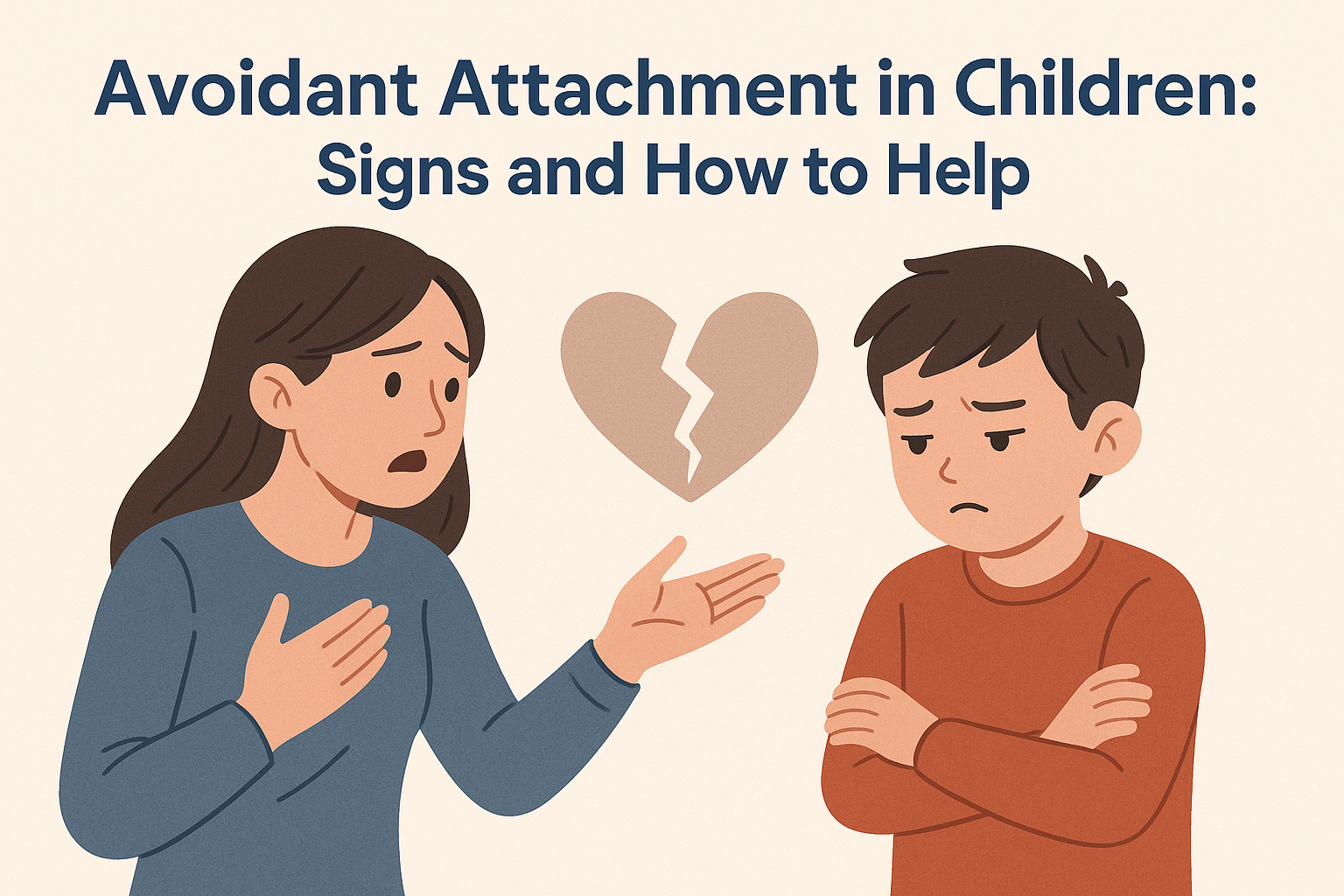
- Avoidance of Emotional Connections: Children may shy away from physical affection or emotional closeness, often appearing uninterested in forming deep bonds with peers or caregivers.
- Independence and Self-Reliance: While independence is generally healthy, these children may take it to an extreme, refusing help or guidance even when they clearly need it.
- Difficulty Expressing Emotions: Children with avoidant attachment may struggle to articulate their feelings, often leading to frustration or the emergence of behavioral issues.
These signs can manifest in various settings, from home to school, and can significantly affect a child’s social development and academic performance.
3. Causes of Avoidant Attachment
Understanding the origins of avoidant attachment is essential for addressing it effectively. This attachment style typically stems from early experiences with caregivers. Key factors that contribute to developing avoidant attachment include: We covered understanding avoidant attachment in more detail.
- Inconsistent Caregiving: A caregiver who is emotionally distant or unresponsive can lead a child to believe that their needs won’t be met.
- Parental Rejection: Children who experience rejection or neglect from their caregivers often learn to suppress their emotional needs to avoid further hurt.
- High Parental Expectations: If a parent places excessive demands on their child to be independent, it can create a pressure cooker environment that fosters avoidant behaviors.
The implications of these causes extend beyond childhood. Adults who experienced avoidant attachment may struggle with intimacy and emotional expression, leading to challenges in relationships throughout their lives.
4. Long-Term Effects of Avoidant Attachment
The repercussions of avoidant attachment extend into adolescence and adulthood. Children who do not receive the help they need may develop issues concerning trust, intimacy, and emotional regulation. They might struggle with relationships, often feeling uncomfortable with closeness or relying on others for support. This can lead to isolation and difficulties in forming meaningful connections with peers and loved ones. (See: Understanding attachment styles in children.)
Research indicates that adults with avoidant attachment styles are more likely to experience mental health issues, such as anxiety and depression. They may also demonstrate a tendency to engage in unhealthy coping mechanisms, including substance abuse or emotional withdrawal. Understanding these long-term effects underscores the urgency of early intervention.
5. How to Support a Child with Avoidant Attachment
Supporting a child with avoidant attachment requires patience, understanding, and a tailored approach. Here are some effective strategies to help:
- Encourage Open Communication: Create a safe space for the child to express their feelings without judgment. Using open-ended questions can prompt them to share their thoughts and emotions.
- Model Healthy Relationships: Demonstrate secure attachment behaviors by being consistently available, reliable, and emotionally responsive. Your actions can teach children that it’s safe to trust others.
- Promote Gradual Engagement: Encourage small steps toward emotional closeness with others. This can include activities that require teamwork or sharing personal stories, helping the child gradually open up.
Consistency is key. While progress may be slow, small victories in emotional connection can pave the way for a healthier attachment style over time.
6. Engaging Professional Help
In some cases, the challenges posed by avoidant attachment in children may require professional intervention. Therapists and counselors specializing in attachment theories can provide targeted strategies and support. Therapeutic approaches such as play therapy can help children express their feelings in a non-threatening way and build trust within the therapeutic relationship.
Group therapy can also beneficially involve peers, allowing children to practice social skills and emotional expression in a safe environment. Educating parents about attachment styles and effective parenting strategies can further enhance the support system around the child.
7. Staying Informed and Observant
Finally, staying informed about avoidant attachment in children is crucial for parents, educators, and caregivers. By recognizing the signs and understanding the underlying causes, you can intervene early and provide the necessary support to foster healthier emotional development.
It’s equally important to remain observant of a child’s behaviors and emotional responses. Make it a point to check in regularly, not only with the child but also with their teachers or caregivers. Developing a comprehensive understanding of their social interactions can help you identify areas where they may need extra support.
Ultimately, addressing avoidant attachment in children isn’t merely about changing behaviors; it’s about nurturing an environment where emotional needs are recognized and met. With the right support, children can learn to trust, bond, and form healthy relationships as they grow.
8. The Role of Parenting Styles
Parenting styles play a crucial role in the development of attachment styles in children. Understanding these styles can help caregivers recognize how their own behaviors influence a child’s emotional health. The most recognized parenting styles include authoritative, authoritarian, permissive, and uninvolved. Each of these styles has different impacts on a child’s attachment style, particularly regarding avoidant attachment. (See: WHO on adverse childhood experiences.)
Authoritative parents, who balance responsiveness with high expectations, tend to foster secure attachments. In contrast, authoritarian parents may inadvertently contribute to avoidant attachment by emphasizing obedience and discouraging emotional expression. The lack of emotional support can lead children to feel they cannot rely on their caregivers, thus pushing them towards self-reliance and emotional avoidance.
Permissive or uninvolved parenting styles can also create environments where children do not feel secure enough to express themselves. Children from permissive backgrounds might be left to navigate their emotions alone, while those from uninvolved homes may feel completely abandoned in their emotional journeys.
9. Practical Examples of Supportive Interactions
Engaging in supportive interactions can help children with avoidant attachment feel more secure. For instance, during playtime, a caregiver might observe the child’s play without interrupting, validating their independence but also being available to step in if the child seeks interaction. This balance allows children to explore while knowing support is available if needed.
Another effective approach is to practice “emotional check-ins.” This could involve setting aside a few minutes each day for the caregiver to ask open-ended questions like, “What was the best part of your day?” or “Did anything make you feel sad today?”. This practice helps children learn to articulate their feelings and fosters a sense of security and trust.
10. Statistics and Research on Avoidant Attachment
Recent studies indicate that approximately 25% of children develop avoidant attachment. This statistic highlights the importance of awareness among caregivers and educators. Research also shows that children with avoidant attachment are more likely to struggle with emotional regulation later in life. For example, a study conducted by the University of Minnesota found that adults with avoidant attachment reported higher levels of loneliness and lower relationship satisfaction than their securely attached peers.
Understanding these statistics can empower parents and educators to pursue early interventions. A proactive approach can significantly alter a child’s developmental trajectory, allowing them to foster healthier relationships and emotional expressions as they grow.
11. Frequently Asked Questions about Avoidant Attachment in Children
Here are some common questions parents and caregivers might have regarding avoidant attachment:
- What age does avoidant attachment typically develop?
Avoidant attachment can develop in infancy, but it often becomes more evident in early childhood as social interactions become more complex. - Can avoidant attachment be changed?
Yes, with appropriate interventions and consistent support, children can shift towards a more secure attachment style. Therapeutic approaches can be particularly effective. - How do I know if my child has avoidant attachment?
If your child consistently avoids emotional closeness, struggles to express feelings, and exhibits extreme independence, these might be indicators of avoidant attachment. - Should I seek professional help for my child?
If you notice persistent signs of avoidant attachment and they interfere with your child’s social or emotional development, seeking help from a mental health professional is advisable. - How can I encourage emotional expression in my child?
Creating a safe, non-judgmental environment for emotional expression is key. Engage in regular conversations about feelings and model your own emotional awareness.
Addressing avoidant attachment in children requires a multifaceted approach that encompasses understanding, support, and professional guidance. With the right tools and knowledge, we can help children move toward healthier emotional patterns and cultivate meaningful relationships.
12. The Impact of Social Environment on Avoidant Attachment
The social environment surrounding a child significantly influences attachment styles. For instance, children attending schools with strong emotional support and understanding educators may find it easier to develop secure attachments. On the other hand, environments that prioritize academic achievement over emotional well-being can exacerbate avoidant behaviors. Schools that implement social-emotional learning programs have shown promising results in helping children with avoidant attachment feel more secure and connected. (youth mental health trends)
Communities that foster open communication and create safe spaces for children to express their emotions can also make a difference. For example, local workshops or support groups can provide guidance for parents while also offering children a chance to socialize and express themselves in a nurturing environment.
13. Case Studies: Overcoming Avoidant Attachment
Real-life examples can illustrate how children can overcome avoidant attachment with the right support. In a case study involving a 7-year-old boy, his parents noticed he would rarely engage with peers and often appeared indifferent to their attempts at emotional connection. After working with a child therapist who specialized in attachment issues, the boy began attending play therapy sessions designed to foster social interaction and emotional expression. Over time, he started initiating play with his classmates and expressed a desire for friendship, showcasing significant progress.
Another example is a girl who exhibited extreme independence at school, often refusing help from teachers. Her parents collaborated with educators to create a personalized support plan, incorporating regular check-ins and emotional literacy activities in the classroom. Gradually, the girl learned to trust her teachers and peers, leading to improved relationships and self-esteem.
14. Conclusion
Understanding avoidant attachment in children is crucial for fostering emotional health and secure relationships. With timely support, the right strategies, and awareness of the factors at play, caregivers can significantly impact a child’s ability to connect with others. By embracing a more informed perspective, we can help children navigate their emotional landscapes and encourage them toward healthier attachment styles, laying the foundation for meaningful relationships throughout their lives.
“`
Trending Now
Frequently Asked Questions
What are the signs of avoidant attachment in children?
Signs of avoidant attachment in children include avoidance of emotional connections, extreme independence, and difficulty expressing emotions. These children may shy away from physical affection and prefer to handle problems on their own, often leading to emotional distance from caregivers and peers.
How can I help my child with avoidant attachment?
To help a child with avoidant attachment, focus on creating a safe and nurturing environment. Encourage emotional expression, provide consistent support, and gradually introduce physical affection. Building trust and fostering open communication can help them develop healthier attachment styles over time.
What causes avoidant attachment in children?
Avoidant attachment often stems from early interactions with caregivers where emotional needs are consistently unmet. When children learn that seeking help isn't effective, they may suppress their feelings and develop a tendency to withdraw from emotional connections.
Is avoidant attachment common in children?
Yes, avoidant attachment is one of the four primary attachment styles in children, alongside secure, anxious, and disorganized attachment. While not uncommon, its prevalence can vary based on parenting styles and the emotional environment a child experiences.
Can avoidant attachment change as a child grows?
Yes, avoidant attachment can change as a child matures. With appropriate interventions, supportive relationships, and positive experiences, children can develop secure attachments and learn to express their emotions more freely, leading to healthier social interactions.
Agree or disagree? Drop a comment and tell us what you think.



