
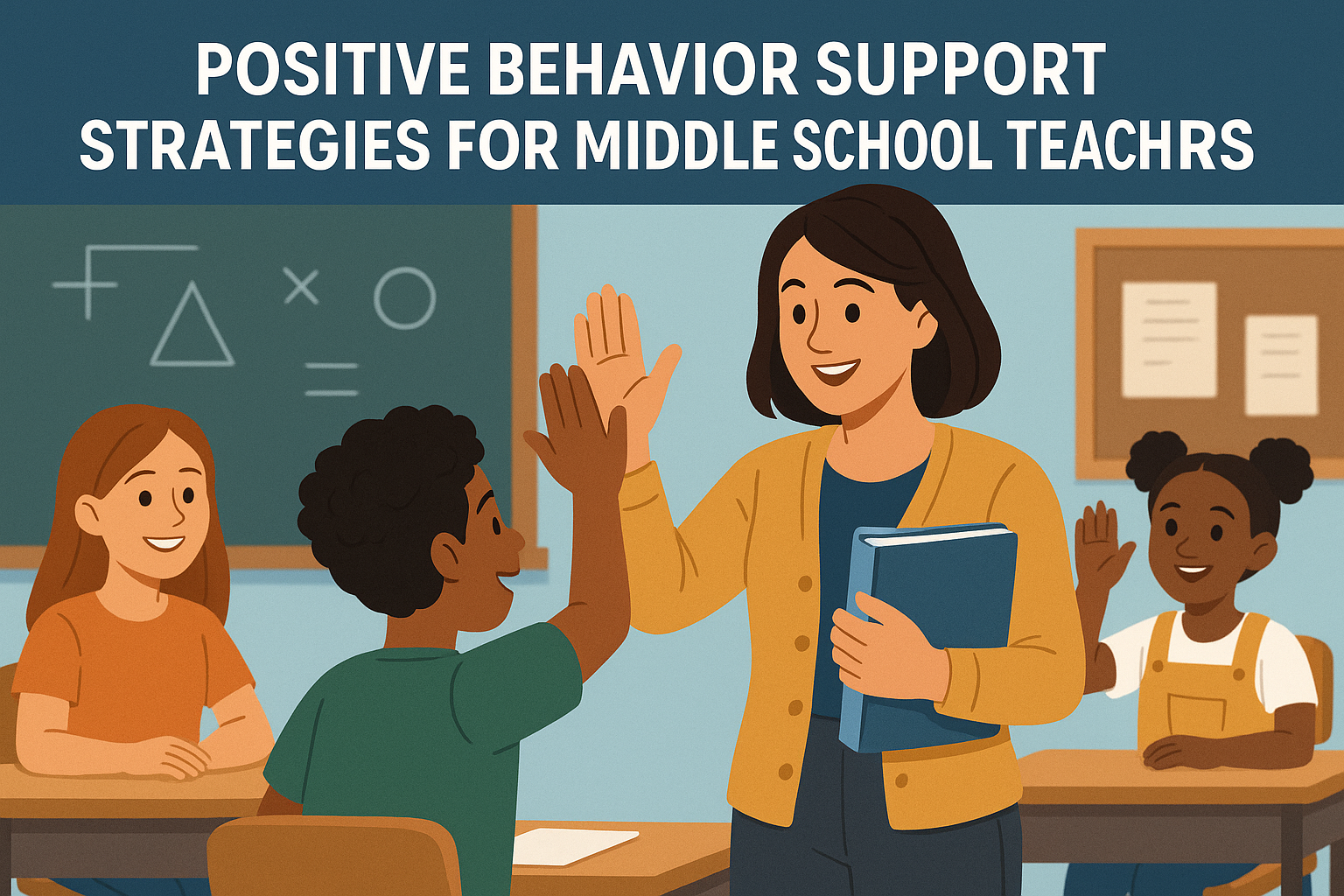

Discipline in the classroom has evolved significantly over the years. Gone are the days when strict punitive measures dominated the approach to managing student behavior. Nowadays, educators are embracing more constructive methods aimed at fostering positive outcomes. One of the most effective frameworks for this is known as Positive Behavior Support (PBS). This article will explore positive behavior support middle school techniques, providing insights and practical strategies that can help teachers create a supportive learning environment.
Understanding Positive Behavior Support
Positive Behavior Support is a proactive approach that focuses on teaching and reinforcing positive behaviors rather than merely punishing negative ones. The PBS framework includes a variety of strategies that emphasize encouraging good behavior, creating structured environments, and implementing consistent expectations.
The philosophy behind PBS is rooted in the understanding that behavior is learned. Just as students learn academic skills, they can learn how to behave appropriately in social settings. By providing clear expectations and acknowledging students when they meet those expectations, teachers can cultivate an environment that encourages learning and diminishes disruptive behaviors.
The Importance of Positive Behavior Support in Middle School
Middle school is a crucial developmental stage where students undergo significant emotional, social, and intellectual changes. During these formative years, they may test boundaries, seeking independence while still needing guidance. This period can also be marked by heightened sensitivity to peer influence and social acceptance, making it vital to address behaviors constructively.
Research indicates that implementing positive behavior support middle school strategies can lead to improved academic performance, reduced disciplinary issues, and increased student engagement. Studies from the Institute of Education Sciences show that schools adopting PBS frameworks see a notable decrease in office referrals and suspensions, creating a more conducive learning environment.
Key Strategies for Implementing Positive Behavior Support
To foster an atmosphere that promotes positive behavior in middle schools, educators can employ several strategies. Here are some of the most impactful:
1. Setting Clear Expectations
One of the first steps in implementing PBS is establishing clear, consistent behavioral expectations that students can easily understand. Educators should work collaboratively to create a set of expectations that encompass behavior in various school settings—classrooms, hallways, lunchrooms, and more. These rules should be communicated explicitly and reinforced regularly.
For example, instead of vague rules like “be respectful,” schools can develop specific, observable behaviors that indicate respect, such as “listen when others are speaking” or “use polite language.” This clarity helps students know precisely what is expected of them.
2. Teaching Appropriate Behaviors
Once expectations are set, it’s crucial to teach students the behaviors that align with those expectations. This might involve role-playing scenarios, discussing appropriate responses to situations, or conducting workshops focused on social skills. Teaching should be ongoing and woven into the fabric of daily classroom activities. (See: CDC on behavioral health in youth.)
For instance, if a school emphasizes teamwork, educators can create group projects that require collaboration and communication, guiding students on how to work effectively with others. By embedding these lessons into the curriculum, teachers reinforce positive behavior consistently.
3. Reinforcing Positive Behavior
Reinforcement is a cornerstone of PBS. When students exhibit positive behaviors, they should receive immediate recognition. This can be accomplished through verbal praise, tangible rewards, or a recognition system like a “positive behavior points” chart.
For example, teachers might implement a program where students earn points for demonstrating good behavior, which can later be exchanged for privileges or small rewards. Acknowledging good behavior reinforces the notion that positive actions lead to positive outcomes, making it more likely that students will repeat those behaviors in the future. Related reading: social learning and PBS.
4. Developing a Supportive Classroom Environment
A supportive classroom environment is crucial in facilitating positive behavior. This includes creating an atmosphere where students feel safe, respected, and valued. Teachers can achieve this by actively building relationships with their students, showing genuine interest in their lives, and encouraging open communication.
Additionally, physical classroom arrangement can play a role in promoting positive interactions. For instance, organizing desks in groups can encourage collaboration, while ensuring that students have access to resources can help them feel empowered in their learning journey.
5. Engaging Families and Communities
Support for positive behavior should extend beyond the classroom. Engaging families and the broader community is instrumental in reinforcing the principles of PBS. By involving parents in discussions about behavior expectations and strategies, schools can create a united front that supports students both at home and in school.
Schools can host workshops, send newsletters, or even establish regular communication channels to keep families informed and engaged. When parents understand the expectations and support the same behavioral principles, students are more likely to internalize those values.
6. Monitoring and Adapting Strategies
Finally, monitoring the effectiveness of PBS strategies is essential for continuous improvement. Schools should regularly assess student behavior data, looking for trends and patterns that can inform adjustments to their approach. This might include analyzing office referral rates, conducting surveys with students, and gathering feedback from teachers and staff.
Adapting strategies based on data ensures that the PBS framework remains relevant and effective. Schools should be willing to try new approaches or modify existing ones to better meet the needs of their students.
Challenges in Implementation
While the benefits of positive behavior support are clear, implementing these strategies in middle schools can present challenges. Some educators may struggle with consistency in applying PBS principles, especially in larger school settings with multiple staff members involved. Without a unified approach, students may receive mixed messages regarding behavior expectations. (See: WHO on adolescent mental health.)
Additionally, the transition from a traditional punitive discipline model to a supportive one can be met with resistance. Some educators may be accustomed to relying on detentions or suspensions as quick solutions for disruptive behavior. It’s essential for leadership to provide ongoing training and support to ensure all staff are on board with the PBS philosophy and understand its long-term benefits for both students and the school environment.
Current Relevance of Positive Behavior Support
Today, as schools face unprecedented challenges—from increasing behavioral issues to the lingering effects of the COVID-19 pandemic on student mental health—the need for effective positive behavior support middle school strategies has never been more critical. The framework aligns well with a broader move toward social-emotional learning (SEL), which emphasizes the importance of emotional intelligence and interpersonal skills.
The pandemic underscored the necessity of supporting students’ emotional well-being. Many students returned to school exhibiting heightened anxiety, social apprehension, and behavioral issues stemming from prolonged isolation. PBS offers a structured way for schools to help students navigate these challenges while promoting resilience and positive social interactions.
As more educators recognize the value of PBS, many are integrating these strategies into their teaching practices. Schools across the country are increasingly adopting PBS frameworks, leading to improved student outcomes and a more positive school climate. The focus has shifted toward nurturing students holistically, emphasizing the importance of their behavioral and emotional development alongside academic achievement.
Real-Life Examples of Successful PBS Implementation
To better understand how positive behavior support middle school strategies function in practice, consider the example of Lincoln Middle School in a suburban district. The school implemented a PBS framework that included clear behavioral expectations, staff training, and family engagement. As a result, they saw a 30% reduction in office referrals within the first year. Teachers reported a significant increase in student engagement and a decrease in classroom disruptions, indicating that the consistent application of PBS principles was effective.
Another example is Jefferson Middle School, which faced challenges with bullying and student conflicts. They introduced a peer mediation program alongside PBS strategies that taught students conflict resolution skills. This initiative not only reduced incidents of bullying but also empowered students to take an active role in maintaining a positive school environment. The school reported a marked improvement in school climate and student relationships.
Expert Perspectives on Positive Behavior Support
Experts in educational psychology emphasize the importance of PBS. Dr. Sarah Thompson, a noted researcher in behavior management, states, “The success of PBS lies in its proactive nature. By focusing on teaching and reinforcing positive behaviors, we’re not just managing behavior; we’re shaping it.” Her research supports the idea that when educators create a supportive environment and actively teach social skills, students are more likely to succeed both academically and socially.
Another expert, Dr. Mark Davis, highlights the role of family engagement in the PBS framework. He asserts, “Family involvement is crucial. Schools need to engage parents not just as observers but as active participants in their child’s education. When families and schools work together, the impact on student behavior can be profound.” His insights underline the necessity of collaboration between home and school to foster a unified approach to behavior management.
FAQs about Positive Behavior Support in Middle Schools
What is the primary goal of Positive Behavior Support?
The primary goal of PBS is to create a safe and supportive learning environment by teaching and reinforcing positive behaviors rather than focusing solely on punishing negative ones.
How can I get started with implementing PBS in my classroom?
Start by setting clear expectations for behavior, teaching those expectations to students, and consistently reinforcing positive behaviors. Involve colleagues and create a school-wide approach for maximum effectiveness.
Are there specific programs or resources available for PBS training?
Yes, various organizations offer training and resources on PBS. The Association for Positive Behavior Support (APBS) provides access to research, best practices, and professional development opportunities for educators.
How do I measure the effectiveness of PBS strategies?
Monitor behavior data such as office referrals, suspension rates, and student engagement levels. Surveys and feedback from students and staff can also provide insights into the effectiveness of your PBS strategies.
Can PBS be adapted for diverse student populations?
Absolutely! PBS is adaptable and can be modified to meet the unique needs of diverse student populations, ensuring that cultural, social, and individual differences are respected and incorporated into behavior support strategies.
Conclusion
Positive Behavior Support is a powerful tool for middle school teachers seeking to cultivate a thriving, respectful, and productive learning environment. By establishing clear expectations, teaching appropriate behaviors, reinforcing positive actions, and engaging families, educators can create a culture of support and respect. While challenges may arise during implementation, the long-term benefits for students and schools are well worth the effort. As we continue adapting to the changing educational landscape, the principles of PBS will play a vital role in shaping the future of middle school education.
Trending Now
Frequently Asked Questions
What are positive behavior support strategies for middle school?
Positive behavior support strategies for middle school focus on teaching and reinforcing desired behaviors rather than punishing negative ones. These strategies include setting clear expectations, creating structured environments, and acknowledging students for meeting behavioral goals, ultimately fostering a supportive learning atmosphere.
Why is positive behavior support important in middle school?
Positive behavior support is crucial in middle school as it addresses the emotional and social changes students experience during this developmental stage. By using constructive methods, teachers can improve academic performance, reduce disciplinary issues, and enhance overall student engagement.
How can teachers implement positive behavior support in the classroom?
Teachers can implement positive behavior support by establishing clear behavioral expectations, providing consistent feedback, and using reinforcement to encourage positive behaviors. Creating a structured environment and engaging students in discussions about acceptable behavior also aids in fostering a supportive classroom culture.
What are the benefits of positive behavior support?
The benefits of positive behavior support include improved academic performance, decreased disciplinary issues, and higher student engagement. By focusing on reinforcing positive behaviors, educators can create a more conducive learning environment, leading to better outcomes for students.
What is the philosophy behind positive behavior support?
The philosophy behind positive behavior support is that behavior is learned and can be taught. Just as academic skills are developed, students can learn appropriate social behaviors through clear expectations and positive reinforcement, leading to a more positive classroom environment. See also transforming behavior with beans.
What did we miss? Let us know in the comments and join the conversation.



