

“`html
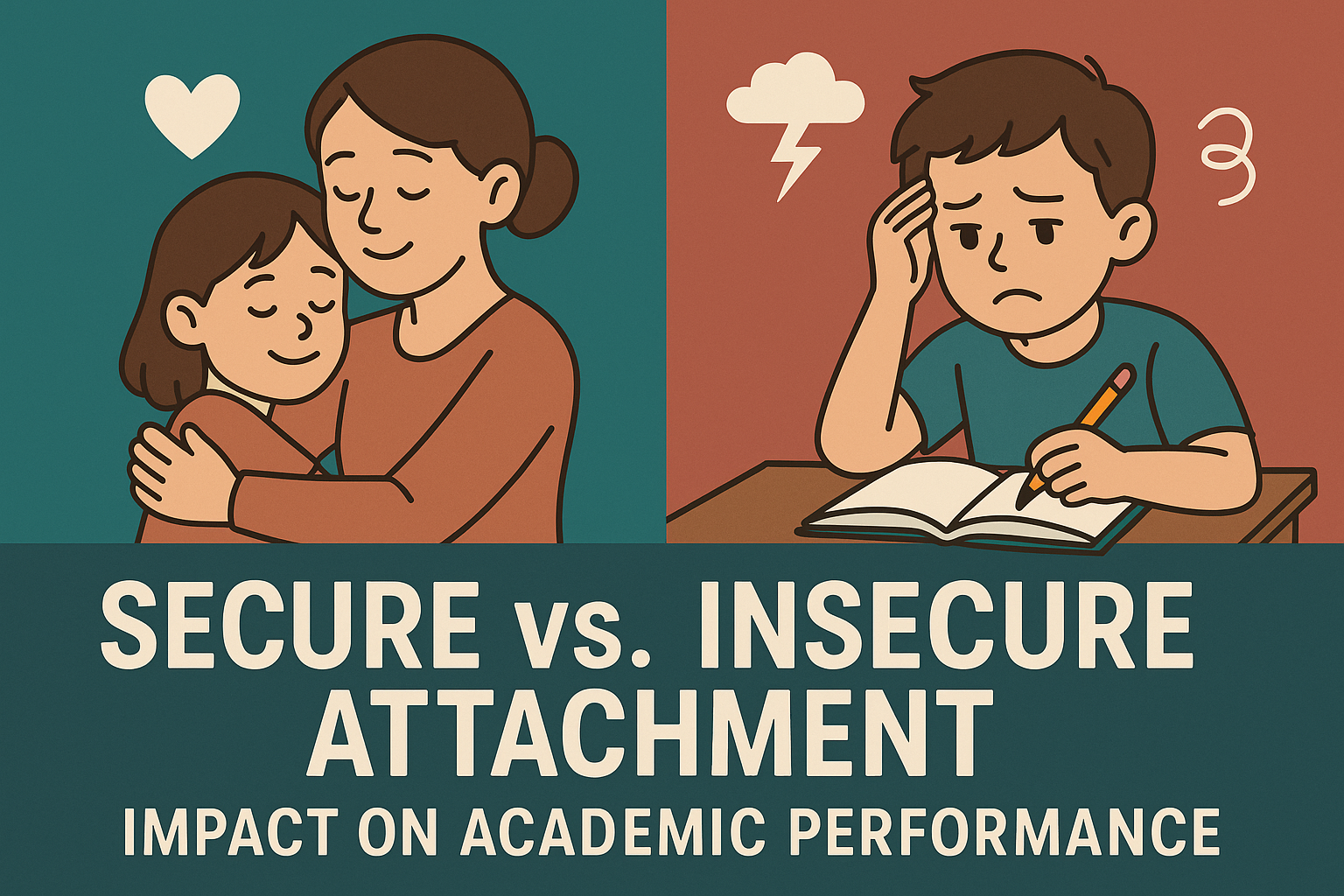
Attachment theory has long been a cornerstone of psychological research, offering insights into how our early relationships shape our social and emotional functioning. But how do these attachment styles affect academic performance? Understanding these dynamics could be key for educators, parents, and students alike. In this article, we’ll explore the differences between secure and insecure attachment styles and their profound impact on a student’s academic journey.
1. Understanding Attachment Styles
At its core, attachment theory was developed by John Bowlby and expanded by Mary Ainsworth in the mid-20th century. They identified different attachment styles based on how children respond to their primary caregivers in moments of distress. These styles are categorized primarily into secure, anxious, avoidant, and disorganized attachments. Securely attached individuals are generally more capable of forming healthy relationships and handling stress effectively, whereas those with insecure attachments may struggle with anxiety, self-doubt, and interpersonal relationships.
Secure attachment develops when caregivers are responsive and nurturing, providing a strong emotional base for children to explore the world. In contrast, insecure attachments often stem from inconsistent or neglectful parenting. For example, a child who experiences unpredictable emotional support may develop anxiety or avoidance as coping mechanisms. Recognizing these patterns is essential, as they can play a significant role in shaping academic performance.
2. Academic Performance: The Secure Advantage
Research consistently shows that students with secure attachment styles tend to perform better academically than their insecure counterparts. Children with secure attachments are more likely to exhibit confidence, resilience, and a willingness to engage in classroom activities. They also possess strong emotional regulation skills, enabling them to manage stress and anxiety related to schoolwork effectively.
A study published in the journal Child Development found that securely attached children displayed higher levels of motivation and a greater sense of self-efficacy. These factors contribute to effective learning, as these students are not only willing to ask for help when needed but are also more likely to persist in the face of challenges. Their ability to build positive relationships with peers and teachers further enhances their educational experiences, reinforcing their academic achievements.
3. The Struggles of Insecure Attachments
On the other hand, students with insecure attachment styles often face a multitude of challenges that can hinder their academic success. Those with anxious attachments may experience heightened levels of stress and fear of failure, leading to avoidance of challenging tasks. In contrast, avoidant individuals may shut down emotionally and struggle to engage in group work or seek assistance from teachers. There’s a fuller look at impact of attachment styles.
Insecurely attached students often have trouble forming peer relationships, which can lead to feelings of isolation and disconnection in the classroom. A study conducted by the University of Michigan illustrated that such students are more likely to report feelings of helplessness and lower satisfaction with school. These negative experiences can create a vicious cycle, where poor academic performance further exacerbates feelings of inadequacy and anxiety, ultimately resulting in lower overall achievement.
4. Emotional Regulation and Its Academic Implications
One of the critical differences between secure and insecure attachment styles lies in emotional regulation. Securely attached individuals typically develop robust emotional coping strategies that allow them to manage stress effectively. They can approach academic challenges with a balanced mindset, viewing setbacks as opportunities for growth rather than insurmountable obstacles. (See: Attachment theory overview.)
In contrast, insecurely attached individuals often struggle with emotional dysregulation. They may find it difficult to focus on academic tasks due to overwhelming feelings of anxiety or fear. For instance, a student with an anxious attachment might become preoccupied with worrying about grades, while an avoidant student might procrastinate as a means of coping with stress. This emotional turmoil not only impacts their academic performance but can also affect their overall well-being.
5. Social Relationships and Their Impact on Learning
Social relationships play an integral role in academic performance, and attachment styles heavily influence how students interact with peers and educators. Securely attached students tend to establish positive relationships with their classmates and teachers, which can foster a collaborative learning environment. They are more likely to engage in group projects, ask for help, and share ideas, enhancing their learning experience.
Conversely, insecurely attached students may find it challenging to form these connections. Students with avoidant attachment often distance themselves from others, while those with anxious attachment might fear rejection and shy away from collaborative learning opportunities. This lack of social engagement can lead to missed opportunities for academic growth and hindered performance. Furthermore, a lack of supportive relationships can exacerbate feelings of loneliness and stress, further impacting their educational journey.
6. Interventions for Improving Academic Outcomes
Recognizing the influence of attachment styles on academic performance opens the door for targeted interventions that can help students thrive. Schools can implement programs that promote social-emotional learning (SEL), focusing on building secure attachments among students. These programs can teach essential skills such as empathy, conflict resolution, and emotional regulation.
For example, mindfulness-based interventions have been shown to improve emotional regulation and reduce anxiety, benefiting students across various attachment styles. Additionally, training for teachers to recognize and respond to the emotional needs of their students can create a more supportive classroom atmosphere. By fostering an environment where students feel safe and valued, educators can help mitigate the adverse effects of insecure attachment styles on academic performance.
7. The Role of Parents and Caregivers
While schools play a vital role in addressing attachment styles and academic performance, parents and caregivers are crucial in shaping a child’s attachment style from the beginning. By providing consistent and responsive care, parents can foster secure attachments in their children. This includes being emotionally available, encouraging independence, and offering guidance during challenging times.
Parents can also model effective emotional regulation strategies, teaching children how to cope with stress and setbacks. Open communication about academic challenges and emotional experiences can further reinforce the development of secure attachment. As a result, children with secure attachments will have a greater likelihood of thriving academically and developing strong relationships throughout their lives.
8. The Long-Term Effects of Attachment Styles
The impact of attachment styles extends beyond academic performance; it shapes interpersonal relationships, career success, and overall mental health well into adulthood. Research published in the journal Developmental Psychology suggests that securely attached individuals are more likely to have fulfilling relationships, pursue higher education, and achieve career success. (See: Impact of attachment on academic performance.)
On the flip side, those with insecure attachment styles may face ongoing challenges in their personal and professional lives, including difficulties in forming relationships and managing stress. Understanding the long-term consequences of attachment styles can motivate educators and parents to prioritize emotional well-being and relationship-building from a young age, creating a positive feedback loop that supports continuous growth and success.
9. Current Relevance and Future Research Directions
In today’s rapidly changing educational landscape, the relevance of attachment styles and their impact on academic performance cannot be overstated. With increasing rates of anxiety and depression among students, understanding the underlying factors—such as attachment—has never been more critical. Schools and mental health professionals are beginning to recognize the importance of addressing attachment styles as part of a comprehensive approach to student well-being and academic success.
Future research should focus on longitudinal studies that track attachment styles and academic performance over time to better understand the causal relationships between them. Additionally, exploring cultural differences in attachment styles and their implications for academic performance can offer valuable insights into creating inclusive educational environments.
10. FAQs about Attachment Styles and Academic Performance
What are the main types of attachment styles?
The main types of attachment styles are secure, anxious, avoidant, and disorganized. Secure attachment is characterized by comfort in emotional intimacy, while anxious attachment reflects a preoccupation with relationships. Avoidant attachment shows discomfort with closeness, and disorganized attachment combines elements of both anxiety and avoidance, often stemming from trauma or inconsistent caregiving.
How do attachment styles affect learning environments?
Attachment styles affect learning environments significantly. Students with secure attachment feel safe and supported, enhancing their engagement and participation. In contrast, students with insecure attachments may struggle to express themselves or seek help, limiting their learning and contributing to a more stressful environment.
Can attachment styles change over time?
Yes, attachment styles can change over time based on new experiences and relationships. Positive experiences, such as therapy or supportive friendships, can help individuals develop more secure attachments, even if they initially had insecure styles.
What interventions can help students with insecure attachments?
Interventions such as social-emotional learning programs, therapy, mentorship, and parental training can help students with insecure attachments. These approaches focus on building emotional regulation skills, enhancing social connections, and fostering a supportive environment for learning.
Are there any statistics linking attachment styles to academic performance?
Yes, various studies indicate that secure attachment is positively correlated with better academic outcomes. Research suggests that students with secure attachments have higher GPAs, better attendance, and a more positive attitude towards schooling compared to insecurely attached peers.
How can teachers support students with different attachment styles?
Teachers can support students with different attachment styles by creating a safe and inclusive classroom environment. This can include recognizing signs of attachment-related anxiety, teaching emotional regulation strategies, and fostering collaborative learning opportunities where students can build relationships with their peers. We covered supporting students with attachment theory in more detail.
What role does peer influence play in attachment and academic performance?
Peer influence can significantly affect attachment styles and academic performance. Positive peer relationships can reinforce secure attachment, providing emotional support and collaboration, which are critical for academic success. Conversely, negative peer interactions can exacerbate feelings of insecurity and anxiety, leading to poorer academic outcomes.
How do transitions, such as moving to a new school, affect attachment and performance?
Transitions can be challenging for students, particularly those with insecure attachment styles. Moving to a new school can trigger feelings of anxiety and insecurity, making it hard for them to form new relationships and adjust academically. Support from parents, teachers, and peers during these transitions can help ease the process and promote better academic adjustment.
In summary, the interplay between attachment styles and academic performance is a vital area of study that holds significant implications for educators, parents, and students. By fostering secure attachments and addressing the needs of those with insecure attachments, we can create a more supportive learning environment that empowers all students to succeed academically and emotionally.
“`
Trending Now
Frequently Asked Questions
What are the different types of attachment styles?
Attachment styles are categorized into secure, anxious, avoidant, and disorganized. Secure attachment develops from responsive caregiving, leading to healthier relationships and better emotional regulation. In contrast, insecure attachments arise from inconsistent or neglectful parenting, resulting in anxiety and difficulties in social interactions.
How does secure attachment affect academic performance?
Students with secure attachment styles typically perform better academically due to increased confidence, resilience, and emotional regulation. They are more engaged in classroom activities and can manage stress effectively, which positively impacts their learning and overall academic success.
What impact does insecure attachment have on students?
Insecure attachment can significantly hinder academic performance. Students with anxious or avoidant attachment styles often struggle with anxiety, self-doubt, and forming positive relationships, which can lead to lower engagement and achievement in school.
How can parents foster secure attachment in children?
Parents can foster secure attachment by being responsive, nurturing, and consistently providing emotional support. Creating a safe environment for children to express their feelings and explore their surroundings is crucial for developing a strong emotional base.
Why is understanding attachment theory important for educators?
Understanding attachment theory helps educators identify students' emotional needs and tailor their teaching approaches accordingly. Recognizing the impact of attachment styles can lead to better support for students, enhancing their academic performance and overall well-being.
Have you experienced this yourself? We’d love to hear your story in the comments.



