

“`html
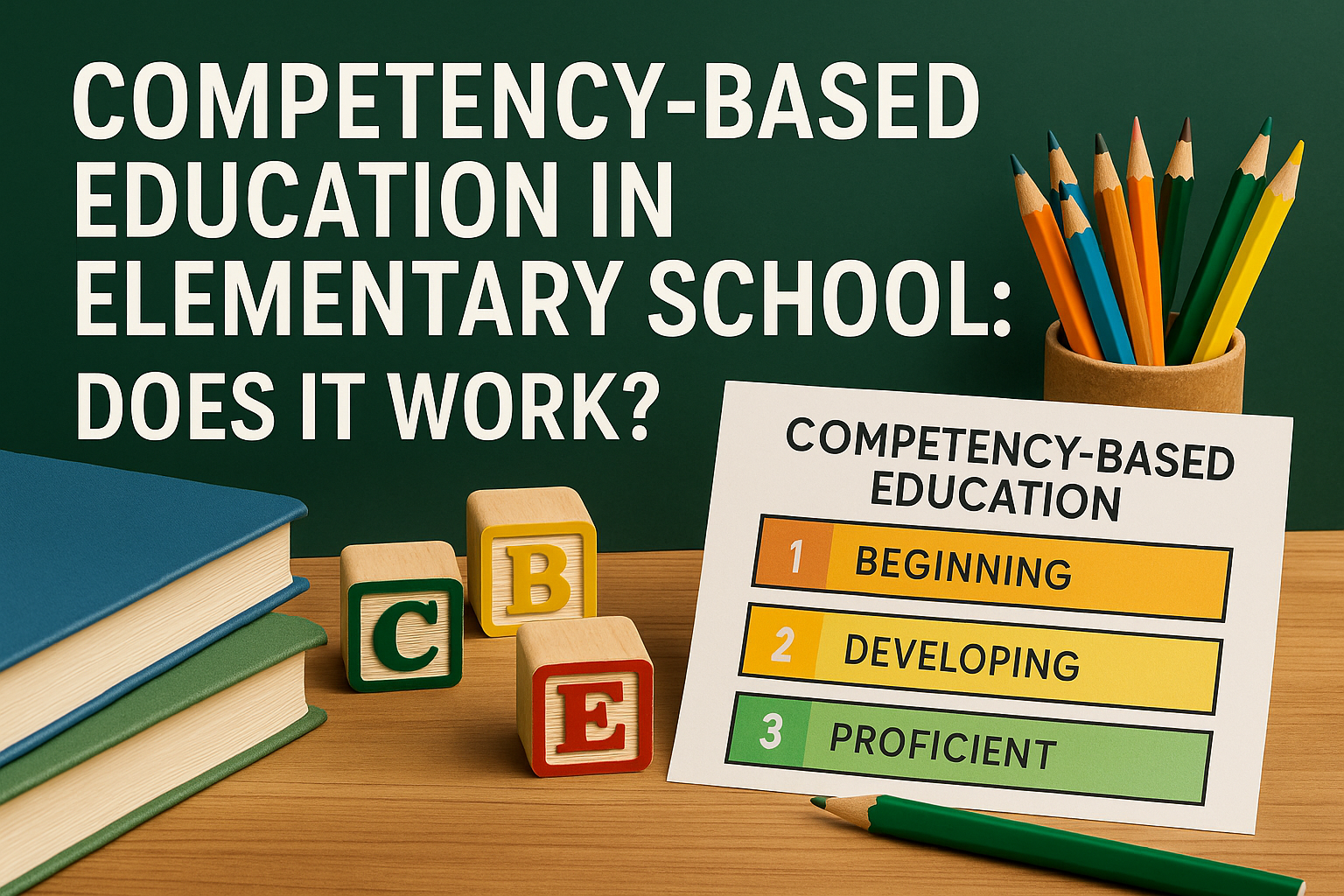
Competency-based education (CBE) in elementary schools has emerged as a transformative approach to learning that focuses on mastery of skills rather than traditional seat time. This method is garnering attention from educators, parents, and policymakers alike. But does it truly work? In this comprehensive exploration, we’ll delve into the fundamentals of CBE, its advantages and challenges, practical implementations, and its impact on students’ learning experiences.
Understanding Competency-Based Education
Competency-based education is an instructional approach that allows students to progress through their education based on their ability to demonstrate mastery of specific skills or knowledge rather than time spent in class. This model is particularly appealing for elementary schools, where foundational skills are critical for future academic success.
In a traditional education system, students often move at the same pace through a predetermined curriculum, regardless of their individual mastery of the material. CBE flips this model on its head. In CBE, students are assessed based on their demonstrated competencies, allowing them to advance only when they have shown proficiency in a subject area. This personalized approach caters to diverse learning styles and paces, which can lead to a more engaging and effective educational experience.
The Key Features of CBE in Elementary Education
Several key features distinguish competency-based education from traditional models:
- Personalized Learning: CBE emphasizes tailoring education to each student’s unique needs, allowing them to progress at their own pace.
- Clear Learning Objectives: Learning objectives in CBE are clearly defined, so students know exactly what they need to achieve.
- Flexible Assessment: Students are assessed through various methods, providing multiple opportunities to demonstrate mastery.
- Focus on Mastery: Students do not move on until they have demonstrated a solid understanding of the material.
This flexible and tailored approach can be particularly beneficial in elementary education, where children may have widely varying levels of readiness and ability.
The Benefits of Competency-Based Education in Elementary Schools
There are numerous advantages associated with implementing competency-based education in elementary schools. Here are some of the most significant:
1. Improved Student Engagement
One of the most compelling benefits of CBE is that it often boosts student engagement. When students can learn at their own pace and are assessed based on mastery rather than the time spent in class, they tend to be more invested in their education. Their unique interests and strengths can be integrated into the learning process, further enhancing motivation.
2. Enhanced Mastery of Skills
In a competency-based framework, students must demonstrate a clear understanding of each concept before moving on. This approach reduces gaps in knowledge, ensuring that students possess the foundational skills necessary for more advanced learning. For example, a student must master addition and subtraction before progressing to multiplication and division—essential for future mathematical understanding.
3. Greater Individualization
CBE allows teachers to tailor instruction to meet the diverse needs of their students. No two learners are alike, and CBE recognizes this by providing varied resources and support systems. Teachers can focus on smaller groups or even one-on-one instruction, giving them the flexibility to support students who may need extra help while also challenging those who excel.
4. Development of Lifelong Learning Skills
Competency-based education emphasizes self-directed learning and personal responsibility. As students take ownership of their learning paths, they develop critical skills such as time management, goal setting, and self-assessment. These skills help cultivate a mindset of lifelong learning, essential in today’s rapidly changing world. (See: Competency-Based Education Overview.)
Challenges and Criticisms of CBE
While the benefits of competency-based education are significant, there are also challenges and criticisms to consider:
1. Implementation Barriers
Transitioning to a competency-based model can be complex. Schools must invest in training teachers, developing appropriate assessments, and creating a cohesive curriculum that aligns with CBE principles. Resistance to change from both educators and parents can also hinder the process.
2. Resource Intensive
Implementing CBE often requires substantial resources, including technological tools for tracking student progress and developing personalized learning plans. Smaller schools or those in underfunded districts may struggle to allocate the necessary resources.
3. Accountability Concerns
Some critics argue that CBE can lead to lower accountability standards. If students are allowed to progress at their own pace, there may be concerns about the rigor of assessments and whether they provide a true measure of student competency. It is crucial for schools to ensure that assessments are valid and reliable to maintain educational standards.
Successful Implementation of CBE: Case Studies
Despite the challenges, many schools have successfully implemented competency-based education. Here are a couple of notable examples:
1. The Summit Public Schools Model
Summit Public Schools, a charter school network in California, has adopted a competency-based framework that gives students a high degree of autonomy over their learning. Through personalized learning plans, students can progress through the curriculum based on their interests and needs. This innovative approach has led to increased student engagement and academic achievement.
2. Maine’s Proficiency-Based Learning System
The state of Maine has taken significant steps toward competency-based education in its public schools. In 2012, Maine passed legislation requiring all high schools to adopt proficiency-based learning. The initiative emphasizes personalized learning and mastery of essential knowledge and skills, setting a foundation that elementary schools can build upon.
The Role of Technology in CBE
Technology plays a pivotal role in facilitating competency-based education in elementary schools. Digital platforms can track student progress in real time, allowing teachers to adjust their instruction based on data-driven insights. Here are a few ways technology enhances CBE:
1. Learning Management Systems
Learning management systems (LMS) enable educators to create personalized learning paths for each student. These platforms allow teachers to monitor progress, provide instant feedback, and make data-informed decisions about instruction. best practices for personalization offers useful background here.
2. Adaptive Learning Tools
Adaptive learning software adjusts content and assessments based on individual student performance. This means that if a student is struggling with a particular concept, the software can provide additional resources and practice to help them master it before moving forward.
3. Gamification of Learning
Integrating gamification into CBE can significantly enhance student motivation and engagement. By creating a game-like environment where students earn rewards for mastering competencies, teachers can encourage a love of learning while driving academic success.
The Future of Competency-Based Education in Elementary Schools
The shift toward competency-based education in elementary schools is a promising trend that reflects the evolving landscape of education. As we recognize the importance of personalized learning and mastery over rote memorization, CBE could become a standard in many school systems. However, continued research, investment, and collaboration among educators, policymakers, and communities will be crucial to overcoming the challenges it faces. (See: Learning and Education Strategies.)
In conclusion, competency-based education holds the potential to reshape elementary education, preparing students not just for tests but for a lifetime of learning. By allowing students to progress based on mastery, schools can foster a deeper understanding of subjects and critical thinking skills essential for success in a rapidly changing world. As more schools experiment with and refine this approach, the educational landscape will continue to evolve, promising a future where every child has the opportunity to succeed on their terms.
Comparative Analysis: CBE vs. Traditional Education
When evaluating competency-based education, it’s important to consider how it stacks up against traditional education methods. The two systems differ significantly on several fronts:
1. Learning Pace
In traditional education, the pace is usually uniform, which can lead to frustration for both fast learners and those who need more time. In contrast, CBE allows students to learn at their own pace, promoting better comprehension and retention.
2. Assessment Methods
Traditional assessments often rely on standardized testing, which can narrow the focus to rote memorization rather than true understanding. CBE utilizes a variety of assessment methods, including projects, presentations, and portfolios, encouraging deeper learning.
3. Student Agency
In a traditional classroom, students have limited say in their learning journey. CBE empowers students to take charge of their education, fostering a sense of ownership and responsibility.
Statistics and Research Supporting CBE
Research on competency-based education is growing, with various studies indicating its effectiveness:
- A study from the National Center for Education Statistics found that CBE students showed an average of 30% improvement in math and reading scores compared to their peers in traditional settings.
- According to a report by the Education Commission of the States, schools implementing CBE reported a 25% increase in student engagement metrics.
- Research from the Center for Education Reform indicates that 78% of parents in CBE programs felt their children were more prepared for future academic challenges.
Frequently Asked Questions about CBE
1. What age group is most suitable for CBE?
While CBE can be adapted for various age groups, it is particularly beneficial in elementary education, where students are developing foundational skills. Tailoring the approach to younger learners helps establish solid academic foundations.
2. How do teachers assess student competency?
Teachers assess student competency through various methods, including formative assessments, performance tasks, peer assessments, and self-evaluations. The goal is to have students demonstrate their understanding in multiple ways, ensuring a comprehensive evaluation. This builds on essential tools for personalized learning.
3. Can CBE work in all subjects?
Yes, competency-based education can be applied across all subjects, though implementation may vary. Subjects with clear skill mastery, such as math and reading, lend themselves well to CBE, but it can also be effectively used in science and arts education.
4. What are some best practices for implementing CBE?
Best practices for implementing CBE include starting with a well-defined curriculum, investing in teacher training, utilizing technology to track progress, and fostering a culture of collaboration among educators. Engaging parents and the community also plays a key role in successful implementation. (See: Research on Competency-Based Learning.)
5. How does CBE address diverse student needs?
CBE inherently addresses diverse student needs by allowing learners to progress at their own pace and providing multiple ways to demonstrate mastery. This approach can accommodate different learning styles and paces, ensuring that all students receive the support they require.
Additional Insights on CBE Implementation
Implementing competency-based education successfully requires a thoughtful approach, especially in elementary schools. Schools looking to adopt CBE should consider these additional insights:
1. Involving Parents and the Community
Engaging parents and the local community is vital in supporting CBE initiatives. Schools can facilitate workshops and informational sessions to educate parents on the benefits and methods of CBE. When parents understand the model, they can reinforce the importance of mastery learning at home, creating a supportive environment for their children.
2. Professional Development for Educators
Continuous professional development is crucial for teachers working within a CBE framework. Schools should provide regular training on assessment methods, personalized learning strategies, and the technological tools available. This ensures that educators feel confident and competent in delivering CBE effectively.
3. Creating a Culture of Feedback
A culture of constructive feedback enhances the CBE experience. Teachers should encourage students to provide feedback on their learning experience and engage in self-reflection. This not only empowers students but also helps educators adjust their teaching strategies to better meet student needs.
4. Evaluation and Iteration of the CBE Model
To ensure the ongoing success of a competency-based model, schools must continually evaluate its effectiveness. Gathering data on student performance, engagement, and feedback will inform necessary adjustments and improvements. Iteration is key to adapting the CBE approach to best serve students.
Conclusion: The Promise of CBE in Elementary Education
As we navigate the complexities of modern education, competency-based education offers a promising alternative to traditional methods. By focusing on mastery and personalization, CBE empowers students to take charge of their own learning journeys. While challenges remain in its implementation, the potential benefits for student engagement, skill mastery, and lifelong learning are compelling. As more schools embrace this model, we can look forward to an educational landscape that prioritizes individual student growth and prepares our children for success in the 21st century.
“`
Trending Now
Frequently Asked Questions
What is competency-based education in elementary schools?
Competency-based education (CBE) is an instructional approach that allows elementary students to progress based on their ability to demonstrate mastery of specific skills, rather than the time spent in class. This model focuses on personalized learning, ensuring that each student advances only when they have shown proficiency in a subject area.
What are the benefits of competency-based education?
The benefits of competency-based education include personalized learning tailored to individual student needs, clear learning objectives that guide progress, flexible assessment methods, and a strong focus on mastery, which can enhance student engagement and improve educational outcomes.
How does competency-based education differ from traditional education?
Unlike traditional education, where all students move through a set curriculum at the same pace, competency-based education allows students to advance based on their demonstrated mastery of skills. This approach accommodates diverse learning styles and paces, making the learning experience more effective and engaging.
What challenges does competency-based education face?
Challenges of competency-based education include the need for significant changes in curriculum design, assessment methods, and teacher training. Additionally, ensuring consistent and fair evaluations of student mastery can be complex, requiring ongoing support and resources for effective implementation.
Does competency-based education really work for elementary students?
Research suggests that competency-based education can be effective for elementary students by promoting mastery of foundational skills and accommodating individual learning paces. This personalized approach can lead to improved engagement and better learning outcomes, although its success depends on effective implementation and resources.
What’s your take on this? Share your thoughts in the comments below — we read every one.



