
“`html
Understanding your child’s temperament is essential for fostering a supportive environment where they can thrive. Parenting can often feel like uncharted territory, and knowing how to navigate the nuances of your child’s personality is a game-changer. In this article, we will delve into the nine fundamental child temperament traits that shape your child’s behavior, helping you to better understand, connect with, and raise your little one effectively.
What is Temperament?
Temperament refers to the innate traits that determine how children react to the world around them. These traits are present from birth and significantly influence your child’s patterns of thinking, behavior, and emotional responses. While environment and experiences play a crucial part in shaping your child’s personality over time, understanding their fundamental temperament traits will enable you to tailor your parenting strategies to better suit their needs.
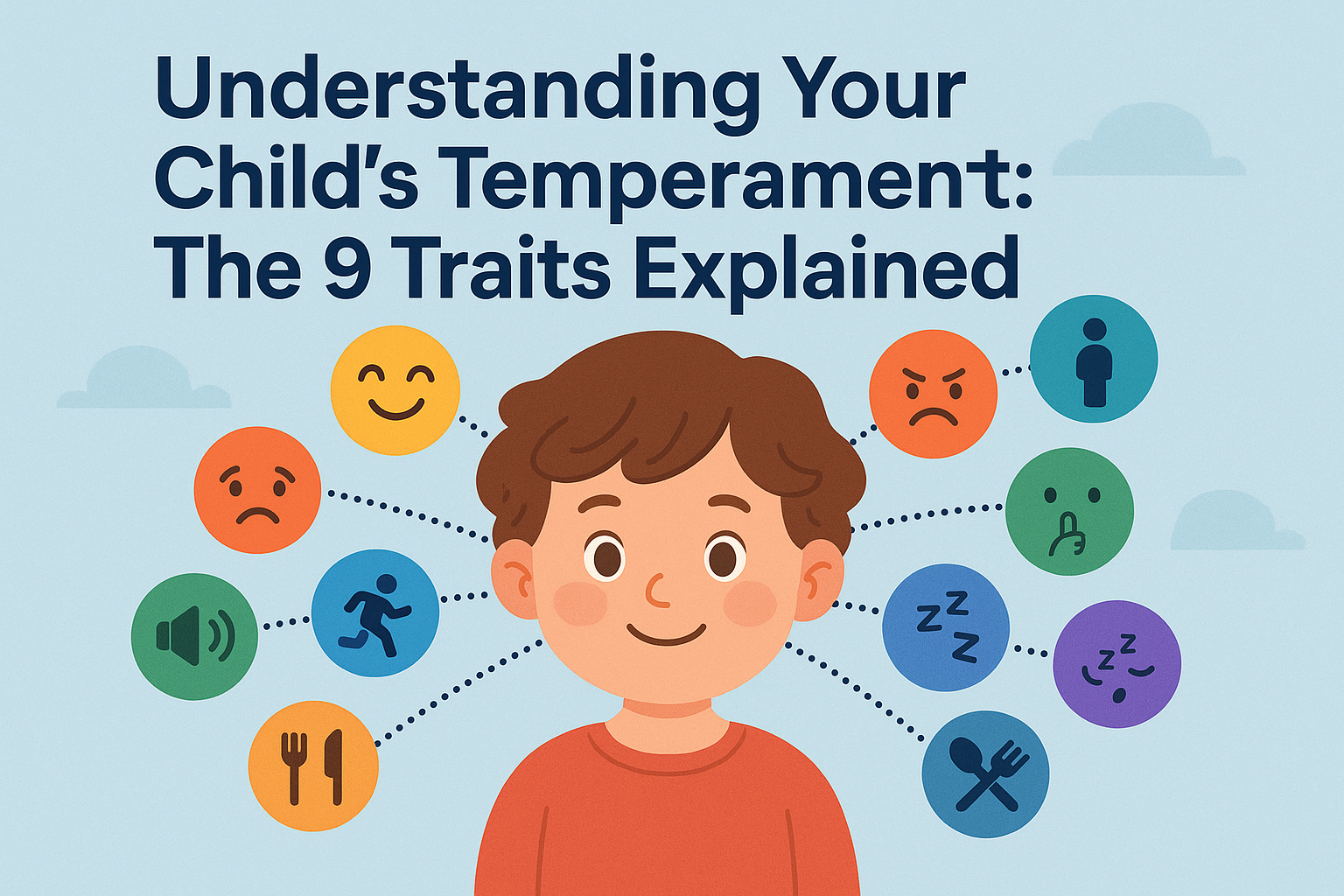
According to psychological research, temperament generally divides into nine key traits. Recognizing these traits can not only foster better communication but also deepen your connection with your child. Let’s unpack each of these traits in detail.
The Nine Child Temperament Traits
- Activity Level: This trait describes the amount of physical movement a child typically engages in. Some children are naturally more active, constantly on the move, while others may be more sedentary and prefer quiet activities.
- Rhythmicity: Rhythmicity refers to the predictability of a child’s biological functions, such as sleeping, eating, and elimination. A child with high rhythmicity will likely have regular schedules, whereas those with low rhythmicity might have more erratic patterns.
- Approach/Withdrawal: This trait indicates how a child reacts to new stimuli or experiences. An approaching child embraces new situations with curiosity, while a withdrawing child may feel anxious and retreat from unfamiliar experiences.
- Adaptability: Adaptability reflects how easily a child adjusts to changes in routines or environments. Some children adapt quickly, while others take time to acclimate.
- Intensity: This trait pertains to the energy level of emotional responses. A child with high intensity may express their feelings with great fervor, while a child with low intensity may express emotions in a more subdued manner.
- Mood: The mood trait describes a child’s overall disposition. Some children are generally cheerful and easy-going, while others may exhibit a more serious or negative demeanor.
- Persistence: Persistence refers to how long a child can focus on tasks despite difficulties. Highly persistent children will continue working through challenges, while those with lower persistence may give up more easily.
- Distractibility: Distractibility assesses how easily a child can be sidetracked from their current focus. Some children can stay on task amid distractions, while others are more easily distracted by their surroundings.
- Sensitivity: This trait relates to how a child responds to physical sensations, such as noise, light, or texture. Highly sensitive children may become overwhelmed by loud sounds or bright lights, while others might not be as affected.
Understanding Individual Traits
Each child will exhibit these child temperament traits in varying degrees, and it’s essential to recognize that no two children are exactly alike. For instance, a highly active child may struggle in school settings where quietness is expected, while a child with high sensitivity may find large crowds overwhelming. Understanding these nuances allows parents to create environments that cater to their child’s unique needs.
Let’s take a closer look at a few specific traits:
Activity Level and Its Impact
Children with a high activity level often bring vibrant energy into their surroundings. While this can be exciting and engaging, it can also present challenges, especially in structured environments such as schools. Parents of highly active children might consider enrolling them in physical activities like sports or dance to channel that energy positively. (See: Understanding child temperament traits.)
Adaptability: The Key to Resilience
Children who show high adaptability can transition smoothly between different activities and environments. These children often handle changes in routine with ease. In contrast, those with low adaptability may struggle with disruptions. Understanding this can help parents to introduce changes gradually, allowing their children to adjust without undue stress.
The Role of Parenting Styles
Recognizing child temperament traits is only half the equation. Parenting styles significantly influence how these traits manifest and evolve. For instance, authoritative parenting—characterized by warmth and structure—often leads to positive outcomes, especially for children with challenging temperaments.
If you’re parenting a child with high intensity, you might find that traditional disciplinary approaches don’t work effectively. Instead, fostering emotional intelligence through open dialogue can help them express their feelings constructively. Employing strategies that align with your child’s temperament can lead to more harmonious family dynamics and better emotional outcomes.
Strategies for Different Temperament Traits
Each of the nine traits can benefit from tailored strategies. Here are a few practical insights:
- For Active Children: Provide plenty of opportunities for physical activity, whether through sports, outdoor play, or dance classes. Schedule regular breaks during homework or quiet time to allow them to release pent-up energy.
- For Sensitive Children: Create a calm environment. Use soft lighting and minimize noise during their downtime. Validate their feelings and teach them coping strategies for overwhelming situations.
- For Withdrawn Children: Gently encourage social interactions by arranging playdates or group activities where they can engage at their own pace. Celebrate their small victories in social settings to build confidence.
- For Persistent Children: Offer challenges that promote problem-solving skills. Praise their efforts rather than the outcome to reinforce their ability to work through difficulties.
Utilizing Temperament Insights for Long-Term Development
Understanding your child’s temperament traits isn’t just about immediate adjustments; it can shape their long-term development and relationships. Children who feel understood and supported in their unique traits are more likely to develop a strong sense of self-esteem, resilience, and emotional intelligence.
For instance, children with high distractibility may excel in creative fields where divergent thinking is valued. By recognizing this strength, parents can guide their children toward career paths that play to their inherent abilities. Equally, low distractibility children might thrive in roles requiring sustained concentration, such as research or academia. The goal is to harness these traits to enable children to flourish in their unique ways.
Current Relevance in Parenting
As society continues to evolve, so do the expectations placed upon children and their emotional health. The ongoing pandemic has intensified the need for parents to understand their children’s child temperament traits more deeply. With the increased stressors of changing routines and social isolation, recognizing these traits can help parents provide more effective support. (See: CDC resources on child temperament.)
Realizing that your child may be struggling with adaptability due to the ups and downs of recent events can lead to greater empathy and tailored support. For example, children who thrive on routine may become more anxious during times of change. By addressing these challenges while honoring their temperament, you can create a more stable and nurturing environment for your child.
Comparing Temperament Traits Across Cultures
While the nine child temperament traits are universally recognized, their expression and interpretation can vary significantly across cultures. For example, in some cultures, high-intensity emotional expressions are welcomed and encouraged, while in others, they may be viewed as disruptive. Moreover, collectivist cultures may prioritize adaptability and approach over individuality, teaching children to conform to social norms. Understanding how these traits are perceived in different cultural contexts can provide valuable insights into your child’s behavior and help in aligning parenting strategies accordingly.
Expert Perspectives on Child Temperament Traits
Child development experts emphasize the importance of recognizing and respecting each child’s unique temperament. Dr. Stella Chess and Dr. Alexander Thomas, pioneers in temperament research, identified that understanding these traits can lead to better parenting strategies tailored to individual needs. Experts suggest that parents engage in open conversations with their children about their feelings and reactions, fostering a deeper understanding of their temperament traits and promoting emotional intelligence.
Addressing Common Misconceptions
There are several misconceptions about child temperament traits that can lead to misunderstanding or ineffective parenting strategies. One common myth is that temperament traits are fixed and unchangeable. While a child’s temperament may remain stable over time, certain traits can be nurtured, shaped, and developed through the right environment and experiences. Another misconception is that a child’s temperament is solely a reflection of parenting. In reality, temperament is an inherent part of a child’s personality and should be viewed as such. Recognizing this can help parents adopt a more balanced and understanding approach.
Frequently Asked Questions
How can I identify my child’s temperament traits?
Observing your child in various situations can provide insights into their temperament. Take note of how they react to new experiences, their energy levels, and how easily they adapt to changes. Keeping a journal of your observations over time can help clarify their dominant traits.
Can temperament traits change as my child grows?
While many temperament traits remain consistent throughout childhood, they can evolve with experiences, environment, and parenting. For instance, a child who is initially shy may become more outgoing as they gain confidence through positive social interactions.
How do I adjust my parenting style to my child’s temperament?
Understanding your child’s temperament can help you adopt a more empathetic and tailored approach to parenting. For instance, if your child is highly sensitive, providing a calm environment and validating their feelings can significantly improve their emotional well-being and strengthen your relationship.
What should I do if my child’s temperament trait clashes with my parenting style?
It’s essential to remain flexible and open to adjusting your parenting approach. If your child’s needs seem to conflict with your natural tendencies, consider seeking advice from parenting resources, support groups, or professionals who can help you navigate the situation while respecting your child’s unique traits.
The Takeaway
Understanding your child’s temperament is an invaluable tool for effective parenting. The nine child temperament traits provide a roadmap for recognizing the unique needs and strengths each child possesses. By tailoring your parenting approach based on these insights, you can foster an environment where your child feels understood, supported, and encouraged to thrive.
In the end, every child deserves to be seen and celebrated for who they are. Embrace their unique traits, and remember that your understanding and support can have a lasting impact on their development and happiness. So, take the time to explore and appreciate your child’s temperament traits—you’ll both be better for it.
“`
Trending Now
Frequently Asked Questions
What are the nine child temperament traits?
The nine child temperament traits include Activity Level, Rhythmicity, Approach/Withdrawal, Adaptability, Intensity, Mood, Persistence, Distractibility, and Sensory Sensitivity. Understanding these traits can help parents tailor their approach to meet their child's unique needs.
How can understanding my child's temperament help in parenting?
Understanding your child's temperament allows you to adapt your parenting strategies to their individual traits, fostering better communication and connection. This tailored approach can create a supportive environment that encourages your child to thrive emotionally and socially.
What is the importance of temperament in child development?
Temperament plays a crucial role in shaping a child's behavior, emotional responses, and interactions. By recognizing and understanding these innate traits, parents can provide appropriate support and guidance that aligns with their child's natural tendencies.
How does temperament affect a child's behavior?
A child's temperament influences their activity levels, emotional responses, and reactions to new experiences. For instance, an active child may seek more stimulation, while a sensitive child may require a calmer environment, impacting their overall behavior and development.
Can a child's temperament change over time?
While a child's fundamental temperament traits are generally stable from birth, they can be influenced by environmental factors and experiences. Understanding these traits helps parents support their child's growth while respecting their innate personality.
What did we miss? Let us know in the comments and join the conversation.