

“`html
As education continues to evolve, traditional methods are being challenged by innovative approaches aimed at catering to diverse learning styles. One such approach gaining traction is kinesthetic learning, particularly in its role in developing gross motor skills. Understanding how kinesthetic learning technology enhances this aspect of education can provide invaluable insights for educators, parents, and learners alike.
Understanding Kinesthetic Learning
Kinesthetic learning is a style where individuals learn best through physical activities rather than traditional, passive learning methods like listening to lectures or reading. This learning style engages the body in the learning process, promoting the development of skills through movement.
Students who embody this style often thrive in environments where they can manipulate objects, experiment, and engage in physical tasks. Activities may include role-playing, using building blocks, or participating in hands-on science experiments. These methods stimulate not only the cognitive but also the physical aspects of learning.
The Importance of Gross Motor Skills Development
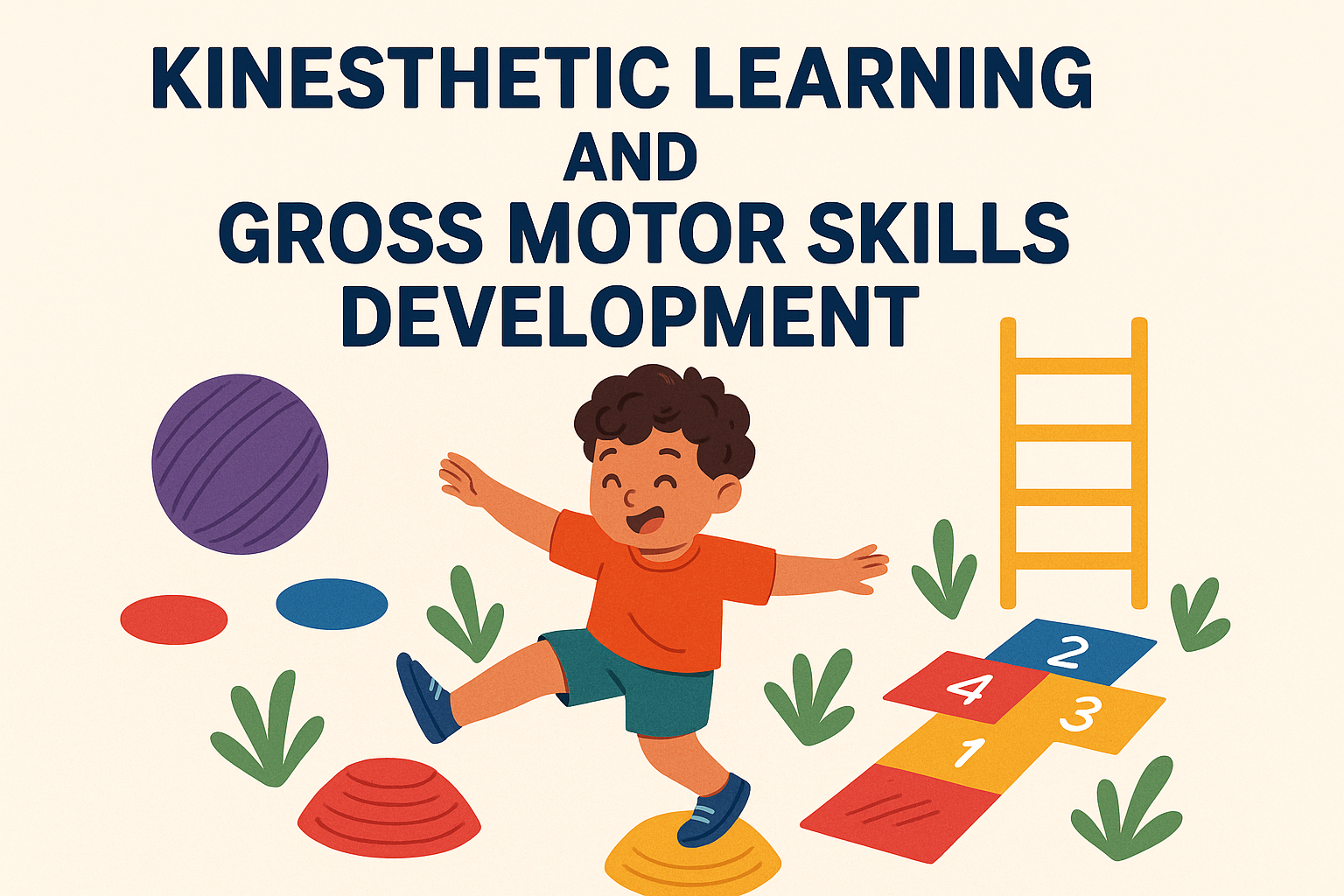
Gross motor skills involve the use of large muscle groups to perform tasks such as walking, running, jumping, and climbing. These skills are critical to a child’s overall development, influencing their ability to navigate their environment, participate in sports, and even succeed in academic settings.
Research shows that children who develop strong gross motor skills tend to perform better academically. This connection highlights the importance of integrating gross motor skills development into educational curriculums. By fostering these skills in early education, teachers can lay the groundwork for a lifetime of physical activity and learning.
How Kinesthetic Learning Technology Facilitates Gross Motor Skills Development
Incorporating kinesthetic learning technology into classrooms can significantly enhance the development of gross motor skills. Tools such as interactive software, virtual reality (VR), and motion-sensing devices provide students with immersive learning experiences that engage their bodies while they learn.
For example, motion-sensing technology can track a child’s movements, allowing them to interact with digital content in a way that promotes physical activity. This not only makes learning more enjoyable but also reinforces the importance of movement in the educational process. Such technology offers immediate feedback, helping students understand their movements and refine their skills more effectively.
Practical Applications of Kinesthetic Learning Technology
Schools and educators are increasingly recognizing the value of kinesthetic learning technology in enhancing gross motor skills development. Here are some practical applications: (See: CDC on child development milestones.)
- Interactive Games: Many educational platforms offer games that require physical movement. For instance, software that encourages students to jump, run, or perform specific physical tasks can make learning concepts like math or science more engaging.
- Virtual Reality Experiences: VR can transport students into environments where they can practice gross motor skills in a safe setting. Whether it’s climbing mountains or navigating obstacle courses, these simulations can provide essential practice without the risks associated with real-world activities.
- Adaptive Learning Tools: Devices designed for children with disabilities can adapt learning environments to suit their physical needs. For example, specialized software can help children with limited mobility engage in activities that promote gross motor skills, ensuring inclusivity in learning.
Success Stories: Kinesthetic Learning in Action
Numerous schools across the globe have implemented kinesthetic learning strategies with impressive results. For instance, a school in Texas integrated motion-sensing technology into its physical education classes, resulting in a noticeable improvement in students’ gross motor skills. Teachers reported that students who previously struggled with coordination showed marked improvement within a few weeks.
Another example comes from a special education program that utilized interactive games and VR. Students who participated in these activities not only enhanced their physical abilities but also showed an increase in self-confidence and social skills. The blend of physical activity and learning created a more enjoyable and effective educational experience.
Challenges and Considerations
While kinesthetic learning technology presents exciting opportunities, it is essential to approach its implementation thoughtfully. Not all students thrive in technology-driven environments, and some may require more personalized attention. Educators must remain flexible and adapt their teaching methods to accommodate different learning styles.
Additionally, budget constraints can pose a challenge. Schools often have limited resources and may struggle to invest in the technology required for effective kinesthetic learning. However, creative solutions, such as seeking grants or community partnerships, can help bridge these gaps.
Future Trends in Kinesthetic Learning Technology
The future of kinesthetic learning technology looks bright. Advancements in artificial intelligence (AI) and machine learning are likely to create even more personalized learning experiences. These technologies can analyze a student’s movements and provide tailored feedback, allowing for targeted skill development.
Moreover, as virtual reality becomes more accessible, we can expect to see more immersive learning experiences that engage students physically and mentally. The integration of augmented reality (AR) into classrooms may also enhance kinesthetic learning, offering interactive simulations that promote physical movement.
In addition, advancements in wearable technology could monitor student activity levels and provide data-driven insights into their gross motor skills development. These insights can help educators refine their teaching methods and better support their students’ individual needs.
Real-World Impact of Kinesthetic Learning Technology
The integration of kinesthetic learning technology in education is not just a trend; it’s making a real difference in how students engage with learning materials. A study conducted by the University of Maryland found that schools utilizing kinesthetic technology reported a 30% increase in student engagement and a 25% improvement in retention rates for subject material. Such statistics highlight the profound impact this technology can have on educational outcomes. (See: NIH on learning and development.) Related reading: understanding kinesthetic learning.
Moreover, a program in California has utilized kinesthetic activities integrated with technology to help special needs students achieve specific developmental milestones. These students, who typically face challenges in standard learning environments, have shown improvements in both social skills and physical coordination. This is a powerful reminder that kinesthetic learning technology can provide tailored solutions that cater to an array of student needs.
Expert Perspectives on Kinesthetic Learning Technology
Experts in the field of education technology stress the importance of incorporating kinesthetic learning methods in classrooms. Dr. Jane McAllister, an educational psychologist, notes, “Kinesthetic learning technology allows children to learn at their own pace while actively engaging with their environment. This hands-on approach builds confidence and enhances learning outcomes.”
Similarly, Dr. Mark Thompson, a specialist in motor skill development, emphasizes the significance of movement in cognitive learning. “Physical activity is linked to improved brain function. As students navigate physical challenges, they build neural connections that support academic success,” he explains. Such insights underscore the importance of integrating kinesthetic learning into educational paradigms.
Expanding Kinesthetic Learning Beyond the Classroom
While the classroom is a prime environment for kinesthetic learning technology, its applications can extend far beyond the school walls. Parents can encourage kinesthetic learning at home through simple yet effective activities. For example, using educational apps that require movement or engaging children in cooking tasks can promote learning in a kinesthetic manner. Incorporating physical games during family time not only fosters learning but also strengthens family bonds.
Moreover, community programs can play a pivotal role in promoting kinesthetic learning. Libraries, recreational centers, and after-school programs can implement technology-driven physical activities that allow students to explore learning outside traditional settings. Such initiatives can significantly enhance children’s enthusiasm for learning and provide diverse experiences that support their growth.
FAQ About Kinesthetic Learning Technology
What is kinesthetic learning technology?
Kinesthetic learning technology refers to digital tools and platforms that facilitate learning through physical activity. This includes motion-sensing devices, interactive games, virtual reality experiences, and other applications that engage students physically as they learn.
How does kinesthetic learning technology benefit children?
This technology enhances engagement and retention in learning. It promotes physical movement, which is essential for developing gross motor skills and cognitive abilities. Children who learn kinesthetically often display better coordination, confidence, and academic performance.
Can kinesthetic learning technology be used for children with special needs?
Absolutely! Kinesthetic learning technology can be tailored to meet the needs of children with disabilities. Adaptive tools and specialized programs can provide inclusive learning experiences that help these students develop their gross motor skills and engage with educational content effectively.
Are there any drawbacks to using kinesthetic learning technology?
While there are many benefits, some challenges include the cost of technology and the need for proper training for educators. Not all students may respond positively to technology-driven learning, so it’s important to balance these methods with traditional strategies.
What age group is best suited for kinesthetic learning technology?
Kinesthetic learning technology can benefit a wide range of age groups, from preschoolers developing basic motor skills to older students engaging in complex physical activities. Tailoring the technology and activities to the specific developmental stage of the child is key for maximizing effectiveness.
How can parents support kinesthetic learning at home?
Parents can support kinesthetic learning by encouraging their children to engage in activities that involve movement, such as interactive games, sports, or hands-on projects. Simple tasks like gardening, cooking, or even creating obstacle courses can promote involvement and learning in physical ways.
Final Thoughts
Kinesthetic learning technology is revolutionizing the way we approach education, particularly in the development of gross motor skills. By embracing physical engagement and movement, educators can create more dynamic, effective learning environments that cater to diverse needs. As we continue to explore the intersection of technology and education, the potential for enhancing students’ physical and cognitive abilities is immense. Engaging in kinesthetic learning not only prepares students for academic success but also fosters a lifelong love for movement and physical activity. With the right tools and approaches, we can empower the next generation to thrive both in and out of the classroom.
“`
Trending Now This builds on apps for gross motor skills.
Frequently Asked Questions
What is kinesthetic learning?
Kinesthetic learning is a style where individuals learn best through physical activities rather than passive methods like lectures or reading. It engages the body in the learning process, allowing students to manipulate objects and participate in hands-on tasks, which enhances both cognitive and physical development.
Why are gross motor skills important?
Gross motor skills are essential for using large muscle groups to perform activities like walking, running, and jumping. They are critical for a child's overall development, influencing their ability to navigate their environment, engage in sports, and succeed academically.
How does kinesthetic learning aid in gross motor skills development?
Kinesthetic learning promotes gross motor skills development by engaging students in physical activities that require movement. This hands-on approach helps children strengthen their large muscle groups, which is vital for their physical growth and academic success.
What activities enhance kinesthetic learning?
Activities that enhance kinesthetic learning include role-playing, using building blocks, and engaging in hands-on science experiments. These activities allow students to physically interact with their learning materials, making the learning process more engaging and effective.
How can educators implement kinesthetic learning in the classroom?
Educators can implement kinesthetic learning by incorporating movement-based activities into their lessons, using technology that encourages physical interaction, and creating an environment where students can engage in hands-on tasks. This approach fosters both gross motor skills and academic achievement.
Agree or disagree? Drop a comment and tell us what you think.



