

“`html
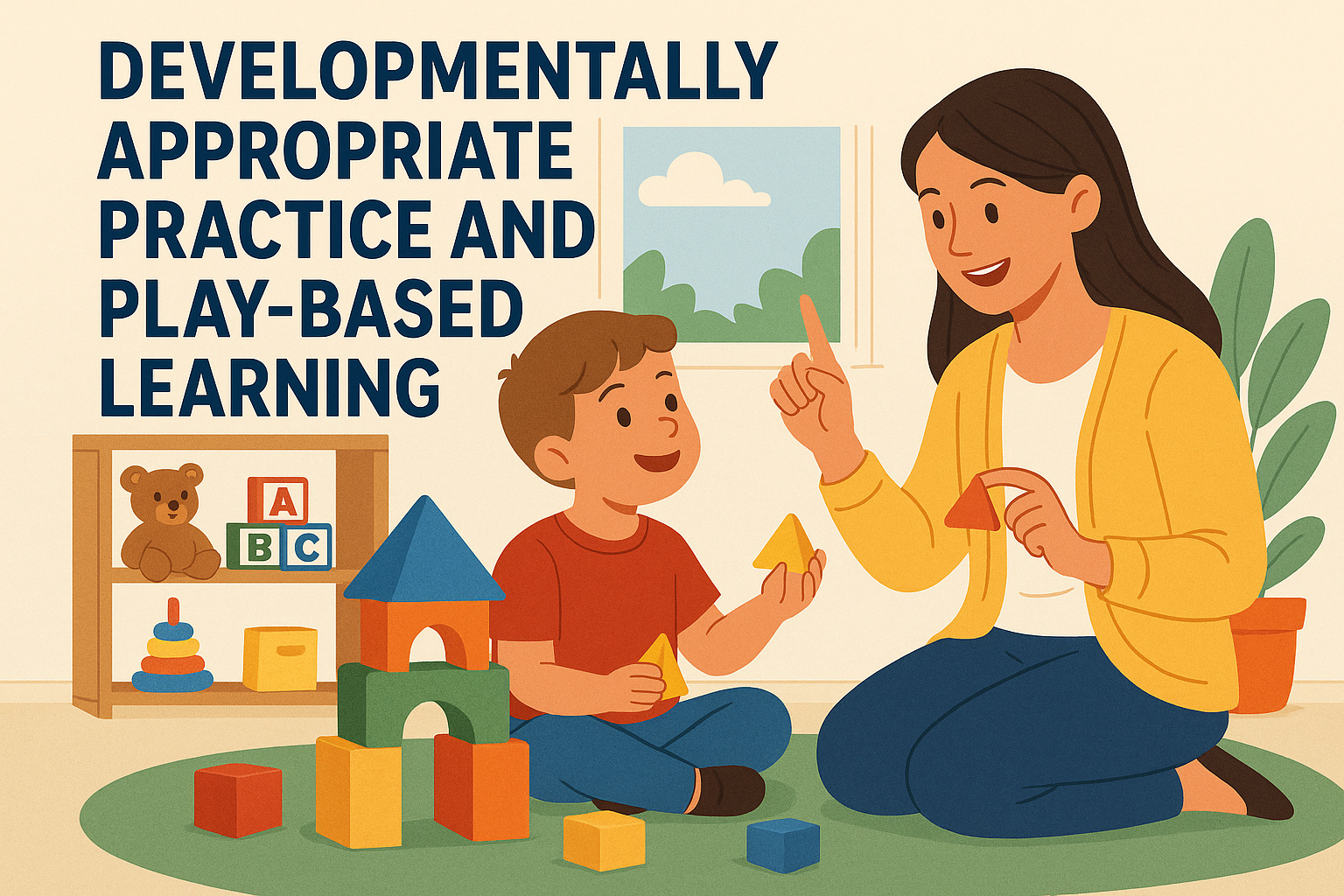
Education is undergoing a transformative shift, particularly in early childhood settings where the focus is increasingly on developmentally appropriate practice (DAP) and play-based learning technology. This approach recognizes that children learn best when they are engaged, exploring, and having fun. In this article, we’ll delve into the principles of DAP, the significance of play-based learning, the integration of technology, and how these elements come together to foster a richer educational experience.
The Foundation of Developmentally Appropriate Practices
Developmentally appropriate practice is an educational philosophy grounded in research about child development. It emphasizes teaching strategies that respect the age, individual needs, and cultural backgrounds of children. The National Association for the Education of Young Children (NAEYC) outlines three core considerations that guide DAP:
- Age Appropriateness: Understanding typical developmental milestones and what’s suitable for children at various ages.
- Individual Appropriateness: Recognizing that each child is unique and may require different approaches to learning.
- Cultural Appropriateness: Acknowledging and incorporating the diverse backgrounds of children into the learning environment.
These principles ensure that educational experiences are tailored to meet the needs of each child, allowing for holistic development across cognitive, social, emotional, and physical domains.
The Role of Play in Learning
Play is not merely a pastime for young children; it is a critical component of their growth and learning. Renowned psychologist Lev Vygotsky emphasized the importance of play in cognitive development, stating that it fosters imagination and creativity. Through play, children engage in problem-solving, develop self-regulation, and learn social skills. Here are some significant benefits of play in learning:
- Encourages Exploration: Play allows children to experiment, take risks, and learn from their mistakes.
- Facilitates Social Interaction: Collaborative play enhances communication skills, empathy, and conflict resolution.
- Fosters Emotional Development: Engaging in play helps children express their feelings and learn to manage them.
Play-based learning technology further enhances these benefits by integrating interactive and engaging tools that promote active learning. This convergence of play and technology is revolutionizing the classroom experience.
Integrating Play-Based Learning Technology
With the advent of educational technology, classrooms are transforming into dynamic environments where play-based learning flourishes. Technologies such as tablets, interactive whiteboards, and educational apps create immersive experiences that appeal to diverse learners. Here’s how play-based learning technology contributes to early education:
- Interactive Learning: Technology creates interactive simulations, allowing children to engage in problem-solving and creativity.
- Personalized Learning Paths: Apps can adapt to each child’s learning pace, ensuring that all students remain engaged and challenged at their level.
- Collaboration Opportunities: Digital tools encourage collaboration among peers, fostering social skills through shared learning experiences.
Tools like coding games, digital storytelling apps, and virtual reality experiences immerse children in a world where learning happens through exploration and play. (See: Child Development Milestones.)
Best Practices for Implementing Play-Based Learning Technology
As educators embrace play-based learning technology, it’s essential to implement best practices that maximize its benefits. Here are some actionable insights:
- Choose Age-Appropriate Technology: Ensure that the tools and apps selected are suitable for the developmental stages of the children involved. For instance, younger children may benefit from touch-screen devices designed for simple interactions, while older children can handle more complex educational games.
- Blend Technology with Hands-On Play: Encourage a balance between digital play and traditional hands-on activities. For example, after engaging with a coding game, children could build physical structures using blocks to reinforce their learning.
- Encourage Cooperative Learning: Use technology that promotes teamwork and collaboration. Tools that allow multiple users to engage simultaneously can enhance social skills and ensure a learning community.
- Assess and Reflect: Regularly assess how technology is impacting learning outcomes. Gather feedback from children and parents to adjust practices and ensure the technology is enhancing the educational experience.
By thoughtfully integrating these best practices, educators can create a rich and engaging learning environment that nurtures the whole child.
Current Relevance and Future Directions
The relevance of play-based learning technology is more pronounced than ever. The global shift towards digital learning, accelerated by the COVID-19 pandemic, has highlighted the necessity of incorporating technology into early childhood education. Many schools are now exploring hybrid models that combine in-person and remote learning, which can benefit from play-based strategies.
Looking ahead, the future of play-based learning technology holds exciting possibilities. With advances in artificial intelligence and augmented reality, educational tools will become even more personalized and immersive. For instance:
- AI-Powered Learning: Imagine a system that assesses individual learning styles and adjusts the content accordingly, providing a truly custom learning experience.
- Augmented Reality Experiences: AR can create unique interactive environments where children can explore different settings (like outer space or underwater) while learning.
These innovations will not only enhance engagement but also prepare children for a technology-driven world where adaptability and creativity will be essential skills. Related reading: impact of digital upbringing.
Examples of Successful Implementation
Many schools and organizations have successfully integrated play-based learning technology into their curricula. For instance, the Preschool of the Arts in New York City employs a combination of tablets and interactive storytelling to engage its students. Children are not only reading but also interacting with the narrative through games that require them to make choices that affect the story’s outcome. This method enhances comprehension and critical thinking skills.
Another great example comes from the Bright Horizons Family Solutions, which uses an app called “BrightSpace” to provide families with insights into their children’s daily activities and learning milestones. The app includes play-based activities that parents can do at home to reinforce what their children learn in the classroom. Feedback from parents has shown a significant increase in home engagement and understanding of DAP principles.
Challenges and Considerations
While the integration of play-based learning technology offers numerous benefits, there are challenges that educators may face:
- Screen Time Concerns: Balancing technology use with traditional play is crucial. Experts recommend limiting screen time for young children and ensuring technology is used as a supplement to, rather than a replacement for, physical play.
- Teacher Training: Educators must be adequately trained to use new technologies effectively. Professional development is essential for teachers to feel confident in integrating these tools into their teaching practice.
- Equity of Access: Not all families have equal access to technology at home, which can create disparities in learning experiences. Schools need to consider how to provide equitable access to technology to all students.
Addressing these challenges requires a collaborative effort from educators, parents, and policymakers to ensure that play-based learning technology is used effectively and equitably.
Frequently Asked Questions (FAQ)
What is play-based learning technology?
Play-based learning technology refers to the use of digital tools and resources that facilitate learning through play. This includes educational apps, games, and interactive simulations designed to enhance children’s engagement and understanding.
How does play-based learning technology support early childhood development?
This technology supports development by offering interactive, engaging experiences that promote problem-solving, creativity, and social interaction, all of which are vital for young children’s growth.
Are there specific apps recommended for play-based learning?
Yes, some highly recommended apps include Endless Alphabet for vocabulary building, Osmo for hands-on learning through digital interaction, and ScratchJr for introducing coding concepts through play.
How can parents support play-based learning at home?
Parents can support play-based learning by engaging their children in interactive games, encouraging creative play, and using educational apps together. It’s also helpful to maintain a mix of digital and physical play activities. We covered foundations of early education in more detail.
What role do teachers play in this educational approach?
Teachers facilitate play-based learning by providing resources, guiding exploration, and creating an environment that encourages curiosity and collaboration. They also assess learning outcomes to ensure technology is being used effectively.
What are the long-term benefits of play-based learning technology for children?
Long-term benefits include enhanced critical thinking skills, better problem-solving abilities, and improved emotional intelligence. Children exposed to play-based learning technology tend to develop a love for learning and adaptability, which are crucial in today’s fast-changing world.
How can technology be used to assess children’s learning in a play-based environment?
Educators can utilize apps that track progress through interactive games and activities, allowing them to gather data on children’s skills and development. Some platforms even offer analytics that helps educators understand individual learning trajectories.
Community Engagement and Parental Involvement
Engaging the community and involving parents in the educational process can greatly enhance the effectiveness of play-based learning technology. Schools can host workshops where parents learn how to utilize educational apps at home, thereby reinforcing skills taught at school.
Community partnerships can also provide resources and support for technology access. For example, local businesses might sponsor technology equipment or workshops, ensuring that all children have the opportunity to benefit from play-based learning technology.
Conclusion
Incorporating play-based learning technology into early childhood education is a powerful strategy for fostering developmentally appropriate practices. By valuing play as a fundamental aspect of learning, educators can create environments that are not only engaging but also deeply enriching. As we move forward, the ongoing integration of technology will continue to enhance these practices, ensuring that children are equipped with the skills they need for tomorrow’s challenges. Embracing this approach isn’t just about keeping pace with trends; it’s about recognizing that learning should be as joyful and dynamic as childhood itself.
“`
Trending Now
Frequently Asked Questions
What is developmentally appropriate practice in education?
Developmentally appropriate practice (DAP) is an educational philosophy that emphasizes teaching strategies tailored to children's age, individual needs, and cultural backgrounds. It ensures that learning experiences are suitable for children's developmental milestones, promoting holistic growth in cognitive, social, emotional, and physical domains.
Why is play important for child development?
Play is crucial for child development as it fosters cognitive growth, creativity, and problem-solving skills. It also helps children develop self-regulation and social skills, making it an essential component of their learning process and overall growth.
How does play-based learning work?
Play-based learning involves engaging children in activities that allow them to explore and learn through play. This approach encourages active participation, creativity, and discovery, making learning enjoyable and effective while respecting the developmental stages of each child.
What are the core principles of developmentally appropriate practice?
The core principles of developmentally appropriate practice include age appropriateness, individual appropriateness, and cultural appropriateness. These principles guide educators in creating tailored learning experiences that respect children's developmental milestones and diverse backgrounds.
How can technology be integrated into play-based learning?
Technology can be integrated into play-based learning by providing interactive tools and resources that enhance exploration and engagement. When used appropriately, technology can support children's creativity and problem-solving skills while aligning with developmentally appropriate practices.
What did we miss? Let us know in the comments and join the conversation.



