

“`html
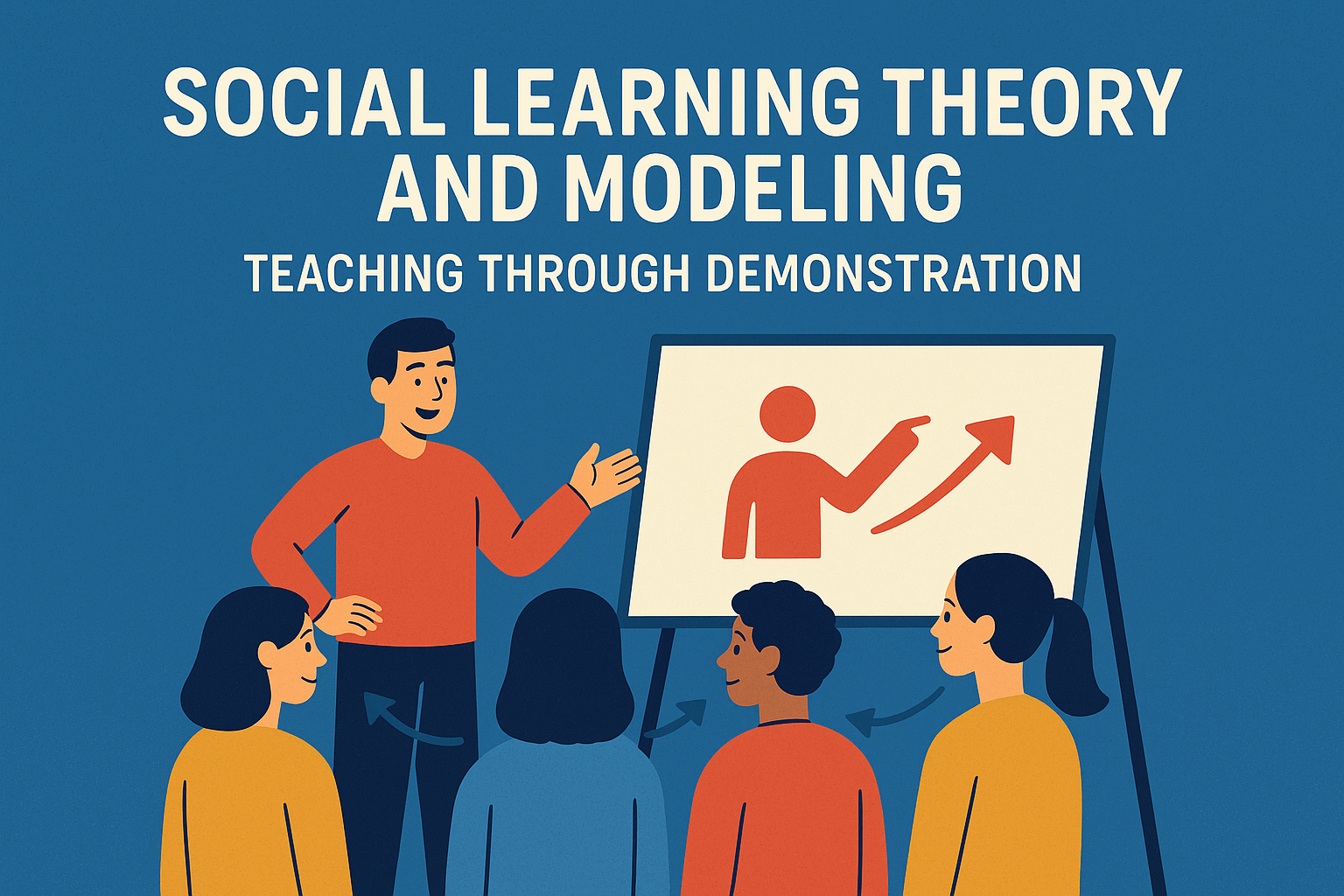
Social Learning Theory (SLT), developed by psychologist Albert Bandura in the 1960s, revolutionized our understanding of how individuals learn through observation and interaction with others. Unlike traditional learning theories that focus solely on direct reinforcement, SLT emphasizes that much of human behavior is acquired by observing others—an approach that has profound implications for education, training, and personal development.
Understanding Social Learning Theory
At its core, Social Learning Theory posits that learning is a cognitive process that takes place in a social context. Bandura introduced the concept of observational learning, which suggests that individuals can learn new behaviors by watching and imitating others. This process involves several key elements: For more on this, see educational system debate.
- Attention: For learning to occur, a learner must pay attention to the model, whether it’s a peer, teacher, or mentor.
- Retention: The observer must be able to remember the behavior they’ve witnessed, which is influenced by cognitive processes and memory.
- Reproduction: The learner must have the ability to replicate the behavior, which may require practice.
- Motivation: The learner needs a reason to imitate the behavior, which can stem from seeing the results of the model’s actions.
This framework highlights the importance of the social environment in shaping behaviors and attitudes. Bandura’s famous Bobo doll experiment is a classic illustration of SLT, demonstrating that children who observed adults behaving aggressively toward a doll were more likely to imitate that behavior. This reinforced the idea that learning can occur without direct reinforcement, challenging previous notions of behaviorism.
Key Components of Modeling in Education
Modeling is integral to Social Learning Theory and serves as a critical teaching method in educational settings. For effective modeling to take place, several components must be integrated:
- Model Selection: Choosing appropriate models is essential. Effective models are typically individuals whom learners can relate to or aspire to emulate. This could include teachers, peers, or even media figures.
- Demonstration: The model must demonstrate the desired behavior clearly and convincingly. This can involve verbal explanations, physical demonstrations, and the use of multimedia tools.
- Feedback: Providing constructive feedback reinforces learning. When learners see the consequences of the modeled behavior, either through direct observation or feedback, they are more likely to engage in similar behaviors.
- Reinforcement: While SLT emphasizes observation over reinforcement, positive reinforcement can enhance the likelihood of behavior imitation. Acknowledging efforts and successes can motivate learners to continue practicing.
Incorporating these components into teaching practices can significantly enhance student engagement and learning outcomes. When students can observe and model behaviors in real-time, they are more likely to grasp complex concepts and skills.
Applications of Social Learning Theory in the Classroom
Social Learning Theory has vast applications in education, extending beyond mere academic learning to encompass social and emotional development. Here are a few effective ways educators can implement SLT principles in the classroom:
Peer Learning and Collaboration
Group work and peer-to-peer interactions offer students opportunities to learn from one another. When students collaborate on projects, they can observe each other’s problem-solving strategies and communication skills, fostering a sense of community while enhancing individual learning.
Role-Playing and Simulations
Incorporating role-playing exercises or simulations allows students to practice real-life scenarios. For example, a history class might reenact historical events, enabling students to engage deeply with the material through active participation and observational learning. This method not only aids retention but also develops critical thinking and empathy. (See: Social Learning Theory overview.)
Use of Technology
With the rise of digital platforms, educators can leverage technology to enhance modeling. Video tutorials, educational games, and online simulations provide diverse media through which students can observe desired behaviors and outcomes. Furthermore, educational apps often include interactive elements that promote collaborative learning.
The Role of the Teacher as a Model
Teachers play a pivotal role in the application of Social Learning Theory. Their behavior, attitudes, and interactions with students set the tone for the classroom environment. Here are some ways teachers can effectively embody the role of a model:
- Demonstrating Positive Behaviors: Teachers who model respect, curiosity, and a growth mindset encourage students to adopt similar attitudes. This might include showing enthusiasm for learning, admitting mistakes, and creating a safe space for questions.
- Encouraging Self-Reflection: By sharing their thought processes, teachers can help students understand the reasoning behind actions. Encouraging students to reflect on their learning experiences reinforces observational learning.
- Creating a Supportive Atmosphere: A positive learning environment encourages students to take risks and try new behaviors. When students know they have the teacher’s support, they are more likely to engage in the modeling process.
By embodying the principles of Social Learning Theory, educators can create a culture of learning that resonates with students beyond the classroom.
The Impact of Social Learning Theory on Lifelong Learning
Social Learning Theory is not just relevant in academic settings; it plays a crucial role in lifelong learning. In today’s fast-paced world, the ability to learn continuously and adapt to new environments is essential. Here’s how SLT influences lifelong learning:
Mentorship and Professional Development
In professional settings, mentorship programs leverage social learning to promote skill development. Experienced employees model effective practices for less experienced colleagues, fostering an environment of continuous improvement and knowledge sharing. This approach not only enhances individual performance but also strengthens organizational culture.
Community Learning
Social Learning Theory extends to community and informal learning as well. Community initiatives, workshops, and online forums provide platforms for individuals to observe and learn from one another. These environments encourage the sharing of diverse perspectives and experiences, leading to richer learning opportunities.
Challenges and Considerations
While Social Learning Theory offers numerous benefits, there are challenges and considerations to keep in mind:
- Diversity of Learning Styles: Not all learners respond to observational learning in the same way. Some may require more structured guidance or explicit instruction to grasp concepts. Tailoring approaches to meet diverse learner needs is essential.
- Negative Modeling: There’s a risk that students may also observe and imitate negative behaviors. Teachers and mentors must be aware of their actions and the messages they convey, as well as provide guidance to help students discern appropriate behaviors.
- Accessibility of Models: In some cases, students may lack access to positive role models, particularly in underserved communities. Educators must strive to create opportunities for students to connect with diverse role models and mentors.
Addressing these challenges requires intentionality in educational practices and a commitment to understanding the unique needs of learners. (See: CDC on Social Learning Theory.)
Comparative Analysis: Social Learning Theory vs. Other Learning Theories
In the realm of educational psychology, several theories aim to explain how learning occurs. Comparing Social Learning Theory with other prominent theories can provide deeper insights into its unique contributions:
Behaviorism
Behaviorism, pioneered by figures like B.F. Skinner, emphasizes observable behaviors and the effects of external stimuli on learning. Unlike SLT, which integrates cognitive processes and social contexts, behaviorism relies heavily on reinforcement and punishment as primary drivers of behavior change. While behaviorism has successfully informed various teaching strategies, particularly in skill acquisition, it does not account for the nuanced ways in which social interactions shape learning outcomes, as SLT does.
Cognitivism
Cognitivism focuses on the mental processes involved in learning, including thinking, memory, and problem-solving. While it recognizes the importance of internal cognitive structures, it often overlooks the role of social interaction. Social Learning Theory bridges this gap by asserting that cognitive processes are influenced by social contexts, thus providing a more holistic view of learning.
Constructivism
Constructivism, associated with theorists like Jean Piaget and Lev Vygotsky, posits that learners construct knowledge through experiences. This theory emphasizes active learning and the context in which knowledge is built. While constructivism shares similarities with SLT, particularly in acknowledging the social context, SLT specifically highlights the importance of modeling and observational learning, offering practical strategies for educators to implement in their classrooms.
Statistics Supporting Social Learning Theory
Research continues to validate the principles of Social Learning Theory. Studies have shown that:
- Students who engage in collaborative learning environments demonstrate a 50% higher retention rate compared to those who learn independently.
- Incorporating observational learning strategies has been found to improve skill acquisition in classroom settings by up to 30%.
- Peer modeling has led to a significant increase in students’ confidence levels, with a reported 40% improvement in self-efficacy among those exposed to positive models.
Frequently Asked Questions about Social Learning Theory
What is the primary focus of Social Learning Theory?
The primary focus of Social Learning Theory is on how individuals learn behaviors and skills through observation and imitation of others, rather than solely through direct reinforcement.
How can educators implement Social Learning Theory in the classroom?
Educators can implement SLT by incorporating collaborative projects, utilizing role-playing activities, and providing opportunities for peer feedback, all of which foster an environment for observational learning. (inspiring leadership tips)
Are there any limitations to Social Learning Theory?
Yes, some limitations include the potential for negative modeling, the necessity for diverse learning approaches, and the challenge of ensuring that positive role models are accessible to all students.
How does Social Learning Theory relate to technology in education?
Technology enhances SLT by providing various mediums for observation, such as video tutorials and educational games, which can facilitate modeling and collaborative learning.
Real-World Examples of Social Learning Theory in Action
Understanding how Social Learning Theory manifests in real-world scenarios can provide practical insights for educators and learners alike:
Mentorship Programs
Many organizations implement mentorship programs where experienced employees guide newcomers. For instance, tech companies often have senior developers mentor junior programmers. This setup not only speeds up the learning process but also fosters a culture of sharing knowledge and skills. By observing how experienced professionals handle challenges, new employees can learn effective strategies and practices in real-time.
Social Media and Online Learning Communities
The rise of social media platforms has created new avenues for learning. Online communities, such as forums or groups on platforms like LinkedIn or Facebook, allow users to share experiences, resources, and insights. For example, educators can join groups focused on innovative teaching strategies, observing and adopting methods used by others, thereby enhancing their own practices through collaborative learning.
Conclusion: Embracing the Future of Learning
Social Learning Theory and the concept of modeling offer powerful frameworks for teaching and learning. By recognizing the importance of observation in the learning process, educators can implement strategies that promote engagement, retention, and real-world application. As we move forward, embracing the tenets of SLT will be crucial in creating dynamic learning environments that prepare individuals for the complexities of life and work. The lessons learned from Bandura’s work continue to resonate, emphasizing that we are all, in many ways, students and teachers in each other’s lives.
“`
Trending Now
Frequently Asked Questions
What is Social Learning Theory?
Social Learning Theory (SLT), developed by Albert Bandura in the 1960s, explains how individuals learn behaviors through observation and interaction with others, emphasizing the importance of social context in the learning process.
How does observational learning work?
Observational learning involves four key processes: attention, retention, reproduction, and motivation. A learner must focus on a model, remember the behavior, replicate it, and have the motivation to imitate the observed actions.
What are the key components of modeling in education?
Key components of effective modeling in education include model selection, clear demonstration of behaviors, opportunities for learners to practice, and providing feedback to reinforce learning.
What was Bandura's Bobo doll experiment?
Bandura's Bobo doll experiment demonstrated that children who observed adults behaving aggressively towards a doll were more likely to imitate that behavior, highlighting the impact of observational learning.
Why is motivation important in Social Learning Theory?
Motivation is crucial in Social Learning Theory as it drives learners to imitate behaviors. When learners see positive outcomes from a model's actions, they are more likely to replicate those behaviors.
What did we miss? Let us know in the comments and join the conversation.



