

“`html
Education is not just about the transfer of knowledge; it is also about how that knowledge is shared and absorbed among peers. In elementary education, where children are at a formative stage of their social and cognitive development, social learning theory becomes particularly relevant. This article delves into how social learning theory applies to elementary school classrooms, its roots, key components, and practical implementations that can enhance learning outcomes.
Understanding Social Learning Theory
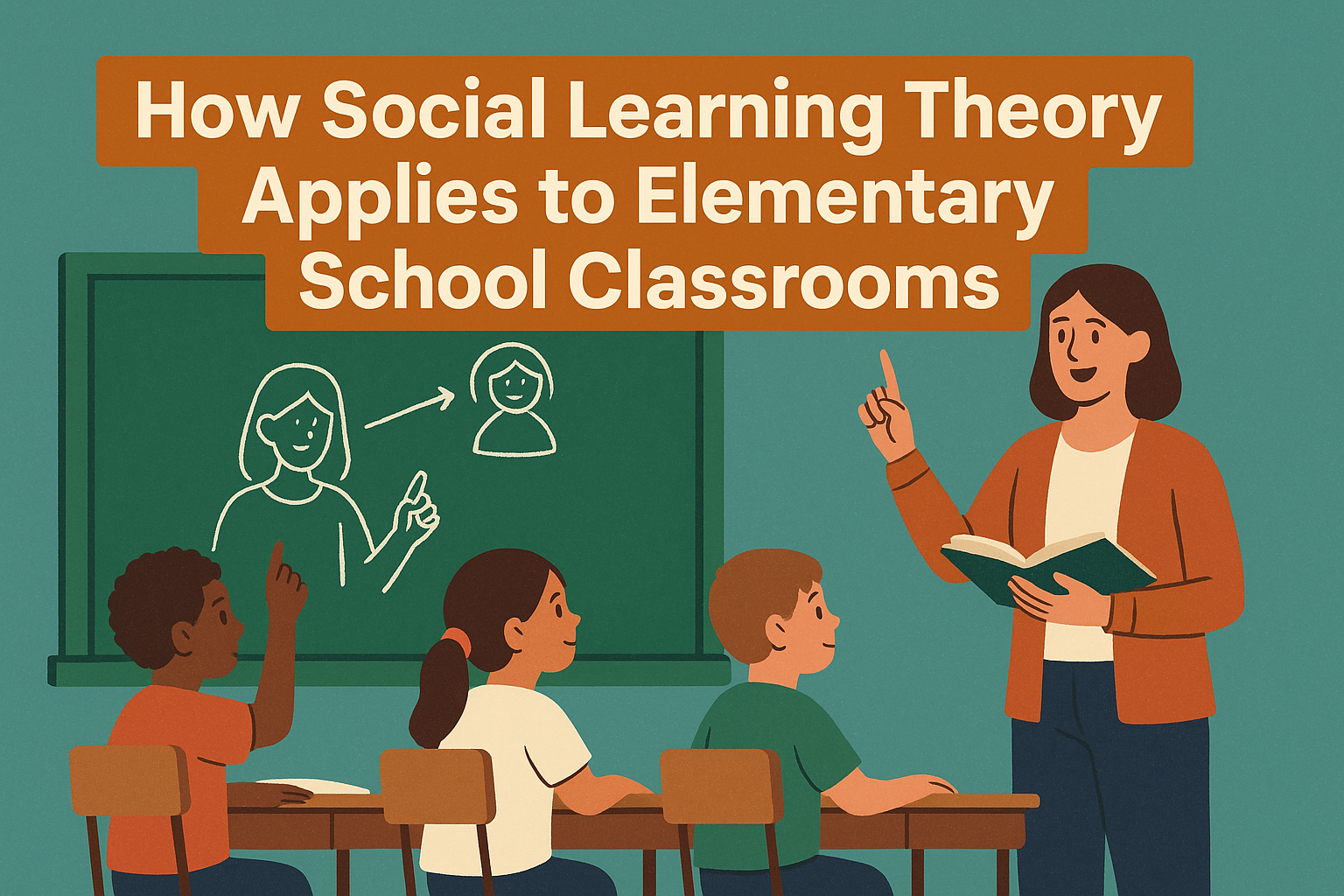
Social learning theory, developed by psychologist Albert Bandura in the 1960s, posits that learning occurs within a social context and can happen purely through observation or direct instruction. Unlike traditional behaviorist theories, which emphasize reinforcement and punishment, Bandura’s approach introduces the concept of modeling. Children learn not only from their direct experiences but also by observing the behaviors of others, particularly their peers and teachers.
Bandura identified four essential components of social learning: attention, retention, reproduction, and motivation. In the context of elementary education, these elements can be strategically incorporated into teaching methods, making lessons more engaging and effective.
Key Components of Social Learning Theory in Elementary Education
Understanding the key components of social learning theory can help educators design lessons that foster a more collaborative and interactive learning environment. Here’s a closer look at each of these components:
- Attention: For learning to occur, students must first pay attention to the behavior being modeled. Teachers can capture students’ interest through dynamic storytelling, interactive activities, or incorporating technology.
- Retention: After observing, students need to remember the behavior to replicate it. This can be enhanced through discussions, summarizing lessons, and using visual aids that reinforce the content.
- Reproduction: In this stage, students must take what they’ve learned and apply it. Teachers can facilitate this by providing opportunities for practice, such as role-playing or collaborative projects.
- Motivation: Finally, students must feel motivated to imitate the behavior they have observed. This can be achieved through positive reinforcement, creating a supportive classroom environment, and showing the real-world applications of the learned behavior.
Practical Applications of Social Learning Theory in the Classroom
Applying social learning theory in elementary classrooms can significantly impact how students engage with the material and each other. Here are a few practical strategies that educators can implement:
1. Modeling Desired Behaviors
Teachers can serve as role models for students by demonstrating appropriate behaviors and attitudes. For instance, a teacher might model how to solve a math problem step-by-step, demonstrating not only the steps but also the thought process behind them. This not only helps students understand the subject matter but also teaches them problem-solving skills.
2. Peer Collaboration
Encouraging collaborative learning is a core aspect of social learning theory. Teachers can set up group projects where students can share their ideas, learn from each other, and develop communication skills. This approach fosters a sense of community in the classroom, helping students feel more connected and engaged.
3. Utilizing Technology
Incorporating technology can enhance the learning experience. For example, educational platforms like Google Classroom allow students to observe their peers’ work and provide feedback. This not only aids in retention but also encourages a culture of learning from one another as they share resources and strategies.
4. Storytelling and Narratives
Storytelling is a powerful tool in education. When teachers use stories to illustrate concepts, they help students relate to the material on a personal level. This technique can be beneficial in teaching moral lessons or complex subjects by allowing students to see real-life applications of the content. (See: Social Learning Theory on Wikipedia.)
Challenges in Implementing Social Learning Theory
While the benefits of applying social learning theory in elementary education are substantial, several challenges can arise. Educators must be aware of these obstacles and devise strategies to overcome them.
1. Diverse Learning Styles
Every student has a unique learning style, and while some may thrive in a collaborative environment, others might find it overwhelming. Teachers must differentiate their instruction to meet varied needs, which can be resource-intensive and time-consuming.
2. Classroom Management
Encouraging collaboration can sometimes lead to classroom management issues. Teachers need to establish clear guidelines and expectations for group work to minimize distractions and ensure that all students remain engaged in the learning process.
3. Limited Resources
Not all schools have access to the resources required to fully implement social learning strategies. Limited technology, classroom space, or training can hinder the effectiveness of these approaches. Educators must creatively utilize available resources to foster a social learning environment.
The Role of Feedback in Social Learning
Feedback plays a crucial role in the social learning process. When students receive constructive feedback from their peers and teachers, it reinforces their learning and guides them in how to improve. Here are some effective feedback strategies:
1. Peer Feedback Sessions
Organizing peer feedback sessions allows students to learn from one another constructively. By providing feedback, they not only reinforce their understanding of the subject but also develop critical thinking and communication skills.
2. Formative Assessments
Using formative assessments throughout a unit helps teachers gauge students’ understanding and provide tailored feedback. This can include quizzes, group discussions, or interactive activities that encourage peer dialogue.
3. Self-Assessment
Encouraging students to assess their performance fosters independence and self-reflection. By learning to evaluate their work, students become more aware of their strengths and weaknesses, which is essential for personal growth.
Current Relevance of Social Learning Theory in Education
In an age where education is rapidly evolving, social learning theory remains highly relevant. The rise of collaborative learning models, increased emphasis on soft skills, and the integration of technology in classrooms align perfectly with Bandura’s principles. Here’s why it matters today:
1. Emphasis on Social-Emotional Learning (SEL)
Social learning theory directly correlates with the growing emphasis on social-emotional learning in schools. Understanding how to work collaboratively, manage emotions, and develop empathy are skills that are increasingly recognized as essential for students’ success. (See: Research on Social Learning in Education.)
2. Technology and Online Learning
As education incorporates more online and hybrid learning environments, social learning theory provides a framework for how students can still engage effectively. Online forums, video conferencing, and collaborative projects can replicate face-to-face interactions, allowing students to learn from each other even when physically apart. (comparing learning theories)
3. Preparing Students for the Future
In a global society where teamwork and collaboration are crucial, applying social learning theory in elementary education equips students with the skills they need to thrive. By fostering a culture of shared learning, educators prepare students for future challenges.
Examples of Successful Implementation
Many schools have adopted social learning theory principles with notable success. For instance, a school district in California revamped its teaching approach to include more group work and peer feedback. The result? A significant increase in student engagement and academic performance. Teachers reported that students were not only learning the material better but also developing more robust social skills.
Another example comes from a rural school in Texas, where teachers integrated technology by using video-sharing platforms for students to present their projects. This method allowed peers to comment and provide constructive feedback. The outcome was a more supportive learning environment where students felt comfortable sharing their ideas.
Statistics Supporting Social Learning Theory
Research has shown that social learning strategies can lead to improved outcomes in elementary education. According to a study published in the Journal of Educational Psychology, classrooms that incorporated social learning approaches saw a 30% increase in student achievement in reading and math compared to traditional methods. Additionally, schools that emphasize collaborative learning report a 25% higher student retention rate, demonstrating that when students feel connected, they’re more likely to stay engaged in their education.
Frequently Asked Questions (FAQ)
1. How can social learning theory be applied outside the classroom?
Social learning theory can be applied in various settings, including at home and in community programs. For example, parents can model positive behaviors such as good communication, problem-solving, and coping strategies. Community organizations can facilitate group activities that encourage sharing and collaboration among children.
2. What are some common misconceptions about social learning theory?
A frequent misconception is that social learning theory only involves learning through direct observation. While observation is critical, the theory also emphasizes reinforcement and motivation as factors that influence whether a behavior is adopted.
3. How can teachers assess the effectiveness of social learning strategies?
Teachers can assess effectiveness through various methods, including observing student engagement during collaborative activities, analyzing improvement in group work outcomes, and using surveys to gather feedback from students about their learning experiences.
4. Are there specific age groups that benefit more from social learning theory?
While social learning theory benefits all age groups, it is particularly impactful in elementary education. Young children are naturally inclined to observe and imitate, making them ideal candidates for learning through social interactions.
Enhancing Social Learning Through Diversity
Diversity in the classroom is a powerful tool for reinforcing social learning theory. When children from various backgrounds work together, they bring unique perspectives and experiences, enriching the learning environment. For example, culturally diverse groups can lead to an exchange of ideas that fosters critical thinking and creativity. Teachers can create mixed-ability groups to ensure that students learn from each other, promoting inclusivity and understanding. Related reading: intrinsic and extrinsic motivation.
According to research by the American Psychological Association, classrooms that embrace diversity can increase student engagement by up to 40%. This engagement is crucial, as it enhances the application of social learning principles by exposing students to different viewpoints and encouraging empathy.
The Impact of Family Engagement on Social Learning
Family engagement plays a significant role in the success of social learning strategies. When families are involved in their children’s education, students are more likely to take learning seriously and apply what they’ve learned at home. Schools can encourage family engagement by hosting workshops that educate parents about social learning strategies and how they can support their children at home.
A study from the Harvard Family Research Project found that students whose families actively participate in their education tend to have better academic performance, improved behavior, and enhanced social skills. When parents model positive behaviors and reinforce the lessons learned in school, they create a more comprehensive educational experience for their children.
Conclusion
Social learning theory offers valuable insights for elementary education, emphasizing the importance of observing and modeling behaviors. By understanding its principles and implementing strategies that encourage collaboration and interaction, educators can significantly enhance student engagement and learning outcomes. As classrooms embrace these techniques, we can expect to see a generation of learners who are not only knowledgeable but also socially adept and ready to tackle the complexities of the modern world.
“`
Trending Now
Frequently Asked Questions
What is social learning theory in education?
Social learning theory, developed by Albert Bandura, emphasizes that learning occurs within a social context and can happen through observation or direct instruction. This approach highlights the importance of modeling and how children learn by observing the behaviors of peers and teachers, rather than relying solely on reinforcement and punishment.
How can teachers apply social learning theory in the classroom?
Teachers can apply social learning theory by incorporating strategies that enhance attention, retention, reproduction, and motivation. This includes using dynamic storytelling, interactive activities, discussions, and visual aids to create a collaborative and engaging learning environment that encourages students to learn from one another.
What are the key components of social learning theory?
The key components of social learning theory include attention, retention, reproduction, and motivation. These elements are crucial for effective learning, as they guide how students engage with modeled behaviors and how they remember and replicate those behaviors in their own learning experiences.
Why is social learning important in elementary education?
Social learning is vital in elementary education because children are at a critical stage of social and cognitive development. By facilitating peer interactions and collaborative learning, educators can enhance engagement, improve retention of information, and foster essential social skills that contribute to overall development.
What role does observation play in social learning theory?
Observation is a fundamental aspect of social learning theory, as it allows students to learn by watching the behaviors of others, particularly their peers and teachers. This process enables them to acquire new skills and knowledge without direct experience, reinforcing the importance of modeling in the classroom.
What did we miss? Let us know in the comments and join the conversation.



