

“`html
As parents, the education journey of our children can be both exciting and daunting. One of the most significant milestones is the transition from preschool to kindergarten, which is where the transitional kindergarten curriculum comes into play. Designed to bridge the gap between early childhood education and formal schooling, this curriculum sets the foundation for future learning experiences. But what exactly can you expect your child to learn in transitional kindergarten? Let’s explore this crucial phase of education, its objectives, and what it means for your little ones.
Understanding Transitional Kindergarten
Transitional kindergarten (TK) serves as an entry point for children who may not be quite ready for traditional kindergarten. This program typically targets children who are turning five between September 2 and December 2, giving them a chance to develop social, emotional, and academic skills in a supportive environment. Unlike preschool, which often focuses on play-based learning, TK incorporates more structured educational practices while still maintaining an engaging atmosphere. This builds on age requirements by state.
The curriculum is tailored to cater to various developmental stages, recognizing that children enter school with differing skills and needs. According to the California Department of Education, TK is designed to be an integral part of a child’s educational journey, focusing on both academic and social-emotional growth.
Key Components of the Transitional Kindergarten Curriculum
At its core, the transitional kindergarten curriculum is built around several key components that facilitate comprehensive learning. These components align with the California Preschool Learning Foundations and include:
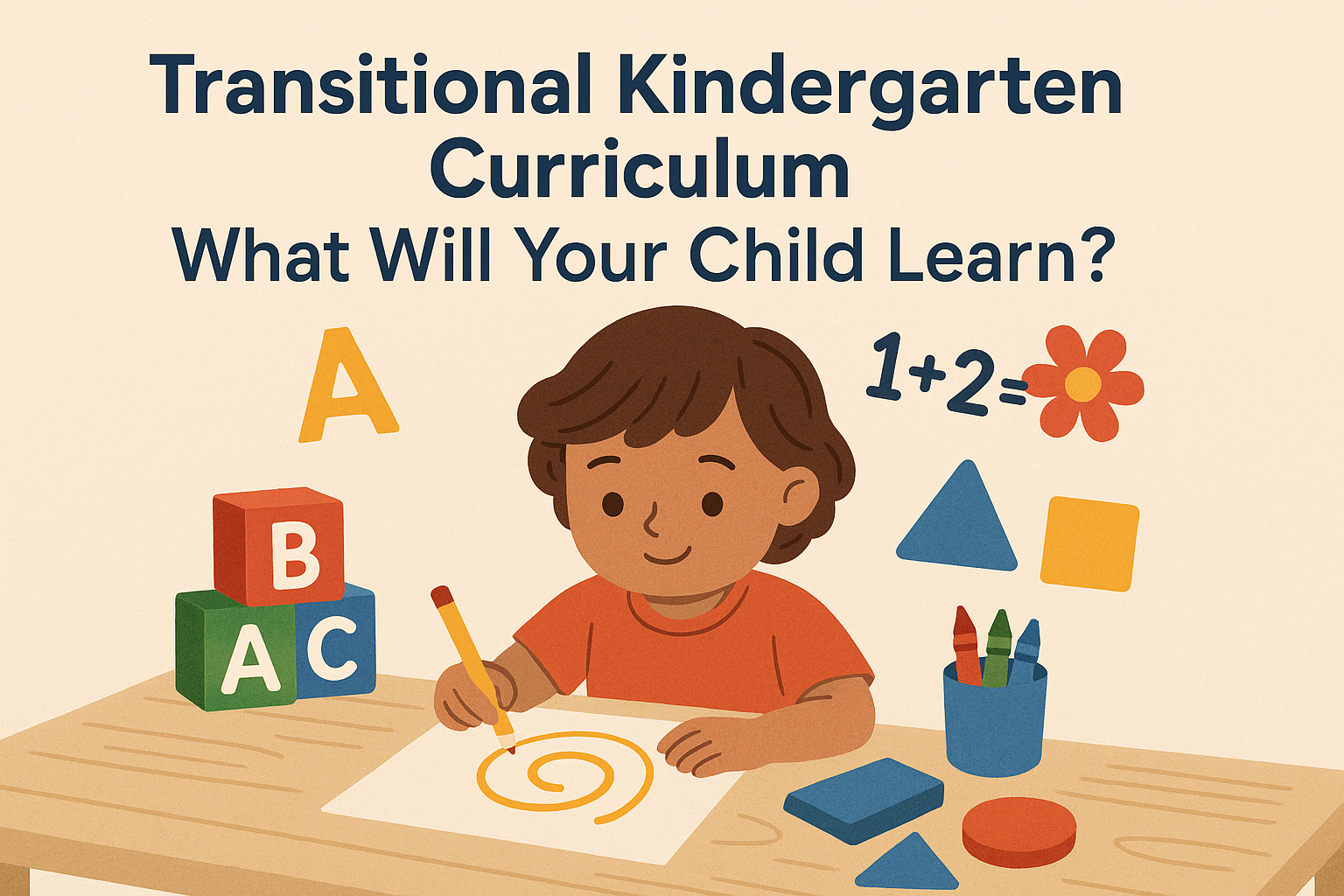
- Language and Literacy: Children will engage in activities that promote reading, writing, and communication skills. This involves introducing letters, sounds, and basic vocabulary through storytelling, songs, and interactive games.
- Mathematics: Early math concepts such as counting, number recognition, and basic addition and subtraction are introduced. Hands-on activities like counting objects and sorting shapes help solidify these concepts.
- Social-Emotional Development: A significant focus is placed on helping children develop skills like empathy, cooperation, and self-regulation. Group activities and role-playing scenarios encourage children to interact and express their feelings appropriately.
- Physical Development: Fine and gross motor skills are honed through activities that include arts and crafts, outdoor play, and basic sports, which are essential for overall development.
- Creative Expression: Encouraging creativity through art, music, and dramatic play helps children explore their imagination and express themselves in different mediums.
The Importance of Play in Transitional Kindergarten
While the curriculum is structured, play remains a central element in TK classrooms. Play-based learning is not just a method; it’s a vital way for children to explore their environment and develop critical thinking skills. Research underscores the importance of play in learning, showing that it enhances cognitive, emotional, and social development.
In transitional kindergarten, teachers weave play into the learning process. Activities like building with blocks help teach engineering concepts while allowing children to collaborate and communicate. Through imaginative play, they learn to navigate social interactions and develop empathy. This blend of play and structured learning makes TK unique, preparing children not just academically, but also socially and emotionally for the challenges of kindergarten.
What Parents Should Expect
As a parent, understanding the transitional kindergarten curriculum will empower you to support your child’s learning journey effectively. Here are some expectations you can have: (See: California Department of Education on TK.)
- Regular Communication: Teachers will typically provide updates on your child’s progress and development through parent-teacher meetings, newsletters, or digital platforms.
- Engaging Activities: Expect a variety of activities that include hands-on projects, group work, and individual tasks designed to cater to different learning styles.
- Focus on Independence: Children will be encouraged to make choices, solve problems, and take initiatives, which are crucial skills for future success.
- Social Opportunities: Your child will have numerous opportunities to interact with peers, fostering friendships and social skills that are vital for emotional health.
Assessing Progress in Transitional Kindergarten
Assessment in transitional kindergarten is not as formal as it might be in later grades. Instead of standardized tests, teachers often use observational assessments and developmental checklists to track progress. This allows educators to see how well children are grasping skills and concepts in real-world contexts.
Parents can also play a role in assessing their child’s development at home. Engage in conversations about what they learned each day, and observe their interactions and behaviors. Doing simple activities like counting objects or reading together can reinforce what they’re learning in the classroom.
The Growing Relevance of Transitional Kindergarten
As education evolves, the relevance of transitional kindergarten continues to grow. Recent studies have shown that children who participate in TK programs often demonstrate better readiness for kindergarten and perform better academically in later grades. The National Center for Children in Poverty indicates that early educational interventions can lead to long-lasting benefits, including improved academic performance, better social skills, and a greater likelihood of graduating from high school.
Moreover, the COVID-19 pandemic has emphasized the need for foundational learning experiences. Many students have faced disruptions in their education, making transitional kindergarten programs more critical than ever. They provide a structured environment that can help children recover lost learning and gain the skills they need to thrive in school.
Tips for Parents Navigating Transitional Kindergarten
As you prepare for your child’s transition into TK, consider these practical tips:
- Stay Involved: Attend school events, volunteer in the classroom, and maintain open lines of communication with teachers. Your involvement shows your child that education is important.
- Encourage a Love for Learning: Foster curiosity by exploring new topics and ideas at home. Read together, visit museums, or engage in science experiments.
- Set a Routine: Establishing a consistent daily routine helps children feel secure and understand expectations. Routines can include regular reading times, playtimes, and meal schedules.
- Promote Social Skills: Arrange playdates and group activities that allow your child to practice sharing, cooperating, and resolving conflicts with peers.
- Be Patient and Supportive: Every child learns at their own pace. Offer encouragement and praise to build confidence and resilience as they navigate new challenges.
Common Concerns About Transitional Kindergarten
It’s normal for parents to have concerns as their child transitions into TK. Here are a few common worries and some reassurance:
- Readiness: Many parents wonder if their child is ready for TK. Remember, TK is designed for children who may need extra time to develop essential skills. Teachers will assess your child’s readiness and work closely with you.
- Social Skills: Some parents fear their child may struggle with social interactions. TK provides a supportive environment where children can learn and practice these skills. Teachers often facilitate activities that promote sharing and communication.
- Academic Pressure: It’s common for parents to worry about the academic expectations in TK. However, the primary focus of TK is not on rigorous academics but rather on creating a love for learning through engaging activities.
Tools and Resources for Parents
To further support your child’s educational journey, consider utilizing various tools and resources available: (See: National Institute of Child Health on learning.)
- Educational Apps: Apps like ABCmouse and Starfall can supplement learning at home with interactive games and activities that align with TK curriculum goals.
- Books: A wealth of children’s books can enhance literacy skills. Look for books that encourage participation, like those with repetitive phrases or questions.
- Community Classes: Check local community centers for classes or workshops that focus on art, music, or physical activities to promote socialization and skills development.
- Parent Workshops: Many schools offer workshops for parents that provide insight into the TK curriculum and tips on supporting learning at home.
Frequently Asked Questions About Transitional Kindergarten
What is the age requirement for transitional kindergarten?
Typically, children must turn five between September 2 and December 2 of the school year to enroll in transitional kindergarten, but this can vary by state or district.
Is transitional kindergarten mandatory?
No, transitional kindergarten is not mandatory. However, it is recommended for children who could benefit from additional developmental time before entering traditional kindergarten.
How does TK differ from preschool?
TK incorporates more structured educational practices compared to preschool, focusing on a curriculum that includes specific learning objectives in literacy, math, and social-emotional development.
Can children attend both preschool and transitional kindergarten?
Yes, many children attend preschool before entering transitional kindergarten. This can provide additional learning experiences and socialization opportunities.
How can I support my child’s learning in transitional kindergarten?
You can support your child by engaging with their learning process, reading together, discussing their day, and providing resources that align with their curriculum.
The Role of Teachers in Transitional Kindergarten
Teachers play a critical role in the success of the transitional kindergarten experience. They are not just instructors but also caregivers and guides who create a nurturing environment where children feel safe to explore and learn. Effective TK teachers typically have specialized training in early childhood education, allowing them to understand the unique developmental needs of young children.
In the classroom, teachers use a variety of instructional strategies tailored to the diverse needs of students. They might employ thematic units that integrate multiple subjects or utilize project-based learning to keep children engaged. For instance, a unit on animals might include reading stories about wildlife, counting animal figures, and engaging in art projects that reinforce the theme. This holistic approach helps children make connections across different areas of learning and retain information more effectively.
The Impact of Transitional Kindergarten on Long-Term Success
Research has shown that students who attend transitional kindergarten programs often have better outcomes in their educational journeys. According to a study published by the National Institute for Early Education Research, children who participated in TK were found to have improved language skills, math understanding, and social-emotional competencies as they progressed through elementary school. The skills gained in transitional kindergarten help establish a strong foundation that can lead to enhanced academic performance in later grades, which can significantly influence high school graduation rates.
Moreover, with an increased emphasis on early education, communities have begun recognizing the value of TK programs not only for individual children but also for societal benefits. By investing in early education, communities can reduce the need for remedial services later on, ultimately saving money in educational funding while also fostering greater educational equity.
Encouraging Parental Involvement in Transitional Kindergarten
Parental involvement is crucial in maximizing the benefits of transitional kindergarten. When parents engage with teachers and participate in school activities, it creates a stronger school community and enriches children’s educational experiences. Here are some ways you can get involved:
- Join the Parent-Teacher Association (PTA): Being part of the PTA gives you a voice in school decisions and enables you to collaborate with other parents and teachers.
- Attend Workshops: Take advantage of workshops offered by your child’s school. These sessions often provide valuable insights into the curriculum and ways to support your child at home.
- Volunteer: Offer your time for classroom activities or school events. Hands-on participation can be rewarding for both you and your child.
- Share Cultural Experiences: Bring elements of your culture into the classroom. Share stories, traditions, or food, which can enrich the learning environment for all students.
In summary, the transitional kindergarten curriculum serves as a pivotal stepping stone for young learners. By understanding its components, fostering a love for learning, and staying actively involved in your child’s education, you can set them up for a successful transition into their academic journey. With the right support, your child can thrive, making the most of these formative years that lay the groundwork for a lifetime of learning.
“`
Trending Now
Frequently Asked Questions
What is transitional kindergarten curriculum?
Transitional kindergarten (TK) curriculum is designed to bridge the gap between preschool and traditional kindergarten. It focuses on developing social, emotional, and academic skills in children who are turning five between September 2 and December 2, providing a structured yet engaging learning environment.
What will my child learn in transitional kindergarten?
In transitional kindergarten, children will learn foundational skills in language and literacy, mathematics, social-emotional development, and physical development. Activities include storytelling, basic math concepts, and interactive games to promote communication and critical thinking. foundations for lifelong learning offers useful background here.
How does transitional kindergarten differ from preschool?
Transitional kindergarten differs from preschool by incorporating more structured educational practices while still maintaining an engaging atmosphere. TK focuses on academic readiness and essential skills, preparing children for the transition to traditional kindergarten.
Who is eligible for transitional kindergarten?
Transitional kindergarten is generally for children who turn five between September 2 and December 2. It targets those who may not be ready for traditional kindergarten, allowing them to develop necessary skills in a supportive environment.
What are the benefits of transitional kindergarten?
The benefits of transitional kindergarten include enhanced social-emotional growth, academic readiness, and a smoother transition to formal schooling. It provides a tailored learning experience that recognizes individual developmental stages, helping children build a strong educational foundation.
What’s your take on this? Share your thoughts in the comments below — we read every one.



